Savor the Streets: Mastering Authentic Thai Crab Fried Rice (Khao Pad Pu) at Home
There’s an undeniable magic in the bustling, aromatic streets of Bangkok, where every corner offers a new culinary adventure. Among the symphony of sizzling woks and fragrant spices, one dish stands out as a true testament to Thailand’s vibrant food scene: Thai Crab Fried Rice, known locally as Khao Pad Pu. Far from your average takeout, this isn’t just a meal; it’s an experience, a delicate balance of flavors that elevates humble rice to a premium delight.
Khao Pad Pu holds a special place in Thai cuisine, often considered a dish for discerning palates due to its use of fresh, sweet crab meat. Its allure lies in its subtle complexity – a savory base perfectly complemented by a hint of sweetness, an aromatic whisper of garlic, and the bright, clean taste of quality seafood. This authentic Thai fried rice recipe captures the essence of Bangkok street food recipes, bringing the coveted flavors of Thailand right into your kitchen.
What is Thai Crab Fried Rice (Khao Pad Pu)?
At its heart, Khao Pad Pu is a celebration of simplicity and technique. While “fried rice” is a global concept, the Thai version distinguishes itself with several key characteristics. Unlike its Chinese counterpart, which often relies on short-grain rice and heavy soy sauce, Thai fried rice, particularly this exquisite Thai Crab Fried Rice, champions fragrant Jasmine rice stir fry. The seasoning profile also differs significantly, leaning on the umami depth of fish sauce (Nam Pla) rather than a predominantly soy-sauce base, creating a lighter yet profoundly flavorful dish.
A non-negotiable companion to any authentic Thai fried rice is Prik Nam Pla dipping sauce – a condiment so vital it’s practically part of the dish itself. This vibrant chili fish sauce adds a crucial layer of zesty heat and salty tang, allowing each diner to customize their experience and truly unlock the full potential of this incredible dish.
Key Ingredients for Authentic Flavor
The Rice
The foundation of any great fried rice is, naturally, the rice itself. For Thai Crab Fried Rice, day-old, cold Jasmine rice is not just preferred, it’s non-negotiable. Freshly cooked rice is too moist and will lead to a clumpy, mushy texture. Day-old rice, having lost some of its moisture, fries up beautifully, resulting in distinct, slightly chewy grains that are perfect for absorbing flavor without sticking together.
If you’re in a rush and haven’t planned ahead, here’s a trick for drying out fresh rice: spread it evenly on a baking sheet and let it air dry for at least 30 minutes, or even pop it into the fridge for an hour. This extra step is worth it for that ideal Jasmine rice stir fry texture, making it one of the best leftover rice recipes.
The Crab
The star of our Khao Pad Pu is, of course, the crab. For the best experience, we highly recommend using lump crab meat. Its substantial, sweet flakes offer a delightful texture and burst of flavor that shredded crab meat simply can’t match. Lump crab meat recipes truly shine in dishes where the crab is meant to be a prominent feature.
When sourcing, aim for the best quality you can find. Fresh, cooked crab meat is always superior, but high-quality pasteurized lump crab meat found in the refrigerated section of most seafood markets or grocery stores is an excellent and convenient alternative. Avoid canned crab meat if possible, as its texture and flavor often fall short for this delicate dish.
The Seasoning Trinity
Achieving the authentic Thai flavor profile for Thai Crab Fried Rice hinges on a trio of essential seasonings:
Fish Sauce (Nam Pla): This is the backbone of Thai cuisine. It provides a savory, umami depth that’s distinct from soy sauce. Look for a reputable brand with a high percentage of anchovy extract for the best flavor. Many fish sauces are naturally gluten-free, making this a staple in gluten-free Thai recipes.
Soy Sauce: A light (thin) soy sauce is typically used to complement the fish sauce, adding another layer of savory richness and a hint of color. For a fully gluten-free option, substitute with tamari.
Sugar: A small amount of white sugar (or palm sugar) is crucial for balancing the salinity of the fish sauce and soy sauce, and to enhance the natural sweetness of the crab. This creates the signature Thai sweet-savory harmony.
Equipment Needed
While a flat-bottomed frying pan can certainly get the job done, a proper wok is your best friend for achieving restaurant-quality Thai Crab Fried Rice. The wok’s high sides and conductive material allow for rapid, even heating and easy tossing, which are crucial for developing Wok Hei.
“Wok Hei, or the ‘breath of the wok,’ is that smoky, charred aroma and flavor that comes from cooking ingredients rapidly over intense heat in a well-seasoned wok. It’s the secret weapon of authentic stir-fries.”
For essential utensils, a sturdy wok spatula (or a flat-bottomed metal spatula) is ideal for efficient stirring and flipping without damaging the delicate rice grains or crab meat. Don’t forget a large, heat-proof mixing bowl for prepping ingredients, as speed is key in high-heat cooking.
Step-by-Step Cooking Instructions
Success in stir-frying lies in meticulous preparation and swift execution. Follow these steps for perfect Thai Crab Fried Rice:
Prep Work (Mise en place): This is perhaps the most crucial step. Have ALL your ingredients pre-chopped, measured, and ready by your stove. This includes your day-old Jasmine rice, lump crab meat, finely minced garlic, chopped green onions, and the seasoning trinity mixed in a small bowl. For high-heat cooking, there’s no time to search for ingredients.
The Egg Technique: Heat your wok or pan over high heat until it’s smoking lightly. Add a tablespoon of oil, then pour in a beaten egg. Allow it to set slightly, then scramble it quickly into small, fluffy ribbons. This technique creates delicate pieces of egg that are visually appealing and add to the texture, rather than coating the rice grains too heavily. Remove the egg from the wok and set aside.
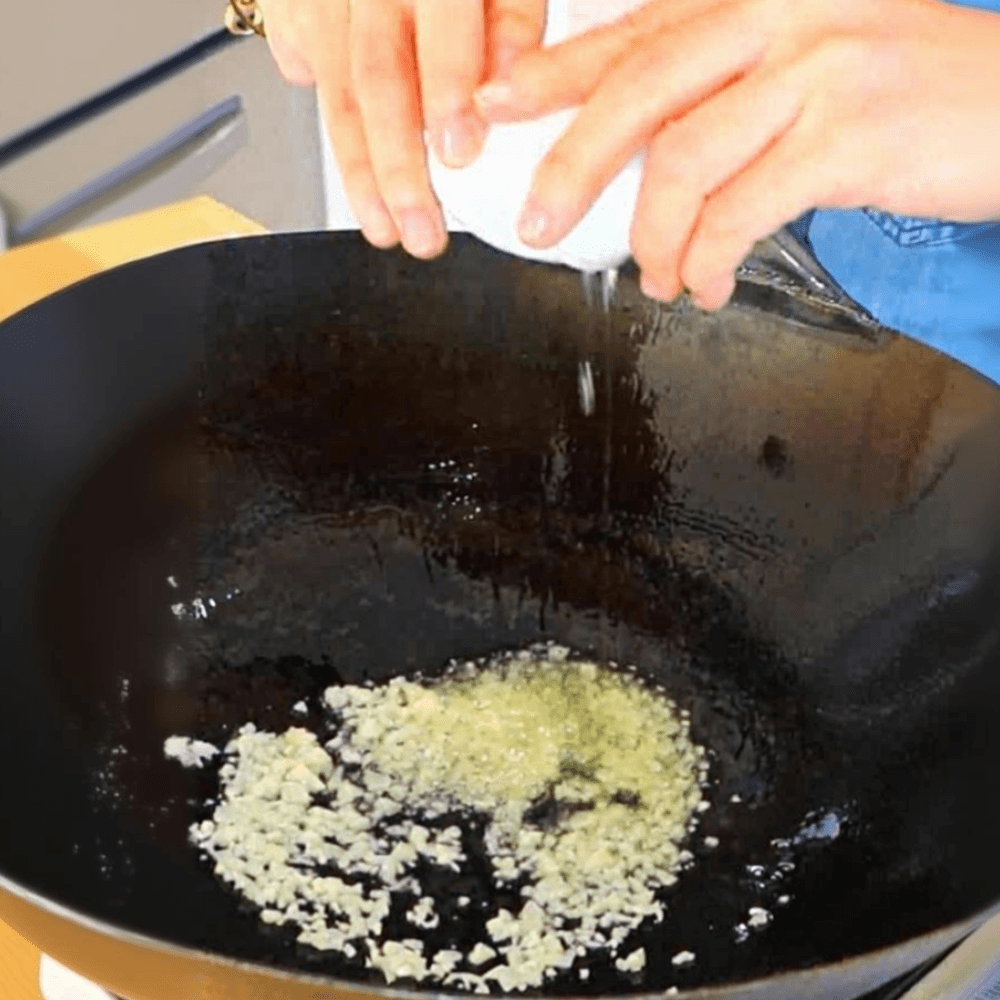
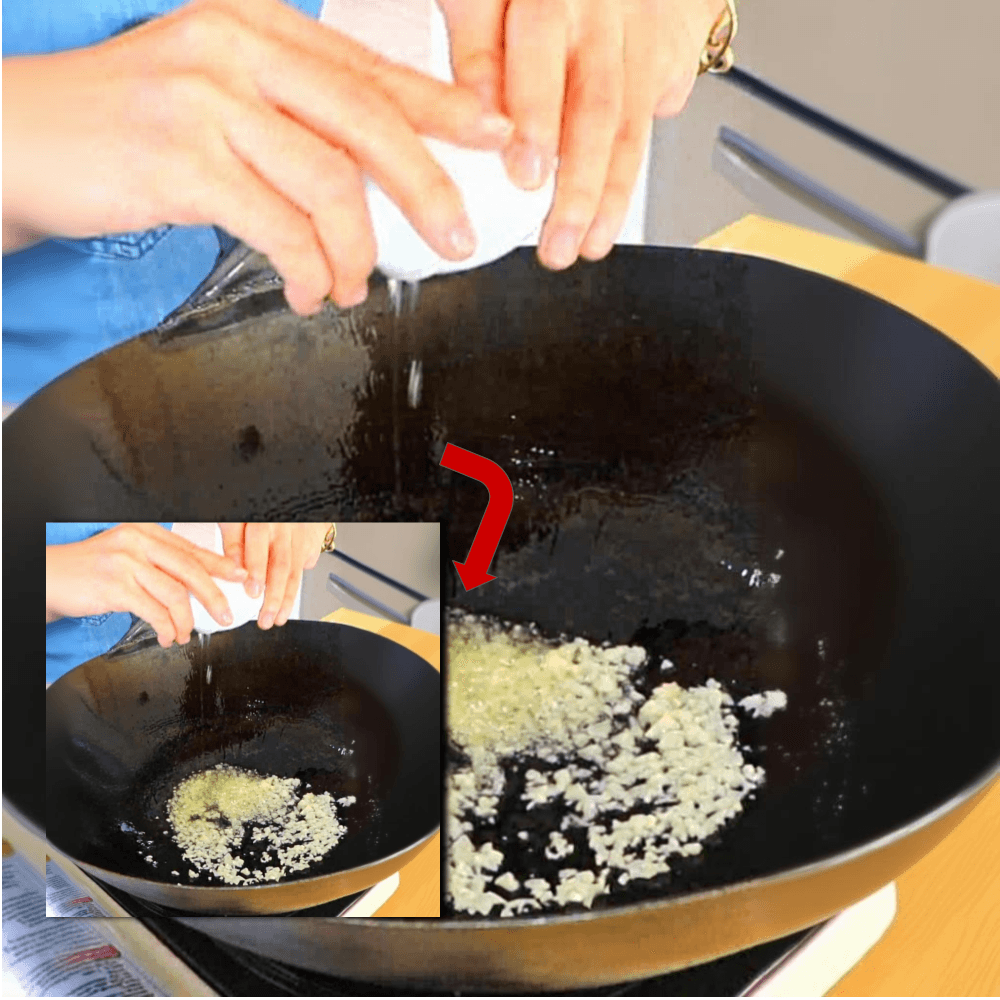
Stir-Frying the Rice: Add another tablespoon of oil to the screaming hot wok. Add the minced garlic and stir-fry for 10-15 seconds until fragrant (do not burn!). Immediately add your cold Jasmine rice. Using your spatula, gently but firmly break up any clumps, pressing the rice against the wok to encourage contact with the hot surface. Toss continuously for 3-5 minutes, allowing the rice to “dance” in the wok and slightly toast, creating that desirable Wok Hei. Pour your pre-mixed seasoning trinity over the rice and continue to toss vigorously, ensuring every grain is evenly coated.
Folding in the Crab: Once the rice is perfectly seasoned and hot, gently fold in the cooked lump crab meat and the reserved scrambled egg. Stir for just 30-60 seconds, enough to warm the crab through without overcooking it. Overcooking will toughen the crab and diminish its delicate sweetness. Finally, toss in most of your chopped green onions, reserving some for garnish.
The Secret Weapon: Prik Nam Pla (Chili Fish Sauce)
No plate of Thai Crab Fried Rice is complete without a side of homemade Prik Nam Pla dipping sauce. This simple yet profound condiment elevates the entire dish, offering a customizable burst of flavor. Here’s a quick recipe ratio:
3 tablespoons fish sauce
2 tablespoons fresh lime juice
1 tablespoon water
1 teaspoon sugar
2-4 fresh Bird’s Eye chilies, thinly sliced (adjust to your heat preference)
1 tablespoon finely chopped garlic
Combine all ingredients in a small bowl. Stir until the sugar dissolves. Taste and adjust to your liking – more fish sauce for saltiness, more lime for tang, more chilies for heat. This dipping sauce is a hallmark of Thai seafood dishes and essential for an authentic experience.
Pro-Tips for Restaurant-Quality Results
Heat Control: Always cook Thai Crab Fried Rice over very high heat. This is fundamental for developing Wok Hei cooking techniques and ensuring the rice fries rather than steams. Don’t overcrowd the wok; cook in batches if necessary.
Texture is Key: To avoid mushy rice, ensure your rice is day-old and cold. Be firm but gentle when breaking up clumps, and toss continuously to promote aeration and even cooking.
Garnish for Freshness: The traditional garnishes are not just for show. A wedge of fresh lime, crisp slices of cucumber, and a sprinkle of fresh cilantro provide essential freshness and palate cleansing, cutting through the richness of the fried rice and making each bite as enjoyable as the last. This thoughtful presentation is a signature of authentic Thai fried rice recipes.
Variations
While the classic Thai Crab Fried Rice is sublime, feel free to explore variations:
Spicy Version: For those who love heat, add a few finely minced Bird’s Eye chilies (or even a teaspoon of Thai chili paste) directly into the wok with the garlic. This infuses the entire dish with a fiery kick.
Shrimp Substitution: If crab isn’t available or you prefer other Thai seafood dishes, succulent shrimp makes an excellent substitute. Add raw shrimp to the wok after the garlic, stir-fry until pink, then remove and add back with the cooked egg before folding in the rice.
Vegetarian Options: This dish can be adapted for vegetarian diets. Replace the fish sauce with a high-quality vegetarian “fish” sauce or a combination of tamari and mushroom powder. Omit the crab entirely or substitute with firm tofu or a medley of vegetables like corn and peas.
Frequently Asked Questions (FAQ)
Can I use brown rice for Thai Crab Fried Rice? While traditional Khao Pad Pu uses Jasmine rice, you can use day-old cooked brown rice for a healthier, nuttier alternative. Just be aware the texture will be firmer, and it might require slightly longer stir-frying.
How long does cooked crab meat last in the fridge? Cooked lump crab meat, when properly stored in an airtight container, will last for 2-3 days in the refrigerator. Always use fresh crab for the best flavor and safety.
What is the best brand of fish sauce for fried rice? For authentic flavor in Thai seafood dishes, look for brands like Red Boat, Squid Brand, or Tiparos. These are widely available and highly regarded for their quality and depth of flavor, perfect for gluten-free Thai recipes.
Ready to embark on your own culinary journey? Bring the flavors of Thailand into your home with this incredible Thai Crab Fried Rice recipe. For more authentic Thai cooking inspiration and behind-the-scenes glimpses into our culinary adventures, make sure to follow us on Facebook!
Find us here: https://www.facebook.com/profile.php?id=61568538666337
10-Min Thai Crab Fried Rice (Khao Pad Pu)
Ingredients
- 3 cups cooked jasmine rice cold, leftover overnight rice is best
- 2 tbsp cooking oil divided use
- 0.5 lb lump crab meat fresh or pasteurized
- 2 cloves garlic minced
- 2 large eggs lightly beaten
- 1 tbsp soy sauce Thai light soy sauce preferred
- 1 tbsp fish sauce high quality
- 1 pinch sugar white sugar
- 3 stalks scallions chopped
- 3 slices cucumber for garnish
- 1 sprig cilantro for garnish
- 2 wedges lime one for garnish, one for sauce
- 1 whole red chili pepper sliced, for dipping sauce
- 3 tbsp fish sauce for dipping sauce
Instructions
- Prepare the Prik Nam Pla (dipping sauce) by combining 3 tablespoons of fish sauce, the sliced red chili pepper, and the juice of one lime wedge in a small bowl. Set aside.
- Heat a wok or large skillet over high heat. Add the cooking oil and swirl to coat the pan.
- Add the minced garlic and stir-fry briefly until fragrant (about 10 seconds), being careful not to burn it.
- Push the garlic to the side of the pan and pour in the beaten eggs. Scramble them quickly until they are about 80% cooked.
- Add the cold, cooked jasmine rice to the pan. Break up any clumps with your spatula and toss to combine with the eggs and garlic.
- Season the rice with 1 tablespoon soy sauce, 1 tablespoon fish sauce, and a pinch of sugar. Stir-fry vigorously for 2-3 minutes to toast the rice.
- Gently fold in the lump crab meat and chopped scallions. Toss for another 30-60 seconds just to warm the crab through, being careful not to break the lumps.
- Remove from heat immediately.
- Serve hot, garnished with cucumber slices, a sprig of cilantro, and a lime wedge. Serve the Prik Nam Pla on the side.
For more daily recipes and tips, follow us on Facebook!
Click here to join our community!