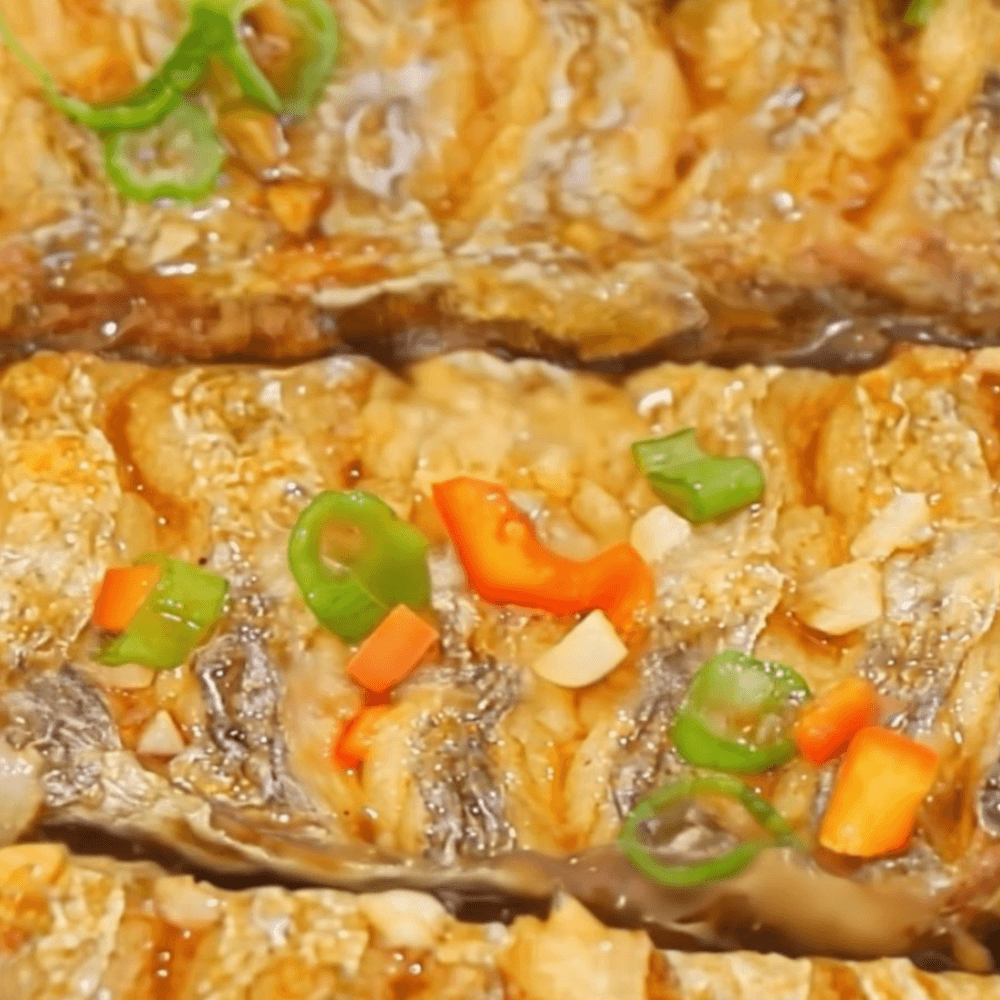
Welcome, fellow food adventurers, to a culinary journey that promises to tantalize your taste buds and transport you straight to the bustling kitchens of coastal China! Today, we’re diving deep into the art of creating a truly remarkable dish: Red Braised Belt Fish. Known as Hong Shao Dai Yu (红烧带鱼) in Mandarin, this authentic Chinese dinner recipe transforms humble belt fish into a symphony of savory, sweet, and umami flavors, all bathed in a rich, glossy brown sauce. If you’ve ever yearned to master an impressive yet approachable Asian seafood dish, you’ve come to the right place.
Introduction
The allure of ‘Hong Shao’ (Red Braised) cuisine lies in its ability to take simple ingredients and elevate them through a slow, deliberate cooking process, creating incredibly tender textures and deeply infused flavors. It’s a cornerstone of Chinese home cooking, known for its signature reddish-brown hue and irresistible aroma. From succulent meats to delicate vegetables, the red braising technique imparts a depth that is profoundly comforting and intensely satisfying.
Among the myriad of ingredients that shine under the ‘Hong Shao’ treatment, belt fish stands out. Also known as ribbon fish or cutlassfish, this unique elongated fish is a cherished staple in coastal Chinese cooking, celebrated for its delicate texture and mild flavor. Its ability to absorb the rich braising liquid while maintaining its integrity makes it a perfect canvas for our savory brown sauce fish creation. Get ready to discover why Red Braised Belt Fish is more than just a meal; it’s an experience.
What is Belt Fish?
Before we dive into the cooking, let’s get acquainted with our star ingredient.
Flavor profile: Mild, sweet, and firm texture
Belt fish boasts a uniquely appealing flavor profile. It’s wonderfully mild and naturally sweet, making it incredibly versatile and appealing even to those who aren’t usually big fish eaters. When cooked correctly, its flesh is firm yet incredibly flaky and tender, practically melting in your mouth. Unlike some fish that can be overly “fishy,” belt fish has a clean, subtle taste that beautifully complements the bold flavors of the red braising sauce.
Anatomy: Long, flat shape, silvery skin, and bone structure
Visually, belt fish is quite distinctive. It’s long and flat, resembling a silver ribbon, hence its common name “ribbon fish.” Its skin is bright, shimmery silver, which, as you’ll discover, plays a crucial role in the dish. While it does have a central bone and fine pin bones along its sides, these are relatively easy to manage, especially after braising renders them softer. Don’t be intimidated by its structure; with a few ribbon fish cooking tips, you’ll be enjoying every morsel.
Nutritional benefits
Beyond its delicious taste, belt fish is a nutritional powerhouse. It’s an excellent source of lean protein, essential for muscle repair and growth. It’s also rich in omega-3 fatty acids, which are vital for heart health, brain function, and reducing inflammation. Furthermore, belt fish provides important vitamins and minerals, including Vitamin B12, selenium, and phosphorus. Incorporating this cutlassfish recipe into your diet is a flavorful way to boost your nutritional intake.
Essential Ingredients for Red Braising
The magic of Red Braised Belt Fish lies in the careful balance of its core ingredients. Each component plays a vital role in building the dish’s signature depth and complexity.
The Fish: Selecting fresh or frozen belt fish
When selecting your belt fish, freshness is key. Look for fish with bright, clear eyes (if whole), firm flesh that springs back when gently pressed, and a clean, oceanic smell. The silvery skin should be intact and iridescent. If using frozen belt fish, ensure it’s properly thawed in the refrigerator overnight. While fresh is always preferred, high-quality frozen belt fish works beautifully for this Chinese braised fish recipe.
The Aromatics: Ginger, garlic, and scallions (the holy trinity)
These three ingredients form the aromatic foundation of countless Asian dishes, and our Red Braised Belt Fish is no exception. Fresh ginger provides a pungent, warming spice that helps to neutralize any potential fishiness. Garlic offers a foundational savory depth, while scallions (the white parts for cooking, green for garnish) add a fresh, oniony brightness. Together, they create an irresistible fragrance that defines authentic Chinese dinner recipes.
The Sauce: The balance of Soy Sauce (Light for flavor, Dark for color), Oyster Sauce, and Sugar
The heart of our savory brown sauce fish is a perfectly balanced blend of seasonings:
- Light Soy Sauce: This is your primary source of salty, umami flavor. Use a good quality brand for the best results.
- Dark Soy Sauce: Thicker and less salty than light soy sauce, its main purpose is to impart that beautiful, deep reddish-brown color characteristic of Hong Shao dishes. A little goes a long way.
- Oyster Sauce: While not essential in all red braising recipes, it adds a rich, slightly sweet, and intensely savory umami boost that complements seafood wonderfully.
- Sugar: Crucial for balancing the saltiness of the soy sauce and promoting the caramelization that gives the sauce its glossy sheen and depth. White granulated sugar is fine, or rock sugar for a more traditional touch.
The Acid: Why Chinkiang vinegar is crucial for balancing fishiness
A secret weapon in many Chinese seafood dishes is a touch of acid, and Chinkiang black vinegar is ideal here. Its unique malty, slightly sweet, and smoky flavor profile not only cuts through any lingering fishiness but also adds another layer of complexity to the sauce. It brightens the overall flavor, preventing the dish from tasting too heavy or one-dimensional. Don’t skip this ingredient!
Step-by-Step Cooking Guide
Now, let’s get cooking! This step-by-step guide will ensure you create a flawless Red Braised Belt Fish every time.
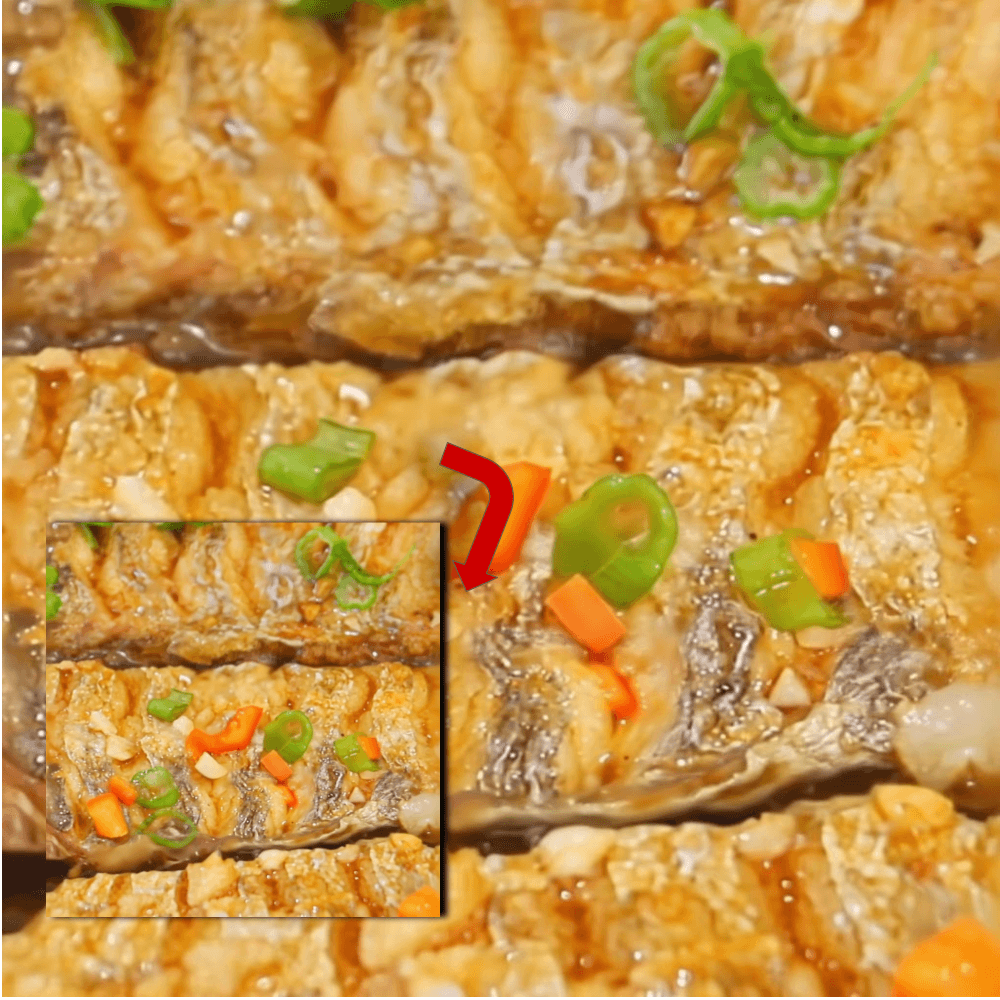
Preparing the Fish
- Cleaning: If starting with whole fish, descale (though belt fish has very fine scales, they can be gently scraped off if desired) and remove fins and guts. Rinse thoroughly under cold water, paying attention to the belly cavity, until the water runs clear.
- Cutting: Cut the long fish into manageable sections, typically 3-4 inches (7-10 cm) long. Pat each piece absolutely dry with paper towels. This is crucial for achieving a crispy skin later.
- Marinating: Place the dried fish pieces in a bowl. Sprinkle generously with Chinese rice wine (Shaoxing wine is best) and a pinch of white pepper. Toss gently and let marinate for about 10-15 minutes. This step helps to tenderize the fish and further reduce any potential fishy odors.
- Coating with Cornstarch: Lightly dust each piece of marinated fish with cornstarch. Shake off any excess. The cornstarch creates a protective barrier, preventing sticking during frying and forming a delicate, crispy crust that locks in moisture.
The Pan-Frying Phase
This step is about achieving that perfect golden exterior without overcooking the fish.
- Heat Management: Heat a wok or large non-stick skillet over medium-high heat. Add enough cooking oil (such as vegetable or canola oil) to cover the bottom generously. The oil should be hot enough to sizzle when a wooden chopstick is dipped in.
- Achieving Golden Skin: Carefully place the cornstarch-coated belt fish pieces into the hot oil in a single layer, ensuring not to overcrowd the pan. Fry for 2-3 minutes per side, or until beautifully golden brown and crispy. Avoid moving the fish too much during this phase to allow a crust to form, which prevents sticking.
- Remove and Drain: Once golden, gently remove the fried fish pieces and place them on a plate lined with paper towels to drain excess oil.
The Braising Process
This is where the magic happens, infusing the fish with the rich flavors of our savory brown sauce.
- Sautéing Aromatics: Drain off most of the oil from the pan, leaving about 1-2 tablespoons. Reduce heat to medium. Add sliced ginger, minced garlic, and the white parts of scallions. Sauté for about 30 seconds to 1 minute until fragrant, being careful not to burn the garlic.
- Building the Sauce: Pour in the light soy sauce, dark soy sauce, oyster sauce, sugar, and a splash of Chinkiang vinegar. Stir well to combine. Add enough water or unsalted broth to almost cover the fish when it’s returned to the pan (typically 1 to 1.5 cups). Bring the sauce to a gentle simmer.
- Simmering to Infuse Flavor: Carefully return the fried belt fish pieces to the simmering sauce. Ensure the fish is mostly submerged. Bring the sauce back to a gentle simmer, then reduce the heat to low, cover the pan, and let it braise for 10-15 minutes. The longer it braises, the more flavor the fish will absorb, and the bones will soften further.
- Reducing the Sauce: After braising, remove the lid. Increase the heat to medium-high and let the sauce reduce, stirring occasionally, until it thickens slightly and becomes glossy. This usually takes 3-5 minutes. The sauce should coat the back of a spoon.
- Finishing Touch: Garnish with the green parts of chopped scallions just before serving.
Expert Tips for Success
Here are a few insider ribbon fish cooking tips to ensure your Red Braised Belt Fish is nothing short of perfection.
Do I eat the silver skin?
Absolutely! The beautiful silvery skin of the belt fish is not only edible but also incredibly delicious when cooked. It becomes delightfully tender and slightly crispy during the pan-frying stage and then absorbs the rich flavors of the braising sauce. Do not scrape it off!
Handling Bones
Belt fish, like many fish, does have bones. While the main central bone is easy to navigate, there are also fine pin bones. During the braising process, these bones soften significantly, making them easier to separate from the flesh. To eat belt fish safely:
- Flake off portions of the flesh with your chopsticks or fork, separating it from the central spine and any visible side bones.
- Eat small bites carefully, being mindful of any tiny pin bones. With practice, you’ll find it quite easy to enjoy this flavorful fish.
Substitutions
While belt fish is ideal for this cutlassfish recipe, if it’s unavailable, you can substitute other firm white fish. Excellent alternatives include:
- Cod fillets (thick cut)
- Halibut steaks
- Tilapia fillets
- Mackerel (though it has a stronger flavor)
Adjust cooking times as needed, as thicker fish may require a longer braise. The key is to choose a fish that holds its shape well during braising and can absorb the rich Hong Shao flavors.
Serving Suggestions
Red Braised Belt Fish is a robust dish that pairs wonderfully with simple accompaniments to let its complex flavors truly shine.
- Best paired with steamed white rice: The fluffy, plain rice is the perfect canvas for soaking up every drop of that savory brown sauce, creating a harmonious and incredibly satisfying meal.
- Side dishes: Complement your fish with light, refreshing side dishes. Stir-fried bok choy with garlic offers a crisp, green contrast, while a simple cucumber salad dressed with a hint of vinegar and sesame oil provides a cool, tangy counterpoint. These additions complete an authentic Chinese dinner recipe spread.
Frequently Asked Questions (FAQ)
Can I bake this instead of frying?
While pan-frying is traditional for Red Braised Belt Fish and creates a crucial crispy crust, you can adapt the recipe for baking. Lightly brush the cornstarch-coated fish with oil and bake at 400°F (200°C) for 10-15 minutes until lightly golden and cooked through. Then, proceed with the braising process, gently adding the baked fish to the simmering sauce.
How to store and reheat leftovers?
Leftover Red Braised Belt Fish can be stored in an airtight container in the refrigerator for up to 2-3 days. To reheat, gently warm the fish and sauce in a skillet over low heat until heated through, adding a splash of water or broth if the sauce has thickened too much. You can also microwave it, but be careful not to overcook the fish, as it can become rubbery.
Is belt fish high in mercury?
No, belt fish (or cutlassfish) is generally considered a low-mercury fish. It’s a smaller, shorter-lived species, placing it lower on the food chain, which typically means lower mercury levels compared to larger, predatory fish. It’s a safe and healthy choice for regular consumption as part of a balanced diet.
There you have it – a comprehensive guide to mastering Red Braised Belt Fish, a dish that embodies the heart of Chinese culinary tradition. We hope you’ll try this incredible recipe and share your creations with us! For more delicious Asian seafood dishes and authentic Chinese dinner recipes, be sure to follow our adventures and join our growing community on Facebook. Find us at: https://www.facebook.com/profile.php?id=61568538666337. We can’t wait to connect with you!
Authentic Red Braised Belt Fish
Ingredients
- 2 lbs Belt fish (cleaned and cut into segments) Or substitute with other firm white fish
- 6 slices Ginger For marinade
- 2 tbsp Scallions Roughly chopped, for marinade
- 2 tbsp White rice wine For marinade
- 1/8 tsp Salt For marinade
- 1/8 tsp White pepper For marinade
- 1 tbsp Cornstarch For coating
- 1 cup Chicken stock Or water
- 1 tbsp Soy sauce Regular or light
- 1/2 tbsp Dark soy sauce For color
- 1 tbsp Oyster sauce
- 1/2 tbsp Chinkiang vinegar Or black vinegar
- 1 tbsp Sugar
- 4 tbsp Cooking oil For frying
- 1 tsp Ginger Minced, for braising
- 3 cloves Garlic Minced
- 2 tbsp Scallions Minced, for garnish/braising
- 1 large Red chili pepper Optional, or use mini sweet peppers
Instructions
- Clean the belt fish thoroughly and cut into 3-inch segments.
- In a bowl, combine the fish with ginger slices, 2 tablespoons scallions, rice wine, salt, and white pepper. Mix gently and marinate for 15 minutes.
- Remove the fish from the marinade and pat dry. Lightly coat each piece with cornstarch.
- Heat cooking oil in a pan over medium-high heat.
- Add the fish pieces and fry until both sides are golden brown. Remove fish and set aside.
- In the same pan (leave about 1 tablespoon of oil), add minced ginger, minced garlic, minced scallions, and red chili pepper. Stir-fry until fragrant.
- Pour in the chicken stock, soy sauce, dark soy sauce, oyster sauce, Chinkiang vinegar, and sugar. Stir to combine.
- Return the fried fish to the pan. Bring the liquid to a boil, then cover and simmer on low heat for about 5 minutes to let the fish absorb the flavors.
- Remove the lid and turn the heat to high to thicken the sauce slightly, coating the fish evenly.
- Transfer to a serving plate and garnish with fresh scallions.
For more daily recipes and tips, follow us on Facebook!
Click here to join our community!