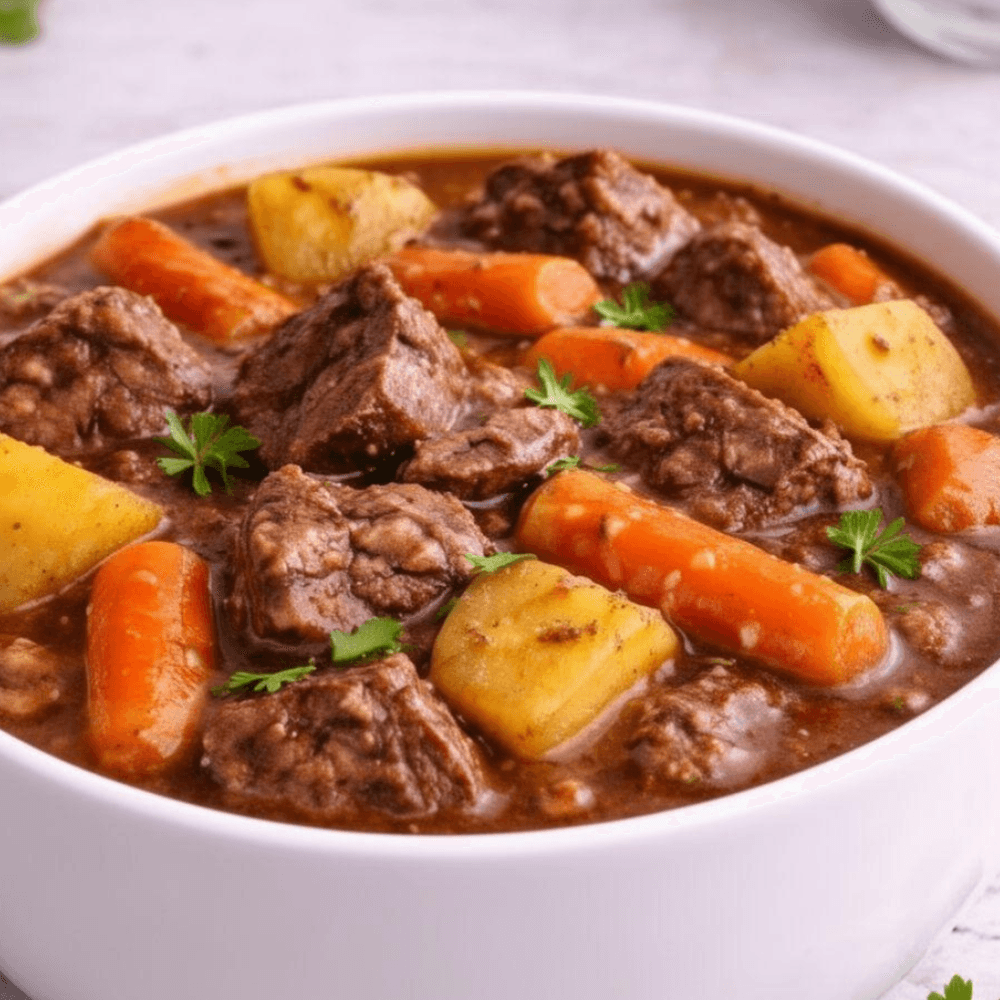
The Ultimate Comfort Classic: Homemade Beef Stew Recipe
There’s something uniquely heartwarming about a pot of deeply flavorful stew simmering on the stove, filling your home with an irresistible aroma. It’s the quintessential definition of homestyle comfort food, a dish that transcends seasons but truly shines when the chill sets in. For generations, a well-made beef stew has been the centerpiece of nourishing family dinners, bringing loved ones together around a table laden with simple, honest goodness. Today, we’re diving into the secrets of creating the perfect Beef Stew Recipe, a timeless classic that promises to become a cherished tradition in your own home.
Introduction to Homestyle Comfort Food
The tradition of gathering around the dinner table is one that many of us hold dear, a time for sharing stories, laughter, and, most importantly, delicious food. In an increasingly fast-paced world, these moments of connection are more precious than ever. A slow-cooked meal, prepared with care, embodies this sentiment perfectly. Stews, in particular, are the ultimate cold-weather meal, offering warmth from the inside out and a sense of profound contentment that few other dishes can match. They are a culinary hug in a bowl, a testament to the power of simple ingredients transformed into something extraordinary.
Why This Classic Beef Stew is a Family Favorite
Our classic beef stew isn’t just a meal; it’s an experience. It’s the kind of dish that makes everyone feel cherished and well-fed, a true testament to the power of a good, hearty meal. This particular Beef Stew Recipe stands out as a family favorite for several compelling reasons:
- One-Pot Convenience: We all love a meal that minimizes cleanup, and this stew delivers. Most of the magic happens in a single pot, often a sturdy Dutch oven stew, making it ideal for busy weeknights or relaxed weekends. This means less scrubbing and more time enjoying your company.
- Filling, Hearty Ingredients Without the Fuss: This recipe focuses on wholesome, readily available ingredients that pack a punch in flavor and nutrition. You don’t need exotic spices or complex techniques to achieve a deeply satisfying meal. The beauty lies in the quality of the core components and the slow process that coaxes out their best.
- Budget-Friendly Meal Prep: Beef stew is remarkably economical. Cuts of meat that are perfect for stewing are often more affordable, and the addition of vegetables and a rich broth stretches the meal to feed a crowd. It’s also fantastic for meal prepping, tasting even better the next day, which means fewer cooking sessions and more delicious leftovers.
Key Ingredients for the Best Beef Stew
The secret to an unforgettable beef stew lies in selecting the right ingredients. Each component plays a vital role in building the layers of flavor and achieving that coveted tender texture and thick stew gravy.
The Best Cut of Meat for Stewing
For a truly exceptional stew, the choice of meat is paramount. You need a cut that stands up well to long, slow cooking, breaking down into succulent, fork-tender morsels.
- Why Beef Chuck Roast is Ideal: Our top recommendation is beef chuck roast, specifically boneless chuck. This cut, sourced from the shoulder, is rich in connective tissue which, when slow-simmered, melts into gelatin, enriching the broth and making the meat incredibly tender and juicy. Its marbling also contributes significantly to the overall flavor.
- Alternatives: While chuck roast is king, other suitable cuts include bottom round or even tri-tip, though they might require slightly longer cooking times or result in a slightly leaner stew. Always cut your chosen meat into uniform 1.5 to 2-inch pieces for even cooking.
Essential Vegetables: Carrots and Potatoes
No hearty beef stew is complete without its traditional vegetable companions, adding sweetness, earthy notes, and a comforting texture.
- Choosing the Right Potatoes: For stew, you want potatoes that will soften beautifully without completely disintegrating. Yukon Gold potatoes are an excellent choice due to their creamy texture and ability to hold their shape relatively well. Russet potatoes can also work, though they might break down a bit more, contributing to the stew’s thickness. Waxy potatoes like red or new potatoes tend to hold their shape best, but their texture is less creamy.
- Prepping Carrots for Slow Cooking: Carrots add a natural sweetness and vibrant color. Cut them into thick, uniform rounds or chunks to ensure they cook through without becoming mushy during the long simmer.
Building a Rich Broth and Gravy
The foundation of any great stew is its broth, which transforms into a velvety, flavorful gravy.
- The Role of Tomato Paste and Flour: Tomato paste adds a deep umami note and a touch of acidity that brightens the overall flavor profile. It’s crucial for balancing the richness of the beef. All-purpose flour (or a gluten-free alternative) is essential for creating the roux that thickens the stew, giving it that classic, comforting body.
- Using High-Quality Beef Broth: Opt for a good quality, low-sodium beef broth or stock. This allows you to control the seasoning and ensures a robust flavor base without excessive saltiness. A homemade beef stock will, of course, yield the most incredible results if you have it on hand.
Step-by-Step Cooking Instructions
Creating a truly magnificent beef stew involves a series of intentional steps, each building upon the last to develop complex, delicious flavors.
The Importance of Browning the Beef
This initial step is non-negotiable for a deeply flavorful stew.
- Creating Flavor Through the Maillard Reaction: Browning the meat creates the Maillard reaction, a chemical process that results in hundreds of new flavor compounds, giving the beef a rich, savory, and complex taste. This crust is where a huge amount of flavor comes from, which will then infuse into your stew.
- Why You Must Brown in Batches: Overcrowding the pot lowers the temperature, steaming the meat instead of browning it. Work in small batches, ensuring each piece has space to develop a beautiful, deep brown crust on all sides. Remove browned beef to a plate and set aside.
Sautéing the Aromatics
After the beef is browned, the pot holds a treasure trove of flavor in the form of browned bits. These are crucial for the next step.
- Onions, Garlic, and Unlocking Deeper Flavors: Add chopped onions to the pot, scraping up any browned bits from the bottom as they soften. Once translucent, add minced garlic and cook for just a minute until fragrant. These aromatics form the next layer of your stew’s flavor foundation, providing depth and warmth.
- Next, stir in the tomato paste and flour, cooking for a couple of minutes to toast the flour and deepen the flavor of the tomato paste. This creates a roux that will thicken your stew.
Simmering to Perfection
This is where patience pays off, transforming simple ingredients into a tender, luscious meal.
- Temperature Control for Tender Meat: Return the browned beef to the pot, then pour in the beef broth. Bring the liquid to a gentle simmer, then reduce the heat to low, cover, and let it cook. The key is a gentle, steady simmer – not a rolling boil – to ensure the meat slowly becomes fall-apart tender. This slow-simmered beef process can take 2-3 hours.
- Timing the Addition of the Root Vegetables: Add your chopped carrots and potatoes during the last 45-60 minutes of cooking. This prevents them from becoming mushy and ensures they are perfectly tender when the beef is ready. Season generously with salt and black pepper to taste.
Pro Cooking Tips for Success
Even seasoned cooks can benefit from a few expert tricks to elevate their stew game. These tips will help you achieve consistent, delicious results every time.
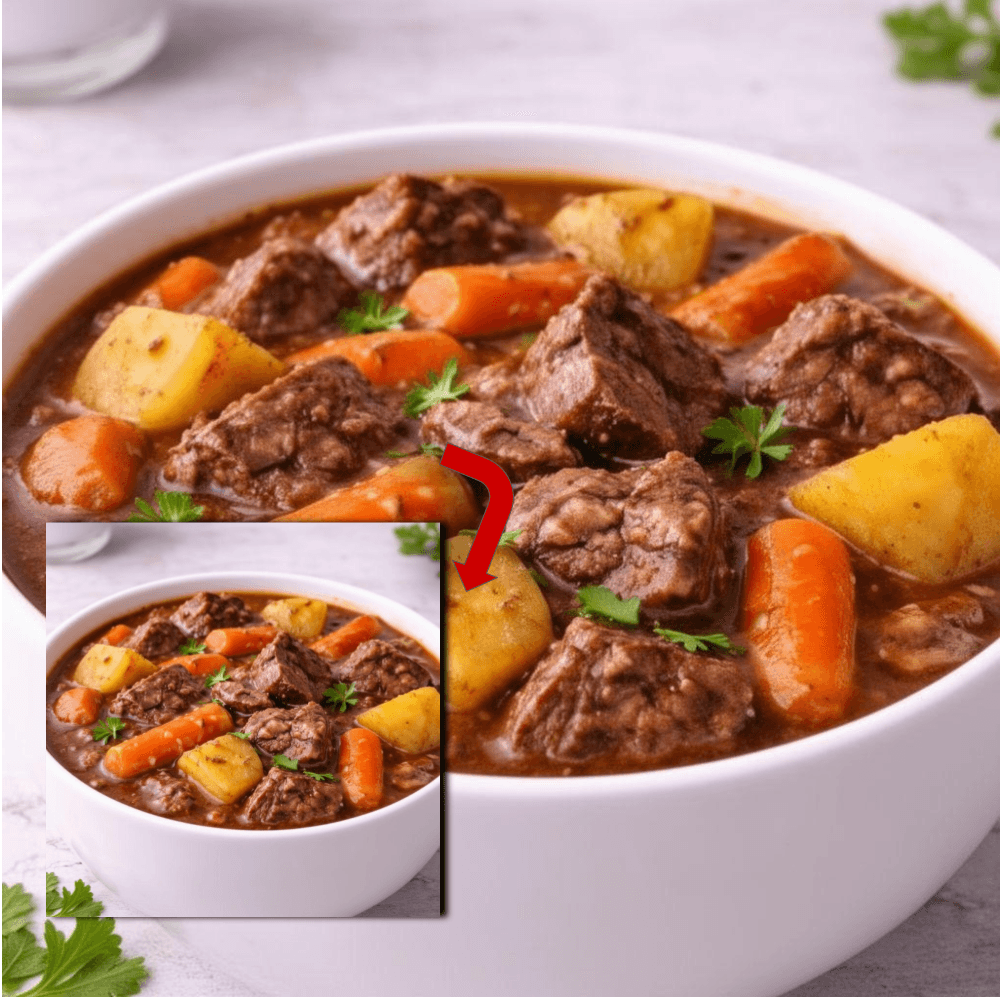
How to Thicken Your Stew Gravy
A perfectly thick stew gravy is a hallmark of a great beef stew. If your stew isn’t quite as thick as you’d like, here’s how to fix it:
- Using a Cornstarch or Flour Slurry: Whisk together 1 tablespoon of cornstarch (or flour) with 2 tablespoons of cold water in a small bowl until smooth. Slowly whisk this slurry into the simmering stew, a little at a time, allowing the stew to come back to a gentle simmer between additions. Continue until your desired thickness is reached. Remember, it will thicken more as it cools.
Make-Ahead and Storage Advice
One of the beauties of a hearty beef stew is that it often tastes even better the next day, allowing the flavors to meld and deepen.
- Storing Leftovers in the Fridge: Allow the stew to cool completely before transferring it to airtight containers. It will keep beautifully in the refrigerator for 3-4 days.
- Freezing and Reheating Best Practices: For longer storage, beef stew freezes exceptionally well. Divide cooled stew into freezer-safe containers or heavy-duty freezer bags, leaving some headspace for expansion. It can be frozen for up to 3 months. Thaw overnight in the refrigerator before gently reheating on the stovetop over low heat, adding a splash of broth or water if needed to adjust consistency.
Variations and Customizations
While a classic beef stew is perfect as is, don’t hesitate to personalize it. These variations can add intriguing layers of flavor and adapt the recipe to different cooking methods.
Adding Red Wine or Dark Ale
For an extra layer of complexity and richness, consider incorporating alcohol into your stew.
- Deglazing the Pot for Extra Richness: After sautéing the aromatics and toasting the flour, pour in about 1/2 to 1 cup of dry red wine (like Cabernet Sauvignon or Merlot) or a dark ale. Bring it to a simmer, scraping up all those delicious browned bits from the bottom of the pot. Let it cook for a few minutes until the alcohol smell dissipates and the liquid reduces slightly before adding the beef broth. This step adds incredible depth of flavor.
Slow Cooker and Instant Pot Adaptations
This Beef Stew Recipe is wonderfully versatile and can be adapted for modern kitchen appliances, making it even more convenient.
- Slow Cooker: After browning the beef and sautéing the aromatics on the stovetop (this step is highly recommended for flavor, though optional), combine all ingredients (except the root vegetables) in your slow cooker. Cook on low for 6-8 hours or on high for 3-4 hours. Add the carrots and potatoes during the last 1.5-2 hours of cooking on low, or 1 hour on high.
- Instant Pot: Use the “Sauté” function to brown the beef in batches, then sauté the aromatics. Add the beef, broth, and other ingredients (excluding potatoes and carrots). Secure the lid and cook on “Manual” or “High Pressure” for 30-35 minutes, followed by a 15-minute natural release. Then, manually release any remaining pressure. Stir in the potatoes and carrots, seal, and cook on “Manual” or “High Pressure” for another 8-10 minutes with a quick release. You may need to use a cornstarch slurry to thicken the gravy after cooking.
Frequently Asked Questions (FAQs)
Here are some common questions about making the perfect beef stew:
Can I use frozen vegetables?
Yes, you can use frozen vegetables in your beef stew. However, for best results, we recommend adding them towards the end of the cooking process, during the last 30-45 minutes. This prevents them from becoming overly mushy and helps them retain more of their texture and color. No need to thaw them beforehand; just add them directly to the simmering stew.
Why is my stew meat tough?
Tough stew meat is usually a sign that it hasn’t been cooked long enough or at the right temperature. Beef chuck roast and similar cuts require a long, slow simmer to break down their tough connective tissues into tender, succulent gelatin. If your stew meat is tough, simply continue to simmer it gently, covered, for another hour or two. Ensure the liquid is at a bare simmer, not a vigorous boil, and check periodically until the meat is fork-tender.
What side dishes pair well with beef stew?
A warm, crusty loaf of bread or hearty rolls are classic companions, perfect for soaking up every last drop of the delicious, thick stew gravy. Other excellent choices include creamy mashed potatoes (even if you have potatoes in the stew, extra mashed potatoes are always welcome!), a simple green salad with a vinaigrette to cut through the richness, or even a side of buttered egg noodles. For a rustic touch, consider serving it with cornbread.
Conclusion
There’s a reason this Beef Stew Recipe has endured through generations – it’s a dish that nourishes not just the body, but the soul. This homestyle comfort food, brimming with tender beef chuck roast and rich, savory flavors, offers a timeless warmth that truly defines the essence of one-pot family dinners. Whether you’re making it for a special occasion or a simple weeknight meal, this slow-simmered beef classic promises to deliver profound satisfaction. Gather your loved ones, share a bowl of this magnificent stew, and create new memories around your table. For more delicious recipes and kitchen tips, be sure to follow us on Facebook at Culinary Delights & Home Comforts!
Hearty Homestyle Beef Stew
Ingredients
- 2 lbs Beef chuck roast cut into 1-inch chunks
- 1 tsp Kosher salt plus more to taste
- 1/2 tsp Black pepper freshly ground
- 2 tbsp Olive oil divided
- 1 large Yellow onion chopped
- 3 cloves Garlic minced
- 2 tbsp Tomato paste
- 3 tbsp All-purpose flour
- 4 cups Beef broth low sodium preferred
- 3 large Carrots peeled and cut into 1-inch pieces
- 1.5 lbs Yukon gold potatoes cut into 1-inch cubes
- 2 tbsp Fresh parsley chopped, for garnish
Instructions
- Pat the beef chunks dry with paper towels, then season generously with salt and black pepper.
- Heat 1 tablespoon of olive oil in a large Dutch oven or heavy-bottomed pot over medium-high heat. Brown the beef in batches to avoid overcrowding, turning to sear all sides. Transfer the browned beef to a plate.
- Add the remaining 1 tablespoon of olive oil to the pot. Add the chopped onion and sauté for 4 minutes until softened.
- Stir in the minced garlic and tomato paste, cooking for 1 minute until fragrant.
- Sprinkle the flour over the onions and cook for 1 to 2 minutes, stirring constantly to remove the raw flour taste.
- Gradually whisk in the beef broth, scraping the bottom of the pot to release any browned bits.
- Return the browned beef and its resting juices to the pot. Bring the mixture to a boil, then reduce the heat to low, cover, and simmer for 1 hour.
- Add the chopped carrots and potatoes to the pot. Stir to combine, cover, and simmer for an additional 45 to 60 minutes, or until the beef and vegetables are fork-tender.
- Remove from heat, adjust salt and pepper to taste, and garnish with fresh chopped parsley before serving.
For more daily recipes and tips, follow us on Facebook!
Click here to join our community!