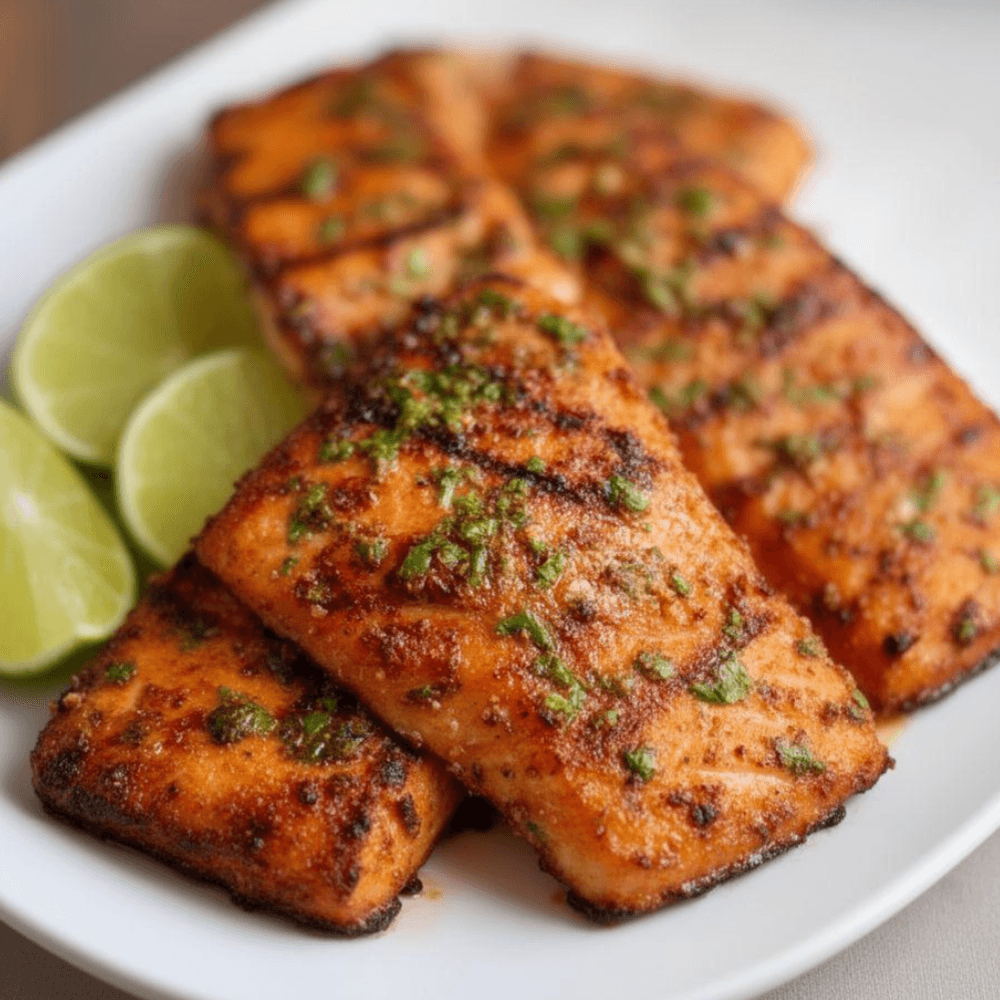
There’s an undeniable magic to the grill, isn’t there? The sizzle, the smoky aroma, the promise of a meal that feels both gourmet and delightfully casual. And when it comes to healthy seafood dishes that truly shine, few can rival the allure of perfectly cooked Grilled Salmon. It’s a culinary experience that elevates any outdoor gathering, transforming a simple fillet into a show-stopping centerpiece. Forget dry, overcooked fish; this isn’t just a recipe, it’s a masterclass in achieving flaky, tender salmon with that coveted shatteringly crispy skin.
This summer, make this your go-to recipe for everything from weeknight dinners to festive backyard cookouts. We’re going beyond basic grilling to unlock the secrets behind that irresistible crisp skin and a vibrant fresh herb marinade. Prepare to impress your taste buds and your guests with the best grilled salmon you’ve ever made.
Choosing the Right Salmon
The foundation of an exceptional grilled salmon dish begins with selecting the right fish. Quality makes all the difference, influencing both flavor and texture.
Wild-caught vs. Farm-raised
- Wild-caught Salmon: Often lauded for its robust flavor and firmer texture, wild-caught salmon (like Alaskan Sockeye or King salmon) typically has a leaner profile due to its active lifestyle. It’s an excellent choice for a rich, authentic taste.
- Farm-raised Salmon: Known for its higher fat content, which contributes to a buttery texture and milder flavor. Farm-raised varieties are often more consistent in size and widely available, making them a convenient option.
While both can be delicious, many chefs and home cooks lean towards wild caught salmon for its superior taste and often better nutritional profile.
King, Sockeye, and Coho Varieties
- King Salmon (Chinook): The largest and most prized variety, known for its rich, buttery flavor and high omega-3 content. It’s incredibly forgiving on the grill due to its fat.
- Sockeye Salmon: Distinctive for its vibrant red-orange flesh and firm texture. Sockeye is leaner than King salmon, offering a more intense, almost gamey flavor. Perfect for those who appreciate a stronger salmon taste.
- Coho Salmon (Silver): A medium-fat salmon with a delicate flavor and firm, orange-red flesh. It’s a versatile choice that holds up well to grilling.
The Importance of Using Skin-on Fillets for Grilling
For grilling, skin-on fillets are non-negotiable, especially when aiming for crispy skin salmon. The skin acts as a natural protective barrier, insulating the delicate flesh from the direct heat of the grill. This helps prevent the salmon from drying out and sticking to the grates. Furthermore, when cooked correctly, the skin renders into a delicious, crunchy layer that adds an incredible textural contrast to the tender fish.
The Secret to Shatteringly Crisp Skin
Achieving truly crispy skin salmon is not rocket science, but it does require attention to a few critical details. Follow these salmon grilling tips for an unforgettable texture.
Patting the Fillets Completely Dry
This is perhaps the most crucial step. Moisture is the enemy of crispiness. Before seasoning or marinating, use paper towels to thoroughly pat both sides of your salmon fillets dry, especially the skin. Get them as dry as possible – imagine blotting them until no more moisture comes off.
Letting the Fish Come to Room Temperature
Remove the salmon from the refrigerator about 15-20 minutes before you plan to grill. Allowing the fish to come closer to room temperature promotes more even cooking throughout the fillet, preventing the outside from overcooking before the inside is done.
Grilling Skin-side Down First
Always start grilling with the skin side down. This allows the skin to crisp up beautifully while protecting the delicate flesh. Most of the cooking time (about 70-80%) should occur on the skin side. This also helps render the fat in the skin, making it extra delicious and crispy.
Managing Grill Temperature and Avoiding Sticking
A properly preheated and oiled grill is essential. Aim for a medium-high heat (around 400-450°F). Make sure your grill grates are clean before you begin. Once hot, oil the grates thoroughly using a paper towel dipped in high-smoke-point oil (like canola or grapeseed) and tongs. This creates a non-stick surface. Resist the urge to move the fish too soon; let the skin develop a crust for 5-7 minutes before attempting to flip. If it’s sticking, it’s not ready to be moved.
Expert Tip: For the ultimate crispy skin, don’t press down on the salmon while it’s cooking. Let the heat do its work naturally.
The Best Grilled Salmon Marinade
A fantastic grilled salmon marinade can elevate the natural flavors of the fish without overpowering it. Our recommended marinade is bright, herbaceous, and perfectly balanced.
Breakdown of the Lime and Herb Flavor Profile
The lime and herb salmon marinade is a celebration of fresh, vibrant flavors that perfectly complement the richness of salmon. It typically includes:
- Fresh Lime Juice: Provides a zesty, acidic brightness that tenderizes the fish slightly and cuts through its richness.
- Fresh Herbs: Dill, parsley, cilantro, or chives are excellent choices. They add aromatic depth and freshness.
- Olive Oil: Helps distribute the flavors, adds moisture, and assists with grilling.
- Garlic: Aromatic foundation that enhances savory notes.
- Salt and Black Pepper: Essential for seasoning.
How Acidity Affects Fish (and Why You Shouldn’t Marinate Too Long)
Acids like lime juice begin to “cook” the fish protein through a process called denaturation. While a short marinade adds flavor and can slightly tenderize, marinating salmon for too long (e.g., more than 30 minutes to an hour for thin fillets, or 1-2 hours for thicker ones) can result in a mushy or “cooked” texture on the surface, which is undesirable for grilling. The goal is flavor infusion, not ceviche.
Alternative Marinade Variations
While the lime and herb salmon marinade is a winner, don’t be afraid to experiment with other flavors:
- Soy-Ginger Marinade: A delicious blend of soy sauce, fresh ginger, garlic, sesame oil, and a touch of honey or maple syrup. Perfect for an umami-rich, Asian-inspired twist.
- Dijon-Maple Marinade: Combines whole grain or Dijon mustard with maple syrup, a splash of apple cider vinegar, and a hint of garlic. This creates a sweet and savory glaze that caramelizes beautifully on the grill.
Step-by-Step Grilling Guide
Mastering how to grill salmon is all about control and technique. Follow these steps for perfectly cooked, juicy fish every time.
1. Prepping and Oiling the Grill Grates
- Clean: Start with clean grill grates. Use a wire brush to remove any residual food particles from previous cooks.
- Heat: Preheat your grill to medium-high heat (around 400-450°F). Let it heat up for at least 10-15 minutes.
- Oil: Once hot, use tongs to hold a paper towel generously soaked in a high-smoke-point oil (like grapeseed, canola, or avocado oil). Carefully wipe down the grill grates several times. This creates a non-stick surface and helps achieve those beautiful grill marks.
2. Two-zone Cooking Setup
For more control, especially with delicate foods like fish, consider a two-zone cooking setup if your grill allows. This means one side of the grill is on high heat (direct heat), and the other side is on low or off (indirect heat). You’ll start the salmon on direct heat for searing and crisping the skin, and then, if needed, you can move it to indirect heat to finish cooking without burning the exterior.
3. Grilling the Salmon
- Place Skin-Side Down: Carefully place the marinated and dried salmon fillets, skin-side down, directly over the medium-high heat.
- Cook Skin-Side: Cook for 5-7 minutes. Do not move the fish during this time. Let the skin crisp up and release naturally from the grates. You’ll see the flesh turn opaque about one-third to halfway up the fillet.
- Flip: Once the skin is crispy and the fish releases easily, carefully flip the salmon using a thin, wide spatula.
- Finish Cooking: Cook for another 3-5 minutes on the flesh side, or until it reaches your desired doneness.
4. Checking for Doneness
The best way to tell if your salmon is done is by using an instant-read thermometer. Insert it into the thickest part of the fillet. You’re aiming for an internal temperature of 125°F – 130°F for medium-rare to medium. The salmon will continue to cook slightly while resting.
Visually, the flesh should flake easily with a fork but still have a slightly translucent center. Overcooked salmon will be dry and chalky.
5. Resting the Fish Before Serving
Just like beef, salmon benefits from a brief rest after cooking. Transfer the grilled salmon to a plate or cutting board and tent it loosely with foil. Let it rest for 5 minutes. This allows the juices to redistribute throughout the fillet, resulting in a more moist and flavorful fish.
What to Serve with Grilled Salmon
Grilled salmon is incredibly versatile, making it a perfect anchor for a variety of summer grilling recipes and healthy seafood dishes.
Grilled Vegetables and Asparagus
Complement the smoky flavors of the salmon with vibrant grilled vegetables. Asparagus, zucchini, bell peppers, and corn on the cob are fantastic choices. Simply toss them with olive oil, salt, and pepper, and grill until tender-crisp.
Light Summer Salads and Grains
- Quinoa Salad: A refreshing quinoa salad with cucumber, cherry tomatoes, feta, and a lemon-dill dressing.
- Caprese Salad: Fresh mozzarella, ripe tomatoes, basil, and a drizzle of balsamic glaze.
- Watermelon Feta Salad: A surprisingly delicious sweet and savory combination.
- Farro or Israeli Couscous: Light grains tossed with herbs and a vinaigrette provide a satisfying base without being too heavy.
Wine Pairings
For the best experience, consider these wine pairings:
- White Wine: Crisp, dry white wines like Sauvignon Blanc, Pinot Grigio, or a light unoaked Chardonnay are excellent choices. Their acidity and bright notes complement the fish without overpowering it.
- Rosé: A dry, fruity rosé, especially from Provence, is a delightful summer pairing that stands up well to the richness of salmon.
- Light-Bodied Red Wine: For those who prefer red, a chilled light-bodied Pinot Noir with its earthy and fruity notes can be a surprisingly good match, especially with fattier salmon varieties.
Frequently Asked Questions
Do you flip salmon on the grill?
Yes, you do flip salmon on the grill, but only once. Start grilling skin-side down for the majority of the cooking time (usually 5-7 minutes) to achieve crispy skin and protect the delicate flesh. Once the skin is crispy and releases easily from the grates, carefully flip the salmon and finish cooking on the flesh side for another 3-5 minutes until it reaches your desired doneness (125-130°F internal temperature).
How do you keep salmon from sticking to the grates?
To keep salmon from sticking to the grates, follow these crucial steps:
- Clean Grates: Start with thoroughly clean grill grates, free of any old food residue.
- Preheat Properly: Get your grill to a medium-high temperature (400-450°F) and let it heat for at least 10-15 minutes.
- Oil Generously: Once hot, use tongs to wipe the grates several times with a paper towel soaked in a high-smoke-point oil (like grapeseed or canola).
- Pat Dry: Ensure your salmon fillets are completely patted dry with paper towels before placing them on the grill.
- Don’t Move Too Soon: Place the salmon skin-side down and resist the urge to move it until the skin has fully crisped and naturally releases from the grates, typically after 5-7 minutes.
Can I use a grill pan indoors?
Yes, you can absolutely use a grill pan indoors to cook salmon. A cast-iron grill pan is ideal for this. Preheat the grill pan over medium-high heat until it’s smoking slightly, then add a high-smoke-point oil. Ensure your salmon fillets are patted dry. Place them skin-side down and cook following the same timing and internal temperature guidelines as you would for an outdoor grill. While it won’t impart the same smoky flavor, you can still achieve delicious, crispy-skinned salmon with prominent grill marks.
Embrace the grill this summer and elevate your cooking with this incredible grilled salmon recipe. It’s truly one of the best summer grilling recipes you’ll discover. For more delicious recipes and cooking tips, make sure to follow us on Facebook: https://www.facebook.com/profile.php?id=61568538666337
Grilled Salmon with Lime and Herbs
Ingredients
- 4 fillets Salmon fillets Skin-on, about 6 oz each
- 2 whole Limes One juiced, one cut into wedges
- 2 tbsp Fresh dill Finely chopped
- 2 tbsp Fresh parsley Finely chopped
- 3 tbsp Olive oil
- 3 cloves Garlic Minced
- 1 tsp Kosher salt
- 1/2 tsp Black pepper Freshly ground
Instructions
- Pat the salmon fillets completely dry with paper towels. Let them sit at room temperature for 15 minutes prior to grilling.
- In a small bowl, whisk together the olive oil, juice of one lime, minced garlic, chopped dill, chopped parsley, kosher salt, and black pepper.
- Lightly brush the flesh side of the salmon with the herb and lime marinade. Avoid getting the skin wet to ensure it crisps properly.
- Preheat your grill to medium-high heat (about 400°F). Clean the grates thoroughly and generously oil them to prevent the fish from sticking.
- Place the salmon fillets on the grill skin-side down. Close the lid and cook undisturbed for 6 to 8 minutes, until the skin is crispy and releases naturally from the grates.
- Gently flip the salmon using a thin spatula and cook the flesh side for 1 to 2 minutes, or until the internal temperature reaches 125°F for medium doneness.
- Remove the salmon from the grill, let it rest for 5 minutes, and serve hot with the remaining lime wedges.
For more daily recipes and tips, follow us on Facebook!
Click here to join our community!