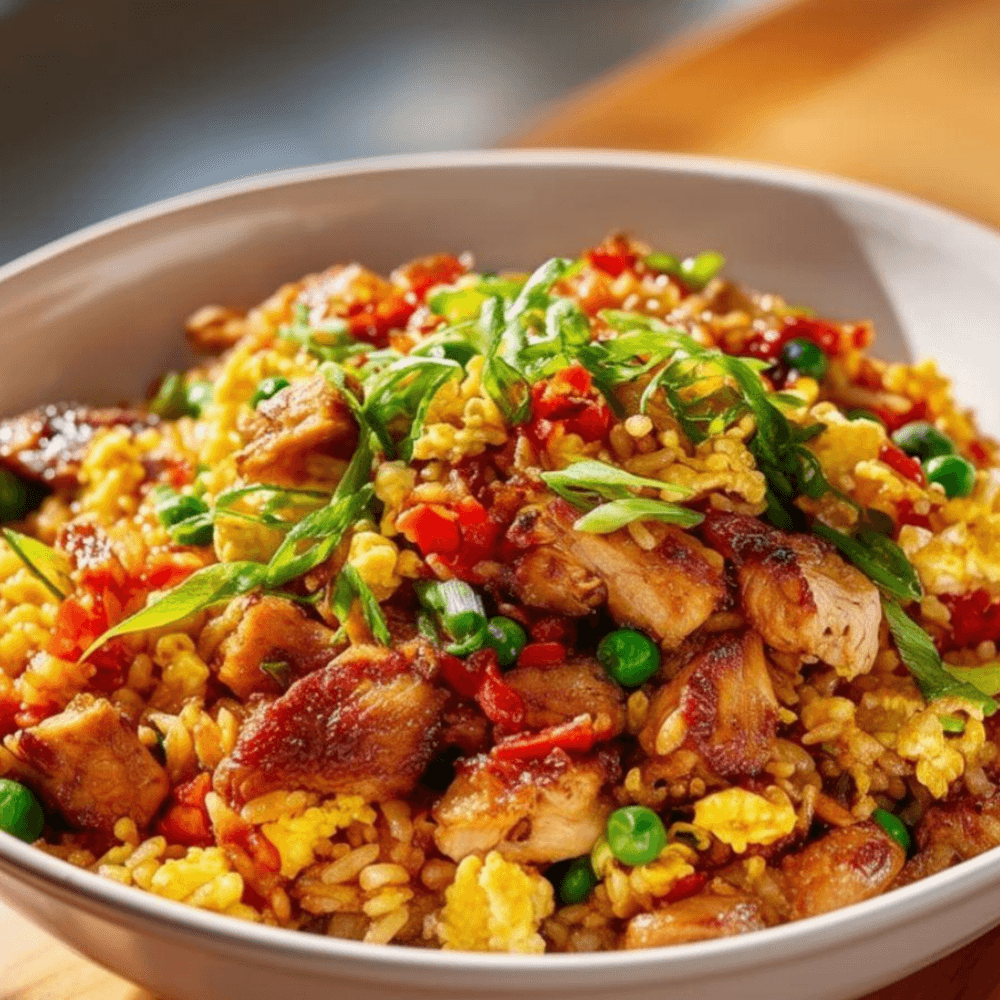
Why Make Chicken Fried Rice at Home?
There’s nothing quite like the savory, satisfying taste of fried rice. Often, our minds immediately go to calling up our favorite local spot for takeout. But what if I told you that mastering the art of homemade fried rice isn’t just possible, but incredibly rewarding? Making your own Chicken Fried Rice at home transforms it from a special treat into an accessible, delicious staple. It’s not just about convenience; it’s about control, flavor, and bringing a little culinary magic into your kitchen.
The Cost Savings of Homemade Takeout
Think about it: a single order of fried rice from your go-to restaurant can cost as much as a full meal’s worth of ingredients from the grocery store. When you prepare it yourself, you can stretch those ingredients across multiple servings, making it an incredibly economical choice for a family dinner or meal prep. Plus, you’re often using staples you already have on hand, like transforming leftover rice recipes, which further cuts down on expense. This truly makes it a fantastic option for a quick weeknight dinner that doesn’t break the bank.
Healthier Ingredients and Portion Control
One of the biggest perks of cooking at home is knowing exactly what goes into your food. Restaurant versions, while delicious, can sometimes be heavy on oil, salt, and less-than-ideal ingredients. When you’re making the best chicken fried rice recipe yourself, you get to choose fresh, high-quality ingredients, control the amount of oil and sodium, and even sneak in extra veggies. This allows for a much healthier meal, tailored to your dietary needs and preferences. Plus, you’re in charge of portion sizes, which is a huge bonus for mindful eating.
The Secret Ingredients for Takeout Flavor
Achieving that authentic takeout style fried rice flavor often feels like a mystery, but it’s simpler than you think. There are a few key elements that elevate homemade fried rice from good to absolutely incredible, making it taste just like your favorite restaurant dish.
The Importance of Using Day-Old Rice
This is arguably the most crucial tip for perfect fried rice. Freshly cooked rice is too moist and will steam rather than fry, resulting in a gummy, clumpy texture.
For truly authentic, non-clumpy fried rice, day-old rice is non-negotiable. Its reduced moisture content allows the grains to separate beautifully and absorb flavors without sticking together.
If you don’t have day-old rice, spread freshly cooked rice on a baking sheet and let it air dry for about an hour, or even pop it in the freezer for 15-20 minutes to quickly dry it out.
The Magic of Butter in Fried Rice
While many Asian recipes use oil, a small pat of butter can be the unexpected fried rice secret ingredient that adds an incredible richness and depth of flavor. It gives the rice a subtle, nutty undertone and a beautiful golden sheen that’s often missing from purely oil-based versions. Don’t go overboard; just a tablespoon or two at the end of cooking can make a world of difference.
Finishing with Toasted Sesame Oil
This is non-negotiable for authentic flavor. Toasted sesame oil has a potent, distinctive aroma and taste that is synonymous with Asian cuisine. It’s a finishing oil, meaning you add it *after* cooking, just before serving, to preserve its delicate flavor profile. A drizzle of soy sauce and sesame oil at the very end ties all the flavors together and provides that unmistakable takeout aroma. Avoid cooking with it over high heat, as it can easily burn and turn bitter.
Essential Ingredients You Will Need
Building your perfect fried rice starts with selecting the right core components. While flexibility is key in cooking, having a good foundation ensures delicious results every time.
Choosing the Right Cut of Chicken
For fried rice, you want chicken that cooks quickly and remains tender. Boneless, skinless chicken thighs are often preferred for their juiciness and flavor, resisting drying out even under high heat. However, boneless, skinless chicken breasts cut into small, bite-sized pieces or thin strips work beautifully too, especially if you prefer a leaner option. Ensure your chicken is cut uniformly for even cooking.
Fresh vs. Frozen Vegetables
Both fresh and frozen vegetables can be used successfully in fried rice. Fresh vegetables like carrots, peas, corn, and bell peppers offer crispness and vibrant color. If using fresh, make sure to chop them into small, uniform pieces so they cook quickly. Frozen mixed vegetables (the kind with peas, carrots, and corn) are incredibly convenient and work wonderfully. Just make sure to thaw them slightly and pat them dry before adding them to the wok to avoid excess moisture, which can make your rice soggy.
Step-by-Step Instructions for Perfect Fried Rice
Let’s get cooking! The key to exceptional fried rice is high heat and quick cooking. Follow these steps for restaurant-quality results in your home kitchen.
Prepping Your Ingredients (Mise en Place)
- Chop Everything: Dice your chicken into ½-inch pieces. Finely chop onions, mince garlic, and slice any other fresh vegetables you’re using.
- Scramble the Eggs: Whisk 2-3 eggs with a pinch of salt and pepper in a small bowl.
- Prepare the Sauce: In another small bowl, whisk together soy sauce, a touch of oyster sauce (optional, but highly recommended for depth), a dash of sugar, and a bit of white pepper. This is your flavorful liquid gold!
- Have Rice Ready: Ensure your day-old rice is separated and ready to go.
Having all your ingredients prepped and within arm’s reach (this is called mise en place) is critical when incorporating wok cooking tips. Fried rice cooks very fast, and you won’t have time to chop mid-stir-fry.
Cooking the Chicken to Perfection
Heat a large wok or skillet over high heat until it’s smoking slightly. Add a tablespoon of high-heat cooking oil (like peanut, grapeseed, or canola). Add your diced chicken and spread it in a single layer. Let it sear for 1-2 minutes without stirring to get a nice brown crust. Then, stir-fry until cooked through, about 3-5 minutes. Remove the chicken from the wok and set aside. Don’t overcrowd the pan; cook in batches if necessary.
Scrambling the Eggs
With a clean wok or after quickly wiping it out, add another teaspoon of oil. Pour in your whisked eggs and scramble quickly until just set but still soft. Break them into small pieces. Remove from the wok and set aside with the chicken. This ensures the eggs remain tender and don’t get overcooked and rubbery.
Stir-Frying the Veggies and Rice on High Heat
Add another tablespoon of oil to the screaming hot wok. Add your harder vegetables first (like carrots or broccoli stems) and stir-fry for 1-2 minutes. Then add onions and garlic, cooking until fragrant, about 30 seconds. Next, add your softer vegetables (like peas, corn, or bell peppers) and stir-fry for another minute. Push the vegetables to one side, add your day-old rice to the other side, breaking it up with your spatula. Let the rice heat up for a minute, then combine with the vegetables. Pour your prepared sauce evenly over the rice mixture. Stir-fry vigorously, tossing constantly, for 2-3 minutes, ensuring every grain of rice is coated and heated through. Finally, add the cooked chicken and scrambled eggs back into the wok. Stir to combine and heat through. Remove from heat and drizzle with toasted sesame oil. Serve immediately!
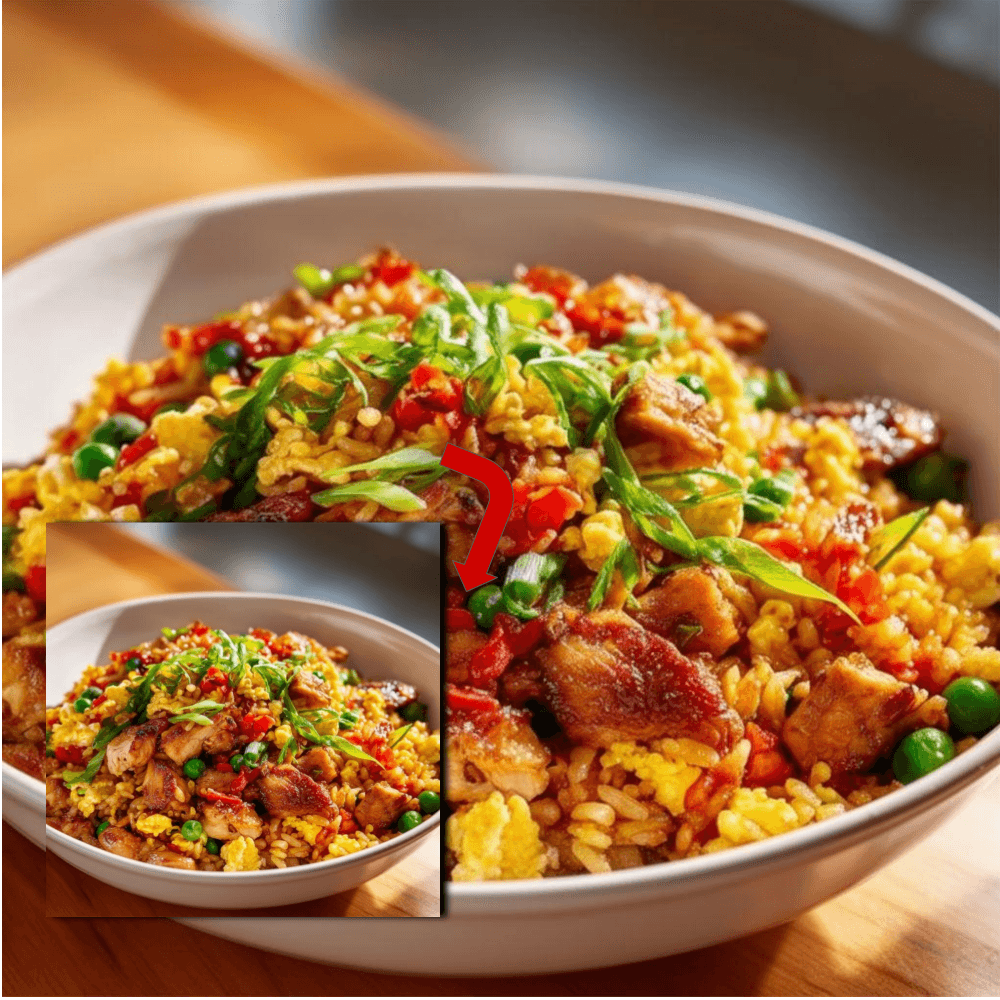
Variations and Custom Add-Ins
The beauty of homemade fried rice is its versatility. Once you’ve mastered the basic technique, you can easily customize it to your heart’s content, making every meal an adventure.
Spicy Chicken Fried Rice
For those who love a kick, transforming your classic fried rice into a spicy sensation is simple. Add a teaspoon or two of chili garlic sauce or sriracha directly to your sauce mixture. Alternatively, you can toss in some finely diced fresh jalapeños or serrano peppers with your vegetables, or sprinkle red pepper flakes during the final stir-fry. A dash of hot oil at the end also works wonders, giving it that vibrant, fiery flavor. This variation makes for an exciting twist on your quick weeknight dinner.
Pineapple Chicken Fried Rice
For a taste of the tropics, consider adding sweet and tangy pineapple. When stir-frying your vegetables, add about half a cup of diced fresh or canned pineapple chunks (drained well) during the last minute of cooking. The sweetness of the pineapple pairs wonderfully with the savory chicken and rice, creating a delightful balance of flavors. A handful of cashews or a sprinkle of fresh cilantro at the end can further enhance this unique and delicious variation.
Pro Tips for Wok Cooking
Wok cooking, or high-heat stir-frying, is a specific technique that yields incredibly flavorful results. Here are some essential wok cooking tips to help you achieve perfection.
Managing Heat for the Perfect Sear
The most important rule of wok cooking is to keep the heat high. A screaming hot wok is crucial for getting that beautiful caramelization and smoky flavor, known as “wok hei.” Always preheat your wok until it just starts to smoke before adding oil. This creates a non-stick surface and ensures your ingredients fry rather than stew. Don’t be afraid of the high flame; it’s your friend in achieving that signature takeout quality.
Why You Shouldn’t Overcrowd the Pan
This tip goes hand-in-hand with managing heat. When you add too many ingredients to your wok at once, the temperature of the pan drops dramatically. Instead of searing, your ingredients will steam, leading to a watery, limp texture and dull flavors. If you have a large quantity of chicken or vegetables, cook them in small batches, removing each batch to a plate before proceeding with the next. This ensures everything cooks evenly and develops that desirable browned exterior.
Frequently Asked Questions (FAQs)
Even with the best instructions, a few common questions pop up when mastering homemade fried rice. Let’s address them directly.
Can I use freshly cooked rice?
While technically possible, it’s generally not recommended for the best results. Freshly cooked rice has a high moisture content, which can lead to a sticky, clumpy, and gummy fried rice. For truly separate, flavorful grains, day-old rice is superior because it has dried out in the refrigerator. If you must use fresh rice, spread it out on a baking sheet and let it cool completely and dry out for at least an hour before using.
What is the best soy sauce to use?
For a balanced and authentic flavor profile, a good quality light soy sauce (also sometimes labeled “all-purpose” or “thin” soy sauce) is your primary choice. Brands like Kikkoman or Lee Kum Kee are excellent. For a richer color and a deeper, slightly sweeter flavor, you can add a touch of dark soy sauce, but use it sparingly as it’s more intense. Avoid using “dark” or “sweet” soy sauce exclusively, as it can be overpowering. A combination of soy sauce and sesame oil is often the ultimate pairing for that authentic taste.
Storage and Reheating Tips
Homemade fried rice makes fantastic leftovers, making it an even better quick weeknight dinner option!
Storage: Allow the fried rice to cool completely before transferring it to an airtight container. Store it in the refrigerator for up to 3-4 days. For longer storage, you can freeze fried rice in freezer-safe containers for up to 1-2 months. Thaw in the refrigerator overnight before reheating.
Reheating: The best way to reheat fried rice is in a wok or large skillet over medium-high heat with a tiny bit of oil. Stir-fry for a few minutes until heated through, breaking up any clumps. You can also microwave it, but it might not retain the same crispy texture. Add a tablespoon of water or broth to prevent it from drying out if microwaving.
Making your own incredible, takeout style fried rice is a culinary adventure worth taking. With these tips and tricks, you’re well on your way to creating the best chicken fried rice recipe right in your own kitchen, impressing friends and family alike. It’s truly one of the most rewarding leftover rice recipes out there!
For more delicious recipes, cooking tips, and behind-the-scenes glimpses into my kitchen, make sure to follow my Facebook page!
https://www.facebook.com/profile.php?id=61568538666337
Easy Chicken Fried Rice
Ingredients
- 3 cups Day-old cooked white rice Chilled
- 1 lb Chicken breast Diced into small pieces
- 3 large Eggs Lightly beaten
- 1/2 cup Frozen green peas Thawed
- 1 medium Red bell pepper Diced
- 4 stalks Green onions Sliced, separate white and green parts
- 3 tbsp Soy sauce Low sodium preferred
- 1 tbsp Toasted sesame oil For finishing
- 2 tbsp Butter Unsalted
- 2 tbsp Vegetable oil Divided
Instructions
- Heat 1 tablespoon of vegetable oil in a large wok or skillet over medium-high heat. Add the diced chicken and cook until browned and cooked through, about 5 to 7 minutes. Remove the chicken from the pan and set aside.
- In the same skillet, pour in the beaten eggs. Scramble them quickly until fully cooked, then remove them from the pan and set aside with the chicken.
- Add the remaining 1 tablespoon of oil to the skillet. Toss in the diced red bell pepper, green peas, and the white parts of the green onions. Stir-fry for 2 to 3 minutes until the vegetables are tender.
- Increase the heat to high. Add the butter and let it melt, then add the chilled day-old rice. Break up any clumps and spread the rice evenly across the pan. Let it cook undisturbed for about 1 minute to develop crispy edges, then stir and repeat.
- Return the cooked chicken and scrambled eggs to the skillet. Pour the soy sauce and toasted sesame oil over the rice. Stir everything together until well combined and heated through.
- Garnish with the green parts of the green onions. Serve hot with fresh cucumber slices on the side.
For more daily recipes and tips, follow us on Facebook!
Click here to join our community!