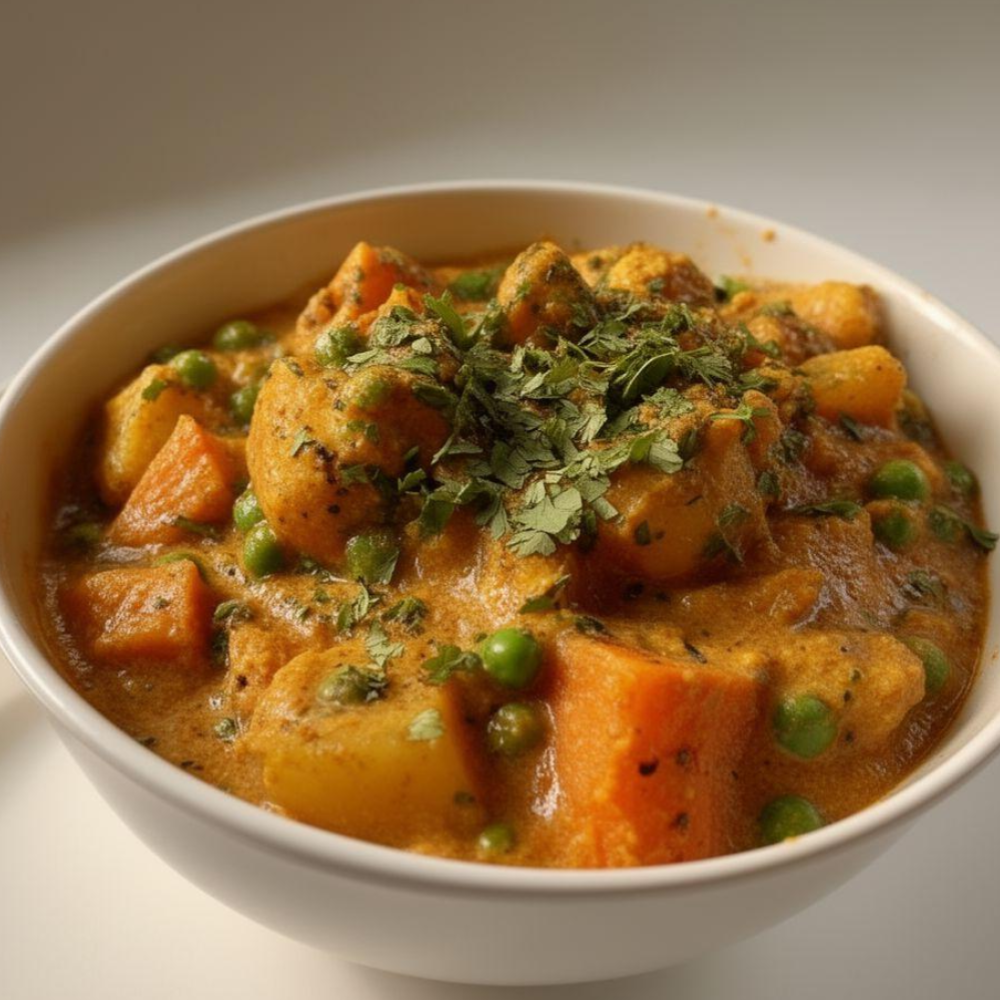
There’s something truly magical about a well-made curry. The way spices meld, vegetables tenderize, and a rich sauce coats every spoonful – it’s pure comfort in a bowl. Today, we’re diving into one of the most beloved and incredibly satisfying dishes from Indian cuisine: the creamy, aromatic, and utterly delightful Vegetable Korma. If you’re looking for a meal that offers both warmth and elegance, this is it. Get ready to transform your kitchen into an Indian restaurant as we craft this culinary masterpiece.
What is Vegetable Korma?
At its heart, korma is a dish with Mughlai origins, known for its rich texture and relatively mild, fragrant spice profile. Unlike some fiery curries, korma focuses on a delicate balance of flavors, often featuring yogurt, cream, nuts, and aromatic spices. Our version, the vibrant Vegetable Korma, is a celebration of garden-fresh goodness simmered in an utterly luscious sauce. It’s a truly exquisite creamy Indian curry that delights the senses without overwhelming the palate.
This particular rendition is designed to be accessible and incredibly flavorful, making it perfect for family dinners or entertaining guests. We’ll be focusing on building a deep, complex flavor profile that hints at a touch of sweetness balanced by savory spices, all enveloped in a sumptuously thick, smooth gravy. Whether you’re a seasoned chef or a home cook eager to explore new flavors, this recipe will guide you to an authentic korma gravy experience that feels both indulgent and wholesome. It’s also easily adaptable to be a fantastic `vegan korma recipe` simply by ensuring plant-based dairy is used throughout.
Ingredients Needed
The beauty of this dish lies in the harmony of its ingredients. While the list might seem long, each component plays a crucial role in building the layered flavors and rich texture that define this exquisite curry.
The Best Vegetables to Use
For a truly spectacular `mixed vegetable curry`, variety is key. You want a combination of textures and colors that stand up well to simmering and absorb the flavors of the gravy. Here are some of our top picks:
- Potatoes: Small new potatoes or chopped Yukon Golds are excellent. They become tender and absorb the sauce beautifully.
- Carrots: Sweet and vibrant, adding a lovely color and natural sweetness.
- Green Beans: Provide a nice crunch and earthy flavor.
- Cauliflower Florets: Their ability to soak up the curry makes them a korma star.
- Green Peas: A pop of sweetness and bright color, best added towards the end.
- Bell Peppers: Red or yellow bell peppers add a subtle sweetness and a beautiful visual contrast.
- Mushrooms: Sliced cremini or button mushrooms can add an umami depth.
Don’t be afraid to mix and match based on what’s in season or what you love! Just ensure your vegetables are cut into roughly uniform, bite-sized pieces for even cooking.
Making the Cashew-Coconut Base
This is where the magic happens, transforming simple ingredients into that signature rich and creamy korma texture. Our `cashew coconut sauce` is the secret to achieving that restaurant-quality silkiness.
- Cashews: Soaked cashews are essential for the creamy, thick consistency and a subtle nutty flavor. They are the backbone of our luscious gravy.
- Coconut Milk or Cream: Full-fat coconut milk or, for an extra indulgent touch, coconut cream, provides depth, richness, and that distinct tropical sweetness that balances the spices.
- Onions, Ginger, Garlic: The aromatic foundation. Freshly minced is non-negotiable for the best flavor.
- Tomatoes: A small amount of tomato paste or pureed tomatoes adds a touch of tang and color to the gravy.
- Whole Spices: Green cardamom pods, cinnamon sticks, cloves, and bay leaves infuse the oil with deep, warm aromas.
- Ground Spices: Turmeric, coriander, cumin, garam masala, and a touch of red chili powder (for a gentle warmth, not heat) are crucial for the authentic korma flavor.
- Yogurt (optional): A spoonful of plain dairy or non-dairy yogurt can add a lovely tang and further thicken the sauce.
- Ghee or Oil: For sautéing and blooming the spices. Ghee adds a traditional, nutty flavor.
Step-by-Step Instructions
Follow these steps carefully to create a sublime Vegetable Korma that will impress everyone at your table.
- Prepare the Cashew Paste: Start by soaking about 1/2 cup of raw cashews in hot water for at least 30 minutes, or cold water for 2-3 hours. Drain them well, then blend with a small amount of fresh water or coconut milk until you have a perfectly smooth, thick paste. Set aside.
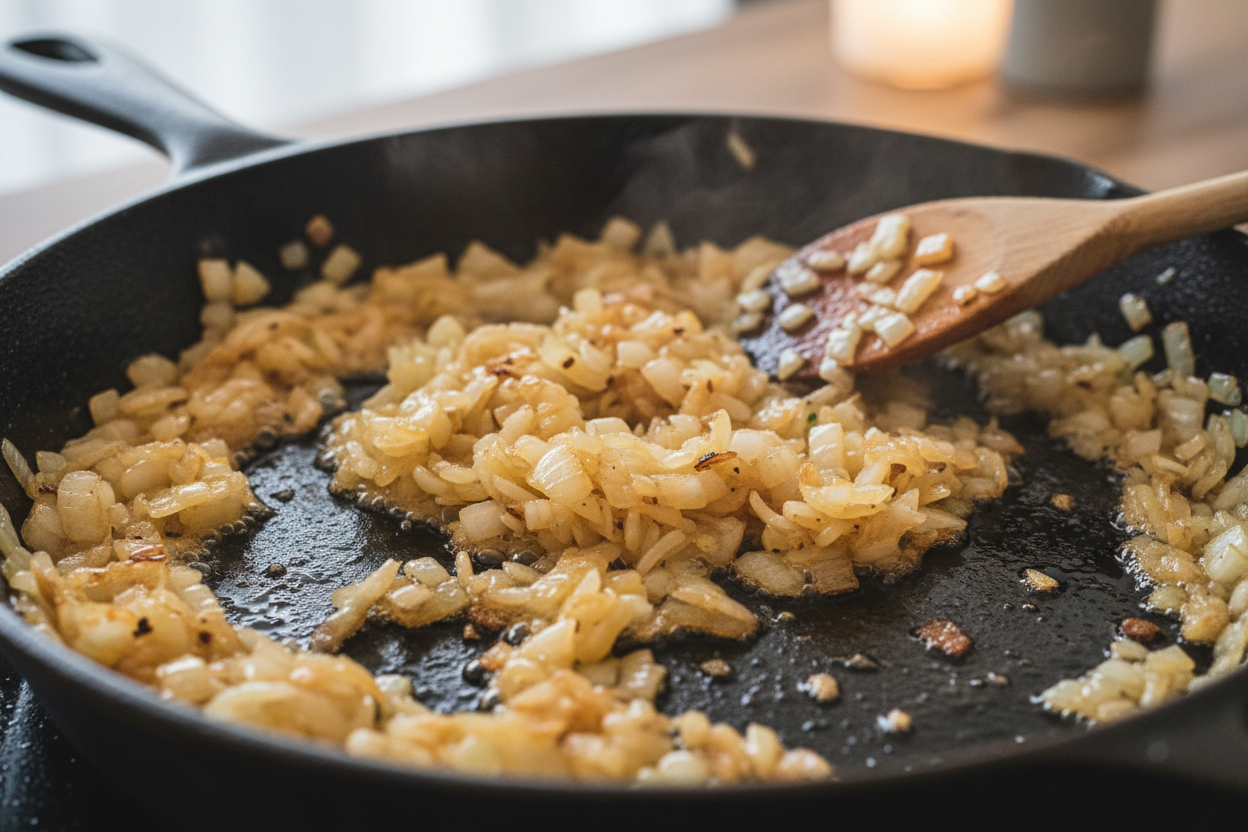
- Sauté Aromatics and Bloom Spices: In a large, heavy-bottomed pot or Dutch oven, heat 2 tablespoons of ghee or oil over medium heat. Add whole spices like 2-3 green cardamom pods, 1 cinnamon stick (1-inch piece), 3-4 cloves, and 1 bay leaf. Sauté for about 30 seconds until fragrant. Then, add 1 large finely chopped onion and cook until golden brown and caramelized, about 8-10 minutes. This step is crucial for depth of flavor.
- Add 1 tablespoon each of minced ginger and garlic. Cook for another minute until fragrant, being careful not to burn.
- Introduce Vegetables and Ground Spices: Add your harder vegetables first: 1 cup diced potatoes, 1 cup chopped carrots, and 1 cup cauliflower florets. Sauté for 5-7 minutes, allowing them to lightly soften and develop some color.

Next, stir in the ground spices: 1 teaspoon turmeric powder, 2 teaspoons coriander powder, 1 teaspoon cumin powder, and 1/2 teaspoon red chili powder (adjust to your heat preference). Cook for 1-2 minutes, stirring constantly, to bloom the spices in the oil. A splash of water can prevent burning.
- Build the Gravy Base: Stir in 2 tablespoons of tomato paste or 1/4 cup of tomato puree. Cook for 2-3 minutes until the raw smell disappears and the tomato darkens slightly. This builds a rich flavor foundation.
- Incorporate Creaminess: Pour in the prepared cashew paste, 1 can (13.5 oz) full-fat coconut milk (or coconut cream for extra richness), and 1 cup of vegetable broth or water. If using, stir in 2 tablespoons of plain yogurt (dairy or non-dairy). Bring the mixture to a gentle simmer, stirring well to combine everything and ensure no lumps from the cashew paste.
- Simmer to Perfection: Reduce the heat to low, cover the pot, and let the curry simmer for 15-20 minutes, or until the vegetables are tender. Stir occasionally to prevent sticking.

Mid-simmer, add softer vegetables like 1 cup green beans and 1/2 cup bell pepper pieces, ensuring they cook through but retain a slight bite. In the last 5 minutes of cooking, stir in 1/2 cup of frozen green peas.
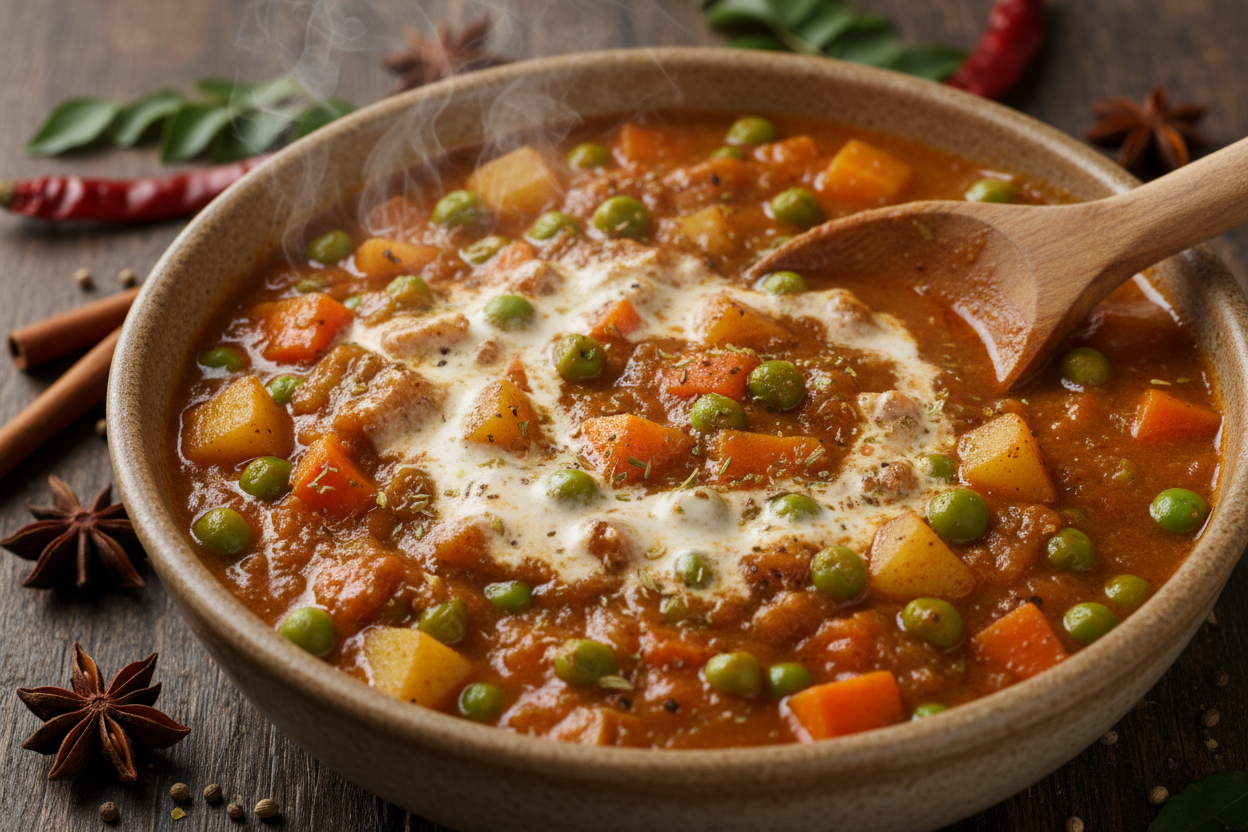
- Finishing Touches: Once the vegetables are tender and the gravy has thickened to your desired consistency, remove the pot from heat. Stir in 1 teaspoon of garam masala, 1/2 teaspoon of sugar (or to taste, to balance the flavors), and salt to taste. Garnish generously with fresh chopped cilantro.
Tips for the Best Korma
Crafting a truly `restaurant style korma` at home isn’t difficult, but a few key techniques can elevate your dish from good to extraordinary:
- Don’t Rush the Onions: Caramelizing the onions properly is the secret to a deep, sweet base. This takes time, but it’s worth every minute for the depth it adds to the `authentic korma gravy`.
- Bloom Your Spices: Gently toasting the whole and ground spices in hot oil awakens their essential oils, releasing their full aromatic potential. Just be careful not to burn them.
- Soak Cashews Thoroughly: For the smoothest, creamiest paste, ensure your cashews are well-soaked and blended until absolutely no grit remains. A powerful blender helps immensely.
- Taste and Adjust: Seasoning is personal. Always taste your curry before serving and adjust salt, sugar, and spices as needed. A squeeze of lemon juice at the end can brighten all the flavors.
- Rest for Flavor Development: Like many stews and curries, korma often tastes even better the next day as the flavors have more time to meld and deepen.
“The secret to an exceptional korma lies not in heat, but in the harmony of its mild, aromatic spices and the luxurious texture of its creamy sauce. Patience in preparation is your most potent ingredient.” – The Korma Connoisseur
Variations and Substitutions
This Vegetable Korma recipe is wonderfully versatile, allowing for many adaptations to suit your dietary needs or flavor preferences.
- Make it Vegan: As mentioned, this recipe is easily a `vegan korma recipe`. Simply ensure you use oil instead of ghee, and if incorporating yogurt, opt for a plain, unsweetened plant-based yogurt.
- Gluten-Free: Good news! This recipe is naturally a `gluten-free Indian dinner`. Just double-check your spices and any broth used to ensure they don’t contain hidden gluten.
- Add Protein: For a heartier meal, consider adding cubes of paneer (Indian cheese), chickpeas, or even firm tofu/tempeh (marinated and pan-fried separately before adding to the curry).
- Spice Level: If you prefer more heat, increase the amount of red chili powder or add a finely minced green chili along with the ginger and garlic. For less heat, omit the chili powder entirely.
- Vegetable Swaps: Feel free to experiment with other vegetables like zucchini, spinach (add at the very end), sweet potatoes, or broccoli. Adjust cooking times accordingly.
What to Serve with Vegetable Korma
A rich, fragrant curry like this deserves worthy companions to complete the meal. Here are some classic pairings:
- Basmati Rice: Fluffy, aromatic basmati rice is the perfect canvas for soaking up every drop of that creamy gravy. Jeera rice (rice flavored with cumin) is another excellent choice.
- Naan Bread: Warm, soft naan bread (plain, garlic, or butter naan) is ideal for scooping up the curry. Roti or chapati also work wonderfully.
- Raita: A cooling side dish made with yogurt, cucumber, and mint helps to balance the richness of the korma.
- Simple Salad: A fresh green salad or kachumber (Indian cucumber-tomato-onion salad) offers a refreshing contrast.
Storing and Reheating
This Vegetable Korma is fantastic for meal prep as it stores and reheats beautifully.
- Refrigeration: Store leftover korma in an airtight container in the refrigerator for up to 3-4 days.
- Freezing: Korma freezes well. Transfer cooled curry to freezer-safe containers and freeze for up to 2-3 months. Thaw overnight in the refrigerator before reheating.
- Reheating: Gently reheat korma on the stovetop over medium-low heat, stirring occasionally, until heated through. You might need to add a splash of water or coconut milk to loosen the gravy if it has thickened too much in the fridge. Avoid high heat to prevent the sauce from breaking.
FAQ
Here are some common questions about making the perfect Vegetable Korma:
Q: Can I make this Korma less rich?
A: Yes, you can reduce the amount of cashews slightly, or use light coconut milk instead of full-fat. You could also increase the vegetable broth to thin the gravy. However, some richness is inherent to korma’s charm!
Q: What if my cashew paste isn’t smooth?
A: A gritty cashew paste can affect the texture of your korma. Ensure cashews are well-soaked, and blend for a longer time, adding a tiny bit more water if needed, until perfectly smooth. A high-speed blender is best for this.
Q: Can I prepare any components in advance?
A: Absolutely! You can chop all your vegetables a day ahead. The cashew paste can also be made and stored in the fridge for a day or two. This makes the cooking process much quicker on the day you plan to serve.
Q: Is korma supposed to be spicy?
A: Traditionally, korma is known for its mild and aromatic flavor profile rather than intense heat. The gentle warmth comes from spices like cardamom and cloves, not necessarily chili. However, you can always adjust the red chili powder to your preference.
We hope this detailed guide helps you create the most incredible Vegetable Korma right in your own kitchen. It’s a dish that truly nourishes the soul, offering a taste of India’s rich culinary heritage.
If you loved this recipe and want to see more delicious, authentic Indian dishes, be sure to follow our journey! You can find us over on Facebook for daily inspiration, tips, and behind-the-scenes glimpses into our kitchen. Come join our community at https://www.facebook.com/profile.php?id=61568538666337. We can’t wait to connect with you!

Creamy Vegetable Korma
Ingredients
- 1 cup Potatoes peeled and diced
- 1/2 cup Carrots peeled and diced
- 1/2 cup Green Peas fresh or frozen
- 1/4 cup Raw Cashews soaked in warm water
- 1/2 cup Coconut Milk full fat recommended
- 1 whole Onion finely chopped
- 1 whole Tomato chopped
- 1 tbsp Ginger-Garlic Paste
- 1 tsp Garam Masala
- 1 tsp Coriander Powder
- 1/4 tsp Turmeric Powder
- 2 tbsp Vegetable Oil
- 1 cup Water
- 1 tsp Salt to taste
- 2 tbsp Fresh Cilantro chopped for garnish
Instructions
- Soak the raw cashews in warm water for 15 minutes, then blend with the coconut milk until perfectly smooth to create the creamy base.
- Heat the vegetable oil in a large heavy-bottomed pan over medium heat. Add the finely chopped onions and saute for 5 to 7 minutes until golden brown.
- Stir in the ginger-garlic paste and chopped tomatoes. Cook until the tomatoes break down completely and the oil begins to separate from the mixture.
- Add the turmeric powder, coriander powder, and garam masala. Stir continuously for 1 minute to lightly toast the spices and release their aroma.
- Add the diced potatoes, carrots, green peas, water, and salt. Bring the mixture to a gentle boil, then cover and simmer for 15 minutes until all vegetables are fork-tender.
- Reduce the heat to low. Stir in the blended cashew-coconut sauce and simmer for an additional 3 to 5 minutes, ensuring it does not come to a hard boil.
- Remove from heat, garnish with fresh chopped cilantro, and serve hot alongside steamed basmati rice or warm naan bread.
For more daily recipes and tips, follow us on Facebook!
Click here to join our community!