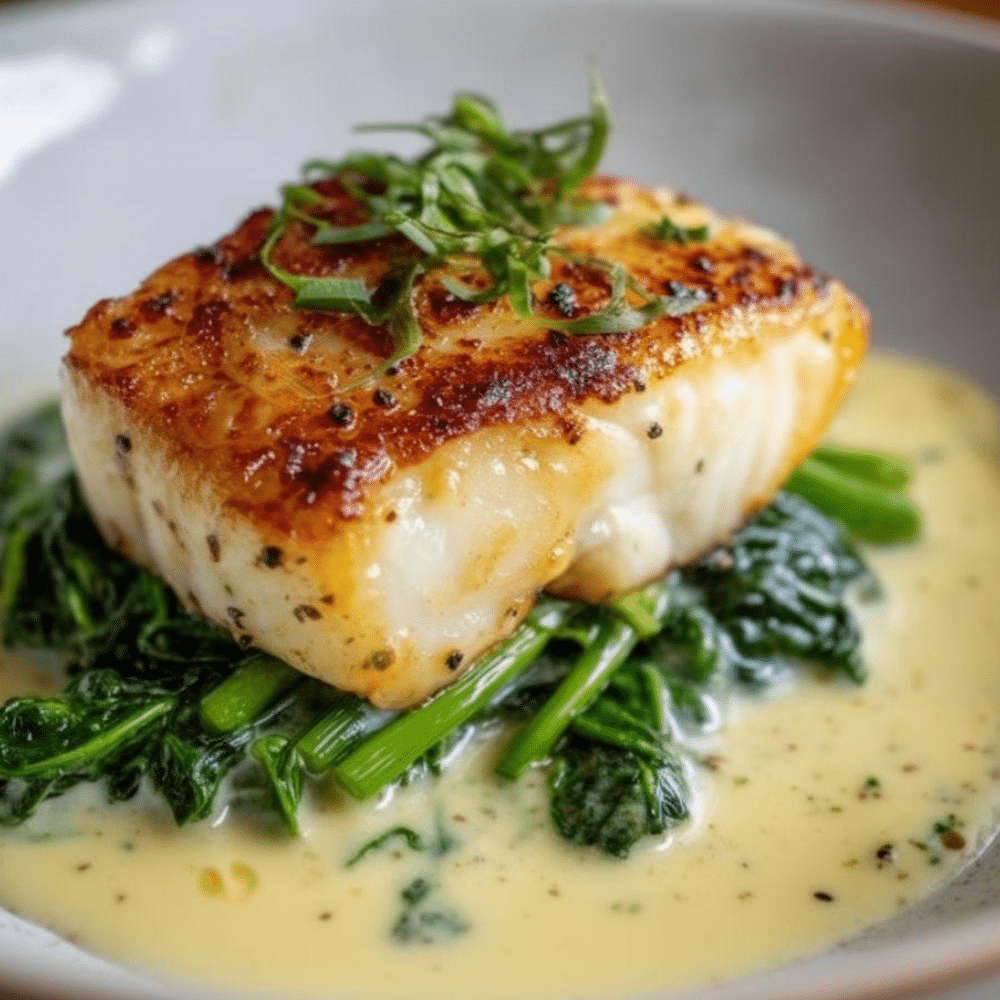
Pan Seared Halibut Recipe
There’s a certain magic that happens when a simple ingredient is elevated to culinary art. For us home cooks, few dishes achieve that restaurant-quality wow factor with as much ease and elegance as perfectly pan seared halibut. This isn’t just a weeknight meal; it’s an experience, transforming a humble piece of fish into a flaky, golden-crusted masterpiece, bathed in a vibrant lemon butter sauce.
Why You Will Love This Recipe
Forget everything you thought about cooking delicate white fish. This recipe is designed for success, even if you’re new to preparing seafood. You’ll love it because it’s:
- Incredibly Flavorful: The rich, meaty texture of the fish is beautifully complemented by a bright, tangy lemon butter sauce (a simplified halibut beurre blanc) that makes every bite sing.
- Quick & Easy: From start to finish, you can have this exquisite seafood dinner recipe on the table in under 30 minutes. It’s truly an easy halibut recipe that delivers big on taste.
- Impressive: Despite its simplicity, the presentation and taste are undeniably sophisticated, perfect for a special occasion or a delightful family meal. You’ll achieve that coveted, flaky white fish texture every time.
Ingredients Needed
Gathering your ingredients is the first step towards culinary triumph. Quality matters, especially when working with fish. Here’s what you’ll need:
- For the Halibut:
- 4 (6-ounce) halibut fillets, skin off
- 2 tablespoons olive oil (or grapeseed oil, for high smoke point)
- 1 tablespoon unsalted butter
- Salt and freshly ground black pepper to taste
- For the Lemon Butter Sauce (Simplified Beurre Blanc):
- 1/4 cup dry white wine (like Sauvignon Blanc or Pinot Grigio)
- 2 tablespoons shallots, finely minced
- 1/2 cup heavy cream
- 1/4 cup fresh lemon juice
- 6 tablespoons cold unsalted butter, cut into 1/2-inch pieces
- 1 tablespoon fresh parsley, chopped (for garnish)
Halibut Selection Tips
The success of your dish hinges on the quality of your fish. When selecting halibut:
- Look for Freshness: Choose fillets that are bright white, firm, and translucent. Avoid any fish that looks dull, opaque, or has a strong “fishy” odor. It should smell like a clean ocean breeze.
- Thickness Matters: Opt for fillets that are at least 1-inch thick. Thicker cuts are less likely to overcook and will give you that beautiful, moist interior while allowing for a golden crust.
- Wild vs. Farmed: While both can be delicious, wild-caught halibut often has a slightly firmer texture and richer flavor profile.
Beurre Blanc Essentials
Our simplified halibut beurre blanc is what truly elevates this dish. Traditionally, beurre blanc is an emulsified butter sauce, but we’re adding a touch of cream for stability and ease, making it more of a lemon cream sauce. The key to a great sauce is fresh ingredients and patience. Using cold butter, gradually whisked in, is crucial for that luxurious, velvety texture.
Step-by-Step Instructions
Let’s dive into the process. The goal is a beautifully seared exterior and a tender, moist interior – the hallmark of perfectly pan seared white fish.
Getting the Perfect Sear
- Prepare the Fish: Pat the halibut fillets thoroughly dry with paper towels. This is a critical step for achieving a proper sear. Season both sides generously with salt and black pepper.
- Heat the Pan: Place a large, heavy-bottomed skillet (cast iron or stainless steel works best) over medium-high heat. Add the olive oil and allow it to shimmer, indicating it’s hot enough.
- Sear the Halibut: Carefully place the halibut fillets into the hot pan, presentation side down. Don’t overcrowd the pan; cook in batches if necessary. Allow the fish to sear undisturbed for 3-4 minutes, until a beautiful golden-brown crust forms.
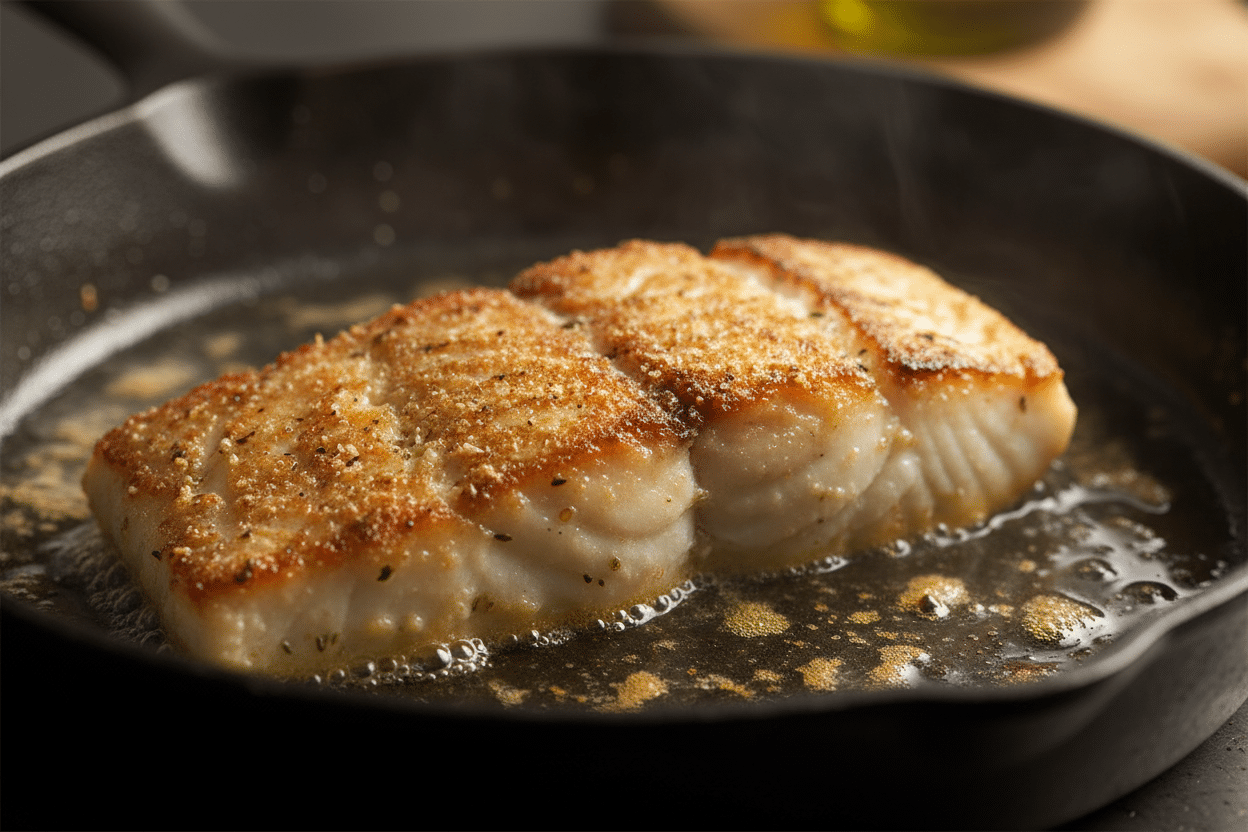
- Flip and Finish: Gently flip the fillets. Add the tablespoon of butter to the pan. Baste the fish with the melting butter as it cooks. Continue to cook for another 3-5 minutes, depending on thickness, until the fish is opaque throughout and flakes easily with a fork. An internal temperature of 135-140°F (57-60°C) is ideal for a moist finish.
- Rest the Fish: Transfer the cooked halibut to a plate and loosely tent with foil. Let it rest for a few minutes while you prepare the sauce. This allows the juices to redistribute, ensuring maximum tenderness.
Making the Lemon Cream Sauce
While your halibut rests, the pan you used for the fish is perfect for starting your flavorful sauce. Don’t wash it!
- Deglaze the Pan: Return the pan to medium heat. Add the minced shallots and cook for 1-2 minutes until softened. Pour in the white wine, scraping up any browned bits from the bottom of the pan with a wooden spoon. Reduce the wine until almost evaporated.
- Add Cream and Lemon: Stir in the heavy cream and lemon juice. Bring the mixture to a gentle simmer and cook for 2-3 minutes, allowing it to slightly thicken.
- Whisk in Butter: Remove the pan from the heat. Gradually whisk in the cold butter pieces, one or two at a time. Whisk constantly until each piece is fully incorporated and the sauce is smooth and glossy. The sauce should be emulsified and creamy, not broken. Season with a pinch of salt if needed.
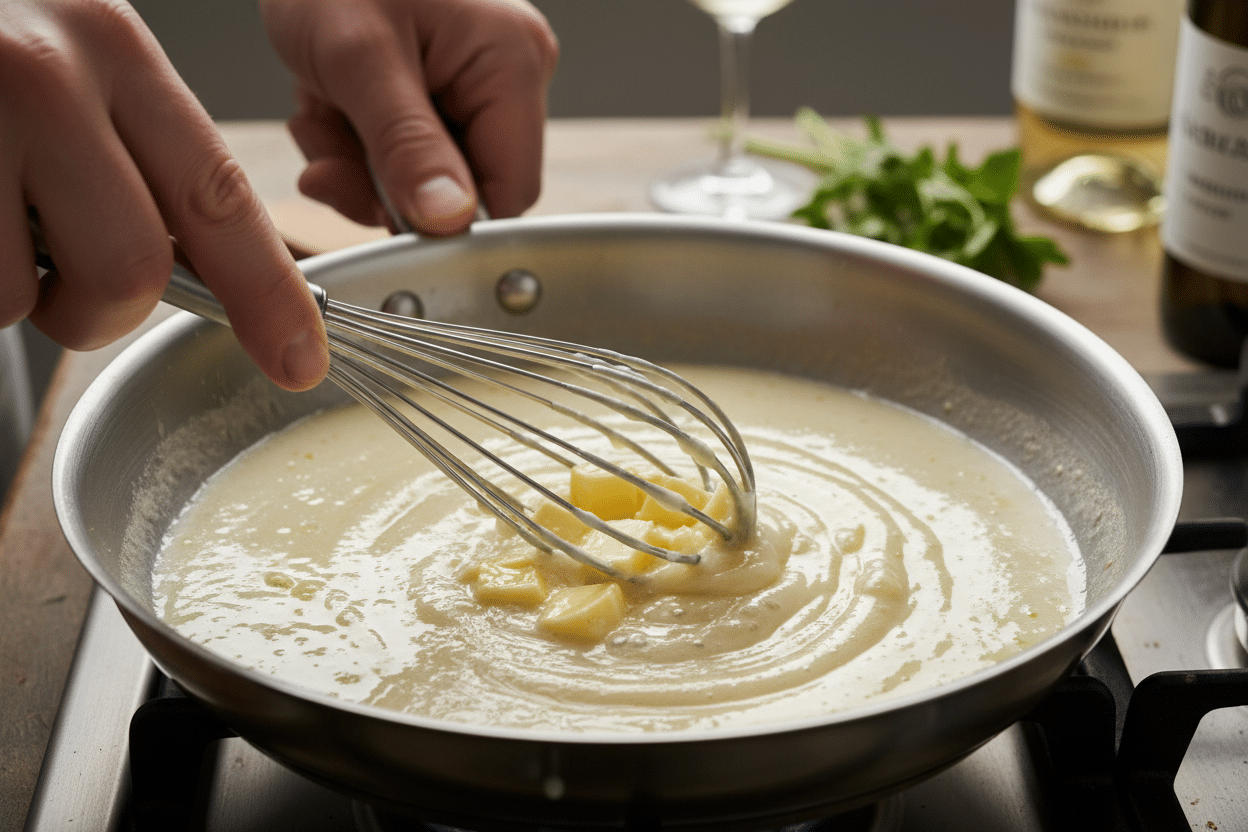
- Serve: Spoon the warm lemon butter sauce generously over the rested halibut fillets. Garnish with fresh chopped parsley.
Expert Tips for Flaky Fish
Achieving perfectly flaky white fish is easier than you think, with a few key techniques:
- Don’t Overcook: This is the golden rule for all cooking white fish. Halibut is lean and will dry out quickly if cooked too long. Pull it off the heat when it’s just opaque in the center. Remember, it will continue to cook slightly from residual heat.
- High Heat, Quick Cook: A hot pan is essential for a beautiful sear and preventing the fish from sticking. Don’t be shy with the heat, but keep an eye on it.
- Even Thickness: If your fillets aren’t uniformly thick, you can gently pound the thicker parts with the flat side of a meat mallet (or a rolling pin) to achieve an even thickness. This ensures consistent cooking.
- Pat Dry, Pat Dry, Pat Dry: We can’t stress this enough. Moisture on the surface of the fish will steam instead of sear, preventing that coveted golden crust.
“The secret to a truly outstanding seared fish is all in the crust. Get your pan hot, dry your fish meticulously, and resist the urge to move it until that golden-brown crust forms. That’s where the magic happens!”
Serving Suggestions
This exquisite pan seared white fish deserves equally delightful companions. Here are some ideas to complete your elegant meal:
- Creamy Risotto: A light lemon risotto or a Parmesan risotto would perfectly complement the fish and sauce.
- Roasted Asparagus: Simple, elegant, and vibrant.
- Herb Roasted Potatoes: Crispy on the outside, fluffy on the inside.
- Crusty Bread: Perfect for soaking up every last drop of that incredible lemon butter sauce.
Sauteed Greens Pairing
For a balanced meal, a side of sautéed greens is a must. Think vibrant and slightly bitter to cut through the richness of the sauce:
- Garlic Spinach: Quickly wilted with a touch of garlic and olive oil.
- Broccolini with Chili Flakes: A little crunch and a subtle kick.
- Swiss Chard: Sautéed with a splash of white wine and a squeeze of lemon.
Storage and Reheating
While this dish is best enjoyed fresh, leftovers can be stored. Place any remaining halibut and sauce in an airtight container in the refrigerator for up to 2 days.
To reheat, gently warm the fish in a skillet over low heat, adding a splash of water or broth to prevent it from drying out. You can also carefully reheat in the microwave on a low setting, but be cautious not to overcook. Reheat the sauce separately on the stovetop over low heat, whisking gently to bring it back together.
Frequently Asked Questions
Q: Can I use a different white fish for this recipe?
A: Absolutely! This technique works beautifully for other firm cooking white fish like cod, sea bass, or snapper. Adjust cooking times slightly based on thickness.
Q: What if I don’t have white wine for the sauce?
A: You can substitute chicken broth or even a splash of good quality vegetable broth, though the wine adds a layer of acidity and complexity that is hard to replicate.
Q: How do I know when the halibut is cooked through?
A: The best way is to use an instant-read thermometer. Halibut is done when it reaches an internal temperature of 135-140°F (57-60°C). Visually, it should be opaque throughout and flake easily with a fork at its thickest part.
Q: Can I make the lemon butter sauce ahead of time?
A: Beurre blanc is best made fresh, as it can separate upon cooling and reheating. However, you can mince your shallots and measure out ingredients ahead of time to streamline the process.
This easy halibut recipe is truly a game-changer, bringing the sophistication of a restaurant-quality halibut dish right into your home kitchen. Enjoy the process, savor the flavors, and impress yourself with your culinary prowess!
For more delicious seafood dinner recipes and cooking inspiration, be sure to follow us on Facebook!
Find us here: https://www.facebook.com/profile.php?id=61568538666337
Pan Seared Halibut with Lemon Beurre Blanc
Ingredients
- 2 pieces Halibut fillets 6 oz each, patted dry
- 1 tsp Kosher salt to taste
- 0.5 tsp Black pepper freshly ground
- 1 tbsp Olive oil for searing
- 4 tbsp Unsalted butter divided, chilled for sauce
- 0.25 cup Dry white wine for sauce
- 2 tbsp Heavy cream for sauce
- 1 tbsp Fresh lemon juice for sauce
- 4 cups Baby spinach for sauteed greens
- 1 tbsp Fresh chives chopped, for garnish
Instructions
- Pat the halibut fillets completely dry with paper towels. Season generously with kosher salt and black pepper.
- Heat olive oil and 1 tablespoon of butter in a large skillet over medium-high heat until shimmering.
- Place the halibut fillets in the pan and sear without moving for 4 minutes until a golden crust forms.
- Flip the fillets carefully and cook for another 2 to 3 minutes until the fish is opaque and easily flakes.
- Remove the fish from the pan and set aside. In the same skillet, add the spinach and saute for 1 minute until wilted, then remove to serving plates.
- Lower the heat to medium-low. Pour in the white wine and lemon juice, scraping up browned bits. Simmer until reduced by half.
- Stir in the heavy cream. Turn heat to low and whisk in the remaining 3 tablespoons of cold butter, one piece at a time, until the sauce is smooth and emulsified.
- Serve the seared halibut over the wilted spinach, drizzle generously with the lemon beurre blanc, and garnish with fresh chives.
For more daily recipes and tips, follow us on Facebook!
Click here to join our community!