Introduction
The Magic of Slow-Cooked Comfort
There are dishes that simply warm the soul, transcending mere sustenance to become a comforting embrace, a culinary memory woven into the fabric of generations. For many across South Asia and beyond, that dish is Paya Curry. It’s not just a meal; it’s an experience, a labour of love that culminates in a rich, gelatinous, and deeply flavourful stew. Imagine a cool evening, the aroma of spices wafting through your home, and the promise of a hearty, nourishing bowl that speaks of tradition and home-cooked goodness. That, my friends, is the magic we’re about to uncover.
What is Paya Curry?
The History and Cultural Roots of Mutton Paya
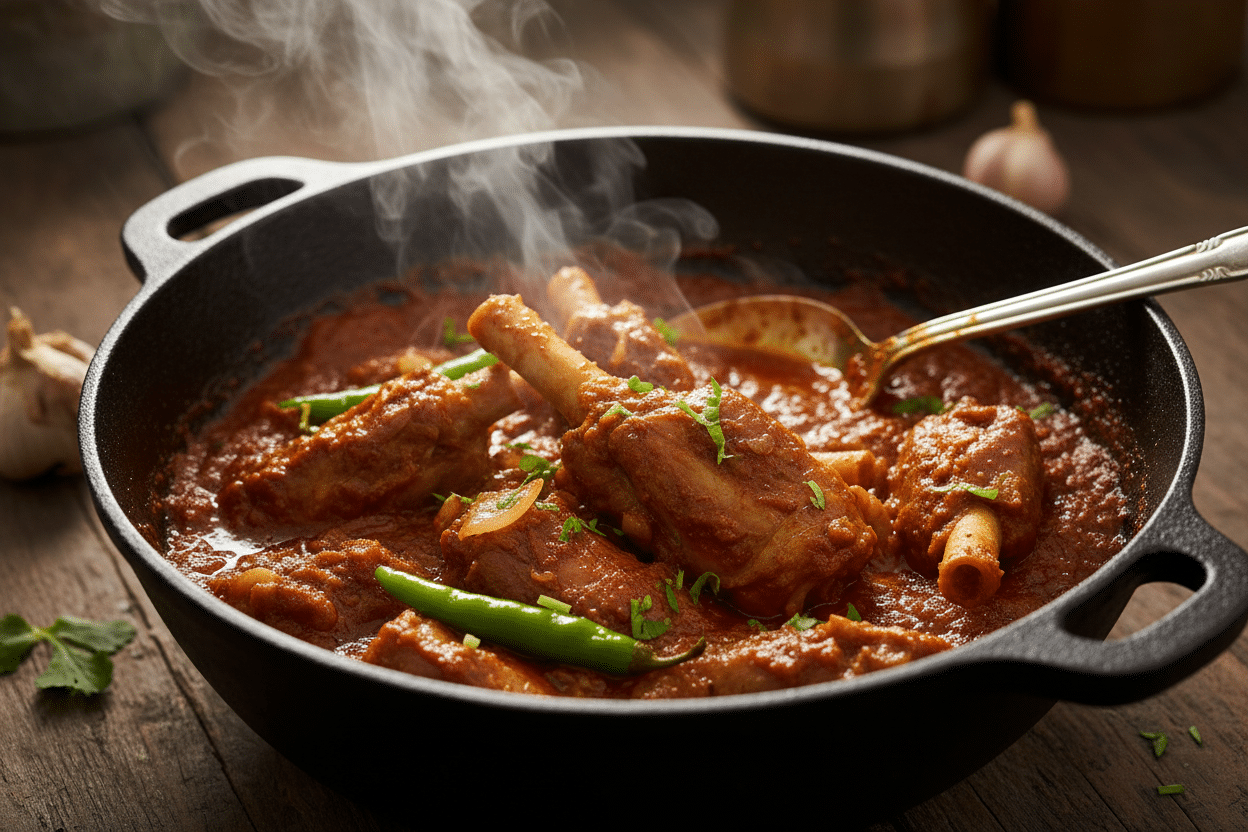
At its heart, paya, meaning “feet” in Urdu and Hindi, refers to the main ingredient: trotters. This beloved South Asian lamb curry is celebrated for its incredibly tender meat and the thick, unctuous gravy that cradles it. Historically, it’s a dish deeply rooted in Mughal cuisine, making its way through the Indian subcontinent and becoming a staple in various regional traditions. From the bustling streets of Lahore to the family kitchens of Hyderabad, mutton paya recipe variations abound, each telling a tale of local spices and cooking methods.
This traditional paya soup, often enjoyed for breakfast with naan or in the evenings as a lavish main course, is prized not only for its flavour but also for its perceived health benefits. It’s a dish that embodies the art of slow cooking, transforming humble lamb trotters into a rich, aromatic delight that nourishes both body and spirit.
Health Benefits of Eating Bone Broth and Trotters
Beyond its incredible taste, there’s a good reason why trotters have been cherished in traditional cuisines for centuries. The slow cooking process extracts an astonishing amount of goodness from the bones and connective tissues, yielding a potent, slow-cooked bone broth. This broth is celebrated for being rich in collagen, gelatin, amino acids, and essential minerals like calcium, magnesium, and phosphorus.
Consuming this nutrient-dense broth can contribute to improved gut health, support joint function, enhance skin elasticity, and even boost the immune system. The gelatin found abundantly in trotters is particularly beneficial for digestive health, helping to soothe and repair the gut lining. So, when you’re indulging in a bowl of this magnificent lamb trotters stew, you’re not just treating your taste buds; you’re providing a wealth of beneficial nutrients to your body.
Essential Ingredients for an Authentic Paya Curry
Selecting the Best Lamb Trotters
The foundation of any great paya dish begins with the quality of your trotters. For the most authentic experience, opt for fresh lamb trotters from a reputable butcher. Look for clean, well-trimmed pieces, ideally from the front feet, as these tend to be meatier. While some butchers sell them pre-cut, asking for them to be cleaned and halved or quartered can save you significant time at home. The rich marrow and connective tissues are what create that signature gelatinous texture, so don’t shy away from pieces with good bone structure.
Spices That Build the Bold Masala
The soul of a spicy trotters gravy lies in its aromatic spice blend. Achieving that depth of flavour requires a thoughtful combination of both whole and ground spices.
- Whole Spices: Bay leaves, cinnamon sticks, green cardamom pods, black cardamom pods, cloves, and black peppercorns form the initial aromatic base.
- Ground Spices: Turmeric powder, red chili powder (Kashmiri for colour, regular for heat), coriander powder, cumin powder, and a touch of garam masala are indispensable. A homemade or good quality paya masala powder can elevate the flavour profile even further, offering a complex blend unique to this dish.
- Aromatics: Fresh ginger and garlic paste are non-negotiable, providing the pungent backbone to the masala. Onions and tomatoes will form the gravy’s body.
- Garnish: Fresh cilantro, green chilies, and a squeeze of lemon juice add freshness and zing at the end.
Step-by-Step Cooking Process
Cleaning and Prepping the Trotters
Proper preparation of the trotters is crucial for a clean and flavourful curry. This step cannot be rushed.
- Thoroughly rinse the lamb trotters under cold running water. Inspect them for any residual hair or impurities.
- If there’s any hair, you can gently singe it off over an open flame (like a gas burner) or carefully scrape it with a knife.
- Once cleaned, blanch the trotters: Place them in a large pot, cover with water, and bring to a rolling boil for 5-7 minutes. This step helps remove impurities and any strong odour.
- Drain the water, rinse the trotters again, and set aside. This careful cleaning ensures a clear, rich broth without any undesirable undertones.
Perfecting the Onion-Tomato Masala
The masala is where the flavour truly develops. This base will hold all the spices and marry them beautifully with the trotters.
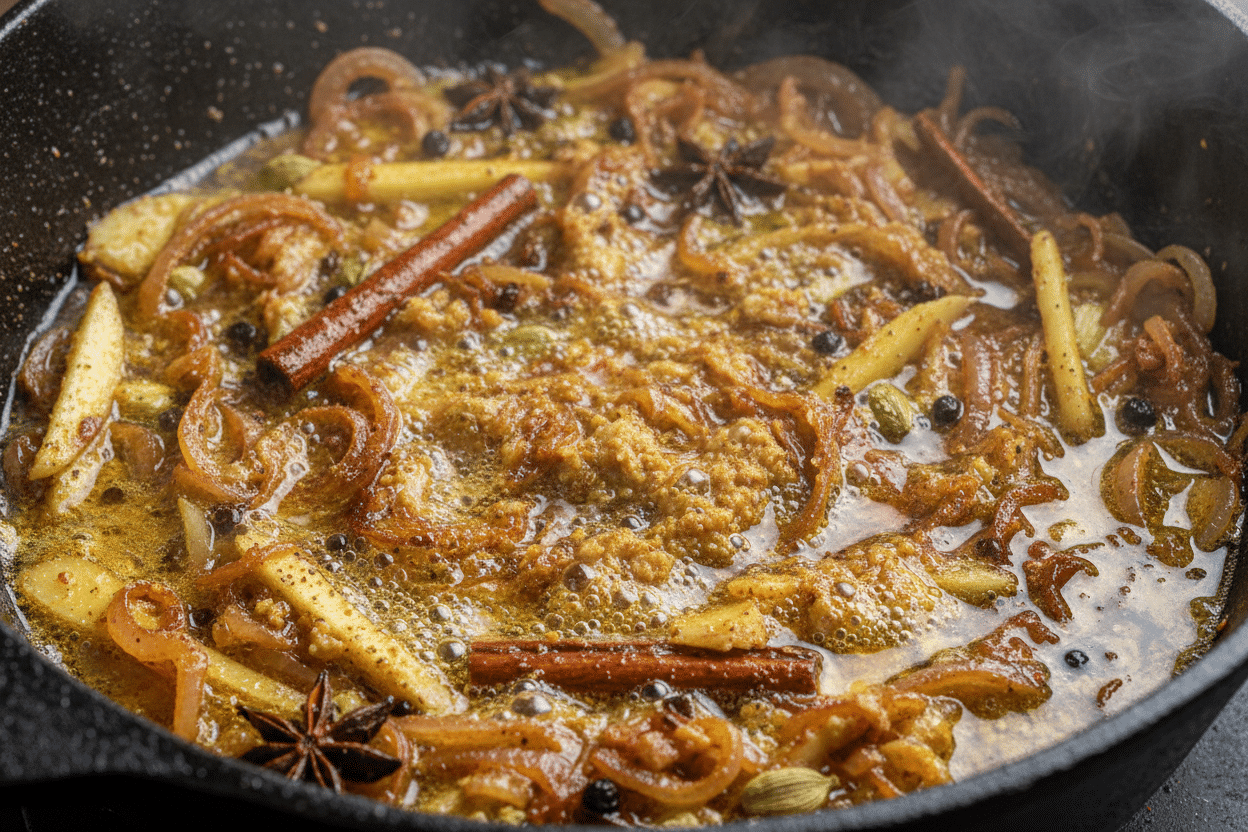
- In a large, heavy-bottomed pot or pressure cooker, heat oil or ghee over medium heat.
- Add the whole spices (bay leaves, cinnamon, cardamom, cloves, peppercorns) and sauté until fragrant, about 30 seconds.
- Add thinly sliced onions and fry them until deep golden brown. This browning is essential for flavour and colour.
- Stir in the ginger-garlic paste and cook for another 2-3 minutes until the raw smell dissipates.
- Add the ground spices (turmeric, red chili, coriander, cumin, paya masala powder if using) and a splash of water to prevent burning. Cook for a minute, stirring constantly, allowing the spices to bloom.
- Add finely chopped or pureed tomatoes. Cook, stirring occasionally, until the tomatoes break down and the oil separates from the masala, indicating it’s well cooked. This can take 10-15 minutes.
The Slow Cooking vs. Pressure Cooker Method
Both methods yield delicious results, but they differ in time and texture.
Slow Cooker Method (Traditional & Highly Recommended)
- Add the cleaned trotters to the prepared masala in the heavy-bottomed pot. Stir well to coat them in the spices.
- Pour in enough hot water to cover the trotters by at least 2-3 inches. Add salt to taste.
- Bring the mixture to a boil, then reduce the heat to very low, cover tightly, and simmer for 4-6 hours. The longer it cooks, the more tender the trotters and richer the broth.
- Check every hour or so, adding more hot water if needed to maintain the liquid level. The goal is for the meat to literally fall off the bone and the gravy to become thick and gelatinous.
Pressure Cooker Method (Faster)
- After preparing the masala and adding the trotters, pour in enough water to just cover the trotters. Add salt.
- Close the pressure cooker and cook on high heat until the first whistle, then reduce heat to medium-low and cook for 45-60 minutes (depending on your cooker and the size of the trotters).
- Allow the pressure to release naturally before opening. The trotters should be fork-tender. If not, cook for another 10-15 minutes.
Regardless of the method, once cooked, the resultant Indian lamb shank curry (or trotters stew) should be rich, fragrant, and incredibly tender.
Expert Tips and Variations
Thickening the Gravy
Sometimes, even after hours of cooking, the gravy might not be as thick as you desire. Here are a couple of tricks:
- Cornstarch Slurry: Mix a tablespoon of cornstarch with a little cold water to form a smooth paste. Stir this into the simmering curry gradually until your desired consistency is reached. Cook for a few more minutes to ensure the cornstarch is cooked through.
- Boiled Potato: For a more traditional approach, mash a small boiled potato and stir it into the gravy. It naturally thickens and adds a subtle richness without altering the flavour too much.
- Reduce: The simplest method is to remove the lid and allow the curry to simmer on low heat, reducing the liquid until it thickens naturally.
Adjusting the Spice Levels
The beauty of home cooking is customizing to your preference:
- For More Heat: Increase the amount of red chili powder or add a few slit green chilies during the last hour of cooking. A pinch of black pepper at the end can also add a subtle kick.
- For Less Heat: Reduce the red chili powder and opt for Kashmiri red chili powder which provides colour with minimal heat. Remove some of the whole green chilies if using.
“The secret to a truly memorable paya lies not just in the ingredients, but in the patience and love you pour into its slow, deliberate cooking. It’s a dish that rewards the wait.”
What to Serve with Paya Curry
This hearty lamb trotters stew is a meal in itself, but it truly shines when paired with the right accompaniments. Traditionally, it’s served with warm, freshly baked naan, tandoori roti, or khamiri roti, perfect for scooping up every drop of that spicy trotters gravy. Steamed basmati rice is another excellent option, soaking up the rich broth beautifully. A side of thinly sliced onions, a sprinkle of fresh cilantro, and a wedge of lemon or lime for a final burst of freshness are customary. Some even enjoy it with a simple salad to cut through the richness.
Frequently Asked Questions (FAQs)
Can I substitute lamb shanks for trotters?
While lamb shanks will give you a delicious, meaty stew, they won’t replicate the unique gelatinous texture and rich bone broth benefits that lamb trotters provide. Lamb shanks offer more meat and less collagen/gelatin, resulting in a different consistency for your Indian lamb shank curry. If you do use shanks, you might need to add some beef bones to achieve a similar broth quality.
How long does paya curry last in the fridge?
When stored in an airtight container, the curry can last safely in the refrigerator for 3-4 days. In fact, like many slow-cooked stews, the flavours often deepen and meld even better on the second day! For longer storage, it freezes exceptionally well for up to 2-3 months. Thaw overnight in the fridge and reheat gently on the stovetop, adding a splash of water if needed to adjust consistency.
Conclusion
Creating an authentic bowl of paya is a journey into the heart of South Asian culinary tradition. It’s a dish that embodies comfort, nourishment, and the profound satisfaction that comes from transforming simple ingredients into something truly extraordinary through patience and passion. Whether you’re preparing it for a special occasion or simply to warm your family on a cold day, the rich aroma and deeply satisfying flavour of this slow-cooked bone broth will undoubtedly leave a lasting impression. So roll up your sleeves, gather your spices, and embark on this delicious adventure. You won’t regret bringing the magic of a traditional paya soup into your kitchen.
For more delicious recipes, cooking tips, and culinary inspiration, be sure to follow our community on Facebook! Find us at: https://www.facebook.com/profile.php?id=61568538666337
Authentic Paya Curry
Ingredients
- 1 kg Lamb trotters Cleaned and singed
- 2 Large onions Thinly sliced
- 2 tbsp Ginger garlic paste
- 1 cup Tomatoes Finely chopped
- 1/4 cup Ghee Can substitute with cooking oil
- 1 tbsp Coriander powder
- 1 tsp Red chili powder
- 1/2 tsp Turmeric powder
- 1 tsp Garam masala
- 3 Green chilies Slit down the middle
- 1/4 cup Fresh cilantro Chopped for garnish
- 6 cups Water
- 1 tbsp Salt Adjust to taste
Instructions
- Thoroughly wash the lamb trotters in warm water. If not pre-singed, roast them gently over an open flame to remove any residual hair.
- In a large heavy-bottomed pot or pressure cooker, heat ghee over medium heat. Add the sliced onions and fry until golden brown.
- Stir in the ginger garlic paste and sauté for 2 to 3 minutes until the raw aroma disappears.
- Add the chopped tomatoes, red chili powder, coriander powder, turmeric powder, and salt. Cook until the oil separates from the masala.
- Add the lamb trotters to the pot and mix well, coating the meat thoroughly in the masala. Sauté for 5 to 7 minutes until the trotters slightly change color.
- Pour in the water and bring to a boil. If using a pressure cooker, cook for 60 to 90 minutes on low heat. If using a standard pot, cover and simmer on low for 3 to 4 hours until the meat is tender and the broth is gelatinous.
- Once the trotters are cooked, sprinkle garam masala and slit green chilies over the curry. Simmer for an additional 5 minutes.
- Garnish with fresh chopped cilantro and serve hot with naan, roti, or steamed rice.
For more daily recipes and tips, follow us on Facebook!
Click here to join our community!