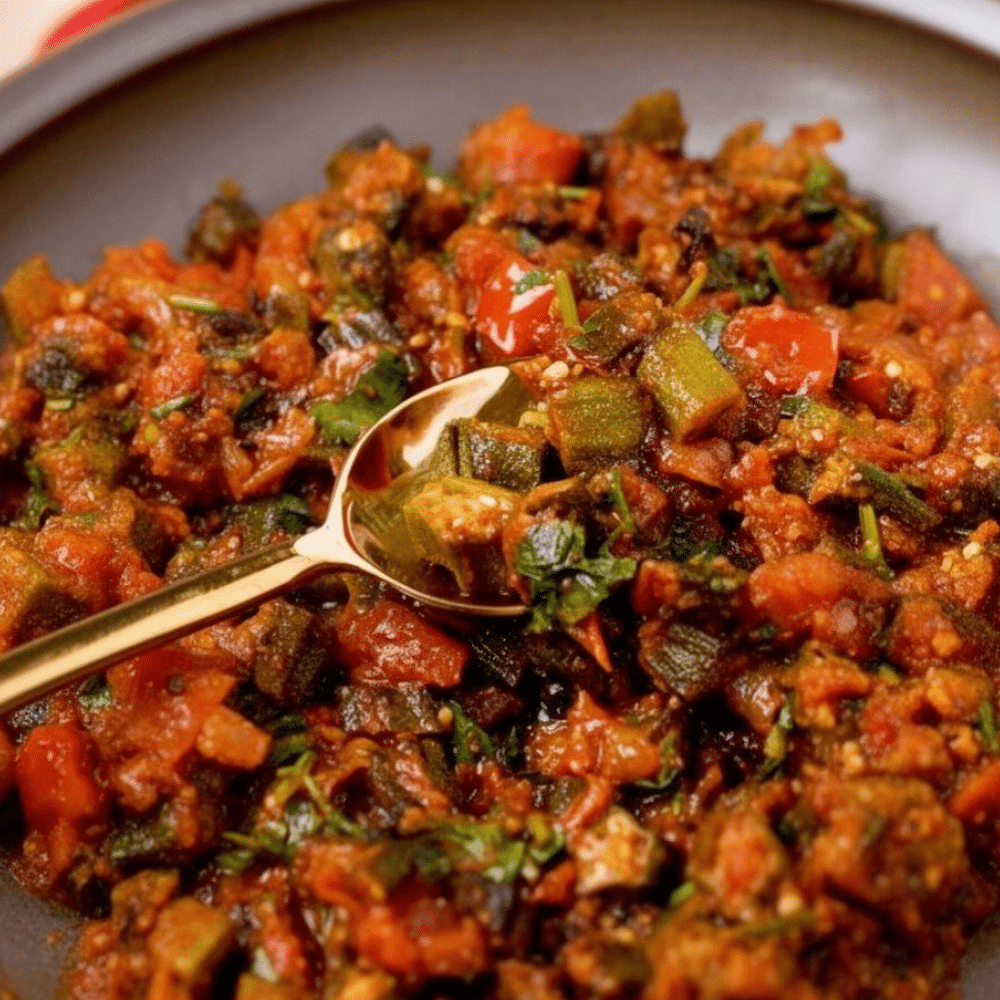
Welcome, fellow food lovers! Today, we’re diving into the vibrant world of Pakistani cuisine with a dish that’s close to many hearts: a truly Authentic Pakistani Bhindi Masala. This isn’t just a simple vegetable dish; it’s a celebration of flavors, textures, and the rich culinary heritage of South Asia.
Often referred to as lady finger masala or a delightful okra curry, this recipe promises to deliver a dish that’s aromatic, perfectly spiced, and, most importantly, completely non-slimy. Forget any past disappointments with gooey okra; we’re about to unlock the secrets to a perfect, Dhaba style bhindi that will have you reaching for seconds.
What is Pakistani Bhindi Masala?
At its core, Pakistani Bhindi Masala is a savory, aromatic stir-fry or curry made from fresh okra (bhindi or lady finger) cooked in a rich, spiced tomato and onion base. It’s a staple in Pakistani households, often served as a main course with flatbreads or as a delightful side dish. The beauty of this dish lies in its simplicity and the depth of flavor achieved through perfectly balanced spices and careful cooking techniques.
While various versions of okra curry exist across South Asia, the Pakistani rendition often features a distinct blend of spices and a cooking method that ensures the okra retains its texture and vibrant green color.
The Cultural Significance of Okra in South Asia
Okra, or bhindi, holds a special place in South Asian cuisine. It’s not just a vegetable; it’s a beloved ingredient that evokes comfort, home, and tradition. From casual family meals to festive gatherings, bhindi makes frequent appearances on dining tables. It’s prized for its unique texture and its ability to absorb the complex flavors of the masala it’s cooked in. Many Pakistani vegetable recipes highlight the versatility of this humble pod, transforming it into everything from crisp fries to rich, saucy curries.
The Secret to Non-Slimy Okra
The biggest hurdle people face when cooking okra is often the dreaded sliminess. But fear not! Achieving a non-slimy bhindi is entirely possible with a few simple, yet crucial, techniques. These steps are fundamental to how to cook okra properly and will elevate your okra curry from good to truly exceptional.
Washing and Drying Techniques
This is where the journey to perfect okra begins. Moisture is the enemy of non-slimy bhindi, so proper washing and, more importantly, drying are paramount.
- Wash Thoroughly: Rinse the okra under cold water to remove any dirt or debris.
- Dry Meticulously: This is the most critical step. After washing, spread the okra in a single layer on a clean kitchen towel or paper towels. Gently pat each pod dry until there is absolutely no visible moisture. You can even let them air dry for an hour or two if you have time. Any residual water will activate the mucilage (the “slime”) when heated.
- Tip: You can also wash and dry your bhindi the night before and leave it on the counter or in the fridge to ensure it’s completely dry.
Shallow Frying vs. Dry Roasting
Once dried, the next step involves pre-cooking the okra to further prevent sliminess and to develop its texture and flavor. There are two main approaches:
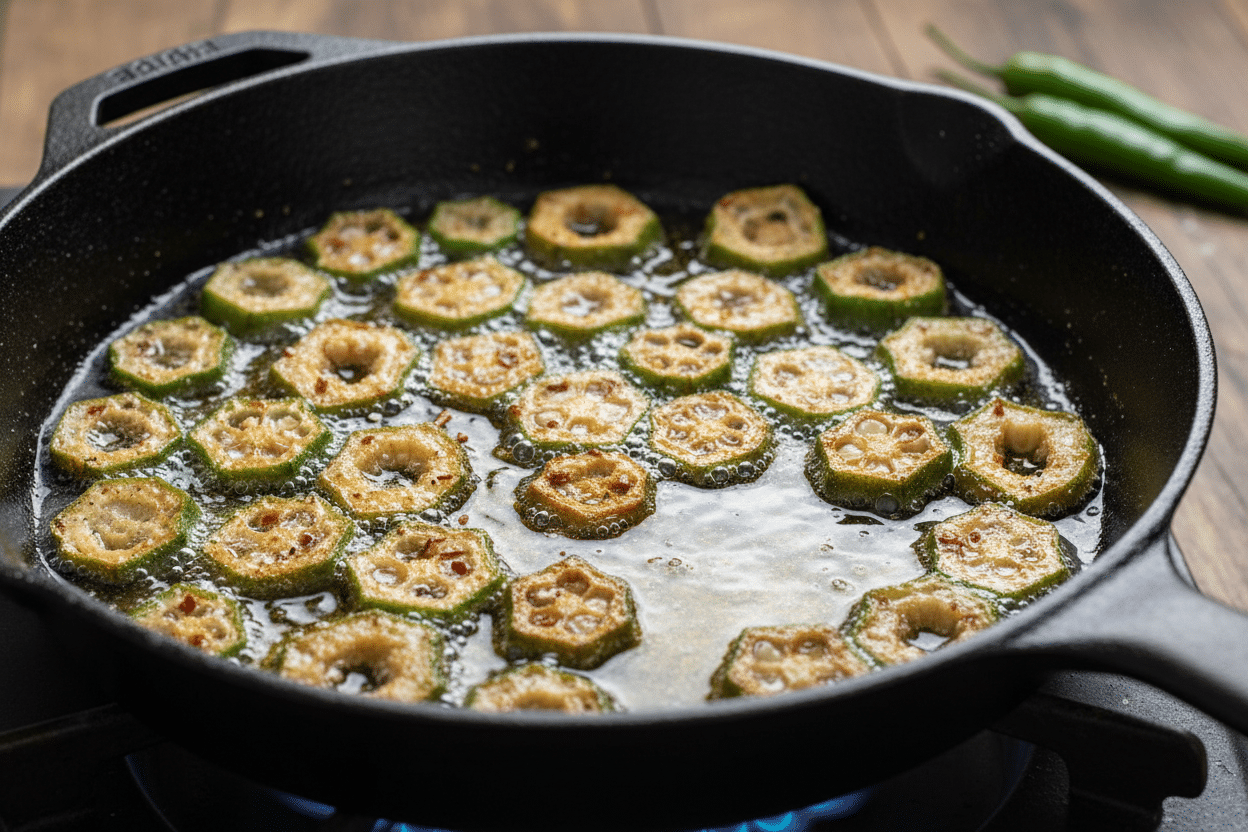
- Shallow Frying (Recommended for Authentic Okra Curry): This is often preferred for pan-fried bhindi. Heat a few tablespoons of oil in a wide pan over medium-high heat. Add the chopped okra (ensure it’s completely dry) and stir-fry for 8-10 minutes until it’s slightly browned, tender-crisp, and most importantly, no longer slimy. Do not overcrowd the pan; cook in batches if necessary. This step seals the cut ends and prevents the release of mucilage.
- Dry Roasting: For a healthier option, you can lightly coat the okra with a tiny bit of oil (just enough to prevent sticking) and roast it in the oven at 375°F (190°C) for 15-20 minutes, flipping halfway, until tender and slightly browned. This also helps to dry out the mucilage.
Chef’s Insight: “The secret weapon against slimy bhindi is patience in drying and confidence in frying. Don’t rush these initial steps, and your okra curry will thank you.”
Key Ingredients for the Perfect Masala Base
The heart of any good Pakistani dish lies in its masala. For this authentic okra curry, we build layers of flavor with fresh ingredients and essential aromatic spices.
Building Flavor with Caramelized Onions and Tomatoes
- Onions: Finely chopped onions are slowly caramelized to a golden brown. This process sweetens them and forms the backbone of the gravy, adding a rich depth of flavor.
- Tomatoes: Fresh, ripe tomatoes, either pureed or finely chopped, provide the tang and body to the masala. They break down during cooking, creating a luscious sauce that coats the okra beautifully.
Essential Spices (Cumin, Coriander, Turmeric)
These three spices are non-negotiable for a balanced and aromatic masala base. They are the soul of many Pakistani vegetable recipes.
- Cumin (Zeera): Both whole and ground cumin are used. Whole cumin seeds are often tempered in hot oil at the beginning to release their earthy aroma, while ground cumin adds a foundational warmth.
- Coriander (Dhania): Ground coriander provides a mild, citrusy, and slightly floral note that beautifully complements the other spices.
- Turmeric (Haldi): This vibrant yellow spice adds color, a subtle earthy flavor, and is known for its health benefits.
- Other Aromatics: Don’t forget fresh ginger and garlic paste, green chilies for heat, and often a pinch of red chili powder for an extra kick. Garam masala, added at the end, provides a final burst of complex, warm flavors, making it truly a Dhaba style bhindi.
Step-by-Step Cooking Guide
Let’s get cooking! Follow these steps to create your perfect lady finger masala.
Prepping the Bhindi
- Wash and Dry: As emphasized, wash your fresh okra thoroughly and dry it completely using a kitchen towel or paper towels. This is crucial for non-slimy bhindi.
- Trim and Chop: Trim the tops and tails of the dried okra pods. You can then chop them into 1-inch pieces, or leave them slightly larger if you prefer.
- Shallow Fry: Heat about 2-3 tablespoons of oil in a large, wide pan or karahi over medium-high heat. Add the chopped bhindi and stir-fry for 8-10 minutes until it’s tender-crisp, lightly browned, and most importantly, no longer slimy. Remove the fried bhindi from the pan and set aside.
Making the Spiced Tomato-Onion Stew
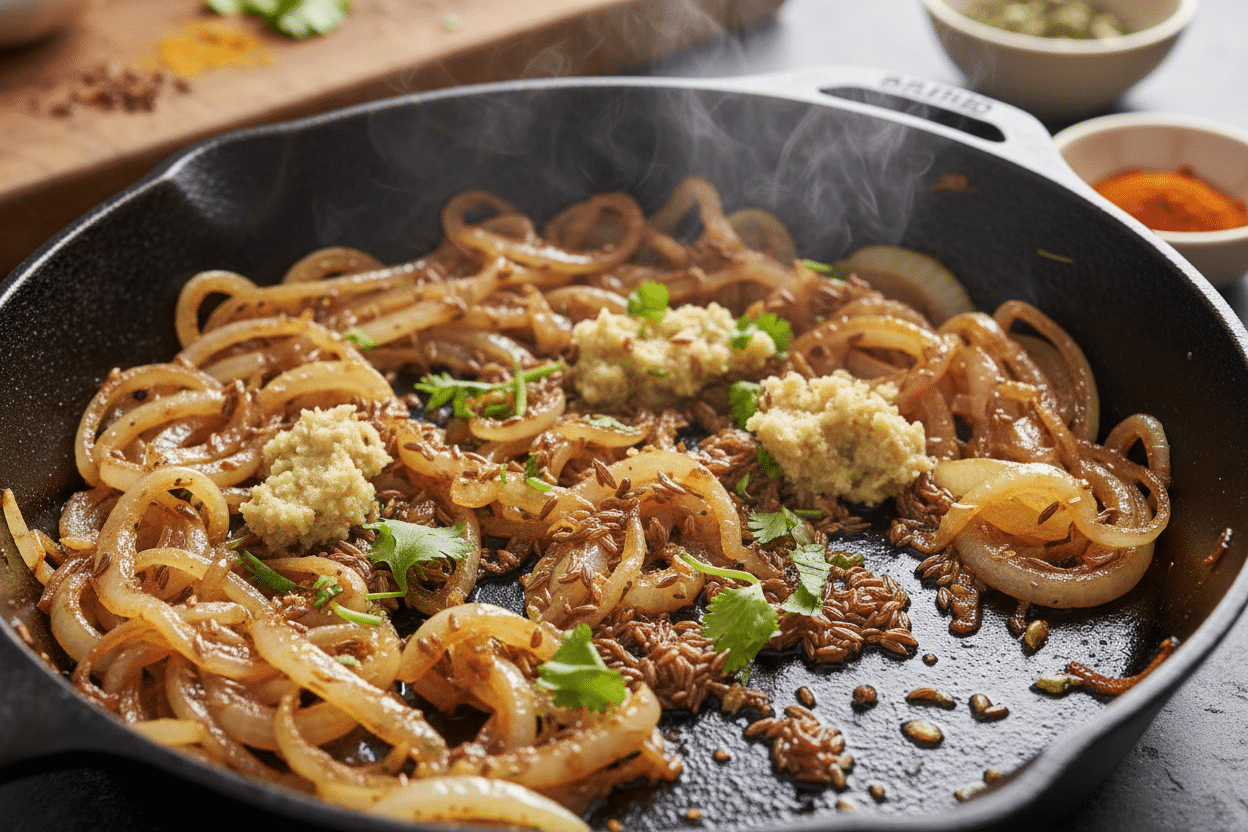
- Sauté Aromatics: In the same pan (add a little more oil if needed), add about 1 teaspoon of whole cumin seeds. Let them splutter. Then add 1 large finely chopped onion and sauté over medium heat until it turns golden brown and caramelized. This might take 8-10 minutes.
- Ginger-Garlic Paste: Add 1 tablespoon of ginger paste and 1 tablespoon of garlic paste. Sauté for another minute until fragrant, ensuring they don’t burn.
- Spices: Stir in 1 teaspoon of ground cumin, 1.5 teaspoons of ground coriander, 1/2 teaspoon of turmeric powder, 1 teaspoon of red chili powder (or to taste), and salt to taste. Sauté for 30 seconds, adding a splash of water if the spices stick to prevent burning.
- Add Tomatoes: Stir in 2 medium tomatoes, finely chopped or pureed. Cook the mixture, stirring occasionally, until the tomatoes soften, break down, and the oil separates from the masala (this indicates the masala is well cooked). This typically takes 7-10 minutes. Add 1-2 chopped green chilies for extra heat.
Combining and Simmering to Perfection
- Combine: Gently fold the previously shallow-fried bhindi into the prepared tomato-onion masala. Mix gently so as not to break the tender okra.
- Simmer: Cover the pan and let the curry simmer on low heat for 5-7 minutes. This allows the bhindi to absorb all the wonderful flavors of the masala. Avoid overcooking, as you want the okra to retain a slight bite.
- Garnish: Garnish with fresh chopped coriander leaves and a sprinkle of garam masala powder for that authentic finish.
Delicious Variations and Add-Ins
While the classic bhindi masala is perfect on its own, you can always customize it to your liking, creating new and exciting flavor profiles for your Pakistani Bhindi Masala.
Adding Tartness: Tamarind or Dried Mango Powder (Amchur)
For an extra layer of tangy complexity, common in many authentic okra curry recipes, consider adding:
- Tamarind Paste: A small amount (1-2 teaspoons) of diluted tamarind paste can be added along with the tomatoes or during the simmering stage. It provides a unique sourness that brightens the dish.
- Dried Mango Powder (Amchur): A pinch (1/2 teaspoon) of amchur powder stirred in at the end offers a lovely, subtle sour note without adding extra liquid. This is a popular secret for many Pakistani vegetable recipes.
Protein Variations: Incorporating Beef or Chicken
While traditionally a vegetarian dish, some households enjoy incorporating protein for a more substantial meal. To do so:
- Beef: You can add small cubes of tender beef to the masala. Brown the beef first, then simmer it with the onion-tomato base until it’s tender before adding the bhindi. This creates a rich, hearty beef and okra curry.
- Chicken: Small pieces of boneless chicken can be cooked in the masala until done. Ensure the chicken is fully cooked before gently stirring in the fried bhindi.
These additions transform the dish, offering a different kind of authentic okra curry experience, yet still retaining the core flavors of the bhindi masala.
What to Serve with Bhindi Masala
A perfectly cooked Pakistani Bhindi Masala deserves equally delicious accompaniments to complete the meal.
Traditional Breads: Roti, Naan, and Paratha
The most classic way to enjoy this Dhaba style bhindi is scooped up with freshly made flatbreads:
- Roti (Chapati): Simple, whole wheat flatbreads are the quintessential pairing, perfect for soaking up the flavorful masala.
- Naan: Soft, leavened bread, often brushed with butter or ghee, adds a touch of indulgence.
- Paratha: Flaky, layered pan-fried bread offers a richer option that complements the curry wonderfully.
Complementary Side Dishes and Chutneys
To round out your meal, consider:
- Plain Rice: While bread is traditional, a side of fluffy Basmati rice can also be delightful.
- Raita: A cooling yogurt dip with cucumber or mint provides a refreshing contrast to the spicy curry.
- Fresh Salad: A simple kachumber salad (diced onions, tomatoes, cucumbers with lemon juice) adds freshness.
- Mango Pickle or Chutney: A tangy or spicy pickle adds an extra punch of flavor.
Storage and Reheating Tips
Leftover Pakistani Bhindi Masala is a treat, and it often tastes even better the next day as the flavors meld.
- Storage: Allow the curry to cool completely. Transfer it to an airtight container and store it in the refrigerator for up to 3-4 days.
- Reheating: Gently reheat on the stovetop over medium-low heat, stirring occasionally, until warmed through. You might need to add a splash of water to prevent it from drying out. Avoid reheating multiple times to maintain texture and flavor.
Frequently Asked Questions (FAQs)
Here are some common questions about how to cook okra and this particular Pakistani delight:
Q: Why is my bhindi still slimy even after frying?
A: The most common reason is insufficient drying. Ensure your okra is *completely* dry after washing. Also, make sure your oil is hot enough during shallow frying, and don’t overcrowd the pan, which can lower the oil temperature.
Q: Can I use frozen okra for this recipe?
A: While fresh okra is highly recommended for the best texture and flavor, you can use frozen okra. Thaw it completely and pat it very dry before shallow frying. The texture might be slightly softer than with fresh bhindi.
Q: What if I don’t have all the spices?
A: Cumin, coriander, and turmeric are essential for this authentic okra curry. While other spices like red chili powder and garam masala enhance the flavor, the core three are crucial. Adjust chili according to your spice preference.
Q: Is this dish naturally vegan?
A: Yes, this traditional Pakistani Bhindi Masala is naturally vegan Pakistani food, as long as it’s cooked without any dairy-based ingredients like ghee (use oil instead). It’s a fantastic plant-based option!
Mastering the art of a perfect Authentic Pakistani Bhindi Masala is a rewarding culinary journey. With these tips and tricks, you’re now equipped to create a delicious, non-slimy okra curry that will impress everyone at your table. Enjoy the process, savor the aromas, and relish every bite of this incredible dish!
Follow us on Facebook for more delicious recipes and cooking tips! Find us at: https://www.facebook.com/profile.php?id=61568538666337
Authentic Pakistani Bhindi Masala
Ingredients
- 1 lb Okra (Bhindi) Washed, completely dried, and sliced into 1/2-inch rounds
- 1/4 cup Neutral cooking oil Divided use
- 1 large Yellow onion Thinly sliced
- 2 medium Tomatoes Finely chopped
- 1 tsp Ginger garlic paste
- 1 tsp Cumin seeds
- 1 tsp Red chili powder
- 1/2 tsp Turmeric powder
- 1 tsp Coriander powder
- 1 tsp Salt
- 2 tbsp Fresh cilantro Chopped, for garnish
Instructions
- Wash the okra thoroughly and pat completely dry with a kitchen towel or paper towels before slicing into half-inch rounds.
- Heat two tablespoons of oil in a wide skillet over medium-high heat. Add the sliced okra and fry for 8 to 10 minutes until lightly browned and the sticky texture has cooked off. Remove the okra using a slotted spoon and set aside.
- In the same skillet, heat the remaining oil over medium heat and add the thinly sliced onions. Fry for 7 to 10 minutes until the edges are golden brown and caramelized.
- Stir in the ginger garlic paste and cumin seeds, cooking for 30 seconds until fragrant.
- Add the chopped tomatoes, red chili powder, turmeric powder, coriander powder, and salt. Cook for 5 to 7 minutes until the tomatoes break down completely and the oil begins to separate from the masala base.
- Return the fried okra to the pan, stirring gently to coat it in the tomato and onion stew. Cover with a lid and simmer on low heat for 5 minutes.
- Remove from heat, garnish with freshly chopped cilantro, and serve hot.
For more daily recipes and tips, follow us on Facebook!
Click here to join our community!