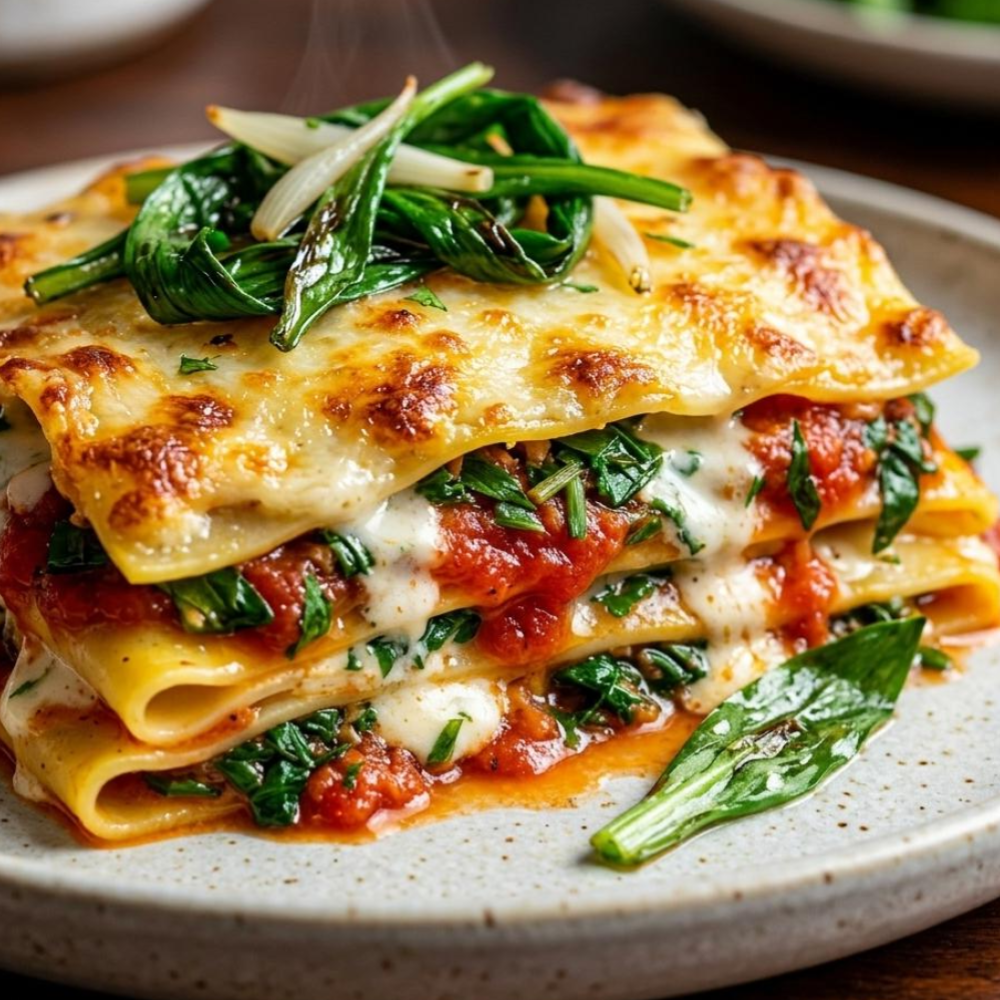
There are few dishes that evoke the warmth and comfort of home quite like a perfectly layered lasagna. And when it comes to elevating this classic, Gordon Ramsay’s approach to creating a truly spectacular beef lasagna is simply unmatched. This isn’t just an ordinary bake; it’s an experience, a true masterpiece of flavors and textures designed to be the ultimate comfort food dinner. Get ready to embark on a culinary journey that will transform your kitchen into an Italian trattoria and your dining table into a feast.
Why This Recipe Works
What makes this particular recipe stand out from the crowd? It’s a symphony of thoughtfully balanced components, each playing a crucial role in creating a lasagna that’s rich, deeply flavorful, and satisfying in every bite.
A Rich, Slow-Simmered Beef Ragù
The heart and soul of any great lasagna is its meat sauce, and our version truly shines. We’re talking about a proper beef ragu, slow-simmered to perfection. This isn’t a quick-fix mince sauce; it’s a labor of love that involves patiently coaxing incredible depth from quality ground beef, aromatic vegetables, rich tomatoes, and a splash of red wine. The long cooking time allows the flavors to meld beautifully, creating a homemade meat sauce that is incredibly tender, savory, and clingy – exactly what you want coating every strand of pasta.
The Creamy Spinach Béchamel Layer
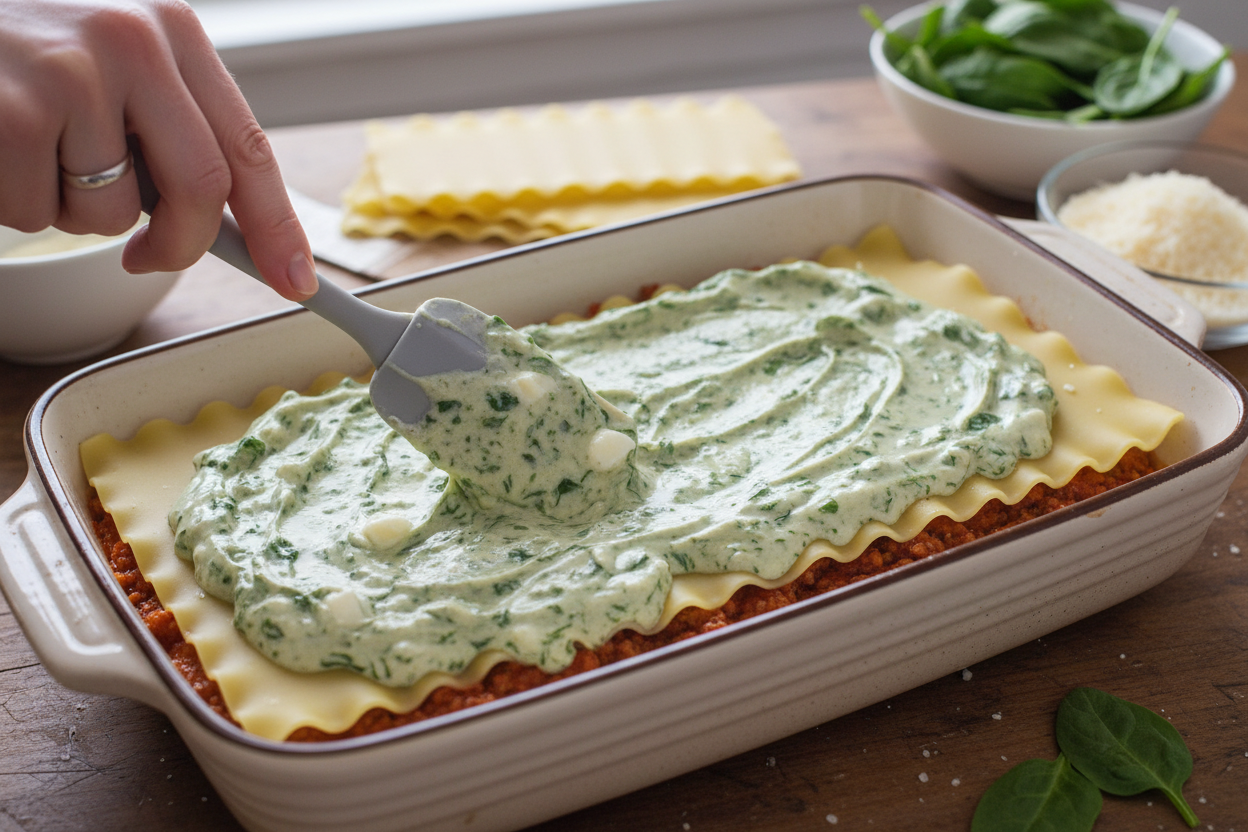
While many lasagnas opt for a simple ricotta mixture, Gordon Ramsay’s recipe often incorporates a luscious béchamel. Here, we take it a step further by infusing that classic béchamel sauce with fresh spinach. This addition not only introduces a delightful hint of freshness and color but also contributes an extra layer of creamy texture that beautifully contrasts with the hearty beef ragù. It’s a silky, luxurious component that binds the dish together and adds an unexpected, elegant twist.
The Perfect Make-Ahead Meal
One of the unsung heroes of this recipe is its versatility as a make-ahead pasta bake. Lasagna often tastes even better the next day, as the flavors have more time to fully develop and marry. You can assemble the entire dish a day in advance, cover it, and refrigerate it, then simply pop it into the oven when you’re ready to bake. This makes it an ideal option for entertaining, special occasions, or simply ensuring you have a stress-free, incredibly delicious meal ready to go after a busy day.
Key Ingredients
Crafting this incredible lasagna begins with selecting the finest ingredients. Each component plays a vital role in building the layers of flavor that make this dish so memorable.
The Beef Ragù (Soffritto and Meat)
- Ground Beef: Opt for high-quality ground beef, ideally with an 80/20 fat ratio, for the best flavor and texture in your beef ragu.
- Aromatics: A classic soffritto of finely diced onions, carrots, and celery forms the flavorful base.
- Garlic: Freshly minced garlic is essential.
- Tomato Paste: Adds concentrated tomato flavor and richness.
- Crushed Tomatoes: Good quality canned crushed tomatoes are key for the sauce.
- Red Wine: A dry red wine (like Merlot or Chianti) deglazes the pan and adds depth.
- Beef Broth: To keep the ragù moist and flavorful during simmering.
- Herbs: Dried oregano, basil, and a bay leaf, plus fresh parsley for finishing.
- Seasoning: Salt, freshly ground black pepper.
The Creamy Cheese Layer (Béchamel & Spinach)
- Butter & Flour: For creating the roux, the base of the béchamel.
- Milk: Whole milk is recommended for a rich, creamy béchamel.
- Nutmeg: A pinch of freshly grated nutmeg is traditional and enhances the béchamel’s flavor.
- Spinach: Fresh spinach, wilted and squeezed dry, or frozen spinach, thawed and squeezed dry.
- Parmesan Cheese: Freshly grated Parmesan adds a salty, nutty bite.
- Mozzarella Cheese: Low-moisture, part-skim mozzarella, shredded, is perfect for its meltability and classic stretch.
Pasta and Garnishes
- Lasagna Noodles: Oven-ready noodles work wonderfully, but fresh pasta sheets are even better if you can find them. If using regular dried noodles, boil them al dente first.
- Extra Parmesan: For the top layer and serving.
- Fresh Basil: For garnish and a burst of fresh flavor.
Step-by-Step Instructions
Creating this magnificent italian baked pasta dish is a journey of building layers of flavor. Follow these steps for a truly rewarding culinary experience.
1. Simmering the Beef Ragù
- Heat a large, heavy-bottomed pot or Dutch oven over medium heat. Add a splash of olive oil.
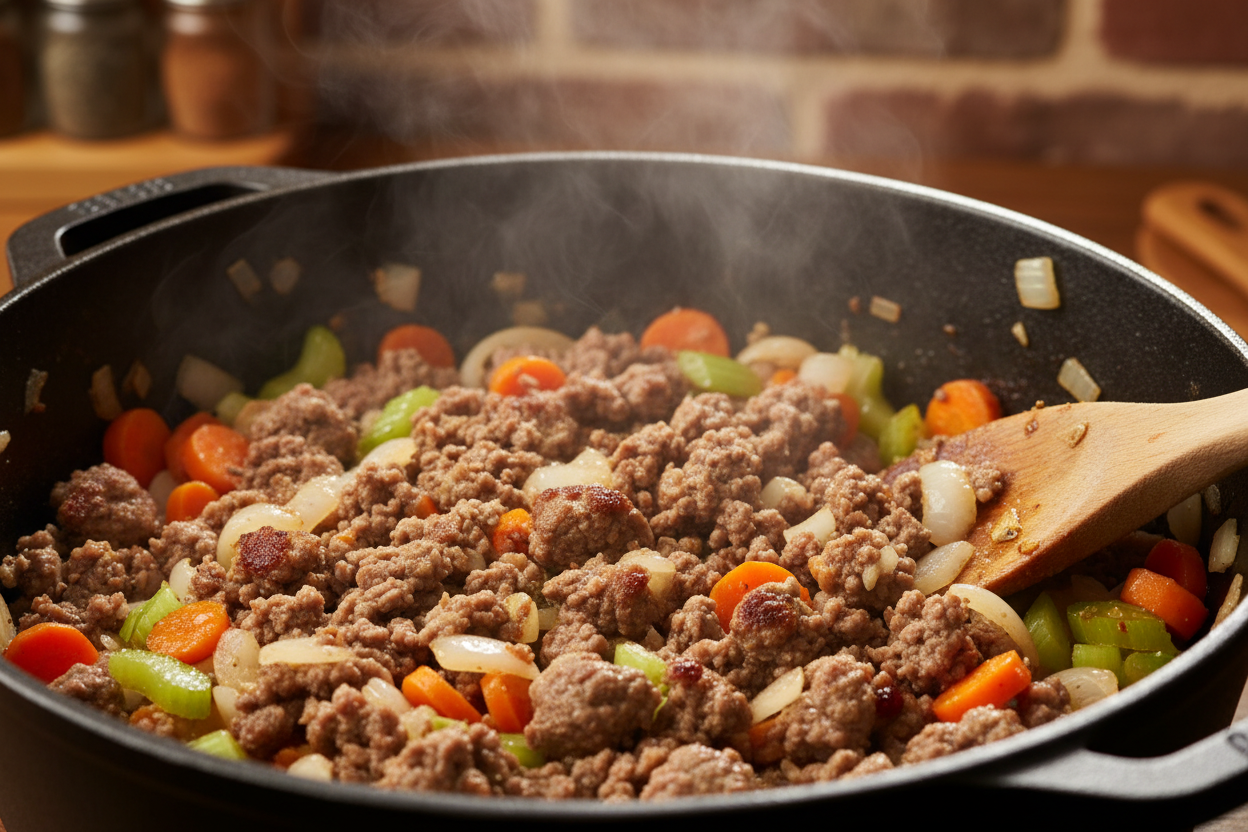
- Add the diced onions, carrots, and celery (the soffritto) and cook gently until softened and translucent, about 8-10 minutes. Stir in the minced garlic and cook for another minute until fragrant.
- Increase heat to medium-high. Add the ground beef, breaking it up with a spoon. Cook until thoroughly browned, draining any excess fat.
- Stir in the tomato paste and cook for 2 minutes, stirring constantly, to deepen its flavor.
- Pour in the red wine, scraping the bottom of the pot to deglaze and release any browned bits. Let it simmer until almost completely evaporated.
- Add the crushed tomatoes, beef broth, dried oregano, dried basil, and bay leaf. Bring to a gentle simmer, then reduce heat to low, cover, and cook for at least 1.5 to 2 hours, or up to 3 hours, stirring occasionally. The longer it simmers, the richer the flavor.
- Season with salt and pepper to taste. The ragù should be thick and rich. Remove the bay leaf before assembling.
2. Whisking the Béchamel Sauce
- In a separate saucepan, melt the butter over medium heat. Add the flour and whisk constantly for 1-2 minutes to create a smooth roux.
- Gradually whisk in the milk, a little at a time, ensuring no lumps form. Continue whisking until the sauce thickens and coats the back of a spoon, about 8-10 minutes.
- Season the béchamel with salt, white pepper, and a pinch of freshly grated nutmeg.
- If using fresh spinach, wilt it, squeeze out all excess water, and chop finely. If using frozen, thaw and squeeze very dry. Stir the spinach into the béchamel sauce along with about half a cup of grated Parmesan cheese. Taste and adjust seasoning.
3. Assembling the Lasagna Layers
- Preheat your oven to 375°F (190°C). Lightly grease a 9×13-inch baking dish.
- Spread a thin layer of beef ragù on the bottom of the prepared baking dish.
- Place a layer of lasagna noodles over the ragù (if using oven-ready, ensure they overlap slightly if needed; if pre-boiled, drain well).
- Spoon about a third of the spinach béchamel sauce evenly over the noodles.
- Top the béchamel with about a quarter of the beef ragù.
- Sprinkle generously with shredded mozzarella and a scattering of Parmesan cheese.
- Repeat the layers: noodles, béchamel, ragù, mozzarella, Parmesan. Continue until you have 3-4 layers of pasta, ending with a generous layer of beef ragù, mozzarella, and Parmesan on top.
4. Baking to Golden Perfection
- Cover the baking dish loosely with aluminum foil (you can spray the underside of the foil with cooking spray to prevent sticking to the cheese).
- Bake for 25 minutes.
- Remove the foil and bake for another 20-30 minutes, or until the top is golden brown, bubbly, and the cheese is melted and slightly caramelized. This ensures a beautiful lasagne al forno finish.
- Once baked, remove the lasagna from the oven.
Pro Tips for the Best Lasagna
Even the most experienced cooks can benefit from a few expert tricks to perfect their lasagna.
Preventing a Watery Lasagna
“A perfectly structured lasagna holds its shape and delivers rich, concentrated flavors. Avoid watery results by ensuring your ragù is thick and your béchamel is well-reduced.” – Chef’s Insight
A common pitfall is a watery lasagna. To prevent this, make sure your beef ragu has simmered long enough to reduce and thicken significantly. It should be rich and almost paste-like, not soupy. If you’re using fresh spinach for the béchamel, it is absolutely critical to squeeze out as much excess moisture as possible after wilting. For regular dried pasta, ensure it’s cooked only al dente – if it’s too soft, it will absorb less liquid from the sauces during baking and contribute to a wetter final dish.
Resting Before Slicing
Patience is a virtue, especially with lasagna. Once your gorgeous italian baked pasta emerges from the oven, it might be tempting to dive right in. However, allowing it to rest for at least 15-20 minutes (even up to 30 minutes) before slicing is crucial. This resting period allows the layers to set, the cheeses to firm up slightly, and the flavors to truly meld together. You’ll be rewarded with cleaner, more defined slices and a much more enjoyable eating experience. Trust us, it’s worth the wait!
Variations and Substitutions
While this recipe is fantastic as is, feel free to explore subtle tweaks to make it your own.
Optimizing Your Beef Ragù
For an even richer and more complex beef ragu, consider using a blend of different ground beef types, such as a mix of lean and medium-fat ground beef. You could also finely dice a small amount of beef chuck and slow-cook it along with the ground beef to add incredible texture and depth to the meat sauce. The goal is a truly robust and satisfying beef experience that forms the backbone of your lasagna.
Different Cheese Blends
While mozzarella and Parmesan are classic, don’t shy away from experimenting with other Italian cheeses. A touch of provolone, fontina, or even smoked mozzarella can add delightful nuances to the cheesy layers. For a sharper flavor, grate in some Pecorino Romano alongside the Parmesan. Just be sure to maintain a good balance of melting and flavorful cheeses.
Frequently Asked Questions (FAQs)
Can I freeze Gordon Ramsay Beef Lasagna?
Absolutely! Lasagna freezes exceptionally well. You can either freeze the assembled but unbaked lasagna or bake it first, let it cool completely, and then freeze individual portions or the whole dish. Wrap it tightly in plastic wrap and then aluminum foil. It will keep for up to 3 months. Thaw in the refrigerator overnight before baking or reheating.
What’s the best way to reheat leftover lasagna?
To reheat, cover individual slices or the whole dish loosely with foil and bake in a preheated oven at 325°F (160°C) until heated through, usually 20-30 minutes for slices, or longer for a whole dish. You can also microwave individual portions, but the oven provides a better texture.
Can I make the ragù and béchamel ahead of time?
Yes, both the beef ragu and the béchamel sauce can be made 1-2 days in advance and stored in airtight containers in the refrigerator. This is a fantastic way to break up the cooking process and make assembly quicker on the day you plan to bake the lasagna.
This Gordon Ramsay Beef Lasagna is more than just a meal; it’s an event. It’s the kind of dish that brings people together, elicits groans of pleasure, and leaves everyone feeling utterly content. There’s a reason why lasagne al forno holds such a special place in the canon of comfort food dinner classics. So roll up your sleeves, gather your ingredients, and prepare to create a truly unforgettable feast. Enjoy every savory, cheesy, and utterly delicious bite!
For more delicious recipes, tips, and behind-the-scenes glimpses into our culinary adventures, make sure to follow our Facebook page: https://www.facebook.com/profile.php?id=61568538666337
Gordon Ramsay Beef Lasagna with Spinach & Béchamel
Ingredients
- 2 tbsp Olive oil extra virgin
- 1 cup White onion finely chopped
- 1 cup Carrot finely chopped
- 1 cup Celery finely chopped
- 2 cloves Garlic minced
- 2 lbs Ground beef 80/20 blend
- 3 tbsp Tomato paste
- 1 cup Red wine dry
- 2.5 cups Tomato passata or crushed tomatoes
- 2 cups Beef stock
- 1 tsp Dried oregano
- 4 tbsp Butter unsalted
- 4 tbsp All-purpose flour
- 3 cups Whole milk
- 0.5 tsp Ground nutmeg
- 1 cup Ricotta cheese
- 2 cups Fresh spinach chopped
- 12 sheets Lasagna pasta sheets no-boil or fresh
- 2 cups Mozzarella cheese shredded
- 0.5 cup Parmesan cheese grated
- 2 tbsp Spring onion chopped, for garnish
Instructions
- Preheat the oven to 400°F (200°C).
- Heat the olive oil in a large pot or Dutch oven over medium heat. Add the chopped onion, carrot, and celery. Cook until softened, about 8 minutes. Add the minced garlic and cook for 1 additional minute.
- Add the ground beef to the pot. Break the meat apart with a spoon and cook until browned completely. Stir in the tomato paste and cook for 2 minutes.
- Pour in the red wine to deglaze the pot, scraping up any browned bits from the bottom. Let the wine reduce by half, then stir in the tomato passata, beef stock, and dried oregano.
- Bring the ragù to a gentle boil, then reduce the heat to low. Cover and simmer for at least 1 hour until the sauce is rich and thickened. Season with salt and pepper.
- Melt the butter in a separate saucepan over medium heat. Whisk in the flour and cook for 1 minute to form a paste. Gradually whisk in the milk until completely smooth.
- Simmer the milk mixture until the sauce thickens. Remove from heat and stir in the ground nutmeg, ricotta cheese, and chopped fresh spinach. Set aside.
- Spread a thin layer of the beef ragù on the bottom of a 9x13-inch baking dish. Top evenly with a layer of lasagna pasta sheets.
- Spread half of the creamy spinach béchamel sauce over the pasta, followed by a layer of mozzarella and parmesan cheese. Top with another layer of pasta, then add a thick layer of beef ragù.
- Repeat the layers until all ingredients are used, finishing the top layer with pasta sheets, a thin spread of béchamel, and a generous topping of mozzarella and parmesan cheese.
- Bake uncovered for 30 to 35 minutes until the cheese is melted, bubbling, and golden brown on top.
- Let the lasagna rest for 15 minutes before slicing. Garnish with chopped spring onion and serve warm.
For more daily recipes and tips, follow us on Facebook!
Click here to join our community!