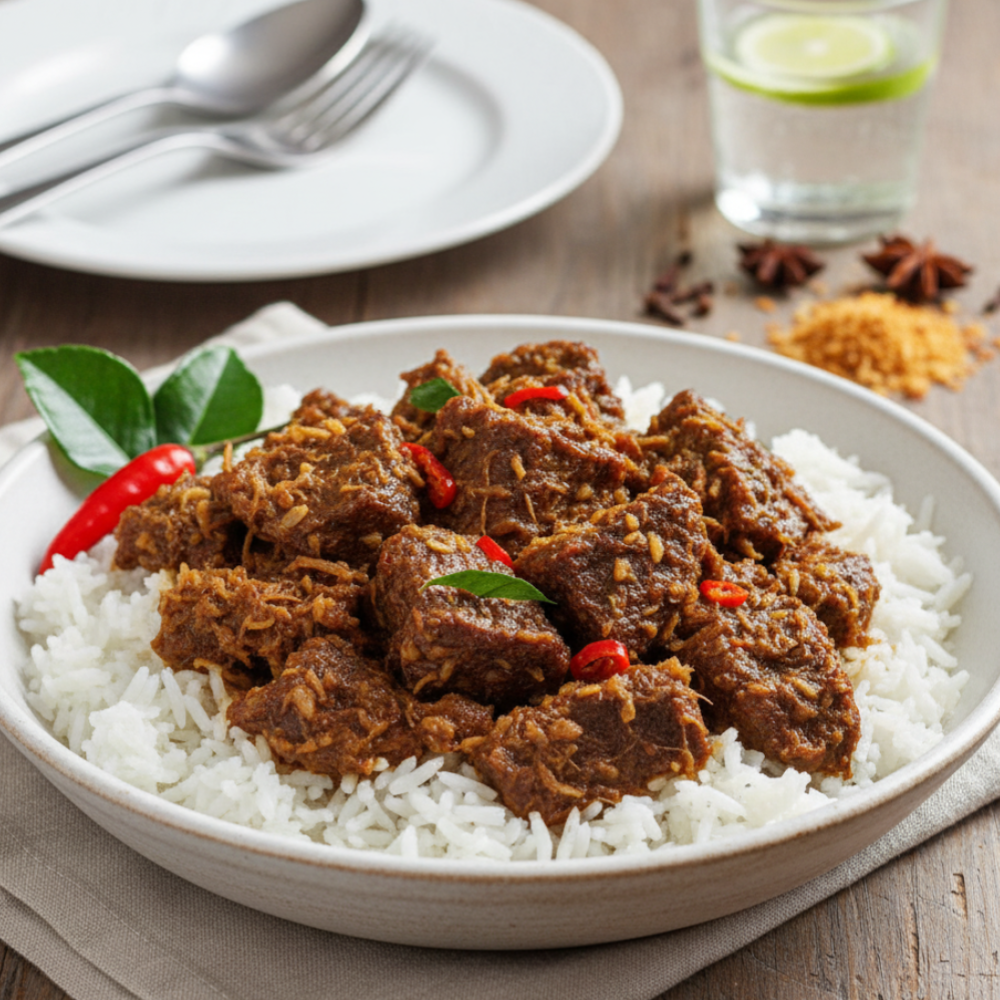
There are dishes that simply nourish, and then there are those that transport you. Beef Rendang is unequivocally the latter. Hailed as one of the world’s most delicious foods, this rich, aromatic, and incredibly tender Indonesian beef stew is a symphony of flavors that tells a story of tradition, patience, and culinary mastery. It’s more than just a meal; it’s an experience, a celebration of spices, and a testament to the power of slow cooking.
For many, the idea of making this legendary dish at home might seem daunting. But fear not, aspiring home chefs! With the right guidance, a passion for flavor, and a commitment to the process, you too can create an authentic, unforgettable slow-cooked beef curry that will impress every palate. Join us as we unlock the secrets to perfect it, from its vibrant origins to that glorious moment when the rich, spiced oil glistens around succulent pieces of beef.
The Origins and Cultural Significance of Beef Rendang
A Sumatran Masterpiece
The heart of this iconic dish beats strongest in West Sumatra, Indonesia. Originating from the Minangkabau ethnic group, it is a dish deeply entwined with their culture, often served at special occasions, ceremonies, and festive gatherings like Eid al-Fitr. Its rich flavor profile and long shelf life (due to its dry preparation) made it ideal for preserving meat and for long journeys. Over centuries, the popularity of this traditional beef rendang spread, not just throughout Indonesia, but across Southeast Asia, gaining particular fame in Malaysia where it’s also a beloved staple, often referred to as Malaysian beef rendang.
The culinary philosophy behind it is profound. It’s about achieving a perfect harmony of tastes – spicy, sweet, savory, and tangy – all while transforming humble ingredients into something truly extraordinary. It’s a dish that symbolizes hospitality, community, and the deep respect for food inherent in Indonesian culture.
Rendang vs. Kalio: Understanding the Cooking Stages
To truly appreciate this dish, it’s essential to understand its journey through two distinct stages: Kalio and Rendang. The initial stage of cooking results in a dish known as Kalio. This is when the beef, spices, and coconut milk have simmered down considerably, but there’s still a noticeable amount of sauce. Kalio is a rich, wet curry, often enjoyed by those who prefer more gravy with their meal. It’s deeply flavorful and fragrant, representing a delicious intermediary step.
However, the journey to true rendang continues. The cooking process is extended, allowing the liquids to completely evaporate, and the coconut milk to caramelize and render its oils. The spice paste clings tightly to the beef, transforming into a glorious, dark, almost dry curry. This final stage is the true rendition of this dish: a dry, concentrated, and intensely flavorful creation. The prolonged cooking not only deepens the flavor but also naturally preserves the meat, making it a culinary marvel.
Key Ingredients for an Authentic Flavor
Choosing the Right Cut of Beef
The foundation of any great slow-cooked dish is the quality of its primary ingredient. For this dish, the choice of beef is paramount. We highly recommend using beef chuck steak. This cut, sourced from the shoulder, is ideal because it contains a good amount of connective tissue and marbling. These elements break down beautifully during the long, slow braising process, resulting in incredibly tender, succulent meat that practically melts in your mouth. Other suitable cuts include beef short ribs or brisket, but for consistently excellent results in beef chuck steak recipes, chuck is often the preferred choice.
The Importance of Kerisik (Toasted Coconut)
If there’s a secret ingredient that elevates the authentic flavor of this dish from merely delicious to truly sublime, it’s kerisik. Kerisik is essentially toasted grated coconut that has been pounded until it releases its oils and forms a fragrant, paste-like consistency. It adds an unparalleled depth of flavor, a subtle nuttiness, and a wonderfully rich texture that coats every piece of beef. It also helps to thicken the sauce and gives the final dish its characteristic dry, unctuous appearance. While you can buy it pre-made, making your own kerisik by toasting fresh or desiccated coconut in a dry pan until golden brown and then pounding it in a mortar and pestle (or blending it) is highly recommended for the most potent aroma and taste.
Essential Aromatics and Whole Spices
The complex, intoxicating aroma of this dish comes from its elaborate blend of aromatics and spices that form the basis of the rendang curry paste. Expect to use a medley of fresh ingredients like lemongrass, galangal, ginger, turmeric, kaffir lime leaves, and a generous amount of fresh chilies (red bird’s eye chilies or larger red chilies for a milder heat). These fresh ingredients are complemented by whole spices such as star anise, cardamom pods, cloves, and cinnamon sticks. Together, they create a rich, multi-layered flavor profile that is both spicy and aromatic, with earthy, citrusy, and warm notes. Don’t skip any of these; each plays a crucial role in building the signature taste.
Step-by-Step Instructions for Slow-Cooked Perfection
Preparing the Spice Paste (Rempah)
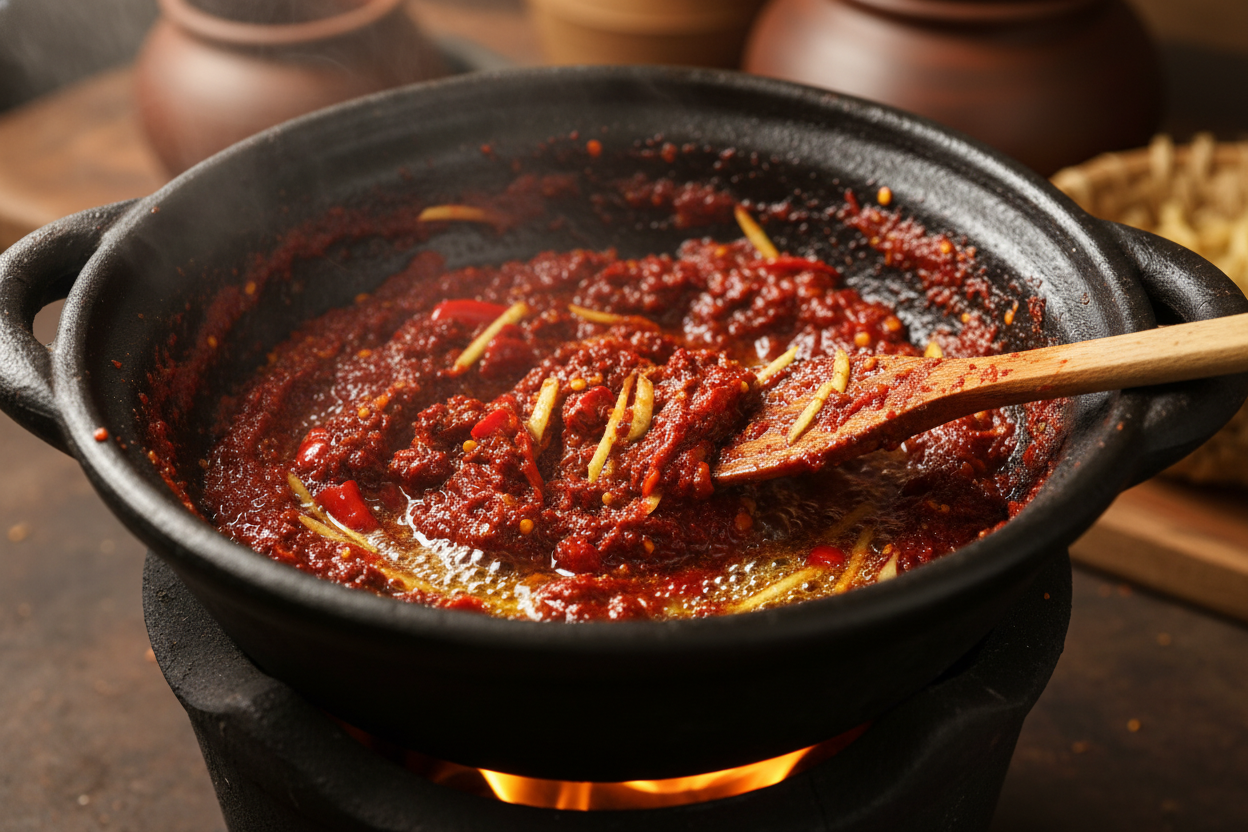
The heart of any truly great rendang lies in its rempah, or spice paste. This is where all those vibrant aromatics come together. You’ll need to finely chop or blend the fresh ingredients: shallots, garlic, ginger, galangal, turmeric, lemongrass (white part only), and fresh chilies. For the best texture and flavor, a traditional mortar and pestle is ideal, but a food processor will work in a pinch. Grind or blend until you have a smooth, fragrant paste. This ensures that the flavors are fully released during cooking.
Sautéing the Spices to Release Aromas
With your rempah ready, the next critical step is to sauté it. Heat a generous amount of oil in a large, heavy-bottomed pot or Dutch oven over medium heat. Add the spice paste along with the whole spices (star anise, cardamom, cloves, cinnamon stick) and kaffir lime leaves. Cook, stirring constantly, for about 10-15 minutes, or until the paste is incredibly fragrant, has darkened in color, and the oil has started to separate from the paste. This process, known as ‘pecah minyak’ in Malay, is vital for developing the deep, roasted flavors of your rendang curry paste.
The Low and Slow Braising Process
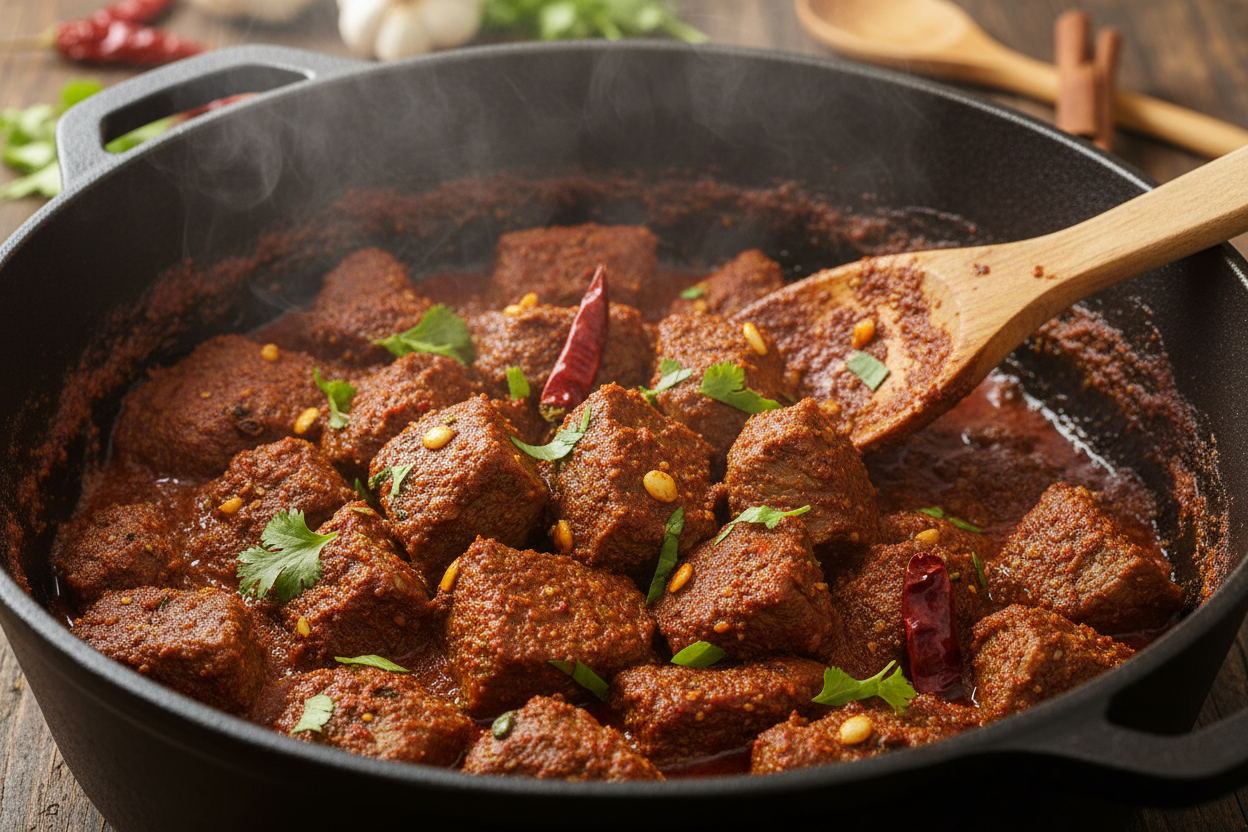
Now, it’s time for the beef to join the party. Add your beef chuck steak pieces to the pot, stirring well to coat them thoroughly with the sautéed spice paste. Cook for a few minutes until the beef is lightly seared on all sides. Pour in a generous amount of thick coconut milk (often referred to as coconut milk beef curry when combined with these ingredients), along with a small amount of tamarind paste, and a piece of turmeric leaf if you have it. Bring the mixture to a gentle simmer, then reduce the heat to low, cover the pot, and let it braise slowly. This is where the magic of the slow-cooked beef curry truly happens.
Stir occasionally to prevent sticking and ensure even cooking. After about 1.5 to 2 hours, the sauce will have thickened considerably, and the beef will be tender. Remove the lid and continue to simmer on low heat, stirring more frequently, allowing the liquid to further reduce. This is also when you’ll add the kerisik. Keep cooking until the sauce has completely dried up, coating the beef in a rich, dark, and oily paste. The oil will separate and glisten, and the meat will be incredibly tender – this is the sign your rendang is done.
Popular Recipe Variations
Slow Cooker vs. Stovetop Methods
While the traditional stovetop method yields the most authentic results, taking hours of patient stirring, modern kitchens offer alternatives. For a hands-off approach, you can adapt this recipe for a slow cooker. After sautéing the spice paste and searing the beef on the stovetop (a crucial step for flavor development), transfer everything to your slow cooker with the coconut milk and other liquids. Cook on low for 6-8 hours or on high for 3-4 hours, or until the beef is fork-tender. You may need to transfer it back to the stovetop for the last hour, uncovered, to allow the sauce to reduce and dry out to achieve that classic rendang consistency and the desired oil separation.
Pressure cookers can also drastically cut down cooking time, reducing the braising period to under an hour, but you will still need to finish the dish on the stovetop to achieve the dry, rich texture.
Adjusting the Heat Levels
The beauty of cooking at home is the ability to customize. The traditional beef rendang often boasts a significant spicy kick, but you can easily adjust it to your preference. For a milder rendang, reduce the number of fresh red chilies in your spice paste, or opt for larger, less potent varieties. You can also deseed the chilies to further temper the heat. If you prefer a fiery dish, feel free to add more bird’s eye chilies or even a dash of dried chili flakes during the sautéing stage. Always taste and adjust as you go, remembering that the heat will mellow slightly during the long cooking process but will still be prominent.
Expert Tips for the Best Beef Rendang
Preventing the Bottom from Burning
One of the biggest challenges in making this dish is preventing the delicious, rich paste from sticking and burning at the bottom of the pot, especially towards the end of the cooking process when the liquids have mostly evaporated. The key is consistent and diligent stirring. While the dish is simmering with plenty of liquid, occasional stirring is fine. However, as the rendang thickens and dries out, you’ll need to stir much more frequently, scraping the bottom of the pot to ensure nothing catches. A heavy-bottomed pot or Dutch oven is also your best friend here, as it distributes heat more evenly.
Knowing When the Rendang is Done (The Oil Separation Stage)
Identifying the exact moment your rendang is perfectly cooked is crucial. The tell-tale sign is the “oil separation stage,” or pecah minyak. This occurs when the fat from the coconut milk and the beef itself has rendered out and visibly separates from the spice paste, forming a glistening layer on top and around the beef. The paste will be dark, thick, and cling tightly to the meat, no longer watery. The beef should be incredibly tender, easily shredded with a fork. This stage signifies that the moisture has evaporated, the flavors are concentrated, and the dish has achieved its characteristic dry, rich consistency. Don’t rush this final stage; it’s essential for both flavor and texture.
“Patience is the secret ingredient for a truly authentic rendang. Let the flavors meld, let the liquids reduce, and trust the process. The reward is a dish of unparalleled depth.”
What to Serve with Beef Rendang
This flavorful slow-cooked beef curry is a complete meal in itself, but it truly shines when served alongside simple accompaniments that balance its richness. The most classic pairing is with steamed white rice, which soaks up the exquisite flavors beautifully. Other excellent choices include traditional Malay or Indonesian staples like ketupat (compressed rice cakes) or lontong (steamed rice cylinders). For a refreshing contrast, consider a simple cucumber salad, a side of blanched green beans, or a fresh vegetable relish like achar. A dollop of your favorite sambal on the side adds an extra kick for those who love their food spicy.
Make-Ahead, Storage, and Freezing Instructions
One of the wonderful qualities of this dish is that its flavors only deepen and improve with time. It’s an ideal make-ahead meal. In fact, many connoisseurs argue that it tastes even better the day after it’s made, once all the complex flavors have had a chance to meld further.
- Make-Ahead: Prepare the rendang a day or two in advance. Store it in an airtight container in the refrigerator. Gently reheat on the stovetop over low heat, stirring occasionally, until warmed through.
- Storage: Leftover rendang can be stored in an airtight container in the refrigerator for up to 3-4 days.
- Freezing: This dish freezes exceptionally well! Once completely cooled, portion it into freezer-safe containers or heavy-duty freezer bags. It can be frozen for up to 3 months without significant loss of quality. Thaw overnight in the refrigerator before reheating gently on the stovetop. Add a splash of water or coconut milk if it seems too dry when reheating.
Frequently Asked Questions (FAQs)
Q: Is rendang supposed to be spicy?
A: Traditionally, yes, this Indonesian beef stew has a noticeable kick from fresh chilies. However, you can easily adjust the heat level by reducing the amount of chilies in the spice paste to suit your preference.
Q: Can I use pre-made rendang curry paste?
A: While nothing beats the freshness of a homemade paste, good quality pre-made rendang curry paste can be a time-saver. Just ensure you buy from a reputable brand and still include fresh aromatics like lemongrass and kaffir lime leaves for optimal flavor.
Q: How long does it really take to cook?
A: An authentic, traditional rendang requires patience. From preparing the paste to achieving the dry, tender consistency, expect the cooking process to take anywhere from 3 to 4 hours on the stovetop. While it’s a commitment, the result is absolutely worth every minute.
Q: My rendang looks too oily. What went wrong?
A: A certain amount of oil separation is normal and desirable for traditional rendang. If it appears excessively oily, it might be due to too much oil used in sautéing the paste initially, or using a very high-fat cut of beef. However, the oil itself is packed with flavor!
Making an authentic Beef Rendang is a culinary journey that promises incredible rewards. It’s a dish that embodies the rich heritage of Indonesian cuisine, bringing warmth, comfort, and an explosion of flavor to your table. So, gather your ingredients, clear your schedule, and embark on this delicious adventure. You won’t regret it!
For more amazing recipes and culinary inspiration, be sure to follow our Facebook page:
https://www.facebook.com/profile.php?id=61568538666337
Authentic Beef Rendang
Ingredients
- 2 lbs Beef chuck roast Cut into 1.5-inch cubes
- 1 cup Coconut milk Full-fat
- 1/2 cup Kerisik Toasted grated coconut
- 6 whole Red Thai chilies Softened in water
- 5 leaves Kaffir lime leaves
- 2 whole Star anise
- 4 whole Cloves
- 1 tbsp Brown sugar Or palm sugar
- 2 stalks Lemongrass Bruised
- 1 inch Galangal Sliced
- 1 inch Ginger Peeled
- 4 cloves Garlic
- 4 whole Shallots
- 1 tsp Salt
- 2 tbsp Cooking oil
Instructions
- Blend the red chilies, ginger, galangal, garlic, and shallots in a food processor with a splash of water to form a smooth spice paste (rempah).
- Heat the cooking oil in a large heavy-bottomed pot or Dutch oven over medium heat. Add the spice paste and sauté for 5 to 10 minutes until fragrant and the oil begins to separate.
- Add the beef cubes to the pot, stirring well to coat the meat evenly in the spice paste. Cook until the beef is browned on all sides.
- Pour in the coconut milk, then add the bruised lemongrass, kaffir lime leaves, star anise, cloves, brown sugar, and salt. Bring the mixture to a gentle boil.
- Reduce the heat to low, cover partially, and let it simmer for 2 to 3 hours. Stir occasionally to prevent the bottom from burning.
- Once the beef is incredibly tender and the liquid has mostly evaporated, stir in the kerisik (toasted coconut). Continue to cook uncovered for another 20 to 30 minutes until the oil separates and the sauce deeply coats the meat.
- Remove from heat, discard the large whole spices and lemongrass stalks, and serve warm with steamed white rice.
For more daily recipes and tips, follow us on Facebook!
Click here to join our community!