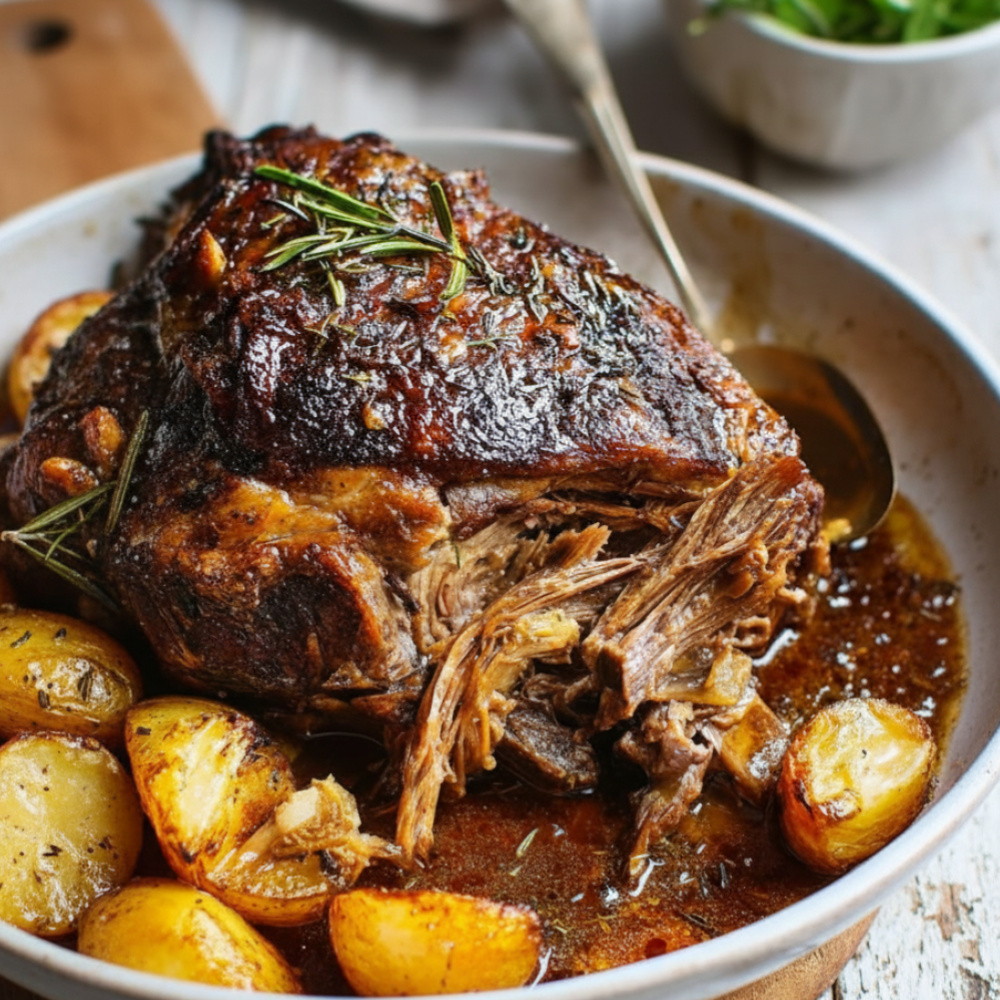
There are few things as comforting and deeply satisfying as a succulent Sunday roast dinner. But beyond the traditional cuts, lies a true hero of the slow cooker and oven: the humble lamb shoulder. When treated with patience and care, this cut transforms into something truly magical, offering a depth of flavor and an unforgettable texture that makes every bite a celebration. Forget fussing over dry, tough meat; this lamb roast recipe is designed to deliver a perfectly slow cooked lamb shoulder that will have everyone asking for seconds.
Why Lamb Shoulder is the Best Cut for Roasting
For those new to the world of lamb, or even seasoned cooks looking for a reliable winner, lamb shoulder is an exceptional choice. It’s often more affordable than leg of lamb, yet it brings a richness and generosity of flavor that’s hard to beat. Its inherent qualities make it ideally suited for the low and slow cooking method we’re about to explore.
Meltingly Tender Results
The beauty of lamb shoulder lies in its marbling and connective tissues. Unlike leaner cuts, these elements break down beautifully during a long, gentle cook. This process renders the fat, infuses the meat with incredible juiciness, and transforms tough collagen into gelatin. The result? A truly fall-apart tender lamb that practically melts in your mouth with minimal effort. It’s the kind of tenderness that makes carving a joy, or even unnecessary, as the meat simply pulls away from the bone.
Chef’s Insight: “Patience is key with lamb shoulder. The long cooking time allows the fibers to relax and the flavors to deepen, creating an unparalleled texture and taste profile that hurried methods simply can’t achieve.”
Forgiving and Flavorful
One of the greatest advantages of using lamb shoulder is how forgiving it is. It’s incredibly difficult to overcook it using the slow-roasting method. The robust marbling acts as an internal basting system, keeping the meat moist and flavorful throughout the extended cooking time. Furthermore, being a working muscle, the shoulder is packed with inherent lamb flavor, which only intensifies as it slowly braises, creating a truly rich and aromatic experience.
Key Ingredients for a Perfect Roast
While the star of the show is undoubtedly the lamb, the supporting cast of ingredients plays a crucial role in building the layers of flavor that make this dish so special.
Choosing Your Lamb Shoulder (Bone-In vs. Boneless)
- Bone-In Lamb Shoulder: This is my absolute recommendation for the most flavorful and succulent results. The bone itself contributes immensely to the richness of the finished dish, imparting a deeper, more savory character to both the meat and the resulting gravy. It also helps to insulate the meat, ensuring even cooking. Look for a substantial bone-in lamb shoulder, ideally around 4-6 pounds, for a generous meal.
- Boneless Lamb Shoulder: If you’re short on time or prefer easier carving, a boneless lamb shoulder works perfectly well. You might need to adjust cooking times slightly as it will cook a little faster, but the principles remain the same.
Essential Aromatics: Rosemary and Garlic
The classic pairing of fresh rosemary and garlic is non-negotiable for a truly authentic and aromatic lamb roast. Rosemary’s piney, slightly peppery notes complement lamb beautifully, while garlic adds a pungent warmth that permeates the meat. Don’t be shy with either; the long cooking time mellows their intensity, leaving behind a wonderfully fragrant essence.
The Braising Liquid: Creating a Rich Gravy
The braising liquid is the foundation of your future gravy, and it’s essential to choose ingredients that will build complex flavors. For this recipe, we’ll use a combination of:
- Good Quality Beef Broth: This provides a savory base. Ensure it’s low sodium if you’re adding other salty ingredients.
- Red Wine: A dry red wine (like a Cabernet Sauvignon or Merlot) adds acidity and depth, helping to break down the meat and concentrate flavors.
- Crushed Tomatoes: A small amount of crushed tomatoes or tomato paste adds a touch of sweetness and umami, contributing to the richness of the final sauce.
- Onions and Carrots: These vegetables soften and sweeten as they cook, providing an aromatic backbone to the gravy.
This combination ensures that every drop of liquid in the pan transforms into a luscious, deeply flavored gravy, perfect for spooning over your tender lamb.
Step-by-Step Guide to Slow Roasting
This method focuses on a high initial sear followed by a long, gentle roast. It’s the secret to achieving that coveted tender interior and a beautifully caramelized exterior.
Prepping the Meat
- Pat Dry: Remove your bone-in lamb shoulder from its packaging and pat it thoroughly dry with paper towels. This is crucial for achieving a good sear.
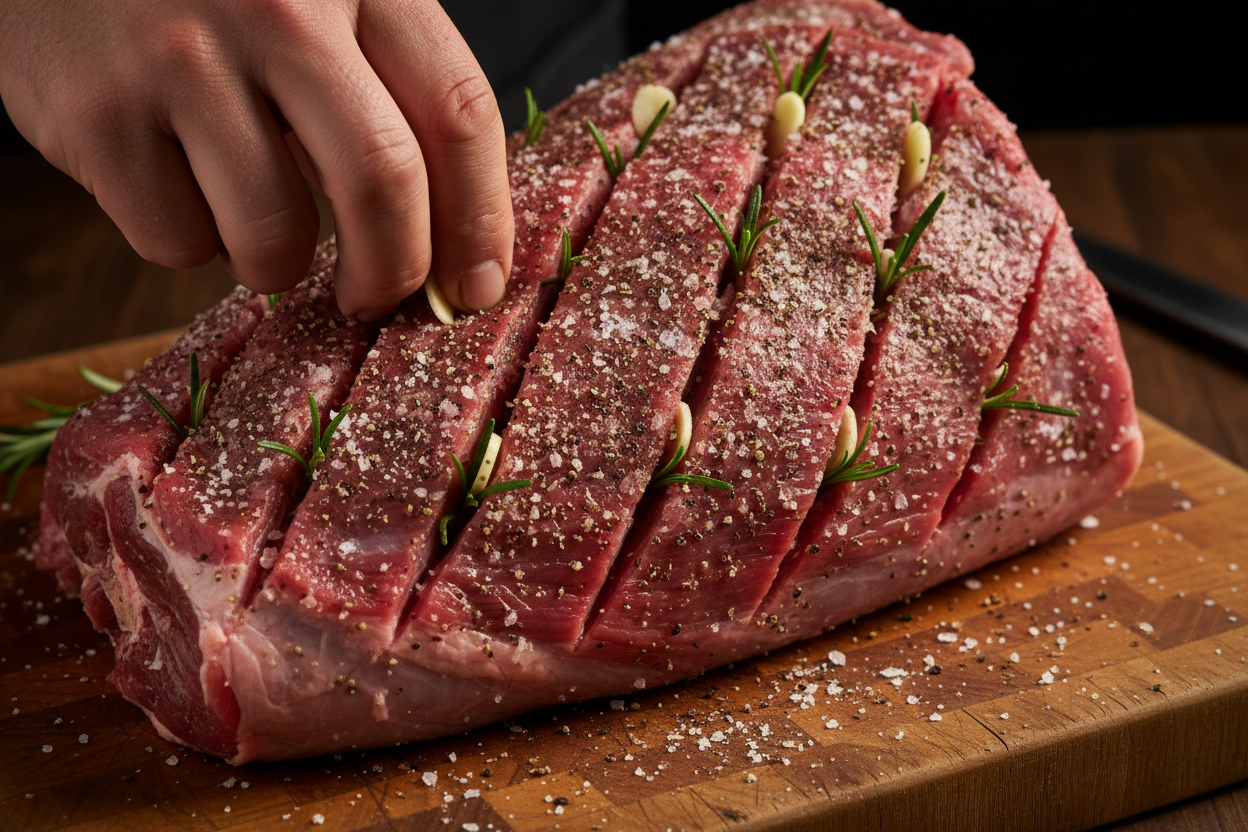
- Score the Fat: Using a sharp knife, carefully score the fatty side of the lamb shoulder in a crisscross pattern, being careful not to cut into the meat itself. This helps the fat render and allows your seasoning to penetrate deeper.
- Season Generously: Rub the entire lamb shoulder generously with a mixture of olive oil, finely minced fresh rosemary, crushed garlic, salt, and freshly ground black pepper. Make sure to get into all the scores and crevices.
- Sear for Color: Heat a large, oven-safe Dutch oven or roasting pan over medium-high heat with a little olive oil. Sear the lamb shoulder on all sides until deeply golden brown. This step is non-negotiable for building flavor and creating a beautiful crust.
The Low and Slow Method
- Build the Base: Remove the lamb from the pan. Add chopped onions, carrots, and a few more garlic cloves to the pan, scraping up any browned bits from the lamb. Sauté for 5-7 minutes until softened.
- Deglaze: Pour in the red wine, scraping the bottom of the pan to release all those flavorful fond. Let it simmer for a few minutes to reduce slightly.
- Add Liquids: Stir in the beef broth and crushed tomatoes. Season with a pinch of salt and pepper.
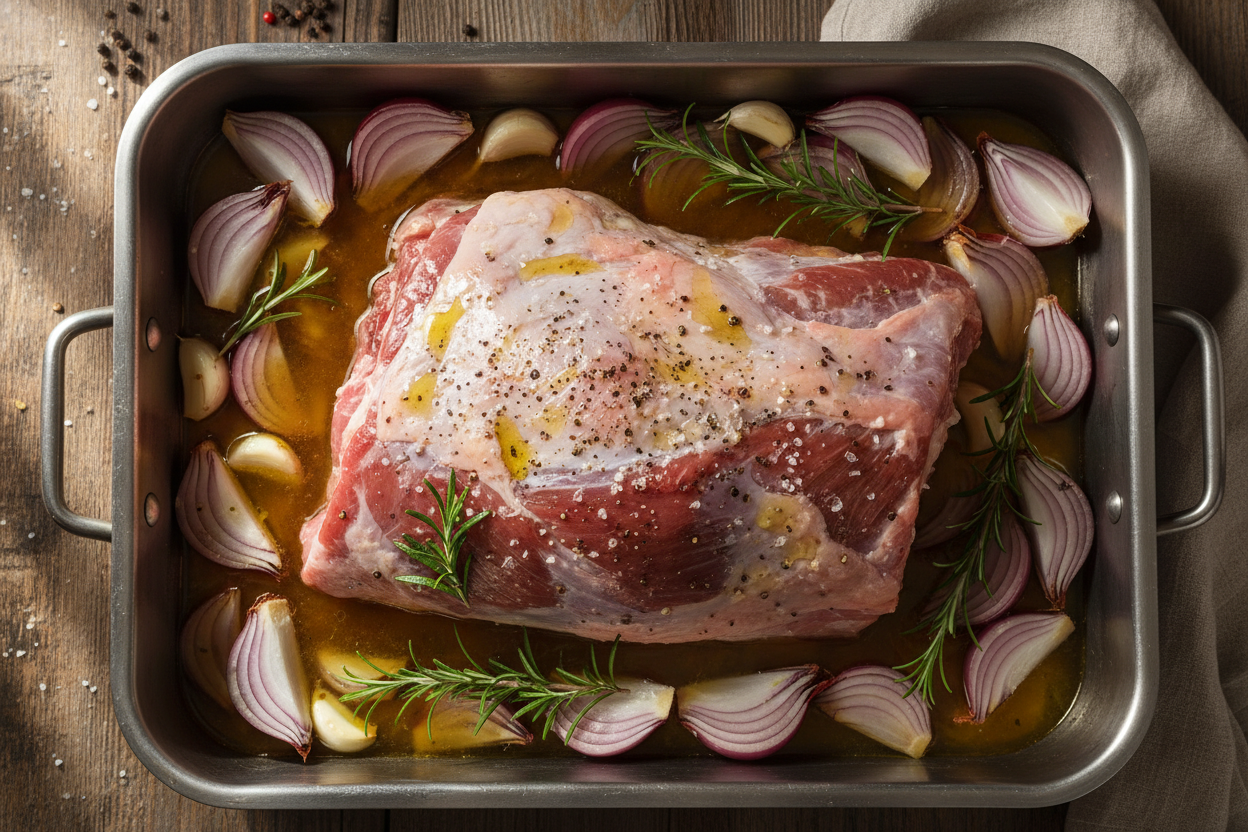
- Return Lamb: Place the seared lamb shoulder back into the Dutch oven or roasting pan, nestled amongst the vegetables and liquid. The liquid should come up about halfway or two-thirds of the way up the side of the lamb.
- Cover and Roast: Cover the pan tightly with a lid or heavy-duty foil. Transfer to a preheated oven at 300°F (150°C). Allow it to slowly roast for 3.5 to 5 hours, or until the lamb is incredibly tender and easily pulls away with a fork. This is the essence of a perfect slow roasted lamb shoulder.
Crisping the Edges and Herbed Potatoes
- Uncover and Crisp: For the last hour of cooking, remove the lid or foil. This allows the top of the lamb to crisp up and develop a beautiful caramelized crust.
- Add Potatoes (Optional but Recommended!): Around 1.5 to 2 hours before the end of cooking (when you remove the lid), you can add par-boiled or raw cubed potatoes (Yukon Golds or small new potatoes work wonderfully) directly into the braising liquid around the lamb. Toss them with a little olive oil, salt, pepper, and some fresh thyme or rosemary before adding. They’ll cook alongside the lamb, soaking up all those incredible flavors, making for the most delicious roast potatoes and gravy.
Pro Tips for Fall-Apart Tender Lamb
Achieving truly extraordinary results often comes down to a few simple, yet crucial, steps.
Let the Meat Rest
Once your lamb shoulder is out of the oven, resist the urge to immediately dig in. Transfer the lamb to a cutting board, tent it loosely with foil, and let it rest for at least 15-20 minutes. This allows the juices, which have been driven to the center during cooking, to redistribute throughout the meat, ensuring every strand is moist and flavorful. Skipping this step often leads to dry lamb, even if perfectly cooked.
Temperature Checking
While an internal thermometer can be useful, for a braised lamb shoulder like this, the best indicator of doneness is texture. The lamb should be undeniably fork-tender. When you insert a fork into the thickest part of the meat, it should slide in with almost no resistance, and when you twist the fork, the meat should easily shred or fall apart. If it feels at all resistant, it needs more time in the oven.
Frequently Asked Questions
Can I Make This Ahead of Time?
Absolutely! This lamb roast is one of those dishes that actually improves with time. You can cook the entire lamb shoulder a day or two in advance. Once cooked, let it cool completely in its braising liquid, then cover and refrigerate. The flavors meld and deepen overnight, and reheating is simple. Just gently warm it in the oven (covered) with its liquid until heated through.
How Do I Store and Reheat Leftovers?
Store any leftover lamb and its gravy in an airtight container in the refrigerator for up to 3-4 days. For longer storage, it freezes beautifully for up to 3 months. To reheat, gently warm the lamb and gravy together in a pot on the stovetop over low heat, or covered in the oven at 300°F (150°C) until warmed through, adding a splash of broth or water if needed to maintain moisture.
What Side Dishes Pair Best?
The beauty of this lamb roast recipe is its versatility. Beyond the roast potatoes made right in the pan, here are some fantastic pairings:
- Creamy Mashed Potatoes: For soaking up every last drop of that rich gravy.
- Steamed Green Beans or Asparagus: A fresh, crisp green vegetable provides a lovely contrast.
- A Simple Green Salad: A light, peppery arugula salad with a lemon vinaigrette would cut through the richness beautifully, lending a touch of Mediterranean lamb roast feel.
- Couscous or Rice: Excellent for absorbing the delicious pan juices.
There you have it – the ultimate guide to creating a truly unforgettable fall-apart tender lamb shoulder. This dish is more than just a meal; it’s an experience, perfect for a cozy Sunday roast dinner or any occasion where you want to impress with minimal stress. The deep, rich flavors and incredibly tender texture are guaranteed to make it a new family favorite.
For more delicious recipes and cooking tips, make sure to follow us on Facebook!
Join our community here: https://www.facebook.com/profile.php?id=61568538666337
Slow Cooked Lamb Shoulder with Herbed Potatoes
Ingredients
- 4 lbs Bone-in lamb shoulder room temperature
- 2 lbs Potatoes peeled and halved
- 6 cloves Garlic cut into slivers
- 4 sprigs Fresh rosemary cut into small pieces
- 2 tbsp Olive oil
- 2 cups Beef broth or lamb stock, for braising and gravy
- 1 large Yellow onion quartered
- 1 tbsp Kosher salt and black pepper to taste
Instructions
- Preheat the oven to 320°F (160°C). Remove the lamb shoulder from the refrigerator one hour prior to cooking.
- Use a sharp knife to make deep incisions evenly across the lamb shoulder. Insert the garlic slivers and pieces of fresh rosemary into the incisions.
- Rub the entire lamb shoulder generously with olive oil, kosher salt, and black pepper.
- Place the quartered onion in the bottom of a deep roasting pan to act as a trivet. Pour the beef broth into the pan, then place the lamb shoulder on top of the onions.
- Cover the roasting pan tightly with a double layer of aluminum foil or a heavy, tight-fitting lid. Roast in the preheated oven for 3.5 to 4 hours.
- Remove the pan from the oven and carefully remove the foil. Arrange the prepared potatoes around the lamb, coating them gently in the pan juices.
- Increase the oven temperature to 425°F (220°C). Return the uncovered pan to the oven and roast for an additional 30 to 40 minutes, until the top of the lamb is browned and the potatoes are crispy and tender.
- Transfer the lamb and potatoes to a serving platter and cover loosely with foil to rest for 20 minutes. Skim the excess fat from the pan juices and simmer the remaining liquid on the stove to create a rich gravy. Serve the lamb pulled apart alongside the potatoes and gravy.
For more daily recipes and tips, follow us on Facebook!
Click here to join our community!