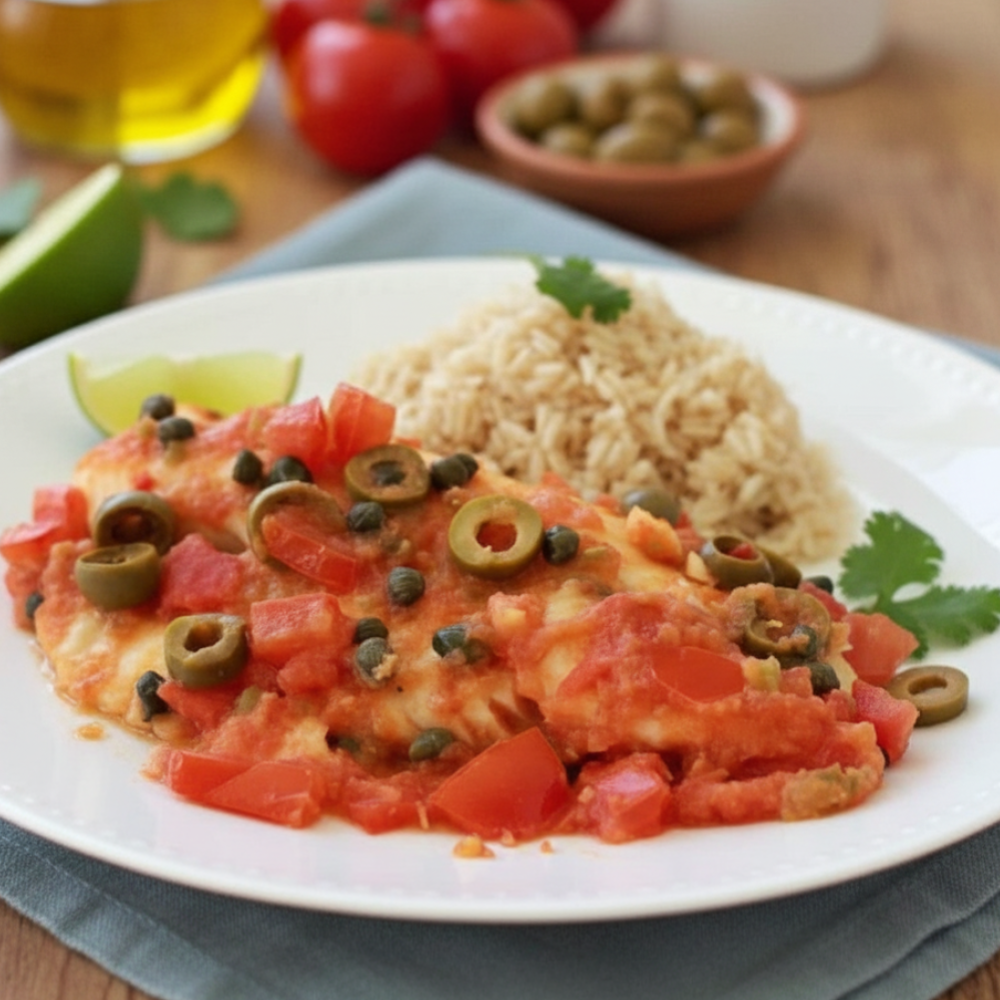
Welcome to a culinary journey that takes us straight to the vibrant coast of Mexico, specifically the sun-drenched state of Veracruz. There’s a dish so deeply rooted in the region’s history and flavor profile that it practically sings of the sea and the sun: Pescado a la Veracruzana. This isn’t just any fish dish; it’s a testament to cultural fusion, a celebration of fresh ingredients, and a symphony of flavors that will transport your taste buds straight to a seaside cantina. Forget everything you thought you knew about Mexican food being all about tacos and burritos; today, we’re diving into an elegant, flavorful, and surprisingly healthy preparation that showcases the best of Veracruz style fish.
What is Pescado a la Veracruzana?
At its heart, Pescado a la Veracruzana is a quintessential Mexican seafood dish, famous for its rich, tangy, and subtly spicy tomato-olive sauce that beautifully complements baked white fish. The origins of this iconic creation are as compelling as its flavors, tracing back to the colonial era in Veracruz. When the Spanish arrived, they brought with them a treasure trove of Mediterranean staples: think briny olives, pungent capers, and luxurious olive oil. These ingredients, which were completely new to the New World, found a perfect harmony with native Mexican ingredients like ripe tomatoes, aromatic onions, garlic, and a hint of piquant chilies, particularly the ever-present jalapeño.
This beautiful collision of cultures gave birth to a dish that embodies the very essence of fusion cuisine. It’s a culinary narrative woven with threads from both sides of the Atlantic, resulting in a flavor profile that is uniquely Mexican, yet undeniably whispers of Spain and the Mediterranean. The traditional preparation often involves a whole fish, simmering gently in this vibrant sauce, allowing every flake to absorb the complex, layered flavors. It truly stands out among healthy Mexican recipes, offering a delightful balance of fresh seafood and bright vegetables.
Key Ingredients for Veracruz Style Fish
The magic of Veracruz style fish lies in the careful balance of its components. Achieving that perfect harmony of acidity, brininess, and mild heat requires both fresh produce and well-chosen pantry staples. Each ingredient plays a vital role in building the dish’s distinctive character.
Selecting the Best Fish
While the beauty of this dish is its versatility, tradition often calls for a specific star. The classic choice is a whole Red Snapper, known in Mexico as Huachinango. When prepared as huachinango a la veracruzana, the visual presentation alone is stunning, with the whole fish bathed in its vibrant sauce. Red snapper has a firm, flaky, white flesh that holds up wonderfully to baking and absorbs the sauce without becoming mushy.
However, accessibility is key, and you don’t need to hunt for a whole snapper to enjoy this incredible dish. Excellent alternatives for baked white fish fillets include:
- Cod: Flaky and mild, it’s a forgiving fish that takes on flavors beautifully.
- Halibut: A firmer, meatier white fish that offers a more substantial bite.
- Tilapia: A more economical option, with a very mild flavor profile that allows the sauce to shine.
- Mahi-Mahi or Grouper: Other firm, white-fleshed fish varieties work wonderfully too.
Whichever fish you choose, ensure it’s as fresh as possible. Look for clear eyes (if buying whole), bright, moist flesh, and a clean, oceanic smell, not overly “fishy.”
The Signature Tomato-Olive Sauce
This is where the dish truly earns its stripes. The tomato olive sauce is a masterpiece of layered flavors. It’s robust, tangy, and boasts a unique complexity that sets it apart. Here are the stars of this sauce:
- Ripe Tomatoes: Fresh, ripe tomatoes form the base. While diced fresh tomatoes are ideal, good quality canned diced tomatoes (fire-roasted for extra depth!) can be a fantastic substitute, especially out of season.
- Manzanilla Green Olives: Pitted green olives, specifically manzanilla, bring a briny, salty punch that is indispensable.
- Capers: These tiny, pickled flower buds contribute a sharp, tangy, and salty flavor that complements the olives beautifully.
- Pickled Jalapeños: Crucial for that characteristic, mild heat and a touch of vinegary tang. We’ll use both the sliced jalapeños and a bit of their pickling liquid for extra zing.
- Onion and Garlic: The aromatic foundation, sautéed to sweet perfection before the other ingredients are added.
- Herbs: Fresh or dried oregano, bay leaves, and sometimes a pinch of thyme add an aromatic depth.
- Olive Oil: A nod to its Mediterranean influence, used for sautéing and enriching the sauce.
Together, these ingredients create a sauce that is bright, savory, slightly acidic, and with just the right amount of kick. It’s truly a wonderful example of Mediterranean Mexican food.
Step-by-Step Guide: How to Make Pescado a la Veracruzana
Preparing this exquisite dish is simpler than you might imagine. The key is to build the flavors in the sauce before gently baking your chosen fish.
Simmering the Sauce
The foundation of any great sauce begins with aromatics and patience. This step is about developing a deep, rich flavor that will permeate your fish.
- Sauté Aromatics: In a large, oven-safe skillet or Dutch oven (one that’s large enough to hold your fish), heat a good glug of olive oil over medium heat. Add finely diced white onion and cook until softened and translucent, about 5-7 minutes. Then, add minced garlic and cook for another minute until fragrant, being careful not to burn it.
- Build the Tomato Base: Stir in your diced tomatoes (fresh or canned). If using fresh, let them cook down slightly, releasing their juices. Add the bay leaves and oregano. Allow this mixture to simmer gently for about 10-15 minutes, letting the flavors meld and the sauce thicken slightly.
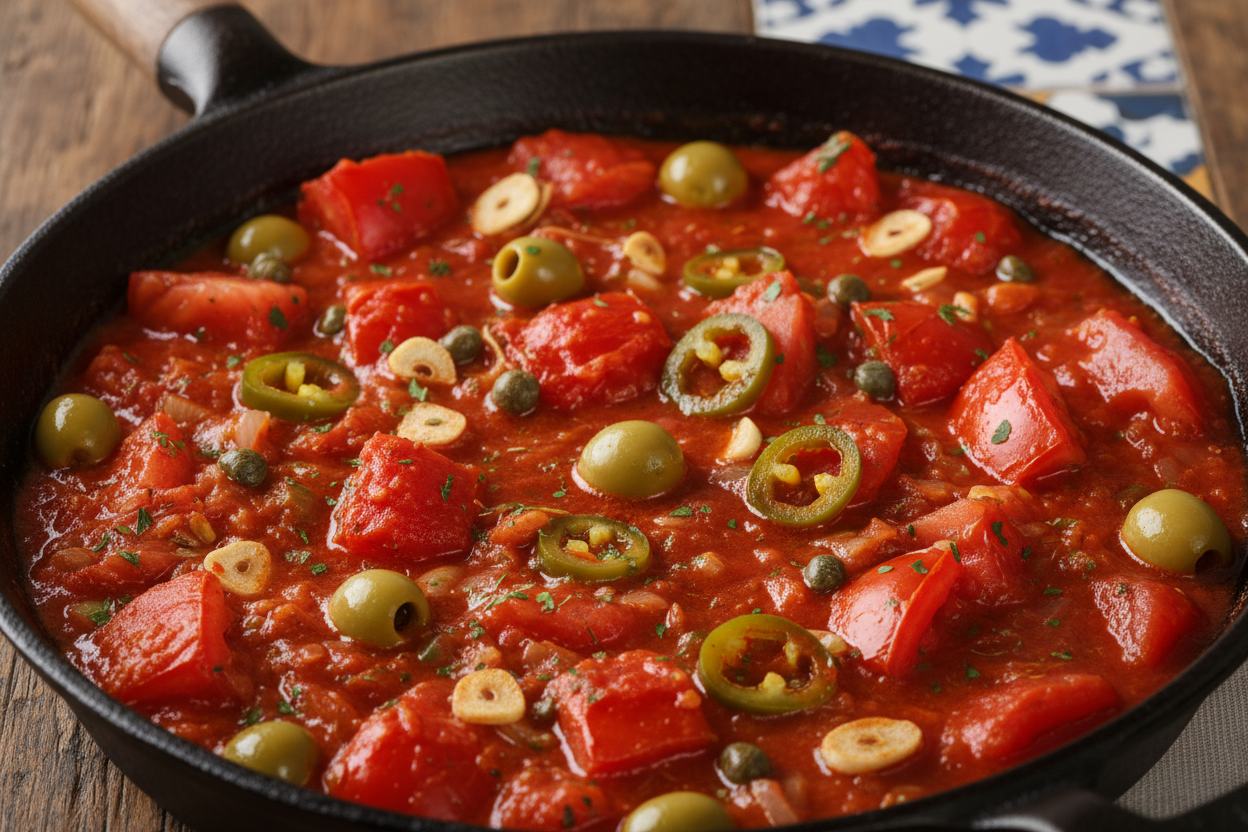
- Introduce Briny Elements: Now, it’s time for the signature ingredients. Stir in the pitted green olives, capers (drained), and sliced pickled jalapeños, along with a tablespoon or two of their pickling liquid. Season with salt and freshly ground black pepper to taste. Continue to simmer for another 5-10 minutes, allowing all these vibrant flavors to come together. The sauce should be aromatic and richly colored. Taste and adjust seasonings as needed; you might want a little more acidity from the jalapeño liquid, or a touch more salt from the olives.
Baking the Fish to Perfection
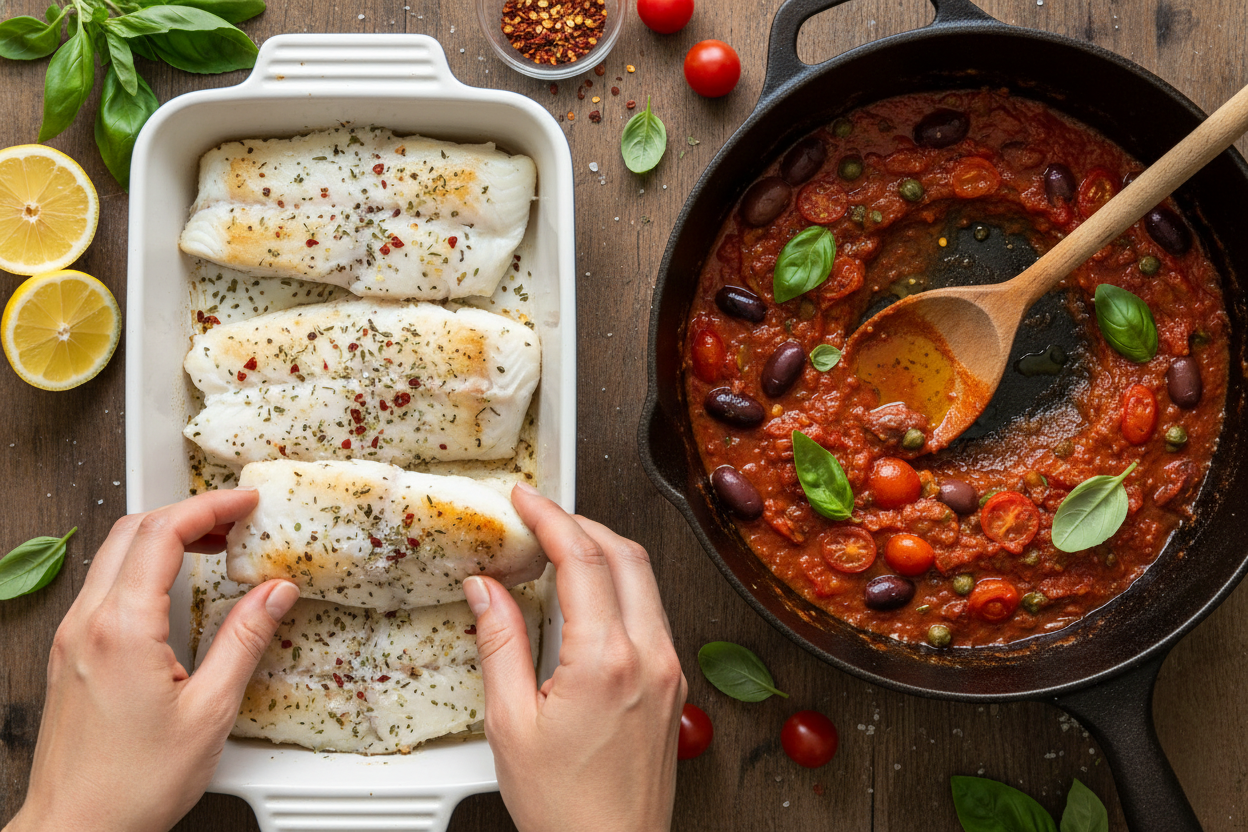
With your sauce simmering beautifully, it’s time to prepare the fish. Baking the fish directly in the sauce ensures it stays incredibly moist and becomes thoroughly infused with the Veracruzana flavors.
- Prepare the Fish: Pat your fish fillets (or whole fish) dry with paper towels. Season generously on both sides with salt and pepper. If using fillets, you might also sprinkle a little oregano.
- Nestle into Sauce: Gently place the seasoned fish directly into the simmering Veracruzana sauce in your oven-safe skillet. Ensure the fish is mostly submerged in the sauce. If your fish isn’t quite covered, you can spoon some sauce over the top.
- Bake: Transfer the skillet to a preheated oven at 375°F (190°C). Bake for 12-20 minutes, depending on the thickness of your fish. Fillets typically cook faster (12-15 minutes), while a whole fish might take longer. The fish is done when it flakes easily with a fork at its thickest part. Be careful not to overcook, as this will dry out the fish.
Once baked, carefully remove the skillet from the oven. The aroma filling your kitchen will be utterly irresistible!
What to Serve with this Mexican Seafood Dish
Pescado a la Veracruzana is a complete meal in itself, but a simple accompaniment can elevate the experience and help soak up every drop of that incredible sauce. My favorite healthy pairing is brown rice. Its slightly nutty flavor and satisfying texture provide a wonderful contrast to the tender fish and vibrant sauce, while also making this a truly wholesome and filling meal.
To finish the plate, a sprinkle of fresh chopped cilantro adds a burst of herbaceous freshness, and a generous squeeze of fresh lime juice just before serving brightens all the flavors, cutting through the richness beautifully. You could also serve it with a side of simple steamed green beans or a light green salad with a citrus vinaigrette for extra vegetables, reinforcing its status as one of the best healthy Mexican recipes.
Recipe Variations and Substitutions
The beauty of cooking is in personalization. While the classic Veracruzana is perfect as is, don’t hesitate to experiment with these variations:
- Spicier Kick: For those who crave more heat, feel free to add an extra pickled jalapeño (or two!) to the sauce. You could also finely mince a fresh serrano pepper and sauté it with the onions and garlic at the beginning for a bolder, brighter spice.
- Different Proteins: The versatility of the Veracruzana sauce extends beyond fish. It pairs wonderfully with other proteins. Try simmering boneless, skinless chicken thighs or breasts in the sauce for a flavorful poultry dish. Shrimp can also be added towards the end of the fish’s cooking time, allowing them to gently poach in the hot sauce until just cooked through.
- Added Veggies: Boost the nutritional value and texture by adding extra vegetables. Sliced bell peppers (red, yellow, or green) can be sautéed with the onions, or finely diced carrots can be added to the sauce along with the tomatoes. Olives and capers are already a great start, but feel free to experiment.
Storage and Reheating Tips
Leftovers of this delightful Mexican seafood dish are a treat, though it’s always best enjoyed fresh. To store, transfer any remaining fish and sauce to an airtight container and refrigerate promptly. It will keep well for up to 2-3 days.
When reheating, do so gently to prevent the fish from drying out. The best method is to warm it slowly in a covered skillet over low heat on the stovetop, adding a splash of water or broth if the sauce seems too thick. You can also reheat it in the microwave on a low power setting, stirring occasionally, until just heated through. Avoid high heat, as it can make the fish rubbery and dry.
Pescado a la Veracruzana is more than just a recipe; it’s an experience, a taste of history, and a vibrant example of how diverse culinary traditions can come together to create something truly extraordinary. Whether you’re a seasoned chef or a home cook looking to expand your repertoire, this red snapper recipe (or whichever white fish you choose!) is sure to impress with its depth of flavor and elegant simplicity. Enjoy the journey to Veracruz!
For more delicious and authentic Mexican recipes, come join our community! Follow us on Facebook: https://www.facebook.com/profile.php?id=61568538666337
Pescado a la Veracruzana
Ingredients
- 1.5 lbs White fish fillets Red snapper, cod, or tilapia
- 2 tbsp Olive oil
- 1/2 cup Yellow onion Diced
- 3 cloves Garlic Minced
- 14.5 oz Diced tomatoes Canned, undrained
- 1/3 cup Green olives Pitted and halved
- 2 tbsp Capers Drained
- 2 tbsp Pickled jalapeños Chopped
- 1 tsp Dried oregano
- 2 Bay leaves
- 1/4 cup Fresh cilantro Chopped
- 1 Lime Cut into wedges
- 2 cups Brown rice Cooked
Instructions
- Preheat the oven to 400°F (200°C). Lightly grease a 9x13 inch baking dish.
- Heat the olive oil in a large skillet over medium heat. Add the diced onion and minced garlic, sautéing for 3 to 4 minutes until softened and fragrant.
- Stir the diced tomatoes, green olives, capers, pickled jalapeños, dried oregano, and bay leaves into the skillet. Reduce the heat to medium-low and simmer the sauce for 10 minutes.
- Season the fish fillets evenly with salt and black pepper. Place the fillets in a single layer inside the prepared baking dish.
- Pour the simmered tomato and olive sauce completely over the fish fillets.
- Bake uncovered for 12 to 15 minutes, or until the fish is opaque and flakes easily with a fork. Cooking time may vary depending on the thickness of the fillets.
- Remove the baking dish from the oven and discard the bay leaves.
- Garnish the fish and sauce with chopped fresh cilantro. Serve immediately over warm cooked brown rice with lime wedges on the side.
For more daily recipes and tips, follow us on Facebook!
Click here to join our community!