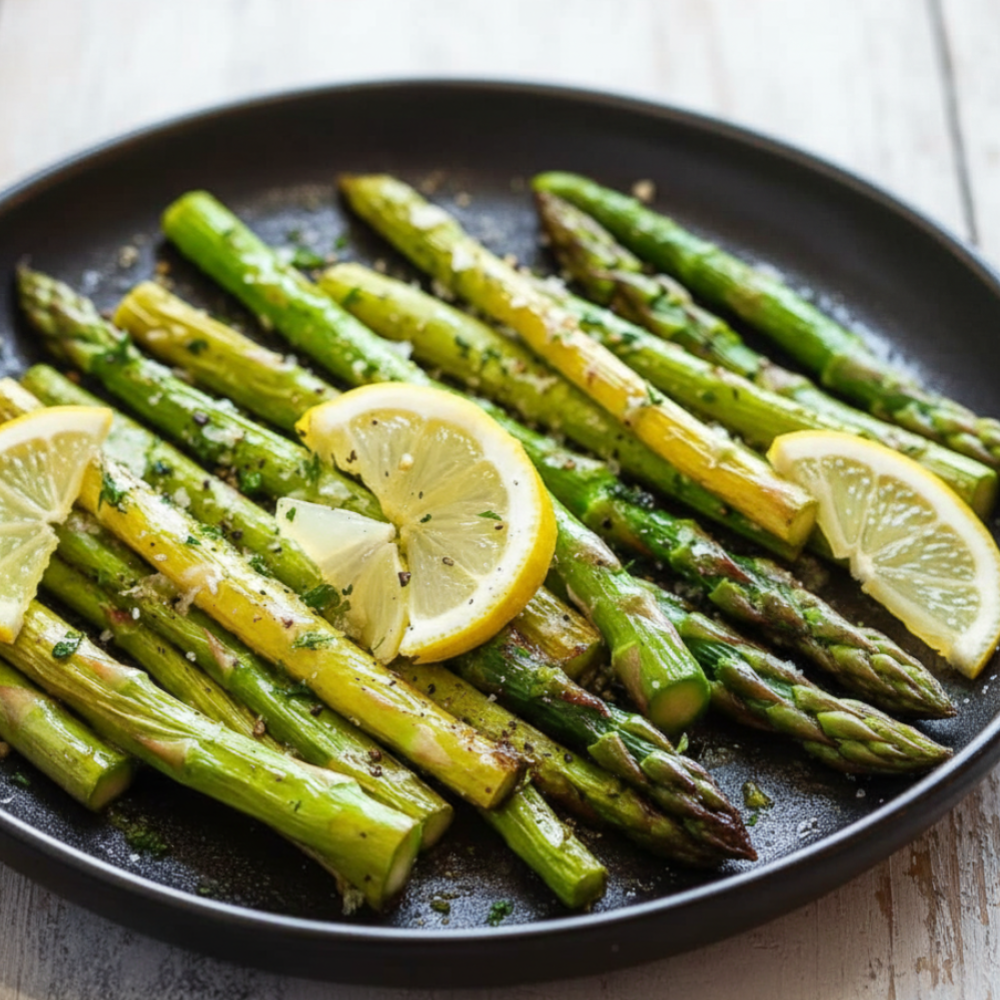
There’s something truly magical about fresh asparagus, especially when it’s prepared simply to let its natural flavors shine. As soon as spring arrives, I find myself drawn to those vibrant green spears, eager to incorporate them into every meal. Today, we’re diving into a method that will transform this humble vegetable into a show-stopping side dish: perfectly Pan Roasted Asparagus Lemon Garlic. Forget soggy, overcooked greens; this recipe promises crisp-tender results every single time, bursting with bright, zesty notes and a hint of savory warmth. It’s an effortless way to bring gourmet flair to your weeknight dinner table.
Why You’ll Love This Recipe
You’re going to fall in love with this asparagus preparation for so many reasons. First, it’s incredibly fast. From start to finish, you can have this amazing vegetable on your plate in under 15 minutes, making it the ultimate easy healthy side dish for busy evenings. The simple combination of fresh lemon, fragrant garlic, and a touch of butter (or olive oil) creates a flavor profile that is both vibrant and comforting. This isn’t just a side; it’s a celebration of spring produce, bringing color and freshness to any meal. Whether you’re pairing it with grilled chicken, baked fish, or a hearty vegetarian main, this skillet asparagus recipe is guaranteed to be a hit. It’s a foolproof method for achieving that coveted tender-crisp texture, a true testament to the beauty of simple, well-executed cooking.
The Nutritional Benefits of Asparagus
Beyond its delicious taste, asparagus is a nutritional powerhouse. These slender green spears are packed with essential vitamins and minerals, making them an excellent addition to a balanced diet. Asparagus is a fantastic source of Vitamin K, which is crucial for bone health and blood clotting, and Vitamin A, vital for vision and immune function. It also provides a significant amount of folate, important for cell growth and DNA formation, especially for expectant mothers. Rich in antioxidants and dietary fiber, asparagus aids in digestion and can help reduce inflammation. Including more spring vegetables like this in your meals is an easy way to boost your nutrient intake and support overall well-being. So, when you enjoy this flavorful dish, you’re not just treating your taste buds; you’re nourishing your body too.
Ingredients You’ll Need
To create this irresistible dish, you’ll need a handful of fresh, simple ingredients. The beauty of this recipe lies in its minimalism, allowing the quality of each component to truly shine.
- Fresh Asparagus: About one pound, look for vibrant green spears.
- Olive Oil: Or unsalted butter for that rich, golden finish and flavor.
- Garlic: Freshly minced cloves are non-negotiable for the best aroma and taste.
- Lemon: Fresh lemon juice and a little zest provide that essential bright, acidic lift.
- Salt and Freshly Ground Black Pepper: To season perfectly.
- Optional Garnish: Red pepper flakes for a subtle kick, or a sprinkle of fresh parsley.
How to Select the Best Asparagus
The success of any asparagus dish starts with choosing the best produce. When you’re at the market, look for asparagus spears that are bright green or purplish-green, with tight, compact tips. The stalks should feel firm and snap crisply when bent, not limp or rubbery. Avoid spears that look dry, shriveled, or have open, flowering tips, as these indicate older produce that will be woody and less flavorful. Thicker spears tend to be more tender and flavorful than very thin ones, which can sometimes overcook quickly. Store fresh asparagus upright in a glass with about an inch of water, loosely covered with a plastic bag, in the refrigerator for up to 3-4 days to maintain its freshness.
Substitutions and Flavor Variations
While the classic lemon garlic butter asparagus combination is perfection, don’t hesitate to experiment! For a dairy-free or vegan option, simply use olive oil instead of butter. If you’re out of fresh garlic, a quarter teaspoon of garlic powder can work in a pinch, though fresh is always preferred. Want a different herb? Fresh thyme or dill would also complement the asparagus beautifully. For a touch of umami, a splash of soy sauce or a sprinkle of nutritional yeast can add depth. Feeling adventurous? A pinch of red pepper flakes at the end adds a lovely subtle heat, or a grating of Parmesan cheese after cooking can elevate the dish even further. This recipe is wonderfully adaptable, so feel free to make it your own!
Step-by-Step Instructions
Let’s get cooking! This method ensures your stovetop asparagus is cooked to perfection, delivering maximum flavor and that delightful tender-crisp texture everyone loves. Get your large skillet ready, because we’re about to create magic.
Prepping and Trimming the Asparagus
- Rinse the asparagus spears thoroughly under cool water to remove any dirt.
- To prepare the asparagus for cooking, you’ll need to trim the woody ends. The easiest way to do this is to hold each spear firmly and bend it gently. It will naturally snap at the point where the tough, fibrous bottom meets the more tender part of the stalk. Discard the woody ends. Alternatively, you can line them up and cut off the bottom inch or two from the entire bunch with a knife, but the “snap” method is often more accurate for individual spears.
- Once trimmed, ensure the spears are relatively dry. Pat them gently with a clean kitchen towel if needed. This step is crucial for achieving a good sear when pan roasting.
Pan Roasting for the Perfect Texture
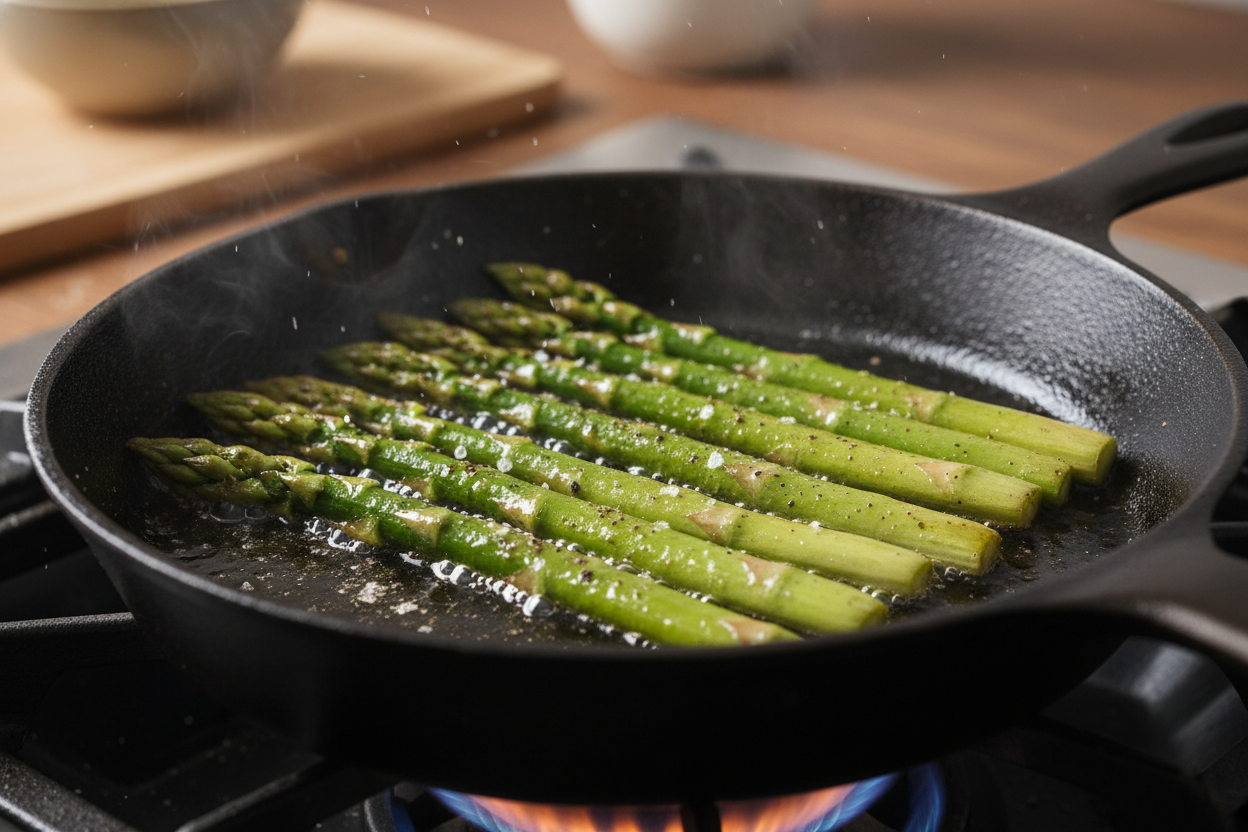
- Heat a large heavy-bottomed skillet (cast iron works wonderfully here!) over medium-high heat. Add 1-2 tablespoons of olive oil or butter. Once the oil shimmers or the butter is melted and slightly foamy, add the trimmed asparagus in a single layer. Avoid overcrowding the pan; if necessary, cook in batches.
- Allow the asparagus to cook undisturbed for 3-5 minutes, letting it develop a beautiful char and tenderness on one side. This is where the “pan seared asparagus” magic happens.
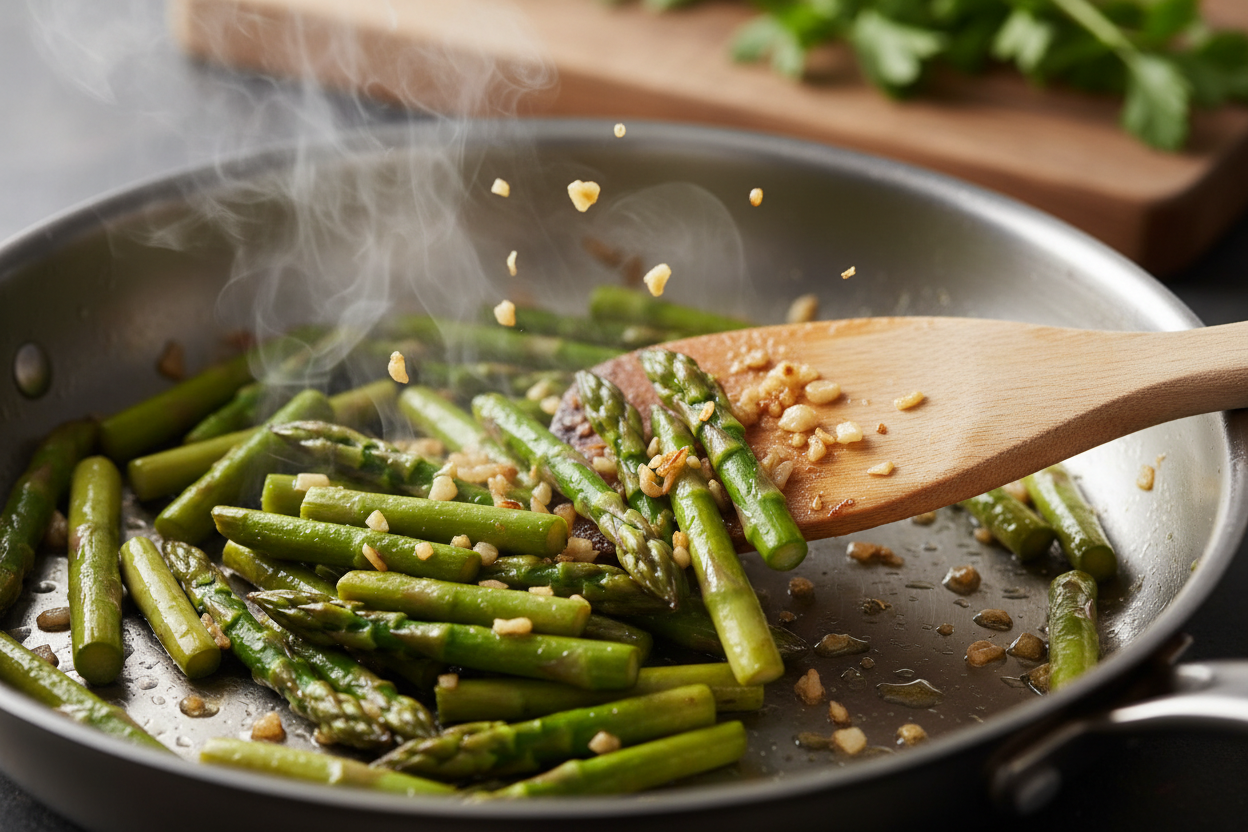
- Toss the asparagus gently, then add the minced garlic to the pan, stirring it around the asparagus for another 1-2 minutes until fragrant. Keep an eye on the garlic to prevent burning.
- Continue to cook, tossing occasionally, for another 3-5 minutes, or until the asparagus is bright green, tender-crisp, and slightly caramelized. The exact cooking time will depend on the thickness of your spears.
- Remove the skillet from the heat. Squeeze fresh lemon juice over the asparagus and toss to coat. Season generously with salt and freshly ground black pepper to taste. If desired, grate a little lemon zest over the top for an extra burst of aroma.
Expert Cooking Tips
Even though this dish is simple, a few expert tips can elevate your pan roasted asparagus from good to absolutely amazing.
Achieving a Tender-Crisp Bite
The secret to perfectly cooked asparagus is finding that sweet spot between raw and mushy. You want it tender enough to bite through easily, but still with a slight snap. Don’t overcrowd your pan. This is perhaps the most important rule for pan roasting any vegetable. If you pile too much asparagus into the skillet, it will steam instead of sear, resulting in a soft, dull texture. Cook in batches if necessary to ensure each spear has direct contact with the hot surface of the pan. High heat is also key; it promotes browning and ensures quick cooking, sealing in the freshness. You’re looking for those lovely caramelized spots that add incredible flavor and texture.
“A hot pan and space for vegetables to breathe are non-negotiable for that perfect tender-crisp texture!”
When to Add Garlic to Prevent Burning
Garlic is a wonderful flavor enhancer, but it can burn quickly, turning bitter and unpleasant. For this skillet asparagus recipe, the ideal time to add the minced garlic is towards the end of the cooking process. After the asparagus has had a few minutes to sear and soften, add the garlic to the pan and cook for just 1-2 minutes, stirring constantly. This allows the garlic to become fragrant and slightly softened without burning. If you add it too early, especially with a hot pan, you risk it charring before the asparagus is done. A quick sauté at the end is all it needs to infuse its incredible aroma into the dish.
Serving Suggestions
This vibrant asparagus dish is incredibly versatile and pairs beautifully with almost any main course. Serve it alongside grilled salmon or baked cod for a light and healthy meal. It’s a fantastic accompaniment to a perfectly seared steak or roasted chicken. For a vegetarian option, it complements cheesy polenta, mushroom risotto, or a hearty lentil salad. I also love to chop up the cooled leftovers and toss them into a fresh spring salad or even a frittata. It’s an easy healthy side dish that elevates any plate, adding both color and a burst of fresh flavor.
Storage and Reheating
Leftover pan roasted asparagus can be stored in an airtight container in the refrigerator for up to 3-4 days. While it’s always best enjoyed fresh, it reheats surprisingly well. For the best results, reheat gently in a dry skillet over medium-low heat until just warmed through, or pop it in a microwave for short bursts. Be careful not to overcook it during reheating, as it can become soggy. The texture might be slightly softer than when first cooked, but the delicious lemon garlic flavors will still be present.
Frequently Asked Questions
Got more questions about perfecting your pan roasted asparagus? Here are some common queries:
-
Q: Can I use frozen asparagus for this recipe?
A: While fresh asparagus is highly recommended for the best texture and flavor, you can use frozen. However, frozen asparagus tends to release more water and might become softer. Do not thaw before cooking; add it directly to the hot skillet, and be prepared for a slightly longer cooking time (around 8-10 minutes) to allow the water to evaporate and some caramelization to occur. You might not achieve the exact same crisp-tender bite as with fresh.
-
Q: How do I know when my asparagus is perfectly cooked?
A: Perfectly cooked asparagus will be bright green, slightly tender when pierced with a fork, but still have a pleasant crispness or “snap” when you bite into it. It should not be limp or mushy. The tips might be slightly charred, which adds to the flavor.
-
Q: Can I prepare this dish ahead of time for a party?
A: Asparagus is truly best served immediately after cooking to maintain its optimal texture. While you can prep the asparagus by trimming it a day in advance and storing it properly, I recommend doing the actual pan roasting just before serving. If you absolutely must, you can cook it a few hours ahead and serve it at room temperature, but avoid refrigerating and reheating if possible for the best quality.
If you loved this recipe and want to discover more delicious, easy-to-make dishes, make sure to follow our community on Facebook! Find us at: https://www.facebook.com/profile.php?id=61568538666337 for daily inspiration, cooking tips, and behind-the-scenes fun.
Easy Pan Roasted Asparagus Lemon Garlic
Ingredients
- 1 bunch Asparagus Woody ends trimmed
- 2 tbsp Olive oil Or unsalted butter
- 2 cloves Garlic Minced
- 1 whole Lemon Zested and juiced
- 1/2 tsp Kosher salt To taste
- 1/4 tsp Black pepper Freshly ground
Instructions
- Rinse the asparagus and snap or trim off the tough, woody ends.
- Heat the olive oil in a large skillet over medium-high heat until shimmering.
- Add the asparagus spears in a single layer. Cook for 5 to 7 minutes, turning occasionally, until they are tender-crisp and lightly blistered.
- Reduce the heat to medium-low. Add the minced garlic and toss continuously for 1 minute until fragrant, being careful not to let the garlic burn.
- Remove the skillet from the heat. Toss the asparagus with fresh lemon zest, lemon juice, salt, and black pepper.
- Transfer to a serving platter and serve immediately.
For more daily recipes and tips, follow us on Facebook!
Click here to join our community!