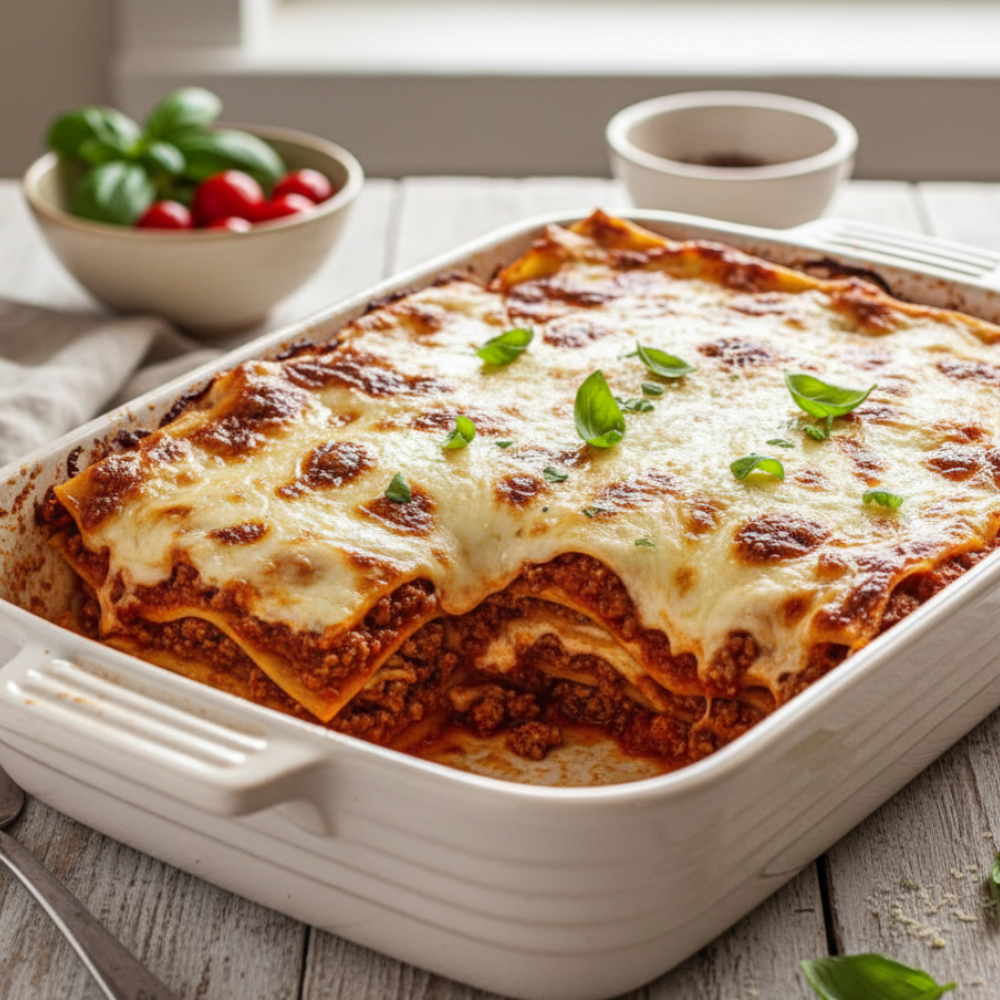
Beef Bolognese Lasagna: The Ultimate Italian Comfort Food
There are some dishes that just speak to the soul, and for many, Beef Bolognese Lasagna is at the top of that list. It’s more than just a meal; it’s a culinary embrace, a symphony of flavors and textures that evokes memories of family gatherings, Sunday dinners, and the sheer joy of truly satisfying comfort food. Imagine layers of tender pasta, a deeply savory, slow-cooked beef ragu, creamy homemade béchamel, and a generous blanket of melted cheese, all baked to golden perfection. This isn’t just any lasagna; it’s a journey to the heart of Emilia-Romagna, delivering an authentic Italian experience right in your kitchen.
The Magic of Lasagna alla Bolognese
While many variations of lasagna exist, the true magic lies in a meticulously prepared lasagna alla bolognese. Its foundation is a rich meat ragu, simmered for hours until it develops an incredible depth of flavor. This isn’t a quick sauce; it’s a labor of love that rewards patience with unparalleled taste. Paired with a velvety, homemade béchamel sauce, which provides a contrasting creaminess that balances the robust ragu, and perfectly cooked lasagna noodles, it transforms simple ingredients into an extraordinary dish. This combination creates a lasagna that is both hearty and refined, a testament to the timeless appeal of true Italian cooking.
Essential Ingredients for Beef Bolognese Lasagna
Crafting the perfect beef lasagna begins with selecting the right ingredients. Each component plays a crucial role in building the layered masterpiece that is a truly exceptional lasagna. Don’t skimp on quality here; fresh, flavorful ingredients will elevate your dish from good to unforgettable.
The Rich Meat Ragu
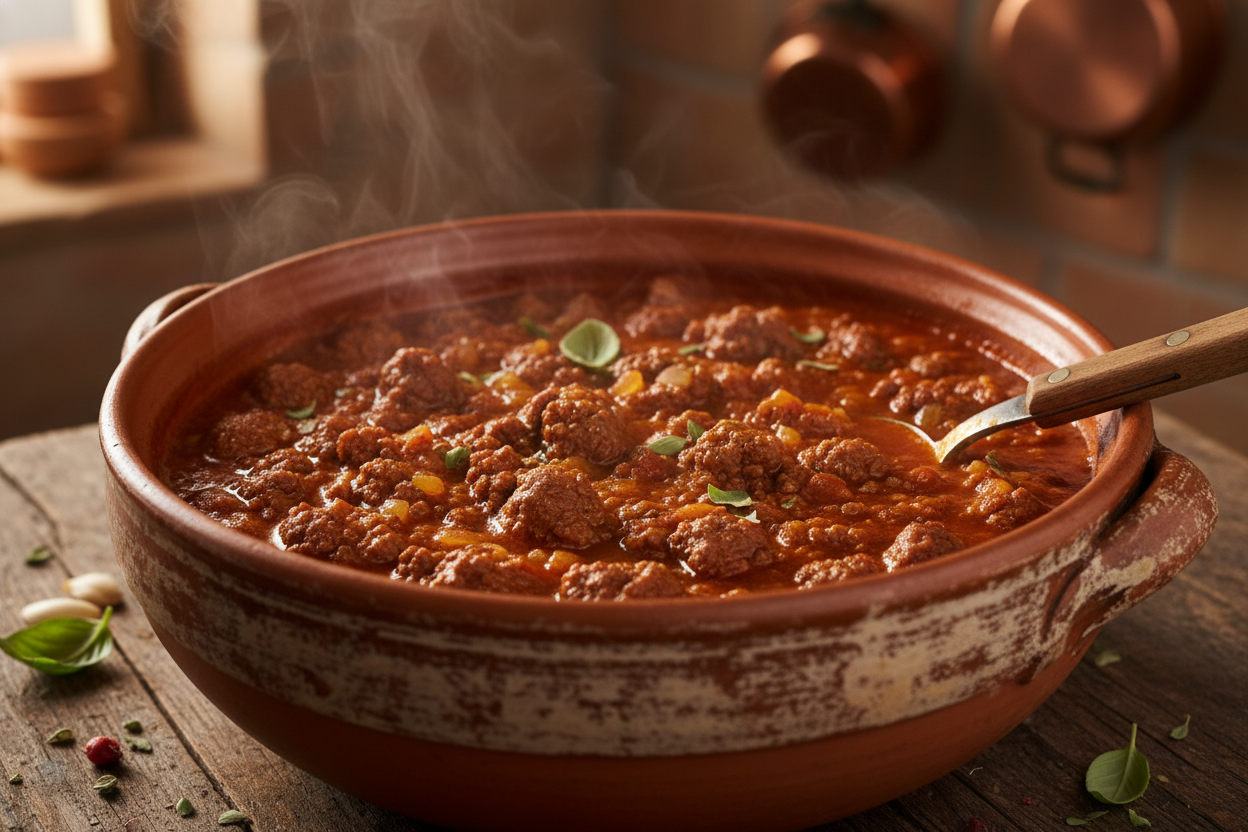
The heart and soul of our lasagna is the rich meat ragu. For this classic recipe, we’re focusing on a robust beef-based sauce that delivers incredible depth. We’ll be using ground beef, preferably 80/20, to ensure a tender texture and ample flavor. Alongside the beef, you’ll need a soffritto – a finely diced aromatic base of onion, carrots, and celery – which gently sweetens and provides a fragrant foundation. High-quality canned crushed tomatoes or passata are essential for the sauce’s body and tang, while a splash of dry red wine adds complexity and richness that truly makes the beef sing. A touch of whole milk, surprisingly, tenderizes the beef and adds a subtle creaminess, a secret passed down through generations of Italian cooks.
The Creamy Bechamel
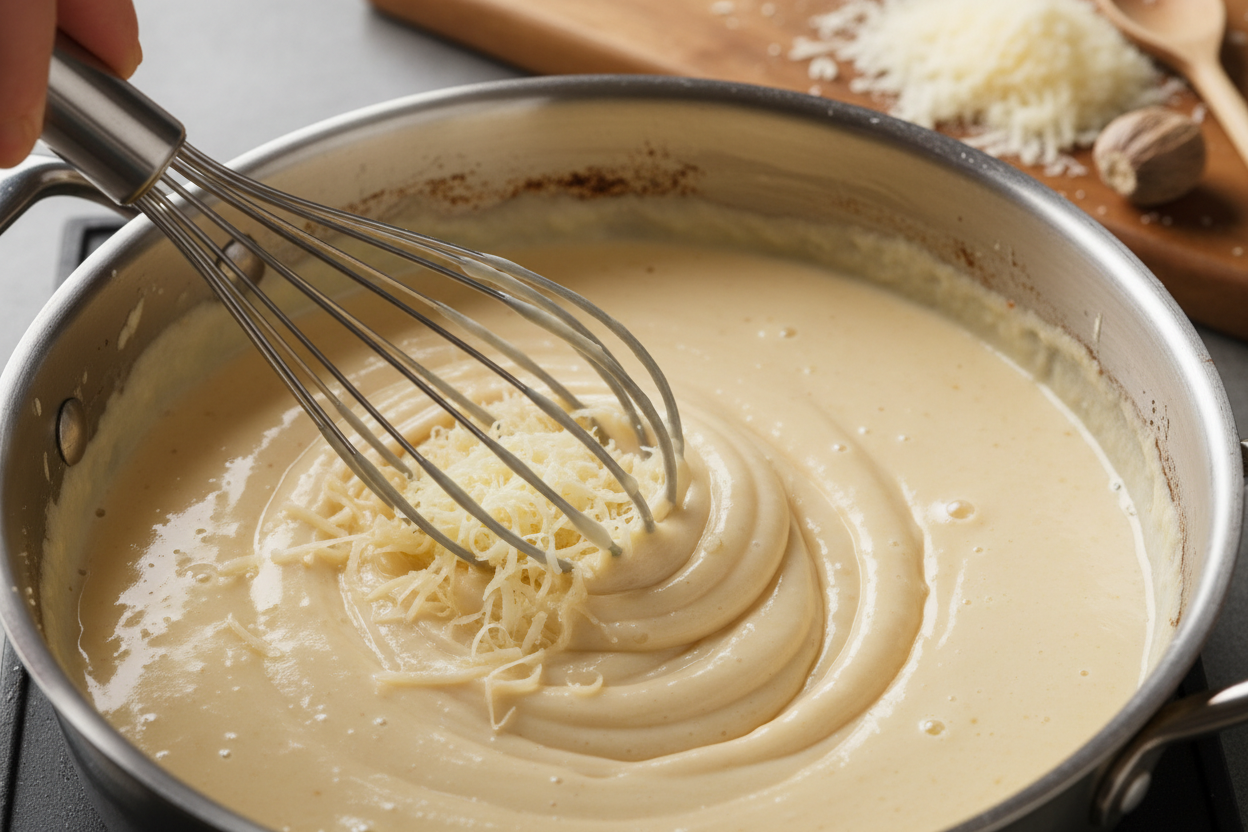
No authentic Italian lasagna would be complete without a luscious, homemade béchamel sauce. This elegant white sauce provides a creamy counterpoint to the rich ragu, preventing the lasagna from becoming too heavy and adding a silky texture to every bite. Made from a simple roux of butter and flour, slowly whisked with warm milk until thick and smooth, béchamel is surprisingly easy to make but utterly transformative. A pinch of nutmeg is a traditional touch, adding a warm, subtle spice that complements the other flavors beautifully. When it comes to the best cheese for lasagna, a combination is key. We’ll be using freshly grated Parmesan or Parmigiano-Reggiano for its sharp, salty notes, and mozzarella (preferably low-moisture, full-fat) for its incredible melt and stretch. Sometimes, a touch of provolone or fontina can also be added for extra flavor complexity.
Step-by-Step Preparation Guide
Patience is a virtue in Italian cooking, and this Beef Bolognese Lasagna recipe is a testament to that. While it has several steps, none are overly complicated, and each contributes to a spectacular end result. Let’s break it down.
Simmering the Bolognese Sauce
The foundation of your lasagna begins here. A proper ragu needs time to develop its complex flavors.
- Start the Soffritto: In a large, heavy-bottomed pot or Dutch oven, heat a generous drizzle of olive oil over medium heat. Add the finely diced onion, carrots, and celery. Sauté gently for 10-15 minutes until softened and translucent, but not browned. This step is crucial for building flavor.
- Brown the Beef: Increase the heat slightly and add the ground beef. Break it up with a spoon and cook until nicely browned, stirring occasionally. Drain any excess fat.
- Deglaze: Pour in the dry red wine. Bring to a simmer and scrape up any browned bits from the bottom of the pot. Let it cook until the wine has mostly evaporated, about 5 minutes.
- Add Liquids and Simmer: Stir in the whole milk and let it fully absorb before adding the crushed tomatoes or passata. Season with salt, pepper, and a bay leaf. Bring the sauce to a gentle simmer, then reduce the heat to low, cover partially, and let it cook for at least 2-3 hours, or even longer (up to 4 hours), stirring occasionally. The longer it simmers, the richer the flavor. Remove the bay leaf before using.
Creating the Perfect Bechamel
While the ragu simmers, you can prepare the creamy béchamel. This sauce should be smooth and free of lumps.
- Melt Butter: In a medium saucepan, melt the butter over medium heat.
- Add Flour: Whisk in the flour and cook, stirring constantly, for 1-2 minutes until a thick paste (roux) forms and smells slightly nutty. Do not let it brown too much.
- Gradually Add Milk: Slowly pour in the warm milk, whisking continuously to prevent lumps. It’s important to add the milk gradually to maintain a smooth consistency.
- Thicken the Sauce: Continue to whisk as the sauce comes to a gentle simmer and thickens. This will take about 5-7 minutes. Once it coats the back of a spoon, remove from heat. Season with salt, white pepper, and a pinch of freshly grated nutmeg. Cover the surface with plastic wrap to prevent a skin from forming.
Assembling the Layers
Now for the exciting part – bringing it all together! You’ll need your cooked ragu, béchamel, lasagna noodles (fresh or oven-ready), grated Parmesan, and shredded mozzarella.
- Prepare Noodles: If using fresh lasagna noodles, no pre-boiling is usually needed. If using dried, follow package instructions for al dente, or use oven-ready.
- First Layer: Spread a thin layer of béchamel sauce on the bottom of a 9×13-inch baking dish. This prevents the pasta from sticking.
- Noodle Layer: Arrange a single layer of lasagna noodles over the béchamel, overlapping slightly if necessary.
- Ragu and Bechamel: Spread about 1.5 cups of the rich meat ragu evenly over the noodles. Then, dollop and spread about 0.5-0.75 cups of béchamel over the ragu.
- Cheese Layer: Sprinkle generously with a mix of Parmesan and mozzarella cheese.
- Repeat: Continue layering in this order: noodles, ragu, béchamel, cheese. Repeat for 3-4 layers, or until you reach the top of your baking dish.
- Top Layer: Finish with a final layer of noodles, generously covered with the remaining béchamel sauce and an abundant amount of Parmesan and mozzarella.
- Bake: Cover the dish loosely with foil (you can spray the underside of the foil with cooking spray to prevent sticking). Bake in a preheated oven at 375°F (190°C) for 30 minutes.
- Uncover and Brown: Remove the foil and continue baking for another 20-30 minutes, or until the top is golden brown and bubbly.
- Rest: This is crucial! Let the lasagna rest for at least 15-20 minutes before slicing and serving. This allows the layers to set and prevents it from falling apart.
Expert Tips for the Best Beef Lasagna
Achieving that perfect, restaurant-quality lasagna at home is within reach with a few expert insights.
- Quality of Beef: Opt for good quality ground beef (80/20 lean-to-fat ratio is ideal for flavor). The beef is the star of your rich meat ragu, so its quality directly impacts the final taste.
- Don’t Rush the Ragu: The slow simmer is non-negotiable for true depth of flavor. Resist the urge to cut corners; good things come to those who wait!
- Warm Milk for Bechamel: Using warm milk when making your homemade béchamel sauce helps prevent lumps and makes for a smoother, quicker thickening process.
- Noodle Choice: If using dried lasagna noodles, consider “oven-ready” or “no-boil” varieties for convenience, though fresh pasta offers an unparalleled delicate texture. If boiling, aim for slightly undercooked (al dente) as they will continue to cook in the oven.
- The Best Cheese for Lasagna: While mozzarella and Parmesan are standard, consider adding a layer of creamy ricotta or a blend of fontina for extra richness and a different texture profile. Always grate your own cheese for superior melt and flavor.
- Resting Period: This tip is often overlooked but absolutely essential. Allowing the lasagna to rest for at least 15-20 minutes after baking allows the sauces to settle and the layers to firm up, making for cleaner, more intact slices.
Make-Ahead and Storage Advice
One of the many beauties of a classic lasagna is its potential as a make ahead lasagna. You can assemble the entire dish up to 24 hours in advance, cover it tightly with plastic wrap, and refrigerate it. When ready to bake, let it sit at room temperature for 30-60 minutes before baking as directed, adding an extra 10-15 minutes to the covered baking time.
Cooked lasagna also freezes wonderfully. Once cooled completely, you can cut it into individual portions and freeze them in airtight containers for up to 3 months. Thaw overnight in the refrigerator and reheat gently in the oven or microwave. A whole baked lasagna can also be frozen, wrapped tightly in foil and plastic wrap, and then thawed and reheated (covered) in the oven until warmed through.
Frequently Asked Questions
We often get asked common questions about perfecting this beloved dish. Here are some of the most frequent ones:
Q: Can I use different types of meat in the ragu?
A: While this recipe focuses on a rich beef ragu, you can certainly experiment. However, for an authentic Italian lasagna experience, beef provides the ideal robust flavor and texture.
Q: My béchamel sauce is lumpy. What went wrong?
A: Lumpy béchamel usually occurs if the milk is added too quickly or isn’t warm, or if you stop whisking. To fix it, remove the pan from heat and vigorously whisk out the lumps. If still lumpy, you can pass it through a fine-mesh sieve.
Q: Do I really need to use homemade béchamel? Can’t I just use ricotta?
A: For an authentic Italian lasagna, especially lasagna alla bolognese, homemade béchamel is traditional and highly recommended. It provides a creamy, delicate balance that ricotta alone doesn’t quite achieve. Ricotta is more commonly found in American-style lasagnas.
Q: Why is my lasagna watery after baking?
A: This can happen for a few reasons: the ragu might have been too thin, the béchamel not thick enough, or the lasagna wasn’t allowed to rest properly after baking. Ensure your sauces are properly reduced and thickened, and always give your lasagna ample resting time.
Q: What’s the best way to ensure my lasagna noodles don’t stick together?
A: If boiling dried lasagna noodles, use a very large pot with plenty of salted water. Stir frequently during cooking, and don’t overcrowd the pot. For the easiest approach, consider fresh pasta sheets or “no-boil” oven-ready lasagna noodles.
There you have it – your comprehensive guide to creating an unforgettable Beef Bolognese Lasagna. This dish is a true celebration of flavor, tradition, and the joy of sharing good food. Gather your ingredients, put on some Italian music, and prepare to embark on a delicious culinary adventure!
For more delicious recipes, cooking tips, and behind-the-scenes glimpses into our kitchen, be sure to follow us on Facebook! You can find us at https://www.facebook.com/profile.php?id=61568538666337. We can’t wait to connect with you!
Authentic Beef Bolognese Lasagna
Ingredients
- 12 sheets Lasagna noodles Boiled to al dente
- 1.5 lbs Ground beef 80/20 blend recommended
- 28 oz Crushed tomatoes Canned
- 1 medium Yellow onion Finely diced
- 3 cloves Garlic Minced
- 4 tbsp Unsalted butter
- 0.25 cup All-purpose flour
- 3 cups Whole milk Warmed
- 1 cup Parmesan cheese Grated
- 2 cups Mozzarella cheese Shredded
- 0.5 cup Cherry tomatoes Halved
- 0.25 cup Fresh basil Chopped for garnish
Instructions
- Brown the ground beef with diced onion and minced garlic in a large pot over medium heat until fully cooked.
- Pour in the crushed tomatoes, season with salt and pepper, and simmer on low for 45 minutes to create a rich bolognese sauce.
- In a separate saucepan, melt butter, whisk in flour, and gradually add warm milk, cooking until the bechamel sauce thickens. Stir in half of the Parmesan cheese.
- Boil the lasagna noodles in salted water according to package directions until al dente, then drain.
- In a 9x13 inch baking dish, layer meat sauce, noodles, bechamel sauce, and mozzarella cheese. Repeat layers, finishing with bechamel and remaining cheeses.
- Top with halved cherry tomatoes and bake at 375 degrees Fahrenheit for 45 minutes until bubbly and golden brown.
- Let the lasagna rest for 15 minutes before slicing. Garnish with fresh basil before serving.
For more daily recipes and tips, follow us on Facebook!
Click here to join our community!