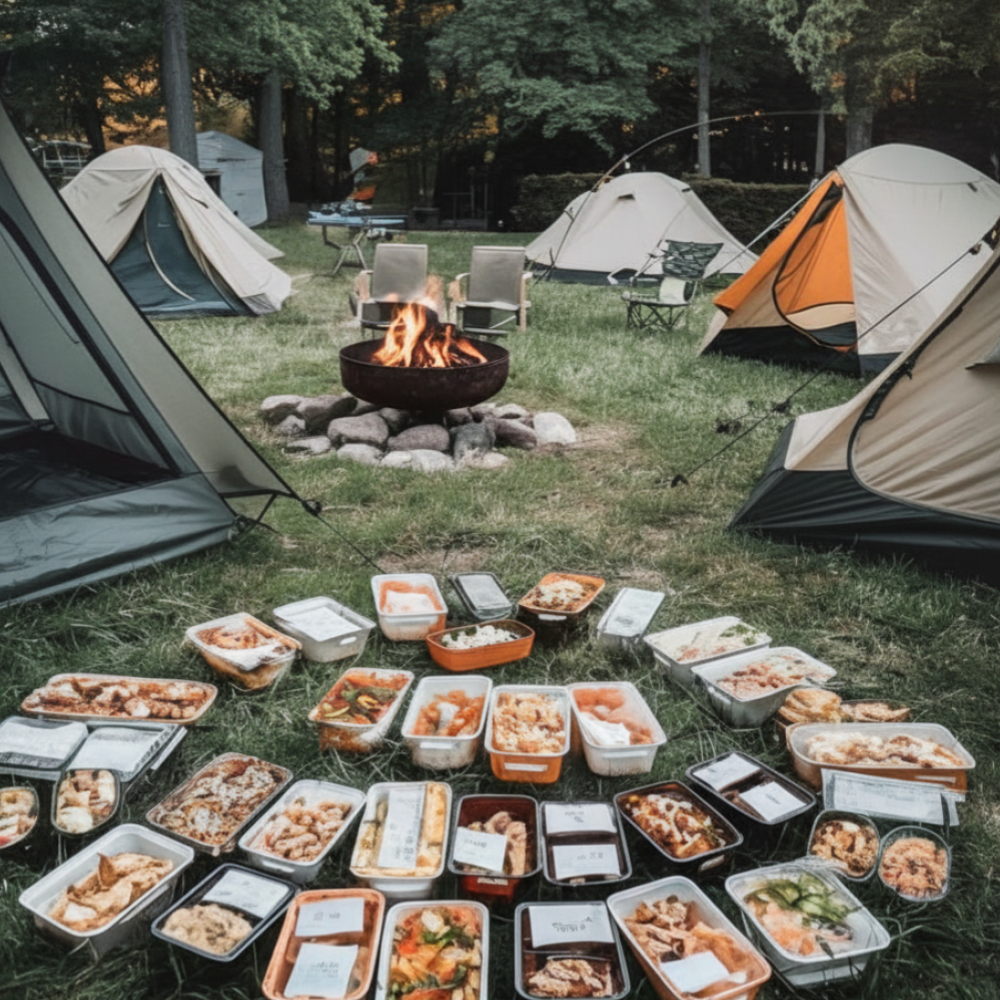
Embarking on an outdoor adventure requires careful planning, especially when it comes to sustenance. The thrill of nature should not be overshadowed by complicated meal preparations. This is where camping pre-made meals become invaluable. Preparing your food in advance transforms your outdoor experience, offering both convenience and nutrition. Imagine more time enjoying the scenery and less time fussing over a stove. These ready-to-eat solutions are designed to fuel your journey efficiently, from serene tent camping dinners to robust hiking food.
Why Choose Pre-Cooked Dishes for Outdoor Trips?
Opting for pre-cooked dishes significantly enhances your outdoor experience. The advantages extend beyond mere convenience.
- Saves time and fuel at the campsite: Pre-prepared meals mean minimal cooking at your destination. This reduces reliance on precious camp fuel and frees up valuable time. You spend less effort on meal preparation and more moments soaking in the environment. Enjoy easy outdoor dining without the usual culinary fuss.
- Reduces cross-contamination risks with raw meats: Handling raw ingredients in a wilderness setting can be challenging. Pre-cooking meats at home eliminates this risk, ensuring safer food handling. You pack cooked, safe components, reducing concerns about foodborne illness while away from your kitchen.
- Minimizes cleanup and dishwashing in the wilderness: Fewer dishes mean less water usage and less waste. With many components prepared beforehand, cleanup often involves just a few utensils and containers. This is particularly beneficial for remote areas where water resources are limited, making your trip more eco-friendly and enjoyable.
How to Safely Store and Reheat Your Food
Proper outdoor food storage is paramount for enjoying your pre-made meals safely. Careful handling ensures freshness and prevents spoilage.
Choosing the right leak-proof containers
Invest in high-quality, durable, leak-proof containers. These are essential for preventing spills and keeping your food fresh. Opt for containers made from BPA-free plastic or stainless steel. Ensure lids form a tight seal. For liquid-heavy meals like stir-fries or salads with dressing, double-check the seal or use a secondary bag for extra protection.
Cooler packing strategies (ice block vs. cubed ice)
Effective cooler packing extends the life of your food. For longer trips, an ice block is superior to cubed ice. Large ice blocks melt much slower, maintaining a colder temperature for an extended period. Place ice blocks at the bottom, then layer your coldest items, followed by less temperature-sensitive foods. Use a cooler specifically designed for long-term cold retention. For shorter excursions, cubed ice is sufficient, but ensure it is well-packed around all food items.
Reheating techniques using a portable camp stove or cast-iron skillet
Reheating your make-ahead campfire food should be straightforward. A portable camp stove is efficient and versatile. Use it with a pot or pan for items like stir-fries or pre-cooked breakfast burritos. For heartier dishes, a cast-iron skillet can be used directly over a camp stove or open flame. This method provides even heating and can add a pleasant char. Many dishes, such as grain bowls or chicken pasta salads, are designed as no-cook nature meals and can be enjoyed cold, eliminating the need for reheating altogether.
Top 50 Make-Ahead Ideas (Overview)
Preparing a variety of dishes ensures diverse and satisfying meals on your trip. These ideas provide a foundation for versatile camping pre-made meals.
Breakfasts
Kickstart your day with minimal effort. Overnight oats are a fantastic no-cook option. Combine oats, liquid, and toppings in a jar the night before your trip. They are ready to eat straight from the cooler. For a warm start, pre-mixed pancake batter can be prepared by combining dry ingredients at home. Simply add wet ingredients at the campsite, cook on a griddle, and enjoy fresh pancakes. Breakfast burritos are another excellent choice. Cook eggs, beef, and vegetables, then wrap them in tortillas. Freeze them individually and reheat over a camp stove or open fire.
Lunches
Midday meals should be light, energizing, and easy to consume on the go. Chicken pasta salads are refreshing and require no reheating. Cooked chicken, pasta, and vegetables tossed with a light dressing make a satisfying meal. Grain bowls offer endless customization. Prepare a base of cooked quinoa or rice, add cooked vegetables, a protein like chicken or beef, and a dressing. Pack components separately or assembled, ready for immediate consumption. Hearty wraps with pre-cooked fillings such as chicken, beef, or beans with vegetables are perfect for pre-cooked hiking food. They are compact, portable, and require no utensils. These make for convenient ready-to-eat trail meals.
Dinners
After a day of outdoor activity, a substantial and healthy dinner is crucial. Beef stir-fries are a fantastic option. Cook the beef and vegetables at home, then combine with rice. Reheat quickly over a stove. Foil packet meals can be assembled with cooked protein, vegetables, and seasonings. While some are cooked fresh, you can pre-cook components at home to significantly reduce campsite cooking time. Just toss them onto the coals or a grill to finish warming. Shrimp and noodle salads are a lighter, yet flavorful alternative. Cooked shrimp, noodles, and crisp vegetables tossed with a vibrant dressing can be enjoyed cold, making them perfect for healthy tent camping dinners, especially on warmer evenings. These diverse options make meal prep for RV trips or any outdoor excursion incredibly efficient.
Featured Recipe: Master Make-Ahead Outdoor Meal Prep (Beef Stir-Fry & Chicken Pasta Salad)
This versatile meal prep offers two distinct dishes from a single cooking session, perfect for varied appetites and situations. It ensures you have delicious camping pre-made meals ready for any adventure.
Ingredients
- 16 oz Beef Sirloin
- 16 oz Chicken Breast (cooked and cubed)
- 2 cups Cooked White Rice
- 2 cups Cooked Rotini Pasta
- 2 whole Bell Peppers (sliced)
- 1 cup Carrots (julienned)
- 1 cup Cucumbers (diced)
- 2 cups Leafy Greens (spinach/kale)
- 0.5 cup Teriyaki Sauce
- 0.25 cup Italian Dressing
Instructions
Prepare both meals simultaneously to maximize efficiency for your make-ahead campfire food.
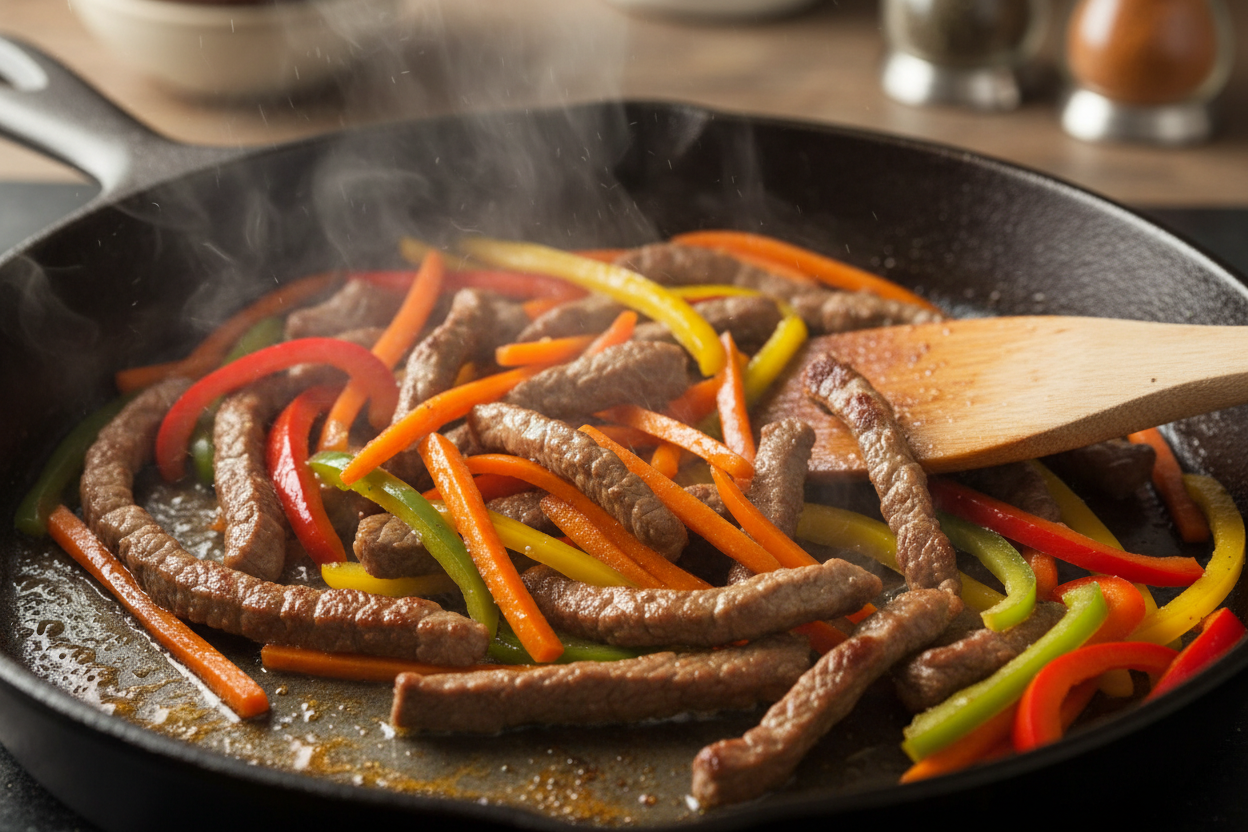
- Slice the 16 oz Beef Sirloin into thin strips. Sauté these strips in a skillet over medium-high heat until they are thoroughly browned. Add half of the 2 whole sliced Bell Peppers and all of the 1 cup julienned Carrots to the skillet with the beef, cooking until the vegetables are tender.
- Stir the 0.5 cup Teriyaki Sauce and 2 cups Cooked White Rice into the beef mixture. Allow this entire mixture to cool completely before proceeding. Once cooled, carefully portion the beef stir-fry into airtight, leak-proof containers for travel.
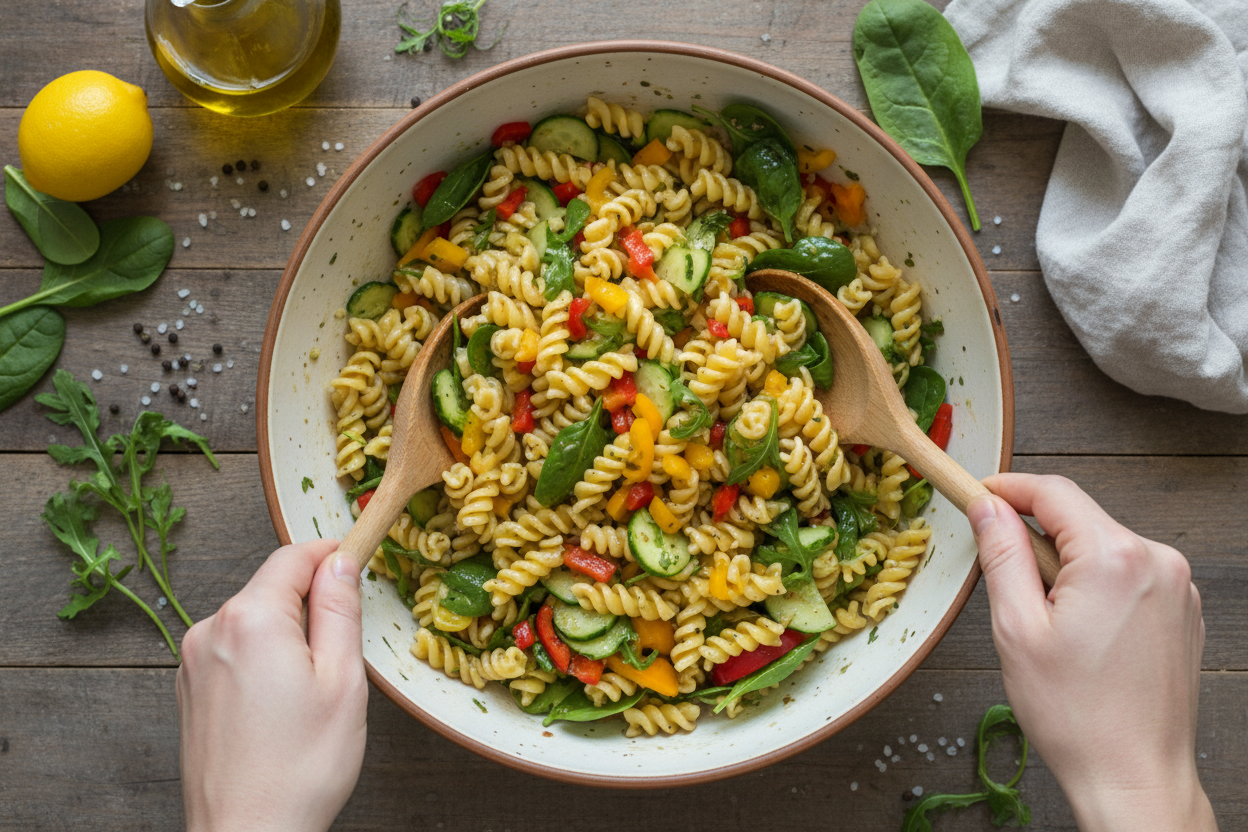
- In a large mixing bowl, combine the 16 oz cooked cubed Chicken Breast, 2 cups Cooked Rotini Pasta, the 1 cup diced Cucumbers, the remaining half of the 2 whole Bell Peppers, and the 2 cups Leafy Greens (spinach or kale).
- Toss the chicken pasta salad components with the 0.25 cup Italian Dressing until all ingredients are evenly coated. Chill this salad immediately to maintain freshness. Pack it into separate secure containers.
- Store all prepared containers in a high-quality cooler with ice packs to ensure proper temperature control. When ready to eat, reheat the beef stir-fry over a portable camp stove until warm throughout. Serve the chicken pasta salad cold, as a refreshing no-cook nature meal.
Tips for Customizing Your Dishes
Personalizing your camping pre-made meals ensures they cater to your preferences and dietary needs. Small adjustments can make a big difference.
- Swapping chicken for chilled cooked shrimp: For lighter options or a change in protein, cooked shrimp can replace chicken in salads or wraps. Ensure the shrimp is fully cooked and chilled before packing. It integrates seamlessly into the chicken pasta salad, offering a different flavor profile.
- Maximizing crunch with extra carrots and cucumbers: Texture adds enjoyment to any meal. Increase the amount of julienned carrots and diced cucumbers in your salads or stir-fries. Their crispness provides a refreshing contrast, especially in pre-made dishes that can sometimes become soft over time.
- Best sauce variations for longevity in a cooler: When choosing dressings and sauces for your outdoor food storage, opt for vinaigrettes or oil-based dressings like Italian dressing. Creamy sauces can sometimes separate or spoil faster in fluctuating cooler temperatures. Pack sauces separately and add them just before serving to maintain freshness and prevent sogginess.
Frequently Asked Questions
Addressing common concerns helps ensure a smooth and safe outdoor dining experience. These insights contribute to effective meal prep for RV trips and other excursions.
How many days will meal-prepped food last in a cooler?
Properly stored meal-prepped food can last 3 to 5 days in a well-maintained cooler. This depends heavily on the cooler’s quality, the type of ice used (ice blocks are better), and how often the cooler is opened. Always ensure perishable items remain below 40°F (4°C). If temperatures rise, consume quickly or discard.
Can I freeze these meals before my trip?
Yes, many of these meals can be frozen before your trip. Beef stir-fries and breakfast burritos freeze particularly well. Chicken pasta salads might have softer pasta or vegetables after freezing and thawing, but they are generally safe. Freezing helps extend their shelf life significantly, often for several weeks. Thaw frozen meals in the cooler during your travel, allowing them to slowly defrost while keeping other items cold.
What are the best vegetables for packing?
For outdoor adventures, select vegetables that are sturdy and maintain their texture well. Bell peppers, carrots, and cucumbers are excellent choices as they remain crisp and do not easily bruise. Leafy greens like spinach and kale are also good but pack them separately or add just before serving to prevent wilting. Avoid high-water content vegetables like lettuce or tomatoes for dishes intended to last multiple days, as they can become soggy.
Embrace the convenience and satisfaction of camping pre-made meals on your next outdoor excursion. With thoughtful planning and proper storage, you can elevate your wilderness dining, leaving more time for adventure and less for kitchen duties. These robust and healthy options make for truly enjoyable easy outdoor dining.
To discover more practical tips, delicious recipes, and connect with a community of outdoor food enthusiasts, follow our Facebook page.
Master Make-Ahead Outdoor Meal Prep (Beef Stir-Fry & Chicken Pasta Salad)
Ingredients
- 16 oz Beef Sirloin
- 16 oz Chicken Breast Cooked and cubed
- 2 cups Cooked White Rice
- 2 cups Cooked Rotini Pasta
- 2 whole Bell Peppers Sliced
- 1 cup Carrots Julienned
- 1 cup Cucumbers Diced
- 2 cups Leafy Greens Spinach or kale
- 0.5 cup Teriyaki Sauce
- 0.25 cup Italian Dressing
Instructions
- Slice the beef sirloin into thin strips and sauté in a skillet over medium-high heat until browned. Add half the sliced bell peppers and the julienned carrots, cooking until tender.
- Stir the teriyaki sauce and cooked white rice into the beef mixture. Let it cool completely, then portion into airtight, leak-proof containers.
- In a large mixing bowl, combine the cooked cubed chicken breast, cooked rotini pasta, diced cucumbers, the remaining bell peppers, and leafy greens.
- Toss the chicken pasta salad with Italian dressing until evenly coated. Chill immediately and pack into separate secure containers.
- Store all containers in a high-quality cooler with ice packs. Reheat the beef stir-fry over a camp stove, and serve the chicken pasta salad cold.
For more daily recipes and tips, follow us on Facebook!
Click here to join our community!