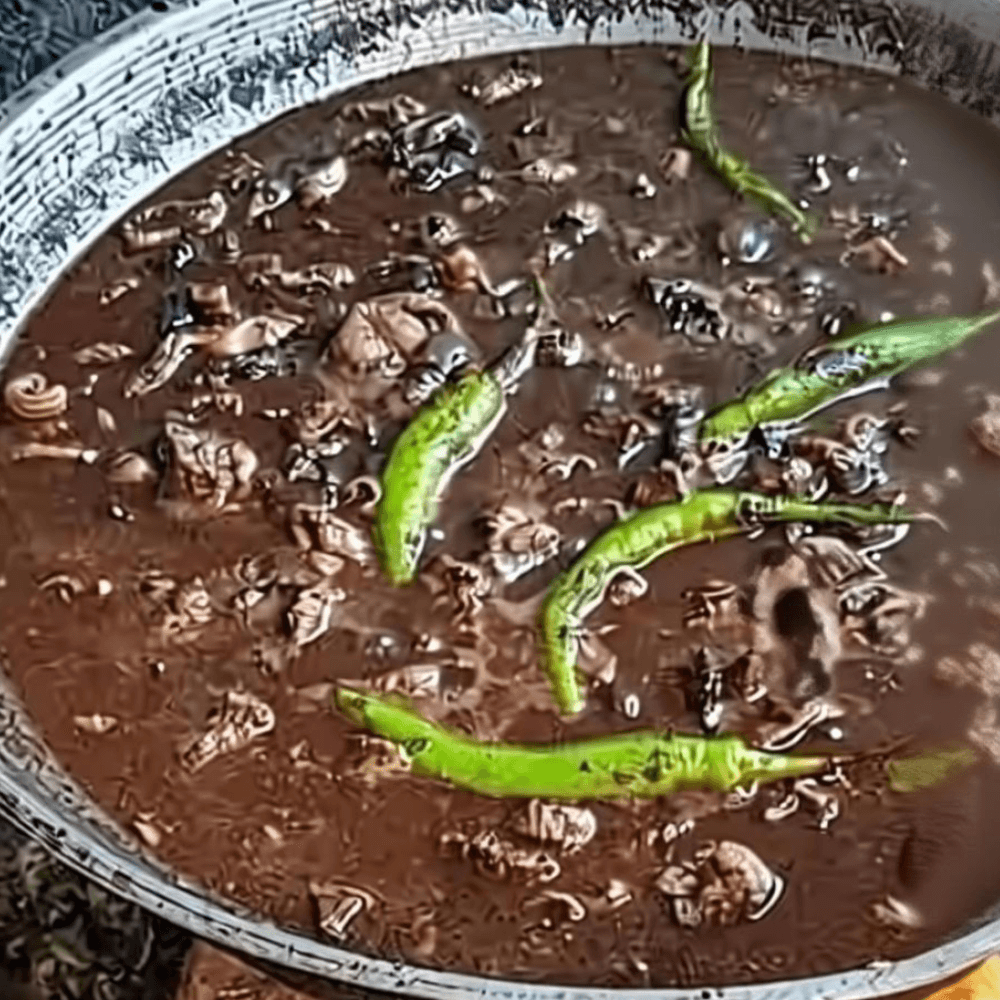
Step into the rich and vibrant world of Filipino cuisine, and you’ll inevitably encounter a dish that’s as bold in flavor as it is in appearance: Beef Dinuguan. Often referred to affectionately as “Filipino chocolate meat” due to its dark, rich gravy, this iconic stew holds a special place in the hearts and on the tables of many Filipinos. Its unique profile, a harmonious blend of savory, sour, and mildly spicy notes, makes it an unforgettable culinary experience.
The history of Dinuguan is as deep-rooted as Filipino culture itself, born from a resourceful culinary tradition that utilizes every part of the animal. While variations abound across the archipelago, the rise of beef-based versions, like the beloved Serkele from Bulacan, highlights a growing preference for different textures and flavor profiles. This adaptation not only offers a distinctive twist but also caters to diverse palates and dietary considerations. For many, a steaming plate of Beef Dinuguan evokes a powerful sense of nostalgia, a warm, comforting reminder of home, bustling kitchens, and the flavors of the probinsya.
Why Choose Beef Over… Well, Anything Else?
When it comes to preparing this celebrated Filipino beef blood stew, the choice of protein profoundly impacts the final dish. Opting for beef introduces a distinct set of characteristics that elevate the experience, making Dinuguan sa Baka a truly remarkable creation.
Texture Profile: How Beef Chuck Elevates the Dish
Unlike other meats that might be used, beef chuck, brisket, or even beef maskara offer a delightful chewiness and a more substantial mouthfeel. When slow-simmered, these cuts become incredibly tender, yielding melt-in-your-mouth morsels that still retain a satisfying structure. The collagen breaks down beautifully, adding to the richness of the stew, creating a gravy that coats the palate with luxurious ease. This robust texture is a cornerstone of an authentic Filipino beef stew.
Flavor Depth: The Robust, Iron-Rich Taste of Beef Paired with Vinegar
Beef brings an inherently deeper, more complex flavor to Dinuguan. Its rich, iron-packed essence marries perfectly with the characteristic tang of vinegar and the warmth of aromatics. This combination creates a symphony of savory notes that are more profound and lingering than any other meat could offer. The resulting “beef chocolate meat” gravy is incredibly robust, satisfying, and utterly unique, truly showcasing the depth that beef contributes.
Dietary Considerations: A Flavorful Alternative
For those who avoid certain meats or simply prefer beef, no Beef Dinuguan offers a fantastic, flavorful alternative without compromising on authenticity or taste. It ensures that everyone can enjoy this classic Filipino dish, making it a more inclusive option for family gatherings and celebrations.
Key Ingredients for Authentic Beef Dinuguan
Crafting a truly authentic and delicious Beef Dinuguan hinges on selecting the right ingredients. Each component plays a vital role in achieving that perfect balance of flavor, texture, and aroma that defines this beloved Filipino dish.
The Meat
Choosing the correct beef cut is paramount for a rich and tender stew.
- Best cuts: For a balance of meatiness and tender texture, go for Beef Chuck (Laman), Brisket, or for those who appreciate a richer, more gelatinous texture, Beef Maskara (face mask). These cuts contain enough fat and collagen to break down into succulent pieces during slow cooking.
- Importance of Beef Liver: A crucial, often overlooked ingredient, beef liver adds an unparalleled richness and creaminess to the stew. It naturally thickens the sauce and imparts a distinct, umami depth that elevates the entire dish. Don’t skip it!
The Blood (Dugo)
The namesake ingredient, fresh beef blood, is what gives Dinuguan its characteristic color and luscious consistency.
- Sourcing fresh beef blood: Ideally, source fresh beef blood from a trusted butcher. Ensure it is collected hygienically and kept chilled. Freshness is key to preventing any off-flavors.
- Tips for handling frozen blood: If using frozen beef blood, thaw it completely in the refrigerator. Before use, ensure it is thoroughly strained through a fine-mesh sieve to remove any impurities or clots. This step is critical for a smooth gravy.
The Aromatics
A vibrant array of aromatics forms the flavor foundation of your Filipino beef blood stew.
- Ginger (Luya): The secret weapon against any potential gamey smell (*lansa*) from the beef and blood. Fresh ginger, thinly sliced or pounded, adds a warm, pungent, and subtly spicy note that brightens the entire dish and helps cleanse the palate.
- Siling Haba (Green Chili): Essential for that subtle, characteristic heat without overpowering the other flavors. These long green chilies infuse the stew with a gentle warmth, allowing the robust beef and tangy vinegar to shine. For a spicier kick, you can add more or even include some hotter chilies.
Step-by-Step Cooking Guide for Beef Dinuguan
Creating a masterful Beef Dinuguan is a culinary journey that rewards patience and attention to detail. Follow these steps to achieve a truly memorable stew.
Preparation
- Cleaning the Meat: Thoroughly wash your chosen beef cuts (chuck, brisket, or maskara). Cut the beef into 1-inch cubes. You may blanch the beef for a few minutes and discard the initial water to ensure cleanliness and remove impurities, though many skip this step if using fresh, high-quality beef.
- Filtering the Blood: If using fresh blood, strain it through a fine-mesh sieve or cheesecloth to remove any impurities or clots. Stir in a small amount of vinegar (about 1-2 tablespoons per cup of blood) to prevent it from coagulating too quickly. Set aside. If using frozen blood, thaw and strain as mentioned earlier.
The Sauté
This is where the magic begins, building the rich flavor base for your Dinuguan baka.
- Heat cooking oil in a large pot or Dutch oven over medium heat.
- Sauté minced garlic until fragrant, then add chopped onions and cook until softened and translucent.
- Add your sliced or pounded ginger, cooking for another minute until its aroma is released. This crucial step helps remove any *lansa*.
- Add the beef pieces to the pot. Sauté until the beef is lightly browned on all sides, sealing in the juices and adding depth of flavor.
- Pour in a splash of vinegar (about 1/4 cup) and let it simmer without stirring for a few minutes until the strong acidic smell dissipates. This allows the vinegar to cook off its raw edge.
- Stir in fish sauce (patis) to taste, and a dash of black pepper.
Simmering
Tenderizing the beef is key to a luscious Filipino beef blood stew.
- Low and slow: Pour in enough water or beef broth to cover the meat. Bring to a boil, then reduce heat to low, cover, and simmer for 1.5 to 2 hours, or until the beef is fork-tender. Check periodically and add more liquid if necessary.
- Pressure Cooker: For a faster approach, use a pressure cooker. Cook for 30-45 minutes after the cooker reaches full pressure, then naturally release the pressure. This method significantly cuts down on cooking time while still achieving tender beef.
- Add the beef liver about 20-30 minutes before the beef is fully tender, as liver cooks much faster.
Thickening
The moment of truth: adding the blood to create that signature rich gravy.
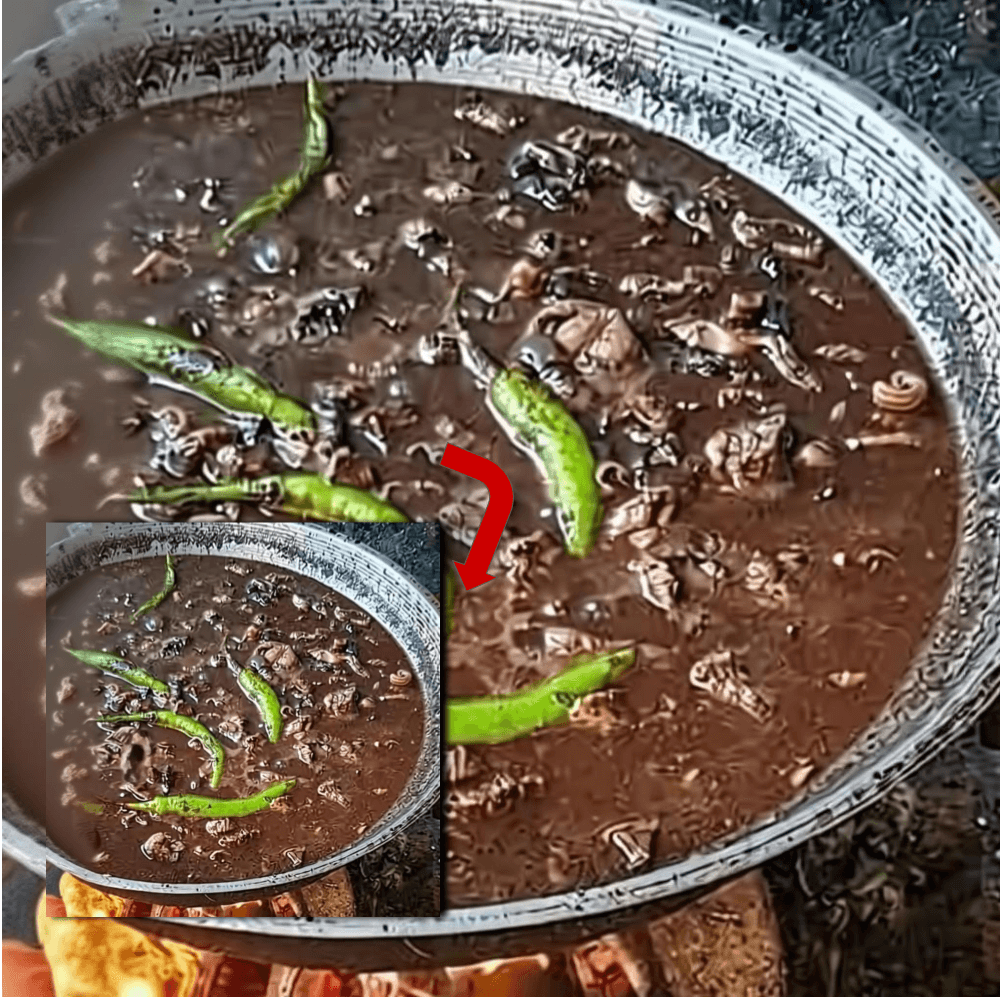
- Once the beef is tender and the liver is cooked, remove the pot from direct heat for a few minutes.
- Stir the strained beef blood mixture well. Gradually pour the blood mixture into the simmering stew, stirring continuously and gently in one direction.
- Return the pot to low heat and continue to stir gently and constantly until the sauce thickens to your desired consistency. This process can take 10-15 minutes. Do not boil vigorously after adding the blood, as this can cause it to curdle.
- Add siling haba (green chilies) during the last 5-10 minutes of cooking.
Secrets to the Perfect Dinuguan
Achieving that ultimate plate of Beef Dinuguan involves mastering a few crucial techniques that can make all the difference between good and truly extraordinary.
Preventing Curdling: The Vinegar Mixing Technique
The fear of curdled blood sauce is real, but easily avoidable. The key lies in how you incorporate the blood. After you’ve stirred a bit of vinegar into your fresh, strained blood, ensure the main pot of stew is simmering gently, not boiling vigorously. Crucially, remove the pot from direct high heat briefly before adding the blood. Gradually pour the blood mixture in a steady stream while continuously stirring the stew in one direction. Once all the blood is incorporated, return the pot to low heat and continue stirring gently until the sauce thickens. This gentle, consistent motion and controlled temperature are your best defense against curdling, ensuring a silky, smooth “beef chocolate meat” gravy.
Balancing Flavors: The Ratio of Sour (Vinegar), Salty (Patis), and Savory
The hallmark of an authentic Filipino stew like Dinuguan sa Baka is its harmonious blend of flavors.
- Sour (Vinegar): The vinegar provides the essential tang. Add it early in the sauté process, letting it reduce and mellow out before adding liquid. Adjust with a final splash at the end if needed for brightness, but taste first.
- Salty (Patis): Fish sauce (patis) brings depth and saltiness. Start with a moderate amount and adjust towards the end of cooking.
- Savory: The beef itself, alongside the liver, garlic, onions, and ginger, forms the savory backbone. Ensuring these aromatics are properly sautéed and the beef is tenderly cooked maximizes their savory contribution.
Taste and adjust seasonings throughout the simmering process. It’s a dance of flavors, and your palate is the conductor.
Texture: Achieving the Perfect Gravy Consistency
The ideal Beef Dinuguan has a gravy that is rich, thick, and velvety smooth, clinging beautifully to the beef pieces. This consistency comes primarily from the natural thickening power of the beef blood and the collagen from the beef cuts and liver. If the sauce is too thin after simmering with the blood, continue to cook gently, stirring constantly, over low heat until it reaches your desired thickness. Avoid high heat, which can split the sauce. Conversely, if it becomes too thick, you can carefully add a little beef broth or water to adjust. The goal is a gravy that is substantial but still pourable, not watery, and certainly not clumpy.
Serving Suggestions
The experience of enjoying a well-made Beef Dinuguan is incomplete without the perfect accompaniment. This rich, savory, and tangy stew truly shines when paired thoughtfully.
Traditional Pairing: Puto (Rice Cakes) or Steamed Rice
The classic accompaniment to Beef Dinuguan is undoubtedly Puto, soft, fluffy steamed rice cakes. Their mild sweetness and airy texture provide a delightful contrast to the intense flavors of the stew, allowing you to scoop up every drop of that delicious gravy. Alternatively, a generous serving of plain steamed white rice is always a winner. The rice acts as a neutral canvas, absorbing the robust flavors of the beef blood stew and complementing its richness beautifully. Either way, prepare for a satisfying and hearty meal!
Storage and Reheating Tips
Beef Dinuguan often tastes even better the next day as the flavors meld and deepen.
- Storage: Allow the stew to cool completely before transferring it to airtight containers. Store it in the refrigerator for up to 3-4 days. For longer storage, it can be frozen for up to 2-3 months.
- Reheating: Gently reheat on the stovetop over low to medium heat, stirring occasionally to prevent sticking. If the sauce has thickened too much during storage, you can add a splash of beef broth or water to achieve the desired consistency. Ensure it is heated through to a simmering temperature before serving.
Frequently Asked Questions (FAQ)
Can I use Beef blood with beef meat?
While this article focuses on an all-beef Dinuguan, traditionally, different types of blood can be used depending on regional preference and availability. Yes, if you choose, you can combine beef meat with what is commonly referred to as “Beef blood” for a variation. However, for a true Beef Dinuguan experience, using beef blood is recommended to maintain a consistent flavor profile and richness that complements the beef.
How do I fix a sauce that is too watery?
If your Beef Dinuguan sauce is too watery, you can thicken it by continuing to simmer it uncovered over low heat, stirring constantly, until the desired consistency is reached. The blood itself is a natural thickener, so prolonged gentle cooking will help. Avoid boiling vigorously, which can cause the sauce to separate. Alternatively, you can mix a small amount of cornstarch or flour with a little water to create a slurry, then gradually stir it into the simmering stew until it thickens.
Is Beef Dinuguan the same as Serkele?
Yes, Beef Dinuguan is indeed very similar to, and often interchangeable with, Serkele, particularly the Bulacan version. Serkele is a regional take on the blood stew, famously made with beef (typically beef internal organs and meat) and known for its rich, tangy, and often spicy profile. While there might be slight variations in specific ingredients or preparation methods depending on the exact family recipe or locality, they both represent a delicious Filipino beef blood stew.
We hope this comprehensive guide inspires you to try your hand at making an authentic and delicious Beef Dinuguan. Share your culinary creations and stories with us!
For more mouth-watering Filipino recipes and culinary adventures, make sure to follow us on Facebook! Find us here: https://www.facebook.com/profile.php?id=61568538666337.
Authentic Beef Dinuguan (Filipino Beef Blood Stew)
Ingredients
- 2 lbs Beef chuck roast Cut into 1-inch cubes
- 1/2 lb Beef liver cubed
- 2 cups Fresh beef blood Can substitute fresh pork blood if unavailable
- 1 cup Cane vinegar Divided use
- 3 cups Beef broth Or water
- 1 head Garlic Minced
- 1 large Red onion Chopped
- 2 tbsp Ginger Minced (Essential for removing gamey odor)
- 3 pcs Siling haba Green finger chilies
- 3 pcs Dried bay leaves
- 1 tbsp Cooking oil
- 1 tbsp Brown sugar To balance acidity
- 1 tsp Black pepper Ground
- 2 tbsp Fish sauce (Patis) Adjust to taste
Instructions
- In a mixing bowl, combine the liquid beef blood with 1/4 cup of vinegar. Stir well to prevent coagulation and set aside.
- Heat cooking oil in a large pot over medium heat. Sauté the minced ginger, garlic, and onions until the onions are soft and translucent.
- Add the beef chuck cubes. Cook until the meat is browned on all sides.
- Pour in the fish sauce (patis) and cook for another 2 minutes to let the flavor absorb.
- Add the beef broth (or water), dried bay leaves, and black pepper. Bring to a boil.
- Lower the heat, cover the pot, and simmer for 60 to 90 minutes, or until the beef is fork-tender. Add more water if the liquid dries up.
- Add the cubed beef liver and cook for 5 minutes.
- Pour the remaining 3/4 cup vinegar into the pot. Bring to a boil and let it uncover without stirring for 3 minutes to cook off the strong acid taste.
- Gently pour in the blood and vinegar mixture while stirring the stew continuously. This is critical to prevent the blood from curdling and to achieve a smooth gravy.
- Simmer for 10 to 15 minutes on medium-low heat, stirring occasionally until the sauce thickens.
- Add the brown sugar and siling haba (green chilies). Simmer for an additional 2 minutes.
- Taste and adjust salt or pepper if needed. Serve hot with puto or steamed rice.
For more daily recipes and tips, follow us on Facebook!
Click here to join our community!