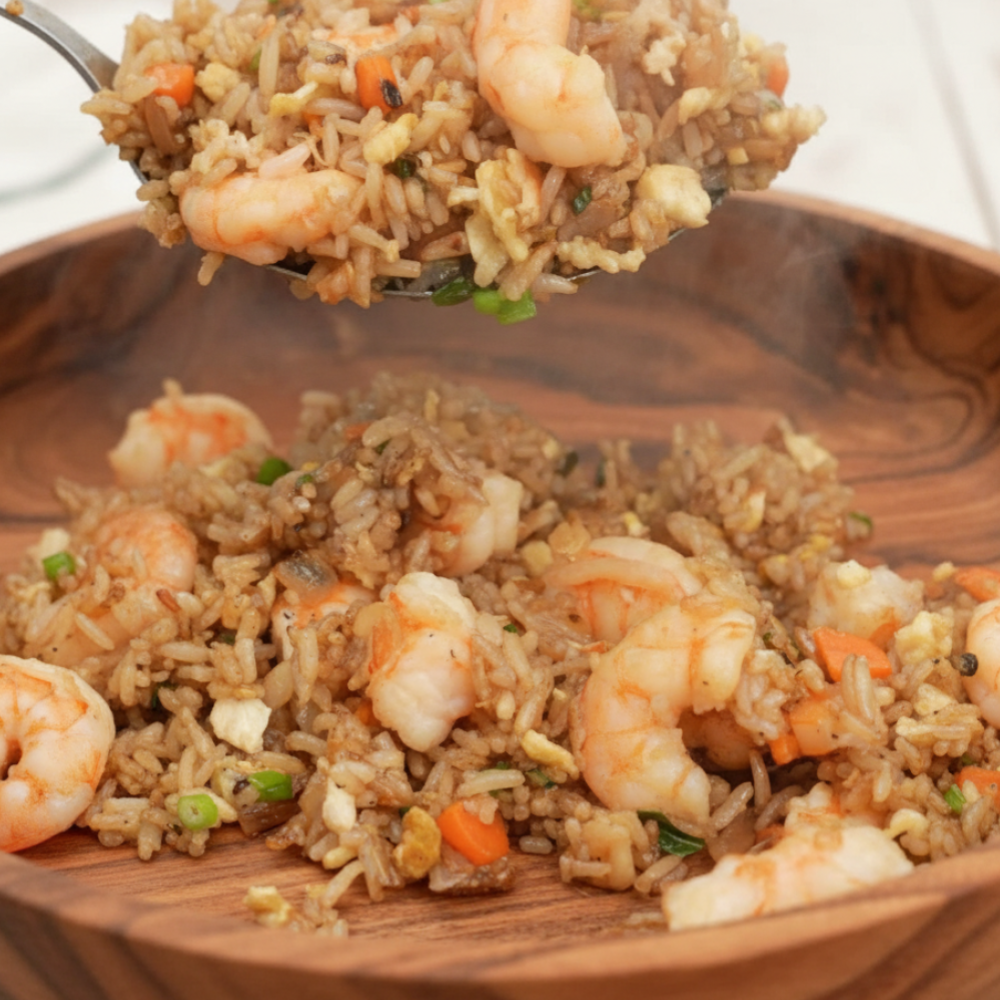
Recreating the vibrant energy and irresistible flavors of a Japanese steakhouse in your own kitchen is entirely achievable, especially when it comes to a classic like Benihana Fried Rice. This beloved dish, often the star alongside sizzling meats and seafood, brings together simple ingredients in a way that truly exemplifies the artistry of teppanyaki style rice. Imagine the rhythmic clang of spatulas, the sizzle of ingredients on a hot griddle, and the enticing aroma filling the air. That’s the essence of teppanyaki dining, a culinary experience that blends entertainment with exceptional food preparation.
The history of teppanyaki dining dates back to post-World War II Japan, gaining popularity as a fusion of Japanese cooking techniques and Western dining styles. Restaurants like Benihana perfected this theatrical approach, turning a meal into a performance. While you might not have a personal chef flipping shrimp into your hat at home, you can certainly capture the essence of their perfectly executed Hibachi shrimp rice. This guide is designed to empower you, the home cook, to master this iconic dish, delivering that restaurant-quality experience without leaving your house. We’ll focus on the precise techniques and ingredient choices that make all the difference, ensuring your homemade version rivals any you’ve enjoyed out.
Essential Equipment for Authentic Wok Cooking
To truly replicate the speed and intense heat of Japanese steakhouse fried rice, having the right equipment is fundamental. The success of this dish, like many stir-fries, hinges on quick, even cooking at high temperatures.
- Large Wok or Flat Cast-Iron Griddle: This is your primary cooking surface. A large wok provides ample space for tossing and stirring, its sloped sides ensuring ingredients are cooked evenly and quickly. If a wok isn’t available, a heavy, flat cast-iron griddle or a large, heavy-bottomed skillet can serve as an excellent alternative. The key is a surface that retains and distributes high heat consistently, which is crucial for achieving that characteristic smoky flavor known as “wok hei” or the perfect sear on a teppanyaki grill.
- Heat-Resistant Spatulas: You will need at least two sturdy, heat-resistant spatulas. Metal spatulas are ideal for scraping the bottom of the wok or griddle, preventing sticking, and for the vigorous tossing and chopping motions required during wok cooking. Their robust nature allows you to break up rice clumps and mix ingredients effectively under high heat without melting or deforming.
- Small Prep Bowls for Mise en Place: This is not just about organization; it’s about efficiency. Fried rice cooks very quickly, and there’s no time to chop vegetables or measure sauces once the cooking starts. Having all your ingredients prepped, measured, and placed in small bowls right next to your cooking station (mise en place) ensures a smooth, stress-free cooking process. This methodical preparation is a hallmark of professional kitchens and is indispensable for successful stir-frying.
Ingredient Breakdown: The Foundation of Flavor
Every great dish starts with quality ingredients and understanding their role. For this Benihana Fried Rice recipe, each component plays a critical part in achieving the perfect balance of flavor and texture.
- 4 cups day-old cooked rice: This is arguably the most crucial ingredient. The secret to light, fluffy, and perfectly separated fried rice, free from any mushiness, lies in using day-old rice recipe. Freshly cooked rice contains too much moisture, which will cause it to steam rather than fry, resulting in a sticky, clumpy texture. Cook your rice (preferably medium to long-grain like Jasmine or Basmati) a day in advance, then cool it completely and refrigerate. This allows the grains to dry out, making them ideal for stir-frying.
- 8 oz shrimp: For this recipe, we use 8 ounces of shrimp. Opt for medium to large shrimp, peeled and deveined. If starting with shell-on shrimp, carefully peel the shells and remove the dark vein running along the back using a small paring knife. Deveining isn’t strictly necessary for health reasons, but it improves the aesthetic and texture of the cooked shrimp. Pat the shrimp dry before cooking to ensure a good sear.
- 2 large eggs: Eggs add richness, protein, and a lovely texture to the fried rice. They are often scrambled directly in the wok alongside the vegetables, absorbing the flavors of the pan.
- 1/2 cup diced carrots: Carrots contribute a touch of sweetness, vibrant color, and a slight crunch. Ensure they are diced uniformly into small pieces, roughly 1/4 inch, so they cook quickly and evenly without becoming too soft or remaining raw.
- 1/4 cup green onions: Also known as scallions, green onions provide a fresh, pungent, and slightly peppery bite. They are typically added at the very end of cooking or as a garnish, preserving their crisp texture and bright flavor.
- 3 tbsp soy sauce: This essential Asian condiment provides the backbone of savory, umami flavor and saltiness. Choose a good quality regular or light soy sauce.
- 2 tbsp garlic butter: This is truly the key flavor profile for authentic Japanese steakhouse fried rice. The rich, aromatic blend of butter and garlic infuses the entire dish with a deeply savory and fragrant quality that is instantly recognizable from your favorite teppanyaki restaurant. Using prepared garlic butter or making your own with unsalted butter and minced fresh garlic is crucial for capturing this signature taste. This ingredient elevates the dish from simple fried rice to something truly special, creating that delightful garlic butter rice foundation.
- 1 tbsp sesame oil: Used sparingly, sesame oil adds a distinct nutty aroma and flavor. A small amount, usually added at the beginning for cooking or at the end for finishing, provides an authentic Asian touch.
Step-by-Step Instructions: Mastering the Wok
Follow these steps precisely to achieve perfect teppanyaki style rice every time. Speed and high heat are your allies here.
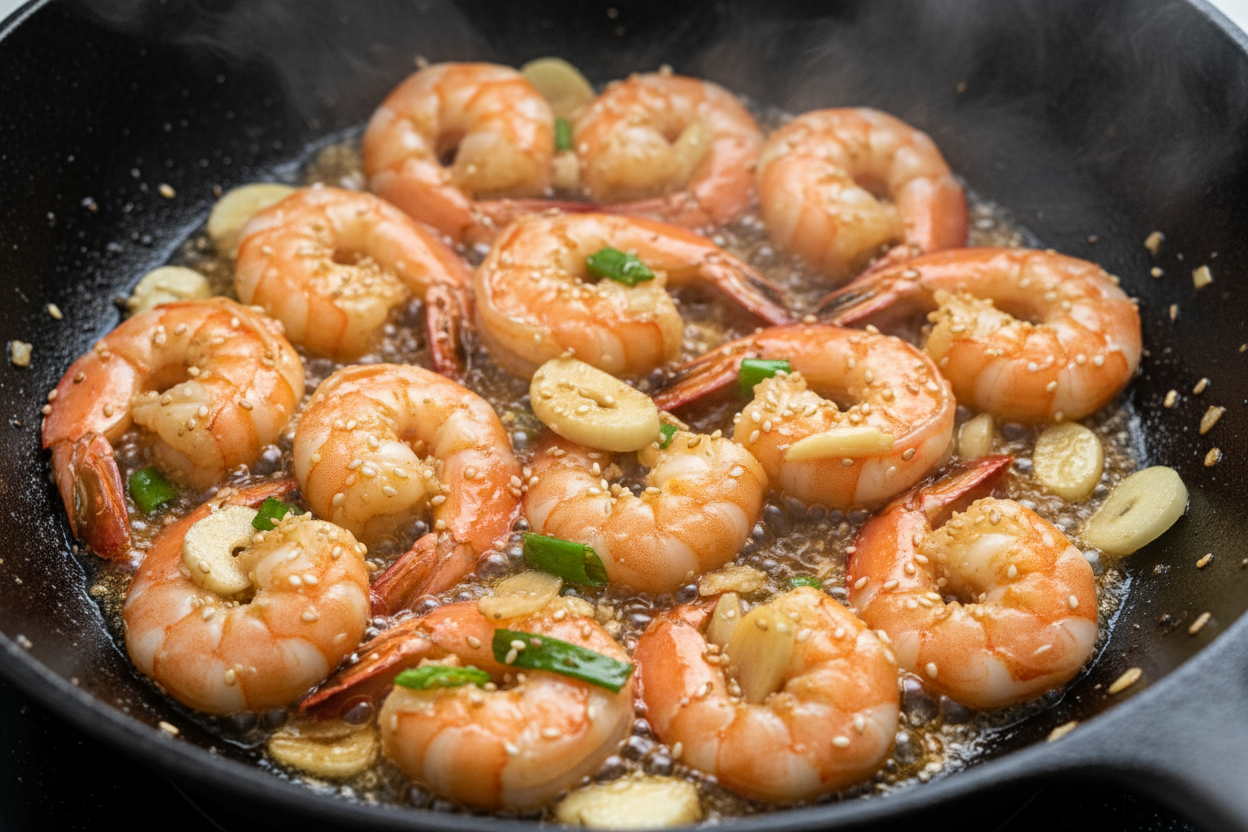
- Heat 1 tablespoon of sesame oil in your large wok or skillet over medium-high heat. Allow the oil to shimmer but not smoke. Add the 8 ounces of shrimp to the hot oil. Cook the shrimp for approximately 3 minutes, or until they turn opaque and pink. Avoid overcooking, as this can make them tough. Once cooked, remove the shrimp from the pan and set them aside in a clean bowl.
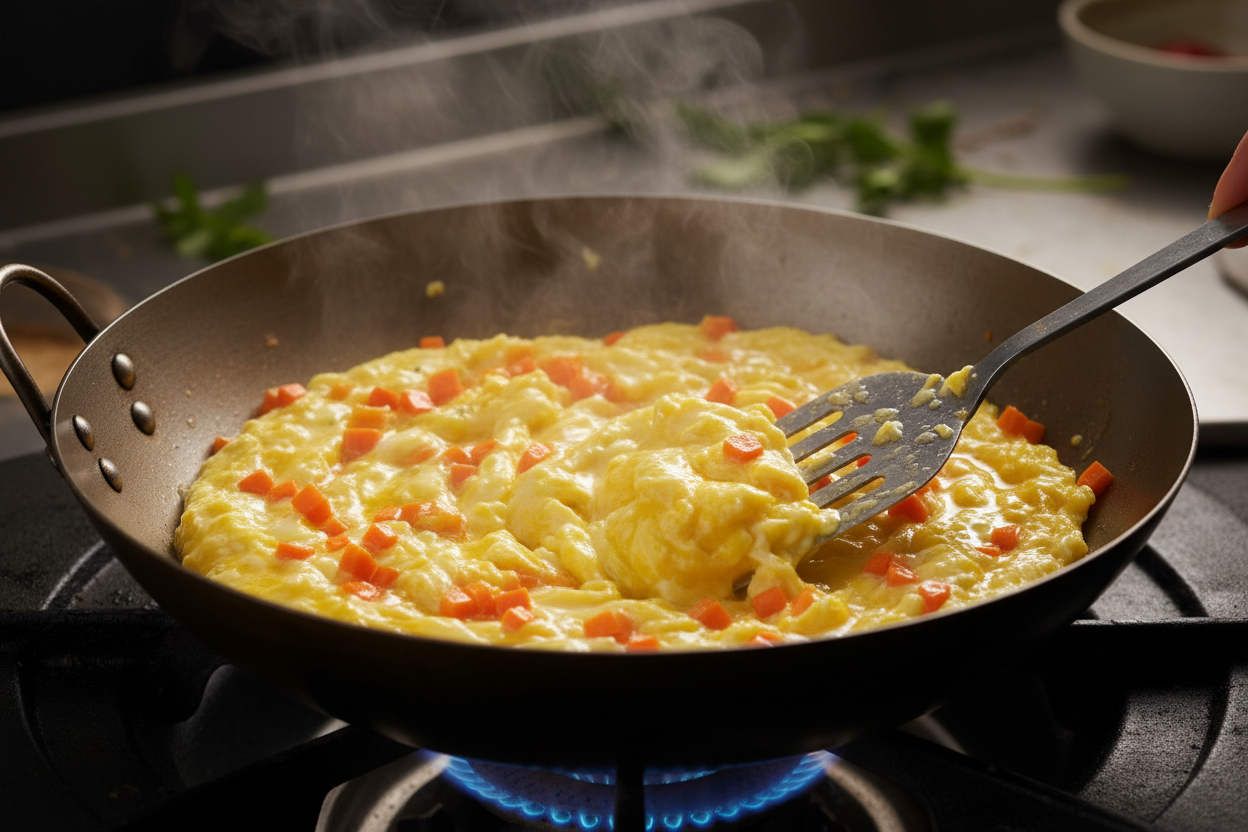
- In the same pan, without cleaning it, melt 1 tablespoon of garlic butter. The residual flavors from the shrimp will enhance the dish. Add the 1/2 cup of diced carrots to the melted garlic butter. Stir-fry the carrots for about 4 minutes, or until they begin to soften slightly but still retain a bit of crispness. Push the cooked carrots to one side of the pan, creating a clear space. Crack the 2 large eggs directly into this clear space. Scramble the eggs vigorously with your spatula until they are fully cooked and broken into small pieces. Once cooked, mix the scrambled eggs with the carrots.
- Add the 4 cups of chilled cooked rice back into the wok. Distribute it evenly. Immediately add the remaining 1 tablespoon of garlic butter, the 3 tablespoons of soy sauce, and the cooked shrimp back into the wok with the rice and vegetables. Begin to vigorously stir-fry all the ingredients together. Use a chopping and tossing motion with your spatulas to ensure everything is well combined and heated through. Continue this intense stir-frying for about 5 minutes, allowing the rice to absorb the flavors and develop a slightly crispy texture. The high heat is essential for this process. Before serving, garnish the Benihana Fried Rice generously with the 1/4 cup of chopped green onions.
Pro Tips for Wok Frying Success
Achieving that signature Japanese steakhouse fried rice flavor and texture involves more than just following the steps; it requires understanding the principles behind wok cooking.
- High Heat is Necessary for Authentic Flavor: This cannot be overstated. A wok or griddle needs to be screaming hot before any ingredients are added. High heat ensures that ingredients sear quickly, developing rich, complex flavors through the Maillard reaction, rather than stewing. It also contributes to the smoky “wok hei” that makes restaurant fried rice so addictive. If your pan isn’t hot enough, the rice will steam and become mushy.
- Never Use Freshly Cooked, Warm Rice: As emphasized in the ingredient breakdown, this is a critical mistake. Fresh rice contains too much moisture, which steams rather than fries, leading to a clumpy, soft result. Always use chilled, day-old rice recipe that has had time to dry out in the refrigerator. This allows the individual grains to separate and achieve that desirable slightly crispy exterior when stir-fried.
Serving Suggestions: Completing the Teppanyaki Experience
Presenting your homemade Benihana Fried Rice with a touch of flair can elevate the dining experience.
- Pairing with Homemade Mustard Sauce or Clear Soup: To complete the Japanese steakhouse fried rice experience, consider serving your dish with traditional accompaniments. A tangy homemade mustard sauce, often a blend of mustard powder, soy sauce, and a touch of sweetness, provides a bright counterpoint to the rich rice. Alternatively, a simple clear onion soup or mushroom soup, commonly served at teppanyaki restaurants, can cleanse the palate between bites of the savory Hibachi shrimp rice.
- Plating Techniques for a Classic Presentation: For a classic presentation, lightly press a portion of the fried rice into a small bowl or ramekin, then invert it onto a serving plate to create a neat dome shape. Garnish with a sprinkle of additional green onions. This simple technique enhances the visual appeal, mimicking how it’s often served in restaurants. Serve immediately while hot, allowing the aromas of the garlic butter rice to entice your diners.
Mastering this Benihana Fried Rice recipe brings the exciting flavors of a Japanese steakhouse fried rice directly to your table. With careful preparation, the right equipment for wok cooking, and an understanding of key techniques like using day-old rice recipe and infusing with garlic butter rice, you can consistently create a dish that is both satisfying and authentically delicious. This teppanyaki style rice, packed with succulent shrimp, vibrant vegetables, and rich savory notes, is more than just a side; it’s a culinary highlight. Enjoy the process of cooking and the delight of sharing this fantastic meal with friends and family.
Follow our Facebook page for more delicious recipes and cooking tips!
Teppanyaki-Style Shrimp Fried Rice
Ingredients
- 4 cups Rice day-old, cooked and chilled
- 8 oz Shrimp peeled and deveined
- 2 large Eggs beaten
- 1/2 cup Carrots finely diced
- 1/4 cup Green onions chopped
- 3 tbsp Soy sauce low sodium preferred
- 2 tbsp Garlic butter divided
- 1 tbsp Sesame oil for stir-frying
Instructions
- Heat 1 tbsp of sesame oil in a large wok or skillet over medium-high heat. Add the shrimp and cook until pink, about 3 minutes. Remove shrimp and set aside.
- In the same pan, melt 1 tbsp of garlic butter. Add diced carrots and cook until softened, about 4 minutes. Push carrots to the side, crack in the eggs, and scramble until fully cooked.
- Add the chilled cooked rice, remaining garlic butter, soy sauce, and cooked shrimp back into the wok. Stir-fry for 5 minutes, ensuring everything is well combined and heated through. Garnish with green onions before serving.
For more daily recipes and tips, follow us on Facebook!
Click here to join our community!