The vibrant streets of Bangkok are a symphony for the senses – a captivating blend of sights, sounds, and, most powerfully, aromas that draw you into an unparalleled culinary adventure. Among the myriad of
Imagine tender, succulent flakes of crab meat delicately tossed with perfectly cooked jasmine rice, fragrant with garlic, and kissed with the smoky essence of a hot wok.
Why This Recipe Works
What makes our
- Speed: Forget long hours in the kitchen. With a little prep, this dish is genuinely ready in under 15 minutes, making it a perfect solution for busy weeknights when you crave something extraordinary without the fuss. It truly embodies the spirit of
easy 10-minute meals . - Texture: The hallmark of great fried rice is individual grains that are fluffy, distinct, and never greasy. We’ll reveal the secrets to achieving this perfect texture, ensuring every bite is a light, satisfying experience. This requires understanding proper
jasmine rice cooking tips and heat management. - Flavor Balance: The magic of
authentic Thai fried rice lies in its harmonious blend of tastes. The savory depth of fish sauce, the subtle sweetness of the crab, the aromatic kick of garlic, and the bright, spicy counterpoint of the homemadePrik Nam Pla sauce create a symphony of flavors that is truly addictive.
Key Ingredients for Authentic Khao Pad Pu
The beauty of
The Rice
This is arguably the most crucial component. For truly
- Why day-old Jasmine rice is non-negotiable: Its lower moisture content prevents sticking and clumping, allowing the rice to develop a delicate crispness and absorb flavors without becoming soggy. It’s one of the most important
jasmine rice cooking tips for fried rice. - Tips for drying out fresh rice if you’re in a rush: If you absolutely must use fresh rice, cook it with slightly less water than usual. Then, spread it thinly on a baking sheet and let it air dry for at least an hour, or even briefly chill it in the freezer for 15-20 minutes to remove excess surface moisture.
The Crab
The star of the show! The type of crab you choose significantly impacts the final dish, both in flavor and texture. This is where
- Lump crab meat vs. claw meat: For the best experience in
Thai Crab Fried Rice , opt for jumbo lump crab meat. These large, tender chunks offer a luxurious texture and a sweet, delicate flavor. Claw meat is fine if that’s all you can find, but it tends to be stringier and less sweet. - Fresh vs. canned options: Freshly cooked and picked crab is always superior, offering the purest flavor. However, high-quality pasteurized canned or refrigerated lump crab meat (often found in the seafood section) is an excellent, convenient alternative. Just be sure to drain it very well. This is a staple in many
Thai seafood dishes .
The Seasoning Trinity
The foundation of flavor for
- Fish sauce: The indispensable umami bomb of Thai cuisine. Use a good quality brand for the best results.
- Soy sauce: Adds depth and a touch of saltiness.
- A pinch of sugar: Crucial for balancing the savory and salty notes, enhancing the overall sweetness of the crab and rounding out the flavor profile.
Essential Equipment
While you can make fried rice in any large pan, certain tools will elevate your
- Wok vs. Skillet: A wok is ideal for fried rice. Its high sides and rounded bottom allow for even heat distribution and easy tossing, which are key to achieving the perfect texture and developing ‘wok hei’. However, a large, heavy-bottomed skillet or cast-iron pan can work well too, as long as it gets screaming hot.
- The importance of high heat: This is non-negotiable. Fried rice needs to be cooked quickly over intense heat to prevent it from steaming and to encourage those beautiful crispy bits. High heat is essential for developing the elusive
wok hei techniques .
“The secret to truly outstanding fried rice isn’t just the ingredients; it’s the intense heat that coaxes out incredible depth and complexity, that ‘breath of the wok’ known as wok hei.”
Step-by-Step Cooking Guide
Follow these steps closely for a perfect plate of
- Prepare the Prik Nam Pla: This vibrant, spicy dipping sauce is an essential accompaniment that brightens and balances the rich flavors of the fried rice. In a small bowl, combine 2-3 small bird’s eye chilies (sliced), 2 cloves garlic (minced), 3 tablespoons fish sauce, 1 tablespoon fresh lime juice, and 1 teaspoon sugar. Stir until the sugar dissolves. Set aside. This is the cornerstone of the
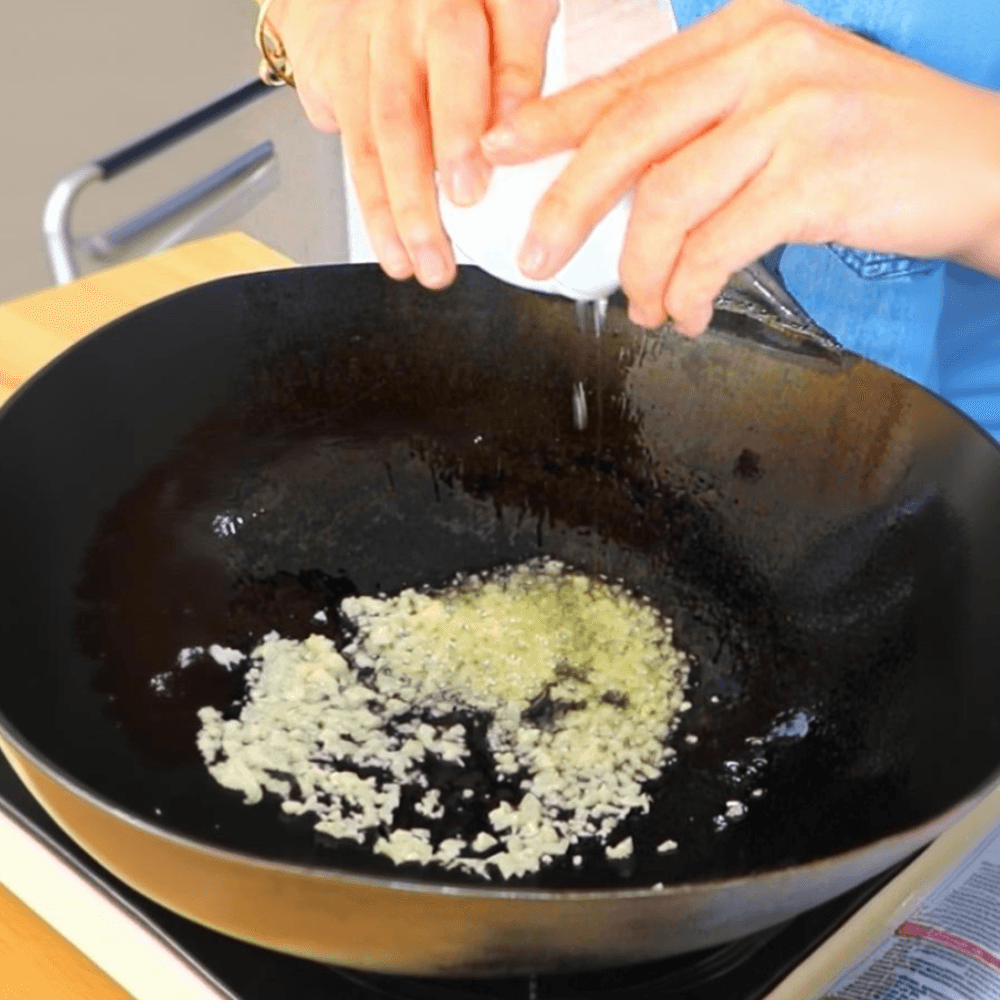
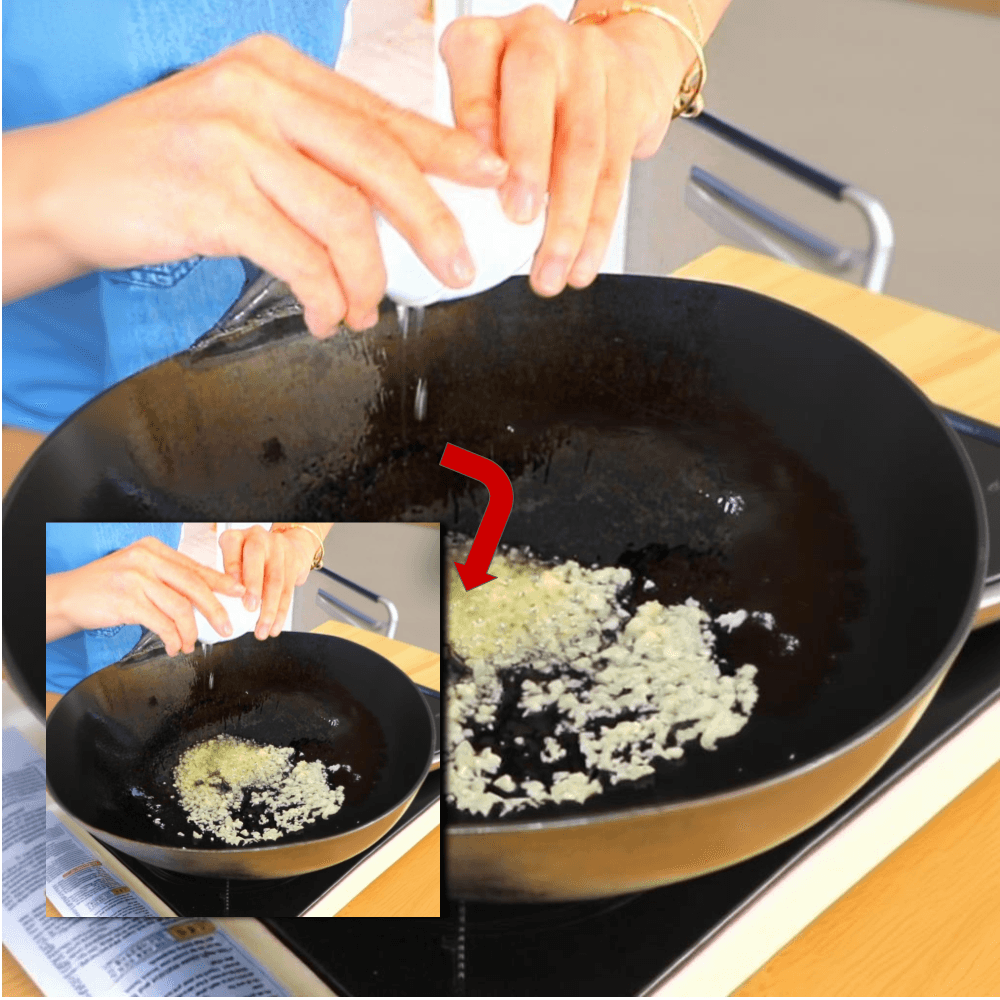
Prik Nam Pla sauce . - Aromatics First: Sizzling the garlic: Heat 2-3 tablespoons of neutral oil (like canola or grapeseed) in your wok or skillet over high heat until it just begins to smoke. Add 2-3 cloves of finely minced garlic and stir-fry rapidly for about 10-15 seconds until fragrant and lightly golden. Be careful not to burn it!
- Egg Technique: Scrambling for texture: Push the garlic to one side of the wok. Crack 2 eggs directly into the empty space. Scramble them quickly with your spatula until they are just set but still soft. Break them into small pieces and then combine with the garlic.
- Frying the Rice: Achieving ‘Wok Hei’: Add your 3 cups of day-old jasmine rice to the wok. Pour in 2 tablespoons fish sauce, 1 tablespoon soy sauce, and a pinch of sugar directly over the rice. Using your spatula, break up any clumps and toss continuously, spreading the rice thinly against the hot surface of the wok. This is where
wok hei techniques come into play. Keep the heat high and stir-fry for 3-5 minutes, allowing the rice to develop a slightly toasted, smoky aroma and individual grains to separate. - The Final Fold: Adding crab gently to preserve chunks: Reduce the heat to medium-low. Gently fold in 1 cup of drained, cooked lump crab meat. Add a handful of chopped green onions and a sprinkle of white pepper. Toss gently for just 1 minute more, just enough to warm the crab through without breaking it apart. Serve immediately with fresh lime wedges and your homemade
Prik Nam Pla sauce on the side.
Pro-Tips for Restaurant-Quality Results
Elevate your
- Don’t Break the Crab: Why it goes in last: Crab meat is delicate. Adding it too early or tossing it too vigorously will break it down into tiny shreds, losing its luxurious texture. Add it at the very end, and fold it in gently to keep those beautiful lumps intact. This is a key secret in successful
lump crab meat recipes . - Room Temp Ingredients: Preventing temperature drops in the wok: Cold ingredients will drastically lower the temperature of your wok, preventing proper frying and leading to a steamed, soggy result. Ensure your day-old rice and crab meat are at room temperature before adding them to the hot wok. This helps maintain the high heat crucial for
wok hei techniques . - Batch Cooking: Avoiding overcrowded pans: Fried rice needs space to breathe and fry. If your pan is too full, the temperature will drop, and the ingredients will steam instead of fry. If you’re cooking for a crowd, cook the rice in two smaller batches rather than one large one. This ensures every grain gets the chance to crisp up beautifully.
Variations
While this
- Spicy Version: Adding bird’s eye chilies directly to the rice: For those who love a fiery kick, add 1-2 finely sliced bird’s eye chilies along with the garlic in step 2. This infuses the entire dish with a pleasant heat.
- Vegetable Add-ins: Corn or diced carrots: While traditional
Thai Crab Fried Rice is quite minimal with vegetables to highlight the crab, a tablespoon or two of frozen corn or finely diced carrots can add color and a touch of sweetness. Add them along with the rice. - Protein Swaps: Shrimp or Chicken (Khao Pad Goong/Gai): Not a fan of crab, or simply want to try something different? You can easily swap the crab for cooked shrimp (Khao Pad Goong) or small pieces of cooked chicken (Khao Pad Gai). These are also popular
Thai street food dishes and excellentThai seafood dishes if using shrimp. Just ensure they are cooked through before adding to the rice.
FAQ
Can I use brown rice?
While traditional
How long does crab fried rice last in the fridge?
What to serve with Thai Crab Fried Rice?
This
Mastering
For more delicious
10-Min Thai Crab Fried Rice (Khao Pad Pu)
Ingredients
- 3 cups cooked jasmine rice cold, preferably overnight
- 2 tablespoons cooking oil neutral oil like canola or vegetable
- 1/2 pound lump crab meat picked over for shells
- 2 cloves garlic minced
- 2 large eggs beaten
- 1 tablespoon soy sauce Thai light soy sauce preferred
- 1 tablespoon fish sauce plus 3 tablespoons for sauce
- 1 pinch sugar
- 3 stalks scallions chopped
- 3 slices cucumber for garnish
- 1 sprig cilantro for garnish
- 2 wedges lime divided (one for garnish, one for sauce)
- 1 whole red chili pepper sliced, for Prik Nam Pla sauce
Instructions
- Prepare the Prik Nam Pla (Chili Fish Sauce): In a small bowl, combine the sliced red chili pepper, 3 tablespoons of fish sauce, and the juice from 1 lime wedge. Set aside.
- Heat the cooking oil in a wok or large skillet over medium-high heat. Add the minced garlic and stir-fry until fragrant, about 10 seconds.
- Push the garlic to the side and pour in the beaten eggs. Scramble quickly until they are about 80% cooked.
- Add the cold cooked rice to the wok. Break up any clumps with a spatula and toss to combine with the eggs and garlic.
- Season with 1 tablespoon soy sauce, 1 tablespoon fish sauce, and a pinch of sugar. Stir-fry on high heat for 2-3 minutes until the rice is hot and evenly coated.
- Gently fold in the lump crab meat and chopped scallions. Cook for another 60 seconds, tossing gently to heat the crab without breaking the lumps.
- Remove from heat immediately. Garnish with cucumber slices, a sprig of cilantro, and a lime wedge. Serve hot with the prepared Prik Nam Pla sauce on the side.
For more daily recipes and tips, follow us on Facebook!
Click here to join our community!