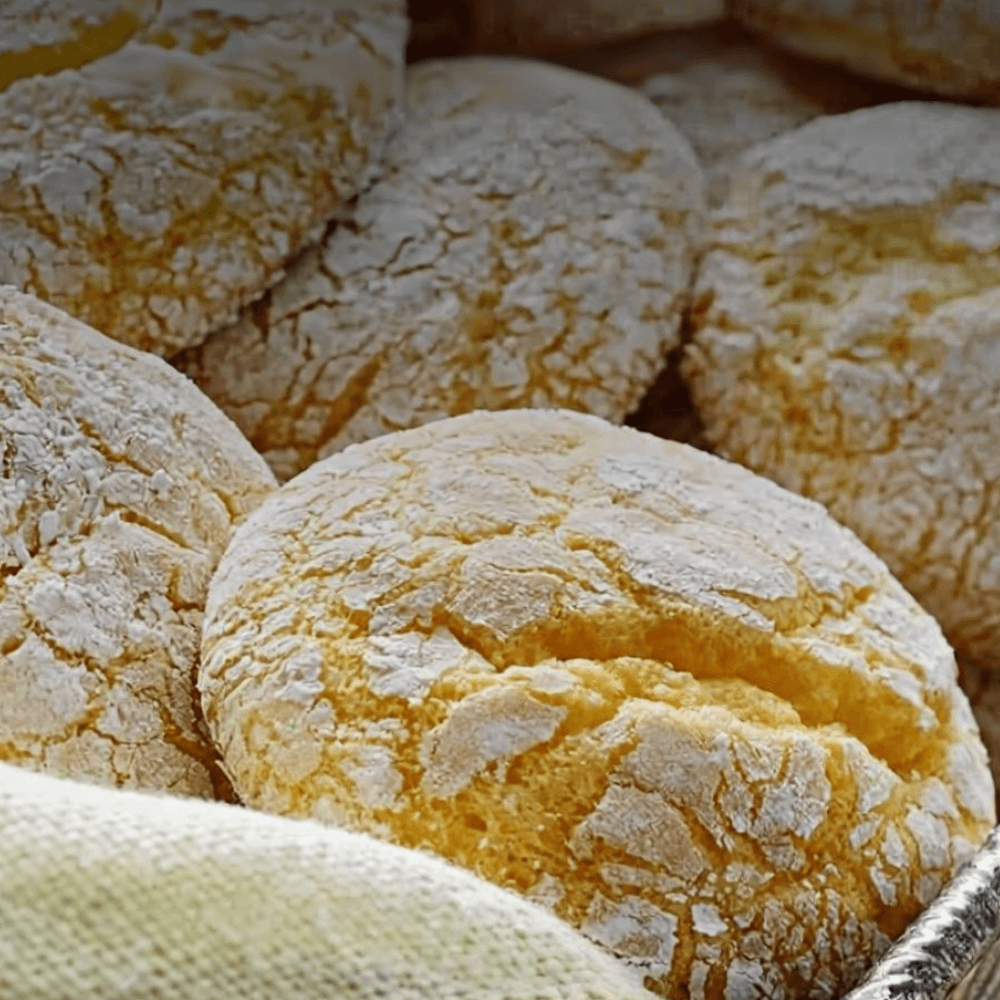
Imagine a bread that marries the irresistible fluffiness of a classic yeast roll with the comforting, rustic charm of savory cornbread. This isn’t just a dream; it’s the reality of Rustic Cornbread Rolls – a culinary masterpiece that promises to elevate any meal from ordinary to extraordinary. These golden, tender buns are more than just a side dish; they’re a statement, a heartwarming addition that speaks of home, tradition, and pure deliciousness. Whether gracing your holiday table alongside a magnificent roast or starring at a laid-back barbecue feast, these rolls are destined to be the unsung heroes of your spread.
Their unique texture and balanced flavor profile make them utterly addictive. They offer a delightful chewiness that yields to a soft, moist interior, bursting with the subtle sweetness of corn and rich butter. Forget everything you thought you knew about cornbread; these aren’t your typical quick bread. They’re a whole new league of bready goodness, a testament to the magic that happens when thoughtful ingredients and a little patience come together in the kitchen. Get ready to bake a batch of these glorious homemade golden corn rolls that will have everyone reaching for seconds.
What Are Rustic Cornbread Rolls?
At their heart, Rustic Cornbread Rolls are a hybrid, a culinary innovation that bridges the gap between traditional yeast dinner rolls and classic cornbread. They’re a testament to how versatility can create something truly spectacular. Unlike typical cornbread, which often relies on baking powder or soda for its rise, these rolls employ yeast, giving them a lighter, airier structure. They’re akin to fluffy cornbread dinner rolls that you might find in a Southern-style bakery, but with a homemade touch.
Texture Profile: How Yeast Creates Lightness While Cornmeal Adds Texture
The secret to their incredible texture lies in the careful balance of ingredients and the power of yeast. The yeast works its magic, producing gas that creates an intricate web of air pockets within the dough, resulting in an exceptionally soft corn bun with a satisfying chew. Meanwhile, the cornmeal introduces a subtle grittiness, a rustic character that prevents the rolls from being overly soft or bland. It’s this interplay between the tender crumb from the yeast and the wholesome texture from the cornmeal that defines these unique rolls, setting them apart from any other bread.
Flavor: A Balance of Sweet, Buttery, and Earthy Corn Notes
Flavor-wise, these rolls are a symphony of complementary notes. They offer a delicate sweetness from the corn itself and often a touch of sugar, perfectly counterbalanced by the rich, savory depth of butter. The earthy, comforting essence of corn shines through, making them incredibly versatile. They’re not overwhelmingly sweet, allowing them to pair beautifully with both savory main dishes and sweet spreads. Each bite delivers a comforting, wholesome taste that feels both familiar and exciting – truly a southern style yeast roll experience with a twist.
Quick Bread vs. Yeast Bread: Explaining the Difference Between Standard Cornbread and These Rolls
It’s crucial to understand the fundamental difference between standard cornbread and these Rustic Cornbread Rolls. Traditional cornbread is a “quick bread,” meaning it relies on chemical leaveners like baking powder or baking soda to rise. This results in a dense, crumbly texture that’s quick to prepare but lacks the elasticity and chewiness of yeast breads. Our rolls, on the other hand, are yeast-leavened. This means they require fermentation time for the yeast to work, producing that signature airy, pliable texture and distinctive flavor development that defines true bread. The result is a more complex, satisfying chew, making them more akin to a traditional dinner roll, but infused with delicious corn flavor – a true savory corn yeast dough delight.
Ingredients for Success
Crafting the perfect batch of Rustic Cornbread Rolls begins with selecting the right ingredients. Each component plays a vital role in achieving that coveted texture and flavor.
Yellow Cornmeal: Choosing the Right Grind (Fine vs. Medium) for the Best Crumb
The type of cornmeal you choose significantly impacts the final texture of your cornmeal bread rolls. For these rolls, we recommend a fine to medium-grind yellow cornmeal. A fine grind will yield a smoother, more tender crumb, while a medium grind will impart a more pronounced rustic texture and a slightly heartier chew. Avoid coarse-ground cornmeal, as it can make the rolls too dense and gritty. The vibrant yellow color of the cornmeal also contributes to the beautiful golden hue of the finished product, making them truly homemade golden corn rolls.
Yeast: Active Dry vs. Instant Yeast Adjustments
Yeast is the magical leavener responsible for the rolls’ incredible lightness. You can use either active dry or instant yeast, but there’s a slight difference in how you activate them:
- Active Dry Yeast: This type typically needs to be “proofed” or activated in warm liquid (usually water or milk) with a pinch of sugar before being added to the rest of the ingredients. Look for foamy bubbles to ensure it’s alive and active.
- Instant Yeast: This type is more vigorous and can often be mixed directly with your dry ingredients without prior proofing. However, many bakers still prefer to activate it in warm liquid for peace of mind, especially if they haven’t used that particular packet recently.
Ensure your yeast is fresh for optimal rise; expired yeast can lead to flat, dense rolls.
Fats: Why Butter Is Essential for That Rich, Rustic Flavor
Butter is non-negotiable for these rolls. It contributes immensely to their rich flavor, tender crumb, and beautiful golden crust. Using unsalted butter allows you to control the overall salt content of the dough. Melted butter is typically incorporated into the wet ingredients, distributing its flavor evenly throughout the dough. Beyond the dough, a final brush of melted butter after baking adds shine, moisture, and an extra layer of irresistible richness, sealing in that rustic charm.
Flour: Using All-Purpose Flour for Tenderness
All-purpose flour is the ideal choice for these yeast cornmeal buns. Its moderate protein content creates a dough that is both strong enough to hold its shape and tender enough for a soft, pillowy interior. While bread flour would yield a chewier roll and cake flour a more delicate one, all-purpose strikes the perfect balance for these versatile and delightful buns, ensuring they are truly fluffy cornbread dinner rolls.
Step-by-Step Baking Guide
Baking these Rustic Cornbread Rolls is a rewarding process. Follow these steps for a perfect batch every time.
Mixing the Dough
- Activate the Yeast: In a large bowl, combine warm milk (or water, approximately 105-115°F / 40-46°C – see expert tip!), a pinch of sugar, and your chosen yeast. Let it sit for 5-10 minutes until foamy. This confirms your yeast is alive and ready to work its magic.
- Combine Wet Ingredients: To the activated yeast mixture, add melted butter, an egg (if using, for richness), and the remaining sugar and salt. Whisk everything together until well combined.
- Combine Dry Ingredients: In a separate bowl, whisk together the all-purpose flour and yellow cornmeal.
- Form the Dough: Gradually add the dry ingredients to the wet ingredients, mixing with a wooden spoon or stand mixer on low speed. Mix until a shaggy dough forms and all the flour is incorporated. The dough will be slightly sticky at this stage, which is perfectly normal.
Kneading and Rising
- Achieving the Perfect Elastic Texture: Turn the shaggy dough out onto a lightly floured surface. Knead the dough for 8-10 minutes, either by hand or using a stand mixer with a dough hook. You’re looking for a smooth, elastic, and supple dough. It should spring back when lightly poked and be less sticky. This kneading develops the gluten, which is essential for the rolls’ light, airy structure.
- First Proofing Time Tips for a Light Interior: Lightly oil a clean large bowl. Place the kneaded dough in the bowl, turning it once to coat with oil. Cover the bowl tightly with plastic wrap or a clean kitchen towel. Let the dough rise in a warm, draft-free place for 1 to 1.5 hours, or until it has doubled in size. The exact time will depend on the warmth of your kitchen. This first rise is crucial for developing flavor and creating that airy interior that defines these yeast cornmeal buns.
Shaping and Second Rise
- How to Form Uniform Rustic Buns: Once the dough has doubled, gently punch it down to release the air. Turn the dough out onto a lightly floured surface. Divide the dough into 12-16 equal pieces, depending on your desired roll size. For a truly rustic look, you can simply gently tuck the edges under to form round balls, or roll each piece between your palms to create smooth, uniform buns.
- The Importance of the Second Proof: Arrange the shaped rolls on a parchment-lined baking sheet or in a greased 9×13 inch baking pan, leaving a little space between each roll. Cover them loosely with plastic wrap or a clean towel. Let them rise again in a warm, draft-free place for another 30-45 minutes, or until visibly puffy and almost doubled in size. This second rise, or “proof,” ensures the rolls are incredibly light and tender once baked, resulting in truly soft corn buns.
- Baking: Preheat your oven to 375°F (190°C). Bake the rolls for 18-25 minutes, or until they are golden brown on top and sound hollow when tapped on the bottom.
Expert Tips for Perfect Rolls
Even seasoned bakers can benefit from a few tricks of the trade. Here are some expert tips to ensure your Rustic Cornbread Rolls turn out perfectly every time:
- Temperature Checks for Milk and Water: Yeast is sensitive to temperature. Ensure your liquid (milk or water) is between 105°F and 115°F (40-46°C). Too hot, and it will kill the yeast; too cold, and the yeast won’t activate properly, leading to a poor rise. A thermometer is your best friend here.
- Avoiding Dense Rolls by Not Over-Flouring: Resist the urge to add too much flour during kneading. A slightly sticky dough is often a sign of a well-hydrated dough, which will result in softer, more tender rolls. Add flour sparingly, just enough to prevent excessive sticking. Over-flouring is a common culprit for dense, dry bread.
- Brushing with Butter for a Golden Crust: For that irresistible golden-brown crust and extra layer of flavor, brush the rolls with melted butter immediately after they come out of the oven. This creates a soft, glistening exterior and infuses them with rich buttery goodness, enhancing their rustic appeal.
“The secret to truly outstanding yeast rolls lies in patience during the proofing stages. Don’t rush the rise; allow the yeast ample time to develop the dough’s structure and flavor for an incredibly light and airy result.”
Serving Suggestions
These versatile Rustic Cornbread Rolls are a dream companion for a multitude of dishes. Their savory, slightly sweet profile makes them suitable for almost any meal.
Compound Butters: Honey Butter or Jalapeño Butter Pairings
Elevate your rolls with homemade compound butters:
- Sweet Honey Butter: Simply whip softened butter with a generous drizzle of honey and a pinch of salt. Perfect for breakfast or a sweet complement to a savory dinner.
- Spicy Jalapeño Butter: Combine softened butter with finely minced fresh jalapeño (remove seeds for less heat), a squeeze of lime juice, and a dash of salt. A fantastic kick that pairs wonderfully with robust main courses.
- Herb Butter: Mix softened butter with your favorite fresh herbs like chives, parsley, or rosemary.
Main Courses: Ideal Companion for Hearty Beef Chili, Roast Beef, or Brisket
These southern style yeast rolls are an absolute must-have alongside:
- Hearty Beef Chili: Their absorbent, tender crumb is perfect for soaking up rich chili flavors.
- Succulent Roast Beef: A classic pairing that adds a comforting, home-style touch to an elegant meal.
- Tender Brisket: The perfect contrast to the rich, smoky flavors of slow-cooked beef.
- Thanksgiving Feast: An ideal Thanksgiving side dish bread, offering a delightful alternative or addition to traditional dinner rolls.
- Barbecue: A fantastic accompaniment to grilled chicken, ribs, or any smoky barbecue fare.
Storage and Reheating
To keep your Rustic Cornbread Rolls at their best, proper storage and reheating are key.
Keeping Them Fresh on the Counter
Once completely cooled, store the rolls in an airtight container or a resealable plastic bag at room temperature for up to 2-3 days. While they are best enjoyed fresh, they will retain much of their softness and flavor for a couple of days.
Freezing Instructions for Make-Ahead Holiday Prep
These rolls are excellent for make-ahead holiday prep. To freeze:
- Allow the baked and cooled rolls to cool completely.
- Place them in a single layer on a baking sheet and flash-freeze for about 1-2 hours until solid.
- Transfer the frozen rolls to a freezer-safe bag or airtight container, removing as much air as possible.
- They can be stored in the freezer for up to 2-3 months.
Reheating Methods to Restore That Fresh-Baked Warmth
To bring your rolls back to life:
- Oven: For frozen rolls, place them directly on a baking sheet and bake at 300°F (150°C) for 15-20 minutes, or until warmed through. For refrigerated or room-temperature rolls, 5-10 minutes will suffice.
- Microwave: For a quicker reheat, wrap individual rolls in a damp paper towel and microwave for 15-30 seconds, depending on your microwave’s power. Be careful not to overcook, or they can become tough.
A quick brush with melted butter after reheating can also restore some of their initial freshness and flavor.
Frequently Asked Questions
Here are some common questions about making and enjoying Rustic Cornbread Rolls:
Q: Can I make the dough for Rustic Cornbread Rolls ahead of time?
A: Yes, you can! After the first rise, you can punch down the dough, shape the rolls, and then place them in the refrigerator for a slow second rise (up to 24 hours). Take them out of the fridge about 30-60 minutes before baking to allow them to come to room temperature and proof slightly before baking.
Q: What’s the best way to get a good rise with yeast?
A: Ensure your yeast is fresh and your liquid (milk/water) is at the correct temperature (105-115°F). Providing a warm, draft-free environment for proofing is also crucial. Some people use a proofing drawer in their oven, or simply place the covered bowl in a slightly warm (but turned off) oven.
Q: My Rustic Cornbread Rolls turned out dense. What went wrong?
A: Common culprits for dense rolls include using expired yeast, liquid that was too hot or too cold, over-flouring the dough during kneading (making it too stiff), or not allowing enough time for the dough to rise properly during both proofing stages.
Q: Can I add other flavors to the dough?
A: Absolutely! For a savory twist, consider adding a pinch of garlic powder, dried herbs (like thyme or rosemary), or even some finely shredded cheddar cheese to the dough. For a subtle sweetness, a tablespoon of honey or maple syrup can be incorporated into the wet ingredients.
Q: Are these rolls suitable for a gluten-free diet?
A: This particular recipe relies on all-purpose flour for its structure and texture, so it is not inherently gluten-free. Adapting it would require significant adjustments with gluten-free flour blends and potentially additional binders, which would alter the classic texture of these fluffy cornbread dinner rolls.
Rustic Cornbread Rolls
Ingredients
- warm milk 110°F (45°C), whole milk preferred for richness (beef tallow can be used for greasing pan, but milk is for dough liquid). notes: 'whole milk' refers to dairy content inside dough. No meat sub needed here as milk is standard.
- 1 cup whole milk warmed to 110°F (45°C)
- 2 1/4 tsp active dry yeast 1 standard packet
- 1/4 cup warm water 110°F (45°C)
- 1/3 cup sugar granulated
- 1/2 cup unsalted butter melted and slightly cooled
- 2 large eggs room temperature
- 1 cup yellow cornmeal fine or medium grind
- 4 cups all-purpose flour divided, plus more for kneading
- 1 1/2 tsp salt fine sea salt
Instructions
- In a small bowl, combine the warm water, 1 teaspoon of the sugar, and the yeast. Stir gently and let sit for 5-10 minutes until the mixture becomes foamy and frothy.
- In the bowl of a stand mixer or a large mixing bowl, combine the warm milk, melted butter, remaining sugar, eggs, and salt. Whisk until well blended.
- Add the foamy yeast mixture and the cornmeal to the wet ingredients. Mix on low speed to combine.
- Gradually add 3 cups of the flour, mixing on low speed until incorporated. Switch to a dough hook if using a stand mixer.
- Add the remaining flour, 1/2 cup at a time, kneading until a soft, slightly tacky dough forms. Knead for about 5-7 minutes until the dough is smooth and elastic.
- Place the dough in a lightly greased bowl, turning once to coat the top. Cover with a clean kitchen towel or plastic wrap and let rise in a warm, draft-free place for about 1 hour, or until doubled in size.
- Punch down the dough to release air bubbles. Turn it out onto a lightly floured surface and divide into 15 equal pieces.
- Shape each piece into a smooth ball by tucking the edges underneath and rolling it against the counter with a cupped hand.
- Arrange the rolls in a greased 9x13 inch baking pan. Cover and let rise again for 30-40 minutes until they are puffy and touching each other.
- Preheat the oven to 375°F (190°C).
- Bake the rolls for 18-22 minutes, or until the tops are golden brown and they sound hollow when tapped.
- Remove from the oven and brush immediately with extra melted butter if desired. Serve warm.
For more daily recipes and tips, follow us on Facebook!
Click here to join our community!