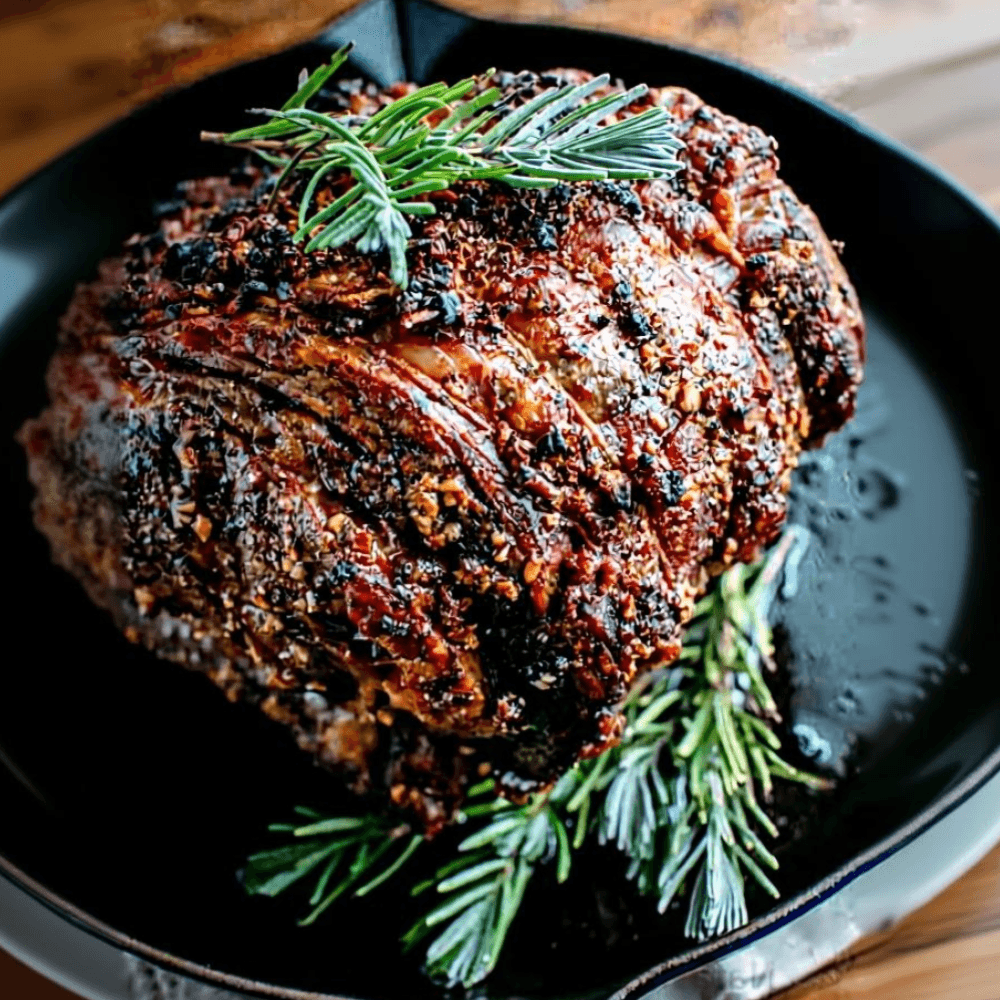
The aroma of a perfectly roasted holiday centerpiece has a way of instantly transforming any gathering into a truly special occasion. There’s a certain grandeur, a promise of culinary excellence, that comes with presenting a magnificent cut of beef to your guests. Among these revered traditions, the Garlic-Crusted Prime Rib stands out as the ultimate showstopper. It’s not just a meal; it’s an experience, a testament to thoughtful cooking that leaves an indelible mark. While a traditional prime rib is undeniably delicious, the addition of a rich, savory garlic-herb crust elevates it to an entirely new level, infusing every bite with unparalleled flavor and a delightful texture.
For many, the thought of preparing such a grand roast can feel intimidating. Visions of uneven cooking, dry meat, or a lackluster crust might deter even seasoned home cooks. But fear not! We’re here to share a fool-proof method that demystifies the process, allowing you to create an absolutely stunning, melt-in-your-mouth Garlic-Crusted Prime Rib with confidence. Forget the stress and embrace the joy of preparing a truly unforgettable meal that will have everyone asking for your secret.
Selecting the Perfect Prime Rib
The foundation of an exceptional roast lies in the quality of your ingredients, and none is more crucial than the cut of beef itself. When aiming for that sublime holiday beef roast, choosing the right prime rib is paramount.
Bone-In vs. Boneless: Why Bone-In Reigns Supreme
While boneless prime rib is available and easier to carve, we wholeheartedly recommend opting for a bone-in prime rib, often referred to as a standing rib roast. The bones serve as natural insulators during cooking, helping to protect the meat from drying out and ensuring a more even cook. More importantly, they impart incredible flavor to the meat as it roasts, contributing to a richer, more succulent result. The marrow and connective tissues around the bones render down, basting the roast from the inside out and enhancing the overall beefy essence.
Grading Matters: Understanding Prime vs. Choice Cuts
When you’re investing in a show-stopping cut like prime rib, understanding beef grades is essential. USDA Prime beef boasts the highest marbling (intramuscular fat), which translates to superior tenderness, juiciness, and flavor. While USDA Choice is also excellent and more readily available, Prime will always offer that extra layer of indulgence. Look for a fine, even distribution of fat throughout the muscle for the best outcome.
How Much to Buy: Calculating Pounds Per Person
A good rule of thumb for purchasing a bone-in standing rib roast is to allow approximately 1 pound per person. This accounts for the weight of the bones and ensures you’ll have generous portions, possibly even some delicious leftovers for sandwiches or a next-day meal. For example, a 7-pound roast would comfortably serve 6-7 people. Always err on the side of caution and buy slightly more if you have big eaters or want to guarantee ample servings.
The Secret to the Perfect Crust
The “crust” in Garlic-Crusted Prime Rib isn’t just an afterthought; it’s a star player that defines the dish. It adds a layer of intense flavor, a delightful textural contrast, and a beautiful golden-brown finish.
Room Temperature Tempering: Why Taking the Chill Off is Non-Negotiable
One of the most crucial steps often overlooked is allowing your prime rib to come to room temperature before cooking. This isn’t just a suggestion; it’s a non-negotiable step for achieving an evenly cooked roast. A cold roast hitting a hot oven will cook unevenly, with the outer edges potentially overcooking by the time the center reaches your desired doneness. Take the roast out of the refrigerator at least 2-3 hours before you plan to cook it. This allows the internal temperature to rise gradually, promoting a more consistent cook from edge to edge.
The Compound Butter: Crafting Your Garlic Herb Butter Crust
The magic of our signature garlic herb butter crust lies in a simple yet potent mixture. You’ll need softened, unsalted butter (this is key for spreading), plenty of freshly minced garlic, and a generous assortment of fresh herbs like rosemary, thyme, and parsley. Finely chop the herbs and combine them with the garlic and softened butter. Season liberally with salt and freshly cracked black pepper. This compound butter will be slathered over the entire surface of the roast, creating a protective, flavor-packed coating that crisps beautifully in the oven.
Dry Brining Options: Salting Ahead for Deeper Flavor Penetration
For an even more flavorful and juicy roast, consider dry brining. This involves salting the prime rib generously 24-48 hours before cooking. Apply coarse salt (kosher salt works wonderfully) all over the surface of the roast, including the sides. Place it uncovered on a wire rack set over a baking sheet in the refrigerator. The salt draws moisture out, which then dissolves the salt, creating a brine that’s reabsorbed by the meat. This process seasons the beef deeply and helps break down muscle fibers, leading to a more tender result. If you choose to dry brine, adjust the salt in your compound butter accordingly.
Step-by-Step Cooking Method
Mastering the cooking of a Garlic-Crusted Prime Rib involves a few key stages designed to maximize flavor, tenderness, and that irresistible crust. Follow these steps for success.
1. The Prep
- Trimming Excess Hard Fat: While marbling is good, thick layers of hard, exterior fat won’t render down effectively and can prevent the garlic herb butter crust from adhering. Using a sharp knife, trim any excessively thick layers of hard fat, leaving about a ¼-inch layer. You can score this remaining fat in a crosshatch pattern to help it render and crisp.
- Tying the Roast (If Necessary) for Uniform Shape: If your standing rib roast has an uneven shape, tying it with kitchen twine at 1-2 inch intervals will help it cook more uniformly. This is especially helpful if you’ve had your butcher separate the bones and then tie them back on (a common request to make carving easier later). Ensure the roast holds a compact, cylindrical shape.
Once prepped, generously slather your roast with the prepared garlic herb butter crust, ensuring every surface is covered. Place the roast, bone-side down, on a rack set inside a roasting pan.
2. The High-Heat Sear
Preheat your oven to a blazing 450°F (232°C). This initial high-heat blast is crucial. Place the prepared roast into the hot oven and let it sear for 15-20 minutes. This intense heat will create a beautiful, caramelized crust on the exterior, locking in juices and crisping up that savory garlic herb butter. It’s the first step to achieving that coveted rich, dark exterior.
3. The Low-and-Slow Finish
After the initial high-heat sear, immediately reduce the oven temperature to 325°F (160°C). Do not open the oven door during this transition. This low-and-slow finish is where the magic happens, allowing the roast to cook gently and evenly from edge to edge. This method ensures tenderness without drying out the exterior. The total beef rib roast cooking time will vary significantly based on the size of your roast and your desired doneness.
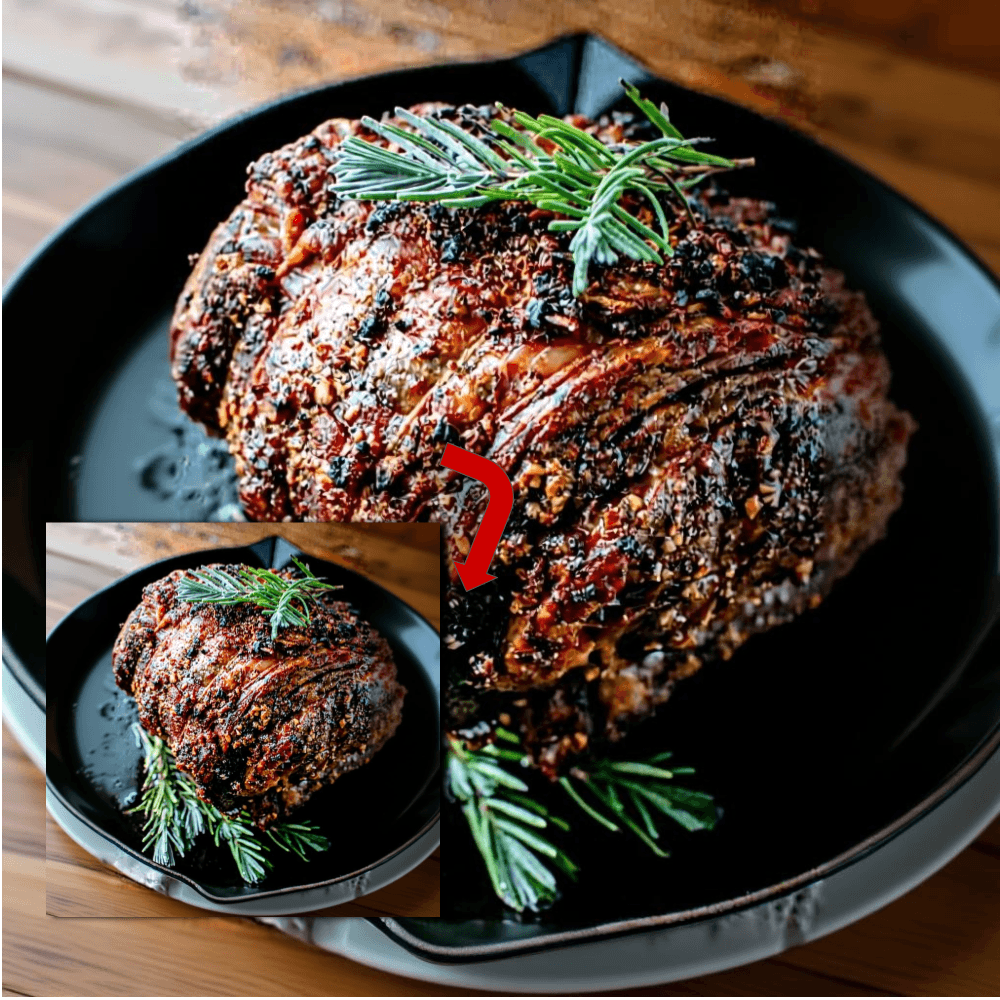
Using a Meat Thermometer: The Only Accurate Way to Cook: Guessing is not an option when it comes to prime rib. A reliable leave-in digital meat thermometer is your best friend. Insert the probe into the thickest part of the roast, ensuring it doesn’t touch any bone. Monitor the prime rib internal temperature constantly. This is the only way to guarantee your preferred doneness.
Internal Temperature Guide
Achieving the perfect doneness for your Garlic-Crusted Prime Rib is key to its succulence. Remember that the roast will continue to cook after it’s removed from the oven, a phenomenon known as “carryover cooking.” Always pull your roast 5-10°F below your target final temperature.
- Rare: Pull from oven at 115°F (46°C) → Final temperature after resting: 120°F (49°C)
- Medium-Rare (Recommended): Pull from oven at 120-125°F (49-52°C) → Final temperature after resting: 130-135°F (54-57°C). This is the ideal doneness for a truly tender and juicy medium rare roast beef.
- Medium: Pull from oven at 130-135°F (54-57°C) → Final temperature after resting: 140-145°F (60-63°C)
Expert Tip: For the most tender and juicy results, aim for a medium rare roast beef. The rich marbling and the gentle cooking process truly shine at this doneness.
Resting and Carving
You’ve cooked your magnificent Garlic-Crusted Prime Rib to perfection. Now, the hardest part: waiting. But this waiting period, known as resting, is absolutely critical and non-negotiable for a tender, juicy roast.
The Science of Resting: Redistributing Juices
When meat cooks, the muscle fibers contract and squeeze out moisture, pushing it towards the center of the roast. If you slice into it immediately, all those delicious juices will spill out onto your cutting board, leaving you with a drier, less flavorful piece of beef. Resting allows the muscle fibers to relax and reabsorb those juices, ensuring that every slice is incredibly moist and succulent. Tent the roast loosely with foil and let it rest for at least 20-30 minutes, or even up to 45 minutes for larger roasts. The internal temperature will continue to rise during this time due to carryover cooking.
How to Slice Against the Grain for Maximum Tenderness
Once rested, it’s time to carve your Christmas dinner centerpiece. If your butcher has separated the bones and tied them back on, carefully remove the twine and the bones (save them for stock!). Place the roast on a sturdy cutting board. Identify the grain of the meat – the direction in which the muscle fibers run. To ensure maximum tenderness, slice the prime rib against the grain. This shortens the muscle fibers, making each bite incredibly easy to chew. Use a long, sharp carving knife for clean, even slices, aiming for about ½-inch thick pieces.
Serving Suggestions
A glorious Garlic-Crusted Prime Rib deserves accompaniments that complement its rich flavor profile without overpowering it. Here are some classic pairings to complete your holiday feast.
Sauces: Homemade Au Jus and Horseradish Cream
- Homemade Au Jus: Don’t let those delicious drippings in the roasting pan go to waste! After removing the roast, skim off excess fat. Deglaze the pan with a bit of beef broth or red wine, scraping up all the flavorful browned bits. Simmer gently, strain, and season to taste for a perfect, savory au jus recipe.
- Creamy Horseradish Sauce: The sharp, pungent kick of horseradish is the quintessential counterpoint to the richness of prime rib. Whisk together sour cream or crème fraîche, prepared horseradish, a squeeze of lemon juice, and a pinch of salt and pepper. This creamy horseradish sauce adds a fantastic zest that brightens every bite.
Sides: Elevating Your Feast
- Garlic Mashed Potatoes: A natural pairing, the creamy texture and complementary garlic notes are irresistible.
- Roasted Asparagus: A touch of green and a slight bitterness offer a wonderful balance to the richness of the beef.
- Yorkshire Pudding: These savory popovers, traditionally cooked in beef drippings, are a classic and highly recommended accompaniment, perfect for soaking up the delicious au jus.
- Roasted Root Vegetables: Carrots, parsnips, and potatoes roasted alongside the beef or separately provide earthy sweetness.
Frequently Asked Questions (FAQ)
Can I make this in a convection oven?
Yes, you can cook a Garlic-Crusted Prime Rib in a convection oven, but you’ll need to make adjustments. Convection ovens circulate hot air, which cooks food faster and often more evenly. Reduce the cooking temperature by about 25°F (15°C) from the recipe’s recommended temperatures and check the internal temperature more frequently, as your beef rib roast cooking time will likely be shorter.
How do I reheat prime rib without ruining it?
Reheating prime rib can be tricky, as it’s easy to overcook and dry it out. The best method is gentle, low heat. Slice leftover prime rib to your desired thickness. Place slices in a baking dish with a splash of beef broth. Cover tightly with foil and reheat in a preheated oven at 250-300°F (120-150°C) until just warmed through, typically 20-30 minutes. Avoid high heat or microwaving, which can make it tough.
What wine pairs best with garlic-crusted beef?
For a rich Garlic-Crusted Prime Rib, you’ll want a full-bodied red wine that can stand up to its robust flavors. Classic pairings include Cabernet Sauvignon, Merlot, Syrah (Shiraz), or a Bordeaux blend. The tannins in these wines complement the richness of the beef, while their fruit and spice notes harmonize with the garlic and herbs.
With this comprehensive guide, you’re now equipped to create a truly magnificent Garlic-Crusted Prime Rib that will be the undisputed star of your next holiday gathering. Enjoy the process, savor the incredible flavors, and bask in the praise of your delighted guests!
For more delicious recipes, cooking tips, and culinary inspiration, be sure to follow us on Facebook at https://www.facebook.com/profile.php?id=61568538666337. We can’t wait to connect with you!
Garlic-Crusted Prime Rib
Ingredients
- 1 roast bone-in standing rib roast (beef prime rib), approx. 5-7 lbs Ask butcher to 'chine' the bones or cut and tie them back on
- 1/2 cup unsalted butter, softened Room temperature
- 6 cloves garlic Finely minced or pressed
- 2 tbsp fresh rosemary Finely chopped
- 1 tbsp fresh thyme leaves Stripped from stems
- 2 tbsp kosher salt Adjust to taste
- 1 tbsp freshly cracked black pepper Coarse grind
- 2 tbsp olive oil Extra virgin
Instructions
- Remove the prime rib roast from the refrigerator at least 2 hours before cooking to allow it to come to room temperature.
- Preheat your oven to 450°F (230°C). Position the oven rack in the lower third of the oven.
- In a small bowl, combine the softened butter, minced garlic, rosemary, thyme, kosher salt, black pepper, and olive oil. Mash with a fork until a smooth paste forms.
- Pat the roast completely dry with paper towels. Rub the garlic-herb paste generously over the entire surface of the meat, focusing on the top fat cap.
- Place the roast, bone-side down, in a roasting pan. The bones act as a natural rack.
- Roast at 450°F (230°C) for 20 minutes to sear the exterior and set the crust.
- Reduce the oven temperature to 325°F (165°C). Do not open the oven door during this transition.
- Continue roasting until an instant-read thermometer inserted into the thickest part of the meat reads 120°F (49°C) for medium-rare. This typically takes 13-15 minutes per pound total cooking time.
- Remove the roast from the oven and transfer it to a carving board. Tent loosely with aluminum foil.
- Let the meat rest for at least 30 minutes before carving to allow the juices to redistribute.
- Slice the roast between the bones into thick cuts and serve immediately.
For more daily recipes and tips, follow us on Facebook!
Click here to join our community!