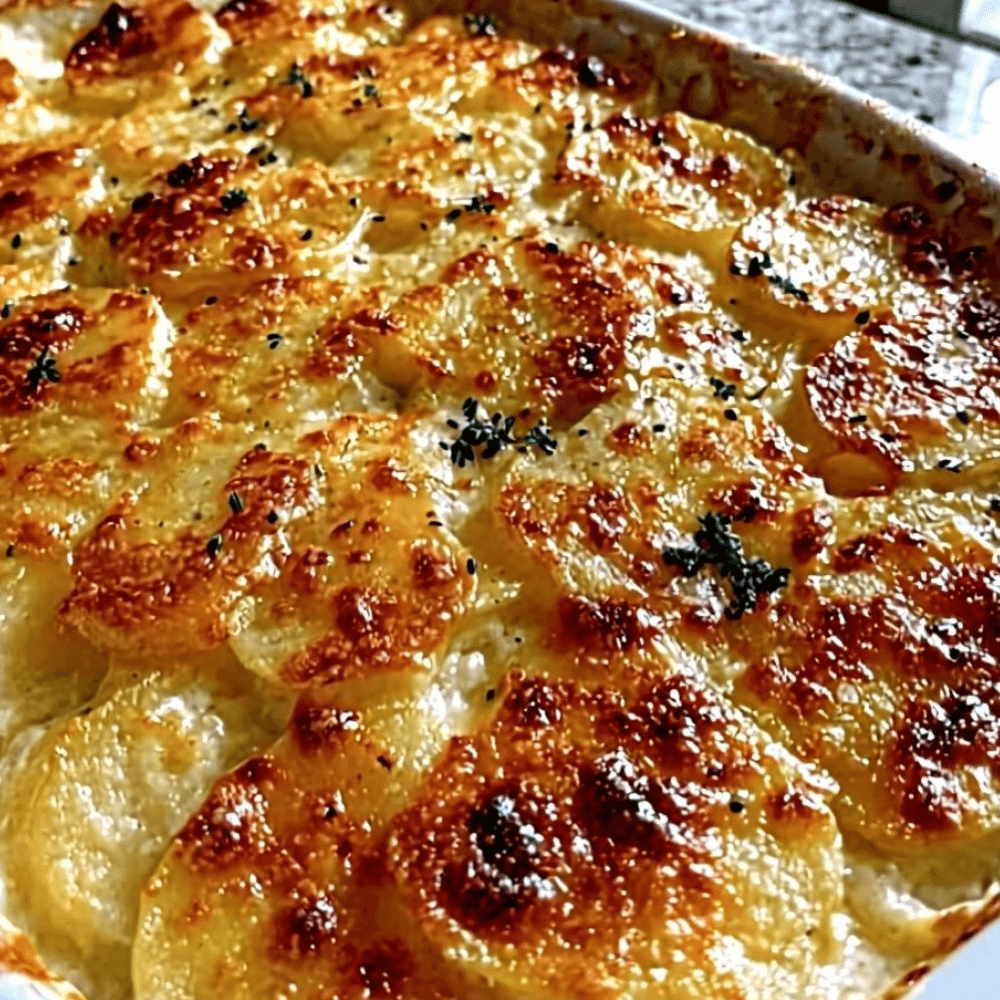
There are few dishes that evoke such profound feelings of warmth, family, and home quite like a pan of perfectly baked scalloped potatoes. Forget everything you thought you knew about bland, watery versions; this isn’t just a recipe, it’s a culinary journey back to the heart of comfort food. We’re talking about an old fashioned scalloped potatoes recipe that delivers on every promise: creamy, tender slices of potato bathed in a rich, savory sauce, all crowned with a golden, bubbly crust. It’s the kind of dish that disappears fastest at any gathering, a true classic among creamy potato casserole options that will make you the star of any potluck or holiday table.
Creamy Scalloped Potatoes Recipe: The Ultimate Comfort Food
Why This Old Fashioned Recipe Works
What sets this recipe apart from the countless others? It’s the meticulous attention to technique and flavor layering that transforms simple ingredients into an extraordinary experience. This isn’t just about throwing potatoes and cream together; it’s about building a foundation of flavor that truly sings.
- Roux-Based Sauce: The secret to a truly luxurious sauce lies in the roux. Unlike simple cream reductions that can break or become watery, a butter-flour roux creates a stable, velvety sauce that has incredible body. It clings to every single slice of potato, ensuring a consistent creaminess throughout the entire dish, from the first bite to the last. This technique ensures your sauce remains thick and luscious, never thin or runny.
- Aromatic Depth: Many quick recipes skip a crucial step: sautéing the aromatics. Our recipe begins by gently cooking onions and garlic in butter before adding any liquids. This process mellows their sharpness and infuses the fat with their savory essence, which then permeates the entire sauce. The result is a deeply flavorful dish, far removed from the sometimes bland profiles of simpler potato recipes. It’s this initial step that gives our scalloped potatoes with onions and garlic their signature irresistible aroma and taste.
- Perfect Texture: Achieving the ideal texture in scalloped potatoes is a delicate balance. Our carefully calibrated combination of whole milk and chicken broth provides a richness that is both profound and perfectly balanced. The milk delivers that essential creaminess, while the chicken broth adds a savory depth that prevents the dish from being overly heavy or cloying. The resulting sauce is luxurious, yet still allows the natural flavor of the potatoes to shine through.
Ingredients for Success
The beauty of classic scalloped potatoes lies in its simplicity, but selecting the right ingredients is key to unlocking its full potential. Every component plays a vital role in creating that perfect, comforting experience.
- The Potato Debate: When it comes to the best potatoes for scalloped potatoes, there’s a clear winner for this particular recipe. Russet potatoes are truly the gold standard. Their high starch content is not just a preference; it’s a functional benefit. As they cook, the starch releases, helping to naturally thicken the sauce and create that desirable creamy consistency. This ensures your dish isn’t just potato slices in a thin sauce, but a cohesive, rich potato casserole. However, if you prefer a slightly different texture, Yukon Golds offer a buttery, melt-in-your-mouth alternative with a beautiful golden hue. While they don’t thicken the sauce quite as much as Russets, their inherent creaminess is undeniably delicious. The choice between russet vs yukon gold for scalloped often comes down to personal preference for texture and sauce viscosity.
- The Liquid Ratio: Our unique combination of whole milk and low-sodium chicken broth is a deliberate choice for maximum flavor. The whole milk contributes the essential creaminess and richness, while the chicken broth introduces a savory, umami depth that elevates the sauce beyond a simple dairy base. This pairing creates a nuanced flavor profile that is both comforting and sophisticated, perfectly complementing the potatoes without overpowering them.
- Seasonings: Don’t underestimate the power of proper seasoning! It’s not enough to just salt the sauce. For truly flavorful scalloped potatoes, you must season in layers. This means sprinkling salt and freshly ground black pepper not only into your cream sauce but also lightly over each layer of potato as you assemble the dish. This technique ensures every bite is perfectly seasoned, preventing any bland pockets and enhancing the overall flavor of the entire casserole. A pinch of nutmeg can also add a subtle warmth and sophistication to the sauce.
How to Make Scalloped Potatoes Step-by-Step
Crafting the perfect scalloped potatoes is a labor of love, but each step is straightforward and contributes to the incredible final result. Follow these instructions carefully for a dish that will impress everyone.
1. Mastering the Cream Sauce
- Begin by melting unsalted butter in a medium saucepan over medium heat. Add finely diced yellow onion and minced garlic, sautéing gently until translucent and fragrant, about 5-7 minutes. This step is crucial for building the aromatic foundation of your dish.
- Sprinkle the flour over the softened onions and garlic, whisking constantly to create a roux. Continue to cook the roux for at least 2-3 minutes, stirring, until it forms a pale golden paste and smells slightly nutty. This extended cooking time is essential to cook out the raw flour taste, ensuring your sauce is smooth and free of any starchy aftertaste.
- Gradually whisk in the warm milk and chicken broth, a little at a time, ensuring each addition is fully incorporated before adding more. Whisking techniques are key here: start with a small amount of liquid to create a thick paste, then slowly thin it out. This prevents lumps and ensures a silky-smooth sauce. Continue to whisk until the sauce thickens to a consistency that coats the back of a spoon, about 5-8 minutes. Season generously with salt, pepper, and a pinch of nutmeg.
2. Slicing and Layering
- Preheat your oven to 375°F (190°C). Grease a 9×13-inch baking dish.
- Peel your chosen potatoes (Russets or Yukon Golds) and, using a mandoline or a very sharp knife, slice them uniformly to about 1/8-inch thickness. Mandoline magic is highly recommended here, as consistent slice thickness is vital for even cooking. Uneven slices will result in some potatoes being overcooked and mushy, while others remain firm.
- Begin layering: Arrange one-third of the potato slices in an even layer at the bottom of your prepared baking dish. Season lightly with salt and pepper. Pour about one-third of the cream sauce evenly over the potatoes.
- Repeat this process twice more, creating three layers of potatoes, seasoned lightly, and topped with sauce. Ensure the top layer of potatoes is thoroughly covered by the remaining sauce to prevent them from drying out during baking. The layering strategy ensures every potato slice is bathed in delicious creaminess.
3. The Two-Stage Bake
- Covered Stage: Tightly cover the baking dish with aluminum foil. Bake for 45-50 minutes. This initial covered stage effectively steams the potatoes, allowing them to become wonderfully tender without drying out.
- Uncovered Stage: Remove the foil and continue to bake for another 25-35 minutes, or until the top is golden brown and bubbly, and the potatoes are fork-tender. This uncovered stage is where the magic happens, creating that irresistible crispy, caramelized crust that is the hallmark of truly great scalloped potatoes.
Scalloped Potatoes vs. Au Gratin: What’s the Difference?
The terms “scalloped potatoes” and “potatoes au gratin” are often used interchangeably, leading to much confusion, but there’s a distinct potato au gratin difference that sets them apart. While both are comforting potato casseroles, their traditional compositions differ significantly.
Scalloped potatoes, like our classic recipe, traditionally feature thinly sliced potatoes baked in a rich, roux-thickened cream or milk-based sauce. The emphasis is on the tender potatoes and the velvety sauce, with cheese being an optional (and often non-traditional) addition. The creamy sauce is the star.
Potatoes au gratin, on the other hand, are characterized by the prominent use of cheese, often layered between the potato slices, and frequently topped with breadcrumbs. The term “au gratin” itself refers to a dish that is topped with cheese or breadcrumbs (or both) and then browned under a broiler or in an oven. While they also feature sliced potatoes and often a dairy-based liquid, the cheesy, sometimes crumbly, crust is their defining feature.
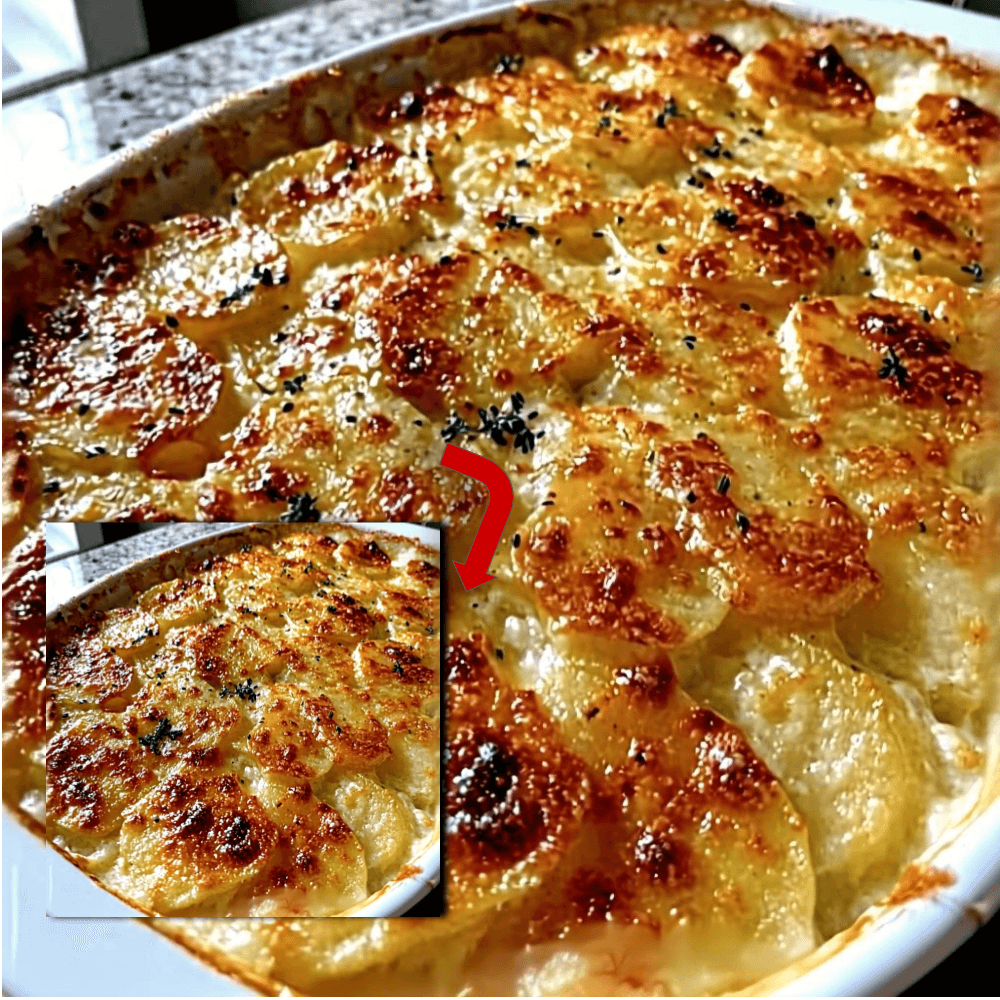
So, while both are utterly delicious potato bakes, if you’re looking for that pure, unadulterated creamy potato goodness without the interference of melted cheese, you’re making scalloped potatoes.
Expert Tips for Perfect Results
Even with the best recipe, a few insider tricks can elevate your scalloped potatoes from good to absolutely unforgettable. These tips address common pitfalls and ensure a consistently superb outcome.
- Avoid Watery Potatoes: This is perhaps the most critical tip for how to prevent watery scalloped potatoes. Do not rinse your potato slices! While rinsing potatoes for frying might be a good idea, for scalloped potatoes, you actually need that surface starch. This natural starch acts as a binding agent, helping to thicken the sauce and create a cohesive, creamy texture. Rinsing them away would result in a thinner, less luxurious sauce.
- Resting Time: Once your scalloped potatoes come out of the oven, it’s tempting to dig right in. Resist the urge! Allow the dish to rest for 10-15 minutes before serving. This critical resting period allows the hot sauce to cool slightly and set, making it much easier to scoop out clean, intact squares without the dish collapsing or becoming a messy puddle on the plate. It also allows the flavors to meld further.
- Checking Doneness: The best way to determine if your potatoes are perfectly cooked is to insert a thin paring knife or a skewer into the center of the dish. If it slides in easily with little to no resistance, your potatoes are tender and ready. If there’s still a firm core, return the dish to the oven for a bit longer, covering it again with foil if the top is already sufficiently browned.
Variations to Try
While our classic scalloped potatoes recipe is perfect as is, it also serves as a fantastic base for creative twists. These variations can transform the dish for different occasions or simply cater to varied tastes.
- Cheesy Twist: Although traditional scalloped potatoes are inherently cheese-free, adding cheese is a popular modern interpretation. If you desire a rich, cheesy dimension, sprinkle 1 cup of freshly shredded sharp cheddar, Gruyère, or Parmesan cheese between the potato layers and/or on top during the last 15 minutes of baking. This creates a more gratine-like effect, adding extra flavor and a beautiful golden crust.
- Protein Add-Ins: To transform this glorious side dish into a hearty main course, consider incorporating cooked proteins. Layers of diced beef or crispy beef bits can be added between the potato and sauce layers. Ensure any added protein is already cooked, as the baking time is primarily for the potatoes. These additions make it a substantial meal perfect for colder evenings.
- Herb Infusion: For an elegant touch, particularly when serving for classic holiday side dishes, infuse your cream sauce with fresh herbs. A few sprigs of fresh thyme or rosemary simmered in the sauce as it thickens will impart a subtle, aromatic complexity. Remember to remove the herb sprigs before layering the sauce with the potatoes. A bay leaf can also add a delightful background note.
Storage and Reheating Guide
One of the many benefits of this comforting dish is its make-ahead potential and how well it stores. This makes it an ideal option for meal prepping or simplifying holiday cooking.
- Refrigerator: Leftover scalloped potatoes store beautifully in an airtight container in the refrigerator for 3-4 days. The flavors often deepen overnight, making them even more delicious the next day.
- Freezing: For longer storage, you can freeze scalloped potatoes. It’s often best to do this before the final uncovered bake. Prepare and layer the potatoes and sauce in a freezer-safe baking dish, then cover tightly with foil and plastic wrap. Freeze for up to 2-3 months. When ready to bake, thaw in the refrigerator overnight, then bake as directed, potentially adding an extra 15-20 minutes to the covered stage. While frozen and reheated potatoes can sometimes have a slightly softer texture, the flavor remains excellent.
- Reheating: To maintain the coveted crispy top, the oven method is preferred for reheating. Cover the dish loosely with foil and bake at 325°F (160°C) for 20-30 minutes, or until heated through. For a quick reheat, individual portions can be microwaved, but the texture will be softer, and the top won’t regain its crispness.
Frequently Asked Questions (FAQ)
- What are the best potatoes to use for scalloped potatoes?
For the creamiest, most traditional result, Russet potatoes are highly recommended due to their high starch content, which helps thicken the sauce. Yukon Gold potatoes are a good alternative for a buttery, melt-in-your-mouth texture. - How do you prevent scalloped potatoes from being watery?
To prevent watery scalloped potatoes, do not rinse your sliced potatoes, as the surface starch helps bind the sauce. Additionally, ensure your cream sauce is properly thickened with a roux, and allow the dish to rest for 10-15 minutes after baking before serving. - Can I make scalloped potatoes ahead of time?
Yes, scalloped potatoes are an excellent make-ahead dish. You can assemble the casserole completely, cover it, and refrigerate for up to 24 hours before baking. Alternatively, you can bake it, let it cool, and then reheat it gently in the oven.
Classic Creamy Scalloped Potatoes
Ingredients
- 1/4 cup butter
- 1 large onion diced
- 2 cloves garlic minced
- 1/4 cup flour all-purpose
- 2 cups milk
- 1 cup chicken broth
- 1/2 teaspoon salt plus more to taste
- 1/4 teaspoon pepper plus more to taste
- 3 pounds white potatoes sliced about 1/8" thick
Instructions
- Preheat oven to 375°F (190°C). Grease a large baking dish.
- In a large saucepan, melt butter over medium heat. Add diced onion and garlic, sautéing until softened and fragrant, about 5 minutes.
- Stir in flour and cook for 1-2 minutes to form a roux, stirring constantly to remove the raw flour taste.
- Gradually whisk in milk and chicken broth. Continue stirring constantly until the sauce thickens, about 5-7 minutes.
- Season the sauce with 1/2 teaspoon salt and 1/4 teaspoon pepper. Remove from heat.
- Layer half of the sliced potatoes in the prepared baking dish. Pour half of the thickened sauce over the potatoes. Season lightly with additional salt and pepper.
- Repeat with the remaining potatoes and sauce, spreading the top layer evenly.
- Cover the dish tightly with foil and bake for 45 minutes.
- Remove the foil and bake for an additional 30 minutes, or until the potatoes are tender when pierced with a knife and the top is golden brown.
- Let stand for 10 minutes before serving to allow the sauce to set.
For more daily recipes and tips, follow us on Facebook!
Click here to join our community!