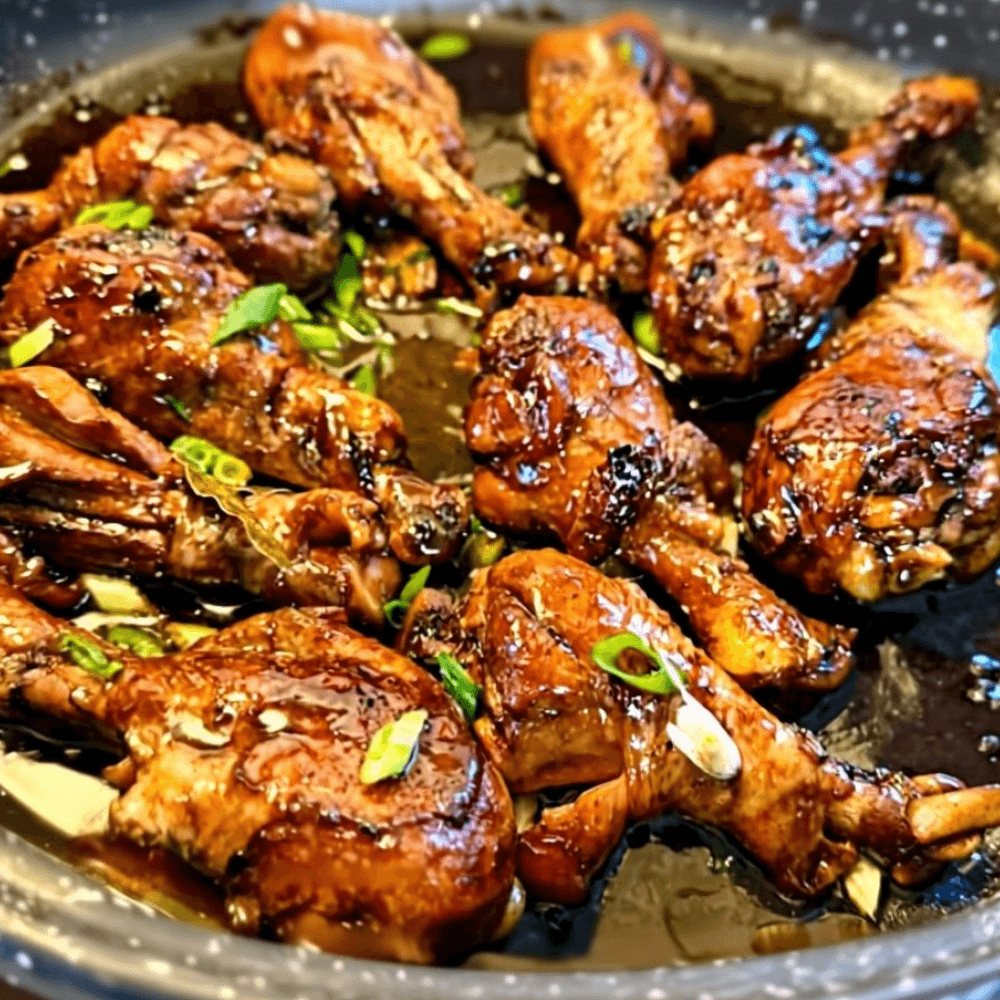
Introduction to Authentic Filipino Chicken Adobo
There are few dishes that evoke the warmth and comfort of home quite like Filipino Chicken Adobo. More than just a meal, it’s a culinary embrace, a testament to the rich history and vibrant flavors of the Philippines. This iconic dish, known for its perfect balance of savory, tangy, and subtly sweet notes, is a staple in every Filipino household and a must-try for anyone exploring global cuisine. Get ready to embark on a flavorful journey as we share our definitive, authentic chicken adobo recipe, guaranteed to bring the taste of the Philippines right to your kitchen.
What is Adobo?
At its heart, “Adobo” isn’t just a dish; it’s a cooking process. Derived from the Spanish word “adobar,” meaning to marinate, it refers to a method of stewing meat (or seafood or vegetables) in a tangy mixture of vinegar, soy sauce, garlic, bay leaves, and black peppercorns. While many cultures have their own version of adobo, the Filipino rendition stands unique. It’s often hailed as the national dish of the Philippines, beloved for its simplicity, depth of flavor, and its remarkable ability to taste even better the next day. This isn’t just food; it’s Filipino comfort food personified, a dish that tells a story with every bite.
Why This Recipe Works
Our recipe for Filipino Chicken Adobo is designed for both novice cooks and seasoned home chefs alike. We’ve fine-tuned the balance of the key components – the distinct acidity of vinegar, the umami richness of soy sauce, and the aromatic punch of garlic – to create a perfectly harmonious and profoundly delicious dish. This isn’t just an easy adobo recipe; it’s a guide to mastering the art of a truly traditional Filipino adobo. We focus on techniques that enhance flavor, such as searing the chicken to develop a beautiful crust and simmering it gently to ensure tenderness. The result is a deeply satisfying, incredibly flavorful dish that perfectly captures the essence of chicken adobo with soy sauce and vinegar, making it a reliable and rewarding culinary experience every time.
Key Ingredients for the Perfect Adobo
Crafting the perfect Filipino Chicken Adobo begins with selecting the right ingredients. While the list is surprisingly short, the quality and preparation of each component significantly impact the final flavor. Here’s what you’ll need to create this culinary masterpiece.
Choosing the Right Chicken Cuts
For the most flavorful and tender authentic chicken adobo recipe, we highly recommend using bone-in, skin-on chicken pieces. The bones add depth to the sauce, while the skin crisps up beautifully during the initial pan-frying and then tenderizes as it simmers, infusing the dish with rich chicken flavor. Our top choices are:
- Chicken Thighs: These are naturally more tender and moist, making them ideal for long simmering. They absorb the adobo sauce wonderfully.
- Chicken Drumsticks: Similar to thighs, drumsticks offer great flavor and texture, and are often a family favorite.
- Mixed Pieces: A combination of thighs and drumsticks provides variety in texture and presentation.
While boneless, skinless chicken breast can be used for a leaner option, be mindful that it can dry out more easily. If using breasts, consider cutting them into larger chunks and reducing simmering time slightly.
Vinegar and Soy Sauce Ratios Explained
The soul of Filipino Chicken Adobo lies in the delicate dance between vinegar and soy sauce. Getting this ratio right is key to achieving that signature tangy-savory profile. Here’s a breakdown of the essential chicken adobo ingredients:
- Soy Sauce: Use a good quality Filipino or Asian brand. The saltiness and umami notes are crucial. We typically opt for regular soy sauce, but low-sodium can be used if you prefer to control salt levels.
- Vinegar: Cane vinegar is traditional for traditional Filipino adobo, offering a sharp yet mellow tang. White vinegar or apple cider vinegar are excellent, readily available alternatives that provide a similar acidic profile. Avoid vinegars that are too strong or distinctly flavored like balsamic.
- Garlic: Lots of it! Roughly crushed or minced garlic is essential. It provides the aromatic foundation for the adobo.
- Black Peppercorns: Whole peppercorns are traditional and release their mild, earthy spice gradually during simmering.
- Bay Leaves: These fragrant leaves impart a subtle, almost floral aroma that is characteristic of adobo.
Expert Tip: “The ideal ratio of soy sauce to vinegar is often a matter of personal preference, but a good starting point is 2 parts soy sauce to 1 part vinegar. Remember, you can always adjust to taste at the end, adding more vinegar for tang or a splash more soy sauce for saltiness and depth.”
Step-by-Step Cooking Instructions
Mastering how to cook adobo is simpler than you might think. Follow these steps carefully to create a succulent and intensely flavorful Filipino Chicken Adobo that will impress everyone at your table.
Marinating for Maximum Flavor
While some adobo recipes skip the marination, a brief soak can significantly enhance the flavor penetration into the chicken. In a large bowl or zip-top bag, combine your chicken pieces with half of the soy sauce, a generous amount of crushed garlic, and a few whole peppercorns. Marinate for at least 30 minutes at room temperature, or up to 2 hours in the refrigerator. If you’re short on time, you can proceed directly to cooking, as the long simmering process will still infuse plenty of flavor.
The Pan-Frying Technique for Golden Skin
This step is often overlooked but is crucial for developing a rich depth of flavor and appealing texture. Heat a tablespoon or two of cooking oil in a large pot or Dutch oven over medium-high heat. Once hot, carefully place the chicken pieces skin-side down (if applicable) in a single layer, ensuring not to overcrowd the pan. Sear the chicken for 3-5 minutes per side, until the skin is beautifully golden brown and slightly crispy. This caramelization adds a wonderful layer of flavor to the sauce. Remove the chicken from the pot and set aside, leaving any rendered fat and flavorful bits in the pot.
Simmering to Perfection
Now, it’s time to bring all the flavors together for your Filipino Chicken Adobo.
In the same pot (with the rendered chicken fat), add the remaining crushed garlic and sauté for about 1 minute until fragrant, being careful not to burn it.
Return the seared chicken pieces to the pot.
Pour in the remaining soy sauce, the vinegar, bay leaves, and whole black peppercorns.
Add about 1/2 to 1 cup of water or chicken broth, enough to partially submerge the chicken. Bring the mixture to a boil, then immediately reduce the heat to low.
Cover the pot and let it simmer gently for 30-45 minutes, or until the chicken is fork-tender and cooked through. Stir occasionally to ensure even cooking and to prevent sticking.
Towards the end of the simmering time, remove the lid and increase the heat slightly to reduce the sauce to your desired consistency. The sauce should thicken slightly and become richer in flavor. Taste and adjust seasoning as needed – a pinch of sugar can balance the tanginess if desired.
Expert Tips and Variations
While the classic Filipino Chicken Adobo is perfect on its own, its versatility allows for exciting variations and additions. Here are some ways to customize your dish and make it truly your own.
Adobo sa Gata (With Coconut Milk)
For a creamier, richer take on this Filipino comfort food, try making Adobo sa Gata. “Gata” means coconut milk in Tagalog. Simply add about 1 can (13.5 oz or 400ml) of full-fat coconut milk to the pot during the simmering stage, along with the soy sauce and vinegar. The coconut milk will mellow the acidity and add a luscious, velvety texture to the sauce, creating a delightful contrast. Simmer until the sauce reduces and coats the chicken beautifully. This variation is particularly popular in the Bicol region of the Philippines and offers a slightly different, yet equally satisfying, flavor profile.
Adding Potatoes or Hard-Boiled Eggs
Many Filipino families love to extend their adobo with hearty additions.
- Potatoes: Cut 2-3 medium potatoes into 1-inch chunks. Add them to the pot along with the chicken, soy sauce, and vinegar at the start of the simmering process. They will absorb the delicious adobo sauce and become wonderfully tender.
- Hard-Boiled Eggs: For a delightful protein boost and creamy texture, hard-boil 4-6 eggs, peel them, and add them to the simmering adobo during the last 10-15 minutes of cooking. They’ll soak up some of the sauce and add another layer of flavor.
How to Serve and Store Chicken Adobo
Once your perfectly cooked Filipino Chicken Adobo is ready, knowing how to serve and store it properly ensures you enjoy every last savory bite.
Best Side Dishes
The quintessential accompaniment for authentic chicken adobo recipe is, without a doubt, a generous serving of freshly steamed white rice. The rice acts as a perfect canvas for the rich, tangy, and garlicky sauce, soaking up every drop of its deliciousness. Beyond rice, consider these options:
- Atchara: A pickled green papaya relish, its sweet and sour crunch provides a fantastic counterpoint to the adobo’s savory richness.
- Fresh Tomatoes: Sliced fresh tomatoes offer a light, refreshing contrast.
- Steamed Vegetables: Simple steamed greens like bok choy or green beans can add a fresh element.
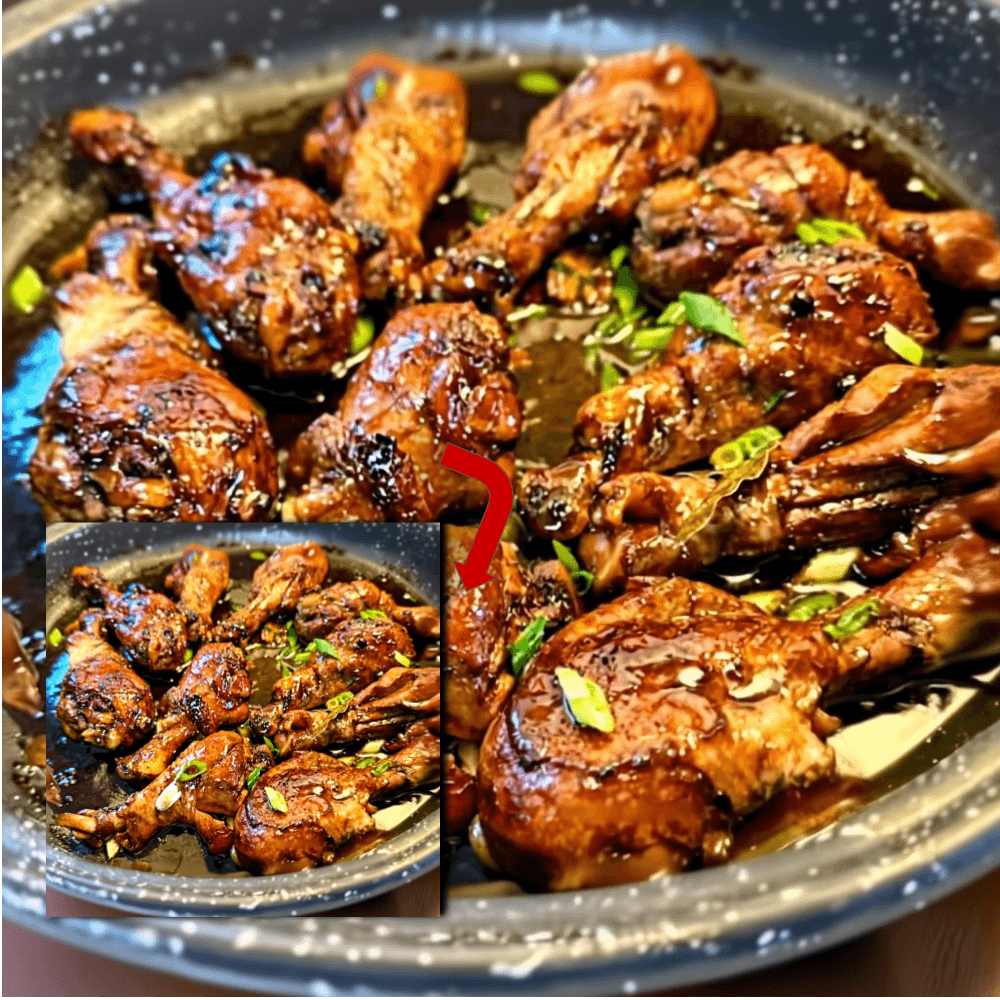
Serve the chicken pieces generously coated in the reduced sauce, garnished with fresh scallions or toasted garlic bits for extra flavor and visual appeal.
Storage and Freezing Tips
One of the many beautiful things about Filipino Chicken Adobo is that it often tastes even better the next day, after the flavors have had more time to meld and deepen. This makes it an excellent meal prep option.
- Refrigeration: Store leftover adobo in an airtight container in the refrigerator for up to 3-4 days.
- Freezing: Adobo freezes exceptionally well. Allow the dish to cool completely, then transfer it to freezer-safe containers or heavy-duty freezer bags. It can be frozen for up to 2-3 months. Thaw overnight in the refrigerator before reheating gently on the stovetop or in the microwave, adding a splash of water or broth if the sauce has thickened too much.
Reheating usually involves a gentle simmer on the stovetop until heated through, ensuring the chicken remains tender and the sauce is bubbling.
Frequently Asked Questions
Here are some common questions about Filipino Chicken Adobo, answered to help you master this incredible dish.
Q: Can I use chicken breast for Filipino Chicken Adobo?
A: Yes, you can use boneless, skinless chicken breast, but be mindful that it can dry out more easily than dark meat. To prevent this, cut the breasts into larger chunks and reduce the simmering time. You may also want to marinate it a bit longer to ensure it absorbs plenty of flavor.
Q: What kind of vinegar is best for traditional Filipino adobo?
A: Cane vinegar is traditionally preferred for its mild yet distinct tang. However, good quality white vinegar or apple cider vinegar are excellent and readily available substitutes that will yield a delicious traditional Filipino adobo.
Q: How long does chicken adobo last in the fridge?
A: When stored in an airtight container, Filipino Chicken Adobo can last beautifully in the refrigerator for up to 3-4 days. Many agree its flavors deepen and improve the next day!
Q: Is chicken adobo spicy?
A: Traditionally, Filipino Chicken Adobo is not spicy. Its flavor profile is savory, tangy, and garlicky. However, you can certainly add a kick by incorporating fresh chili peppers (like siling labuyo) during the simmering process, or by adding a dash of hot sauce when serving.
Q: Can I make this an easy adobo recipe in a slow cooker?
A: Absolutely! To make it an easy adobo recipe in a slow cooker, sear the chicken first (as described in step 2) for added flavor. Then, combine all the ingredients in the slow cooker and cook on low for 4-6 hours or on high for 2-3 hours, until the chicken is tender. For a thicker sauce, you can transfer the sauce to a saucepan and reduce it on the stovetop after the chicken is cooked.
We hope this comprehensive guide inspires you to create your own delicious Filipino Chicken Adobo. It’s a dish that truly embodies the heart of Filipino cooking – simple ingredients, profound flavors, and a whole lot of love. Happy cooking!
Don’t forget to follow us on Facebook for more delicious recipes and cooking tips! Find us at: https://www.facebook.com/profile.php?id=61568538666337
Authentic Filipino Chicken Adobo
Ingredients
- 3 lbs chicken with skin and bones chicken legs preferred
- 6 cloves garlic peeled and smashed
- 3/4 cup soy sauce
- 3/4 cup vinegar white or cane vinegar
- 3/4 cup water
- 1 teaspoon black peppercorns
- 1/2 teaspoon ground black pepper
- 4 pcs bay leaves
- 2 tablespoon cooking oil
- 3 tablespoon dark brown sugar
- 1 bunch green onions optional, for garnish
Instructions
- In a large bowl, combine the garlic, soy sauce, water, vinegar, whole peppercorns, ground black pepper, dark brown sugar, and bay leaves.
- Add the chicken to the bowl. Marinate for at least 30 minutes, or refrigerate overnight for best results.
- In a large pan, heat the cooking oil over medium heat. Remove the chicken from the marinade, reserving the liquid, and fry the chicken until golden brown on all sides.
- Pour the reserved marinade mixture back into the pan with the browned chicken and bring to a boil.
- Reduce the heat to low, cover, and let it simmer for 15 minutes.
- Flip the chicken to the other side and simmer for another 15 minutes until the chicken is completely cooked through and the sauce thickens.
- Remove from heat, garnish with chopped green onions, and serve immediately over steamed rice.
For more daily recipes and tips, follow us on Facebook!
Click here to join our community!