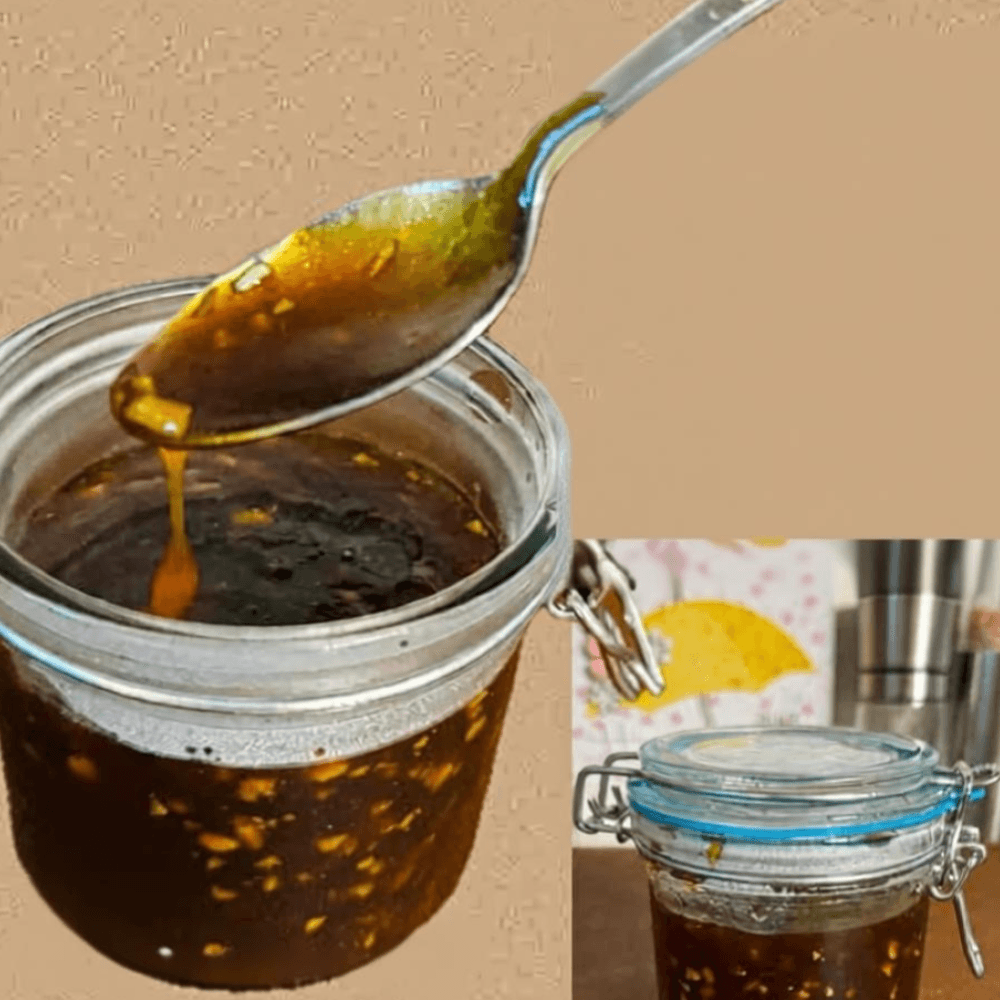
Why You Need a Go-To Asian Stir Fry Sauce
Imagine a weeknight dinner that’s bursting with vibrant flavors, cooked in minutes, and incredibly versatile. The secret to achieving this culinary dream often lies in one crucial component: a fantastic Asian Stir Fry Sauce. This isn’t just any sauce; it’s the magical elixir that transforms simple ingredients into an unforgettable meal, making it a cornerstone of efficient and delicious home cooking.
The Problem with Store-Bought Sauces
While convenient, many store-bought stir fry sauces often come with a hidden cost. They can be laden with excessive sodium, artificial preservatives, high-fructose corn syrup, and unhealthy additives. This not only detracts from the authentic flavor but also works against efforts to create healthy Asian cooking sauce options at home. You might find yourself compromising on taste or health goals just for the sake of speed.
Benefits of Homemade Stir Fry Sauce
Opting for a homemade stir fry sauce offers a multitude of benefits. You gain complete control over the ingredients, allowing you to tailor the flavors to your preference and dietary needs. Want less salt? Easy. Craving more spice? Go for it! A homemade version is often fresher, more flavorful, and significantly healthier, free from questionable additives. It elevates your cooking from ordinary to extraordinary, giving you an easy wok sauce recipe that tastes gourmet without the fuss.
Key Ingredients for the Best Asian Stir Fry Sauce
Crafting the perfect Asian Stir Fry Sauce begins with understanding the essential building blocks. Each ingredient plays a vital role in creating that harmonious balance of sweet, savory, tangy, and umami that defines authentic Asian cuisine.
Soy Sauce & Oyster Sauce (The Umami Base)
These two are the heart and soul of many Asian sauces. Soy sauce provides a deep, savory foundation, rich in umami. For those mindful of sodium, a low sodium soy sauce base is an excellent choice. Oyster sauce adds another layer of complex umami with a hint of sweetness and a glossy texture. It’s truly indispensable for that classic stir fry depth.
Rice Vinegar & Sesame Oil (Aromatics and Tang)
Rice vinegar introduces a bright, subtle tang that cuts through the richness of the soy and oyster sauces, balancing the overall flavor profile. It’s a non-negotiable for a well-rounded sauce. Sesame oil, particularly toasted sesame oil, is a powerful aromatic. A small drizzle at the end imparts a nutty, fragrant finish that is distinctly Asian and incredibly appetizing.
Fresh Garlic & Ginger vs. Powders
When it comes comes to aromatics like garlic and ginger, fresh is always best. Freshly minced garlic and grated ginger deliver a potent, vibrant flavor and aroma that powders simply cannot replicate. They infuse the sauce with an unparalleled zest and warmth, contributing significantly to the overall deliciousness of your best stir fry vegetables sauce. While powders can be used in a pinch, make the effort for fresh whenever possible.
The Role of Cornstarch as a Thickener
Cornstarch is the unsung hero responsible for giving your stir fry sauce that beautiful, glossy sheen and perfect consistency. Mixed with a little cold water to form a slurry, it’s added towards the end of cooking to thicken the sauce, allowing it to cling wonderfully to your ingredients. It’s crucial for achieving that authentic restaurant-quality texture and is key to thickening stir fry sauce effectively.
How to Make Asian Stir Fry Sauce in 3 Easy Steps
Making your own Asian Stir Fry Sauce is incredibly simple and takes just minutes. Follow these three easy steps to create a versatile base that will elevate any dish.
Whisking the Base Ingredients
In a medium bowl, combine all your liquid base ingredients: soy sauce (or low sodium soy sauce base), oyster sauce, rice vinegar, and a touch of sugar or honey for balance. Add your freshly minced garlic and grated ginger. For a bit of heat, a dash of sriracha or red pepper flakes can be included here. Whisk vigorously until all ingredients are well combined and the sugar has dissolved. This initial mix creates a balanced foundation for your stir fry marinade.
Simmering to Perfection
While often used as a direct pour-over, for a richer, more integrated flavor, gently heat your sauce. You can do this in a small saucepan over medium-low heat. Bring it to a gentle simmer, allowing the flavors to meld for about 2-3 minutes. This step isn’t always necessary for immediate use but greatly enhances the depth. If using cornstarch immediately, prepare a slurry by whisking 1 tablespoon of cornstarch with 2 tablespoons of cold water. Add this slurry to the simmering sauce, whisking constantly until it thickens to your desired consistency. Remove from heat immediately once thickened.
Storing and Cooling
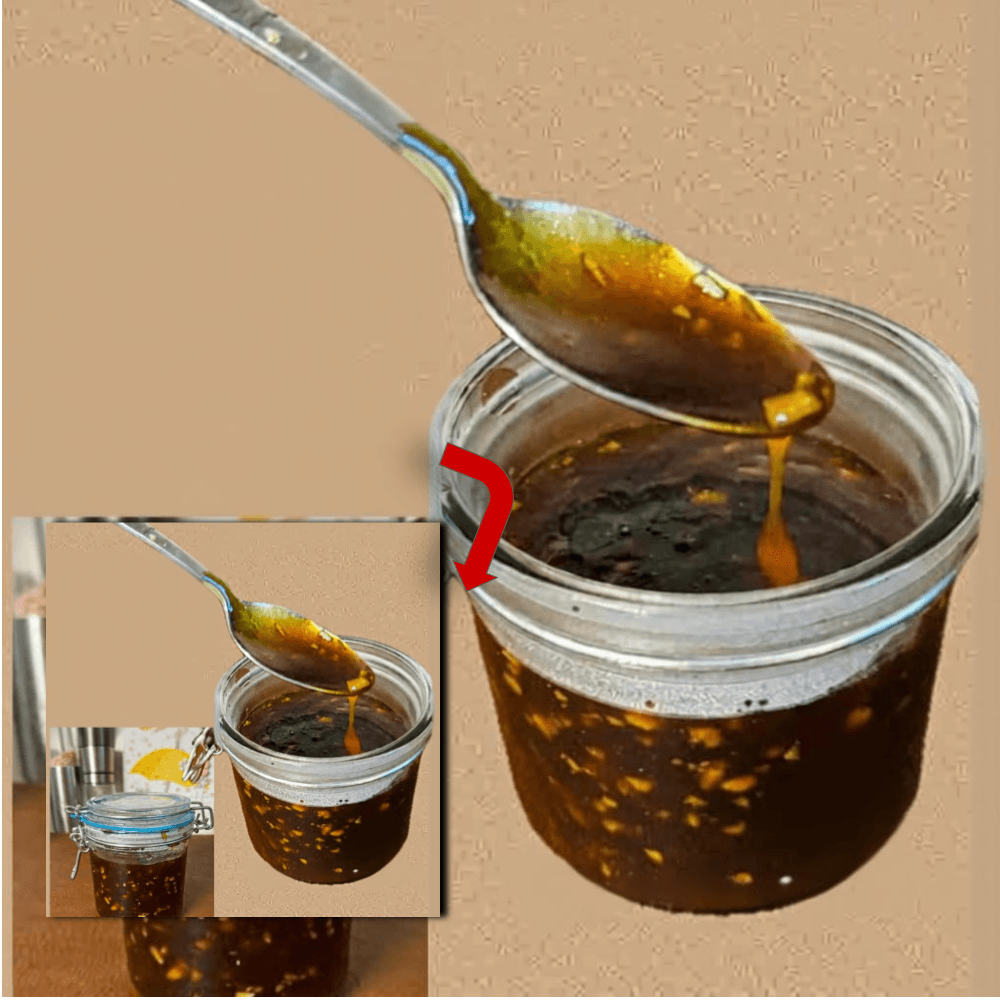
If you’re making a larger batch for future use, allow your homemade stir fry sauce to cool completely to room temperature before transferring it to an airtight container or a glass jar. This prevents condensation and helps maintain freshness. Properly stored, it will be ready to use for your next quick and easy meal, making dinner prep a breeze.
Expert Tips for the Perfect Consistency
Achieving the ideal consistency for your Asian Stir Fry Sauce can make all the difference in how it coats your ingredients and enhances their flavor. Here are a few expert tips to ensure your sauce is always just right.
How to Fix a Clumpy Sauce
A common issue when using cornstarch is clumping. The key is to always mix cornstarch with an equal or greater amount of cold liquid (water or broth) to form a smooth slurry *before* adding it to a hot sauce. If your sauce does become clumpy, don’t despair! Remove it from the heat and whisk vigorously. You can also pass it through a fine-mesh sieve to remove any lumps, ensuring a silky-smooth finish for your thickening stir fry sauce.
Adjusting the Saltiness (Using Low-Sodium Soy Sauce)
The saltiness of your sauce is highly personal. Starting with a low sodium soy sauce base gives you more control. Always taste your sauce as you go. If it’s too salty, a splash of water, a squeeze of lime juice, or a pinch of sugar can help balance it out. If it needs more salt, add a tiny bit more soy sauce, tasting after each addition. Remember, you can always add more, but you can’t easily take it away!
Substituting Water with Chicken or Vegetable Broth
While water works perfectly fine for the cornstarch slurry or to thin the sauce, using chicken or vegetable broth instead can add an extra layer of savory depth. Broth enhances the overall umami profile of your Asian Stir Fry Sauce without adding extra salt if you opt for low-sodium varieties. This simple swap can elevate your sauce from good to truly exceptional.
Delicious Recipe Variations and Dietary Swaps
The beauty of a homemade Asian Stir Fry Sauce is its adaptability. You can easily tweak the basic recipe to suit various dietary needs and flavor preferences, ensuring everyone can enjoy a delicious and healthy meal.
Gluten-Free and Soy-Free Options (Tamari & Coconut Aminos)
For those avoiding gluten or soy, there are excellent alternatives. Swap traditional soy sauce for tamari, which is a naturally gluten-free soy sauce. For a completely soy-free option, coconut aminos are a fantastic choice, offering a similar savory depth with a slightly sweeter profile. These swaps make for a perfect gluten-free stir fry alternative that doesn’t compromise on flavor.
Keto-Friendly Stir Fry Sauce (Arrowroot Swaps)
If you’re following a ketogenic diet, you’ll want to avoid sugars and cornstarch. Replace cornstarch with arrowroot powder as a thickener, which is a common keto-friendly alternative, using a similar slurry method. For sweetness, use a keto-approved sweetener like erythritol or stevia in place of sugar or honey. This ensures your healthy Asian cooking sauce remains carb-conscious.
Vegan Stir Fry Sauce (Mushroom Oyster Sauce)
Making your Asian Stir Fry Sauce vegan is straightforward. The main ingredient to swap is oyster sauce. Fortunately, there are widely available and delicious vegetarian or mushroom oyster sauces that provide the same umami depth and glossy texture without any animal products. Ensure your soy sauce is also vegan-friendly (most are, but always check).
Spicy Sweet Chili or Peanut Butter Twists
Don’t be afraid to get creative! For a spicy kick, add extra sriracha, chili garlic sauce, or a pinch of red pepper flakes. For a Thai-inspired twist, stir in a tablespoon or two of creamy peanut butter for a rich, nutty, and satisfying sauce that perfectly complements chicken or tofu. A dash of sweet chili sauce can also add a delightful sweet-heat dimension, offering endless possibilities for your easy wok sauce recipe.
What to Serve with Your Asian Stir Fry Sauce
Once you’ve mastered your perfect Asian Stir Fry Sauce, the possibilities for creating a complete and satisfying meal are endless. This versatile sauce pairs beautifully with a wide array of ingredients.
Best Vegetables for Stir Frying
Almost any vegetable can be stir-fried to perfection with your amazing sauce. Think colorful combinations like broccoli florets, sliced bell peppers (red, yellow, orange), crisp snow peas, carrots julienned, vibrant bok choy, earthy mushrooms, and tender bamboo shoots. Don’t forget onion slices and water chestnuts for texture. These ingredients not only add nutrition but also soak up the flavors of your best stir fry vegetables sauce beautifully.
Protein Pairings (Beef, Chicken, Tofu, Shrimp)
For protein, thinly sliced beef is a classic choice, cooking quickly and absorbing the sauce’s rich flavors. Chicken breast or thighs, cut into bite-sized pieces, are equally popular and delicious. For a vegetarian or vegan option, firm or extra-firm tofu, pressed and cubed, becomes delightfully crispy when stir-fried and acts as a sponge for the sauce. Shrimp also works wonderfully, cooking very fast and adding a sweet, succulent element to your stir fry. Marinating your chosen protein in a bit of the sauce (as a stir fry marinade) before cooking can significantly enhance its flavor.
Noodle vs. Rice Pairings
The choice between noodles and rice largely comes down to personal preference.
- Rice: Steamed white or brown rice provides a neutral base that perfectly soaks up every last drop of your delicious sauce. It’s a comforting and classic pairing.
- Noodles: For a heartier meal, stir fry noodles like lo mein, udon, or thin rice vermicelli are excellent choices. They integrate directly into the stir fry, creating a cohesive and satisfying dish where every bite is coated in flavor.
Frequently Asked Questions (FAQs)
How Long Does Homemade Stir Fry Sauce Last in the Fridge?
When stored in an airtight container in the refrigerator, homemade Asian Stir Fry Sauce typically lasts for about 5-7 days. Ensure it’s fully cooled before storing to maximize its shelf life.
Can I Freeze Stir Fry Sauce?
Yes, you can freeze most homemade stir fry sauces! For best results, freeze in an airtight container or even in ice cube trays for convenient portioning. It can last for up to 2-3 months in the freezer. Thaw in the refrigerator overnight or gently reheat on the stovetop, whisking well before use.
How Much Sauce Should I Use Per Stir Fry Pan?
As a general guideline, for a stir fry serving 2-3 people with about 1 pound of protein and 4-5 cups of vegetables, you’ll typically use ½ to ¾ cup of prepared stir fry sauce. Always start with less and add more to taste, especially if your sauce is concentrated. The goal is to coat the ingredients nicely without drowning them.
Ready to revolutionize your weeknight dinners? With this guide, you’re well on your way to crafting the ultimate Asian Stir Fry Sauce. Don’t forget to follow us on Facebook for more delicious recipes and cooking tips! Find us by searching for “Flavorful Feasts Daily” and hit that follow button.
Easy Homemade Asian Stir Fry Sauce
Ingredients
- 1/4 cup light soy sauce low-sodium preferred
- 3 tbsp oyster sauce
- 1 tbsp rice vinegar
- 2 tsp brown sugar
- 2 cloves garlic minced
- 1 tsp ginger grated
- 1 tbsp cornstarch
- 1/2 cup water can substitute with chicken or vegetable broth
- 1 tbsp sesame oil
Instructions
- In a small bowl, whisk together the light soy sauce, oyster sauce, rice vinegar, brown sugar, minced garlic, grated ginger, cornstarch, water, and sesame oil until the cornstarch is completely dissolved.
- Pour the mixture into a saucepan or directly into your stir fry pan. Bring the sauce to a gentle simmer over medium heat.
- Cook for about 2 to 3 minutes, stirring constantly, until the sauce thickens to your desired consistency.
- Remove from heat. Toss immediately with your cooked stir fry vegetables, noodles, meat, or seafood. Alternatively, let it cool and store in an airtight container in the refrigerator for 3 to 5 days.
For more daily recipes and tips, follow us on Facebook!
Click here to join our community!