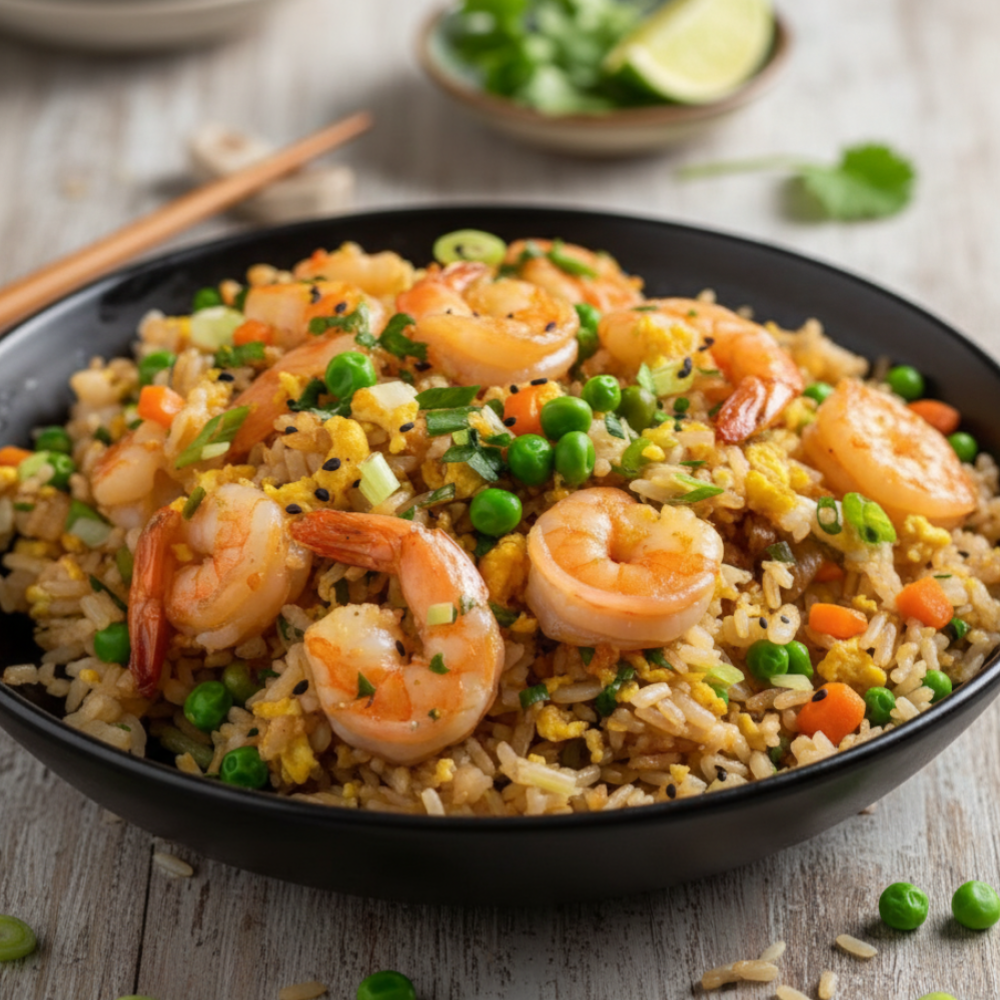
Welcome, fellow food lovers! Today, we’re diving into a dish that’s a true culinary comfort: the ultimate Shrimp Fried Rice. Forget those greasy, sometimes questionable, takeout containers. We’re talking about a vibrant, flavorful, and incredibly satisfying homemade version that tastes even better than your favorite restaurant. This isn’t just an easy seafood fried rice recipe; it’s a journey to creating that perfect bowl, brimming with tender shrimp, fluffy rice, and a symphony of savory flavors, all from your own kitchen.
My goal today is to empower you to master this classic, giving you all the secrets to achieve that authentic, restaurant-quality taste and texture. You’ll learn how to craft a truly exceptional homemade fried rice that will impress everyone at your table.
Why You Will Love This Recipe
This recipe for seafood fried rice is more than just a meal; it’s an experience. Here’s why it’s destined to become a staple in your rotation:
- Unbeatable Flavor: We’re talking about deep, savory notes with perfectly seared hibachi style shrimp, tender-crisp vegetables, and that signature umami richness that makes you crave another bite. It truly captures the essence of chinese takeout shrimp fried rice.
- Surprisingly Quick: Once your ingredients are prepped, the actual cooking time is incredibly fast, making this stir-fry shrimp recipe perfect for busy weeknights. It’s faster than ordering delivery!
- Customizable: While we focus on a fantastic base, this dish is wonderfully flexible. You can easily adapt it with your favorite vegetables or a touch of heat.
- Better Than Takeout: Seriously, the fresh ingredients and careful technique we’ll employ here will result in a takeout style fried rice that far surpasses what you typically get from a restaurant. You control the quality, the freshness, and the flavor profile.
Essential Ingredients for Shrimp Fried Rice
The beauty of this dish lies in its simplicity, but the key is using quality ingredients. Here’s what you’ll need to gather:
- Shrimp: Fresh or frozen (thawed), medium to large size.
- Cooked Rice: Crucially, day-old cold rice.
- Eggs: For that classic eggy goodness.
- Vegetables: Diced onion, carrots, frozen peas, and corn. Feel free to add others like bell peppers or green beans.
- Garlic & Ginger: Freshly minced for aromatic depth.
- Scallions: For garnish and a fresh bite.
- Soy Sauce: Low sodium is preferred for better control over saltiness.
- Oyster Sauce: (Optional, but highly recommended for authentic flavor) Adds a rich umami depth.
- Sesame Oil: Toasted, for finishing.
- Oil for Cooking: High smoke point oil like vegetable, canola, or grapeseed.
- Butter: A secret weapon for that hibachi restaurant finish.
Choosing the Best Shrimp
For truly excellent results, start with excellent shrimp. Opt for raw shrimp, peeled and deveined. Medium to large shrimp (31/40 count or 26/30 count) work best as they cook quickly and maintain a good texture. If using frozen shrimp, make sure to thaw them completely and pat them very dry with paper towels. Moisture is the enemy of a good sear! Dry shrimp will caramelize beautifully, giving you that lovely pink crust and succulent interior that defines hibachi style shrimp.
Why Day-Old Rice is Crucial
This is arguably the most important tip for achieving restaurant-quality results. Using freshly cooked, warm rice will lead to a sticky, clumpy, and mushy fried rice. Why? Because fresh rice still holds a lot of moisture. Day-old (or at least several hours old) rice, refrigerated, dries out and firms up. This allows the grains to separate and absorb the flavors of the stir-fry sauce without becoming a gluey mess. It’s the secret to the best rice for fried rice, giving you those distinct, perfectly textured grains we all love in a good takeout style fried rice.
Expert Tip: Cook your rice the night before, spread it on a baking sheet to cool quickly, then transfer to an airtight container and refrigerate. This ensures ideal dryness and texture.
Step-by-Step Instructions
Get ready to cook! The key to a successful stir-fry is having everything prepped and ready to go before you even turn on the heat. A hot wok or large skillet is your best friend here.
Prepping the Ingredients
- Thaw and Prep Shrimp: If using frozen shrimp, thaw completely under cold running water, then pat them absolutely dry with paper towels. Season lightly with a pinch of salt and pepper.
- Chop Veggies: Finely dice your onion and carrots. Measure out your frozen peas and corn. Mince the garlic and ginger. Slice the green onions, separating the white and green parts.
- Make the Sauce: In a small bowl, whisk together the soy sauce, optional oyster sauce, and a splash of water or chicken broth. Set aside.
- Scramble Eggs: Whisk 2-3 eggs in a small bowl with a pinch of salt and pepper.
Cooking the Egg and Veggies
- Heat a large wok or skillet over medium-high heat until smoking lightly. Add 1 tablespoon of cooking oil.
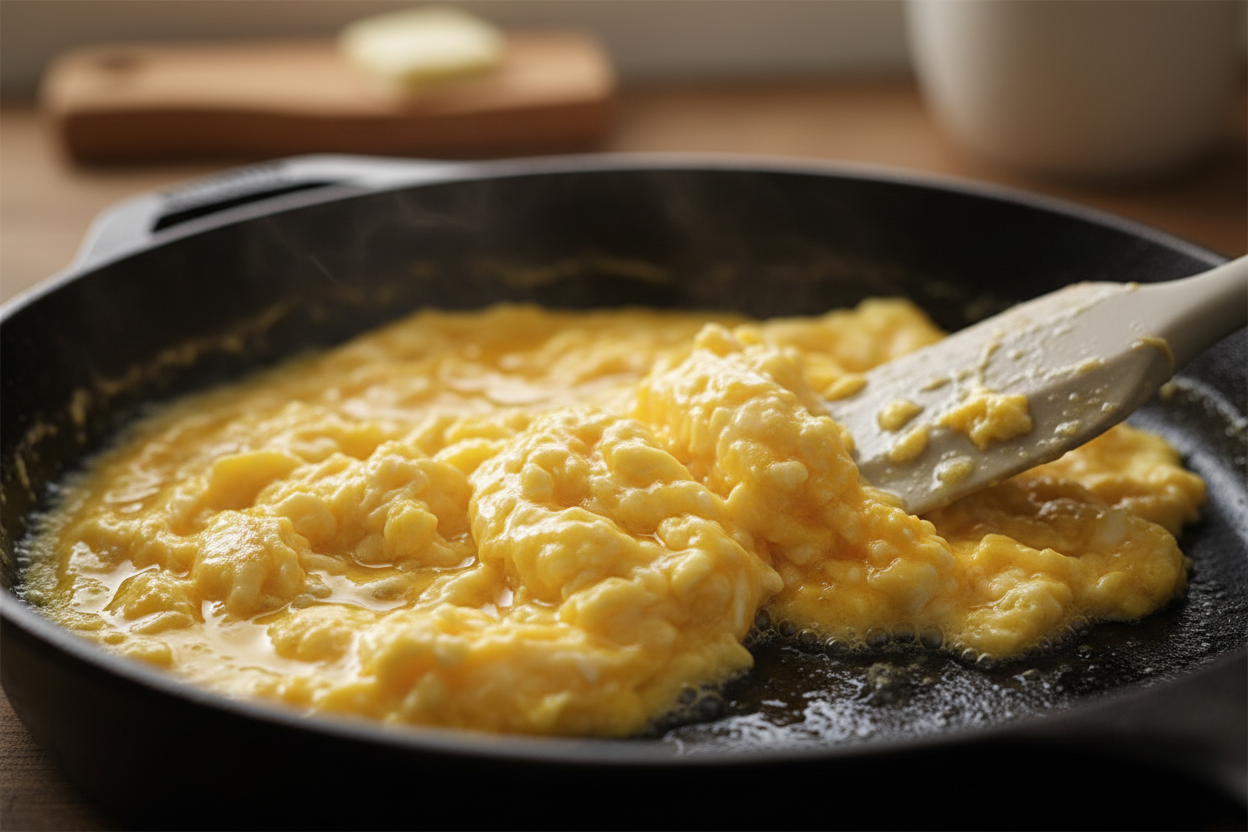
- Pour in the whisked eggs and quickly scramble them until just set but still soft. Remove from the wok and set aside.
- Add another tablespoon of oil to the wok. Add the diced carrots and onions (and any other hardy veggies like bell peppers). Stir-fry for 2-3 minutes until slightly softened.
- Add the minced garlic and ginger, along with the white parts of the scallions. Stir-fry for another 30-60 seconds until fragrant. Don’t let the garlic burn!
- Add the frozen peas and corn to the wok. Continue to stir-fry for 1-2 minutes until heated through. Push all the cooked veggies to one side of the wok.
Searing the Shrimp
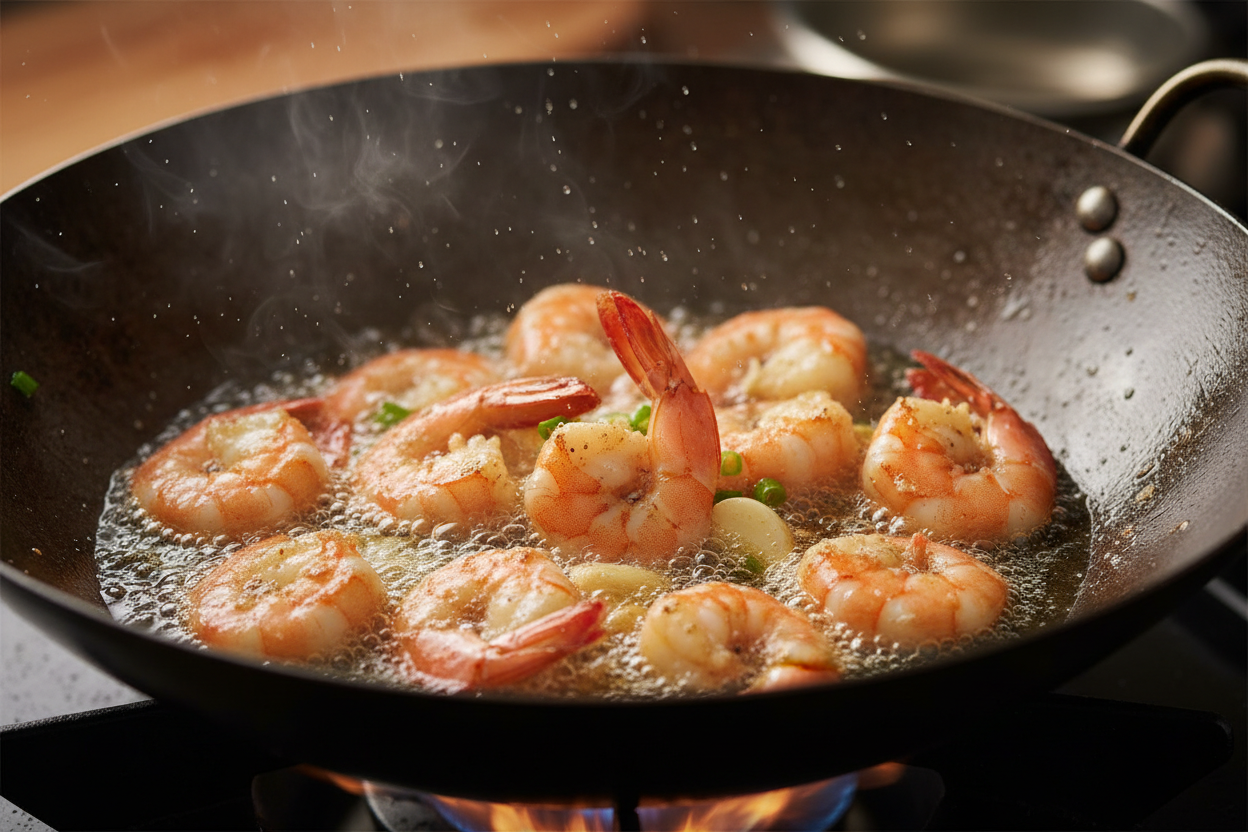
- Add another tablespoon of oil to the empty side of the wok. Once shimmering, add the seasoned, dry shrimp in a single layer.
- Sear the shrimp for 1-2 minutes per side until they turn pink and opaque and develop a slight char. Do not overcrowd the pan; cook in batches if necessary to ensure a good sear. This is critical for authentic hibachi style shrimp flavor.
- Once cooked, remove the shrimp from the wok and set aside with the scrambled eggs.
Bringing It All Together
- Add the day-old cold rice to the center of the wok, breaking up any clumps with your spatula. If the wok seems dry, add a small pat of butter (this is a classic hibachi trick!).
- Stir-fry the rice vigorously for 3-5 minutes, allowing some grains to get slightly crispy. Spread it out, let it sit for 30 seconds, then toss and repeat. This helps create that desirable texture for your homemade fried rice.
- Pour the prepared sauce mixture over the rice and vegetables. Toss everything together until the rice is evenly coated and well combined.
- Return the cooked shrimp and scrambled egg to the wok. Add the green parts of the scallions. Toss gently to combine and heat through for another minute.
- Remove the wok from the heat. Drizzle with a teaspoon of toasted sesame oil and give it one final toss.
Pro Tips for Hibachi Style Flavor
Achieving that true takeout style fried rice flavor and texture is all about technique. Here are a few expert insights:
- High Heat is King: A very hot wok or large skillet is essential for stir-frying. This creates “wok hei” – the smoky, charred flavor that makes fried rice so irresistible. Don’t be afraid to let it get hot!
- Don’t Overcrowd: Cooking in batches ensures everything gets a good sear and cooks evenly. Overcrowding lowers the pan temperature, leading to steaming instead of stir-frying.
- Cold Rice is Non-Negotiable: As mentioned, this is the foundation for fluffy, non-mushy grains.
- The Butter Trick: A small pat of butter added to the wok when stir-frying the rice, or even when cooking the shrimp, adds a richness and glossy finish reminiscent of a hibachi grill.
- Taste and Adjust: Always taste your fried rice before serving. Add more soy sauce for saltiness, a pinch of sugar for balance, or a dash of white pepper for a subtle kick.
Variations & Add-Ins
While this stir-fry shrimp recipe is perfect as is, feel free to get creative:
- Protein Power-Up: For a heartier meal, consider adding diced cooked chicken or seared beef alongside the shrimp. Ensure any additional proteins are cooked thoroughly before adding to the rice.
- Spice It Up: A dash of sriracha, a pinch of red pepper flakes, or a spoonful of chili garlic sauce can add a fantastic kick.
- Extra Veggies: Broccoli florets, sliced mushrooms, or even thinly sliced cabbage can be wonderful additions. Just be sure to cut them into small, manageable pieces and add them early enough to cook through.
- Nutty Crunch: A sprinkle of toasted cashews or peanuts at the end can add an interesting textural contrast.
Storing and Reheating Leftovers
Leftover fried rice is a treat! Store any uneaten portions in an airtight container in the refrigerator for up to 3-4 days. When reheating, you can microwave it, but for the best results, reheat in a skillet over medium-high heat with a tiny bit of oil or butter until heated through and slightly crispy again. This helps revive that lovely takeout style fried rice texture.
Serving and Garnishing
Serve your magnificent homemade fried rice hot, straight from the wok! Garnish with extra sliced green onions for freshness and a sprinkle of toasted sesame seeds for visual appeal and a subtle nutty flavor. A drizzle of sriracha on the side for those who like it spicy is always a welcome touch. Enjoy the compliments as you present this stunning feast!
Frequently Asked Questions
Q: Can I use fresh rice instead of day-old rice?
A: While technically possible, it’s highly recommended to use day-old, cold rice. Freshly cooked rice is too moist and will likely result in a sticky, gummy texture rather than distinct grains. If you absolutely must use fresh rice, spread it out on a baking sheet and refrigerate for at least an hour to cool and dry it out as much as possible.
Q: What’s the best type of rice for fried rice?
A: Medium-grain white rice like Jasmine or Calrose is ideal. It has a good balance of starch, allowing for individual grains that hold their shape well without being too dry. Long-grain varieties like Basmati can also work, but avoid short-grain sticky rice.
Q: Can I make this dish vegetarian or vegan?
A: Absolutely! Omit the shrimp and eggs, and use a plant-based soy sauce for the sauce. You can add extra vegetables like mushrooms or tofu for protein. Just ensure your stir-fry process still uses high heat for good flavor.
Q: My fried rice is too salty, what went wrong?
A: This usually happens from using too much soy sauce, especially if it’s not low-sodium. Remember, you can always add more saltiness, but it’s hard to take it away. Start with less sauce and taste as you go. You can sometimes balance excess salt with a pinch of sugar or a squeeze of lime juice.
Q: What is oyster sauce, and can I omit it?
A: Oyster sauce is a thick, savory, slightly sweet condiment made from oyster extracts. It adds a deep umami flavor and glossy finish common in many Chinese dishes, including homemade fried rice. While it adds a significant layer of authentic flavor, you can omit it if you don’t have it or prefer not to use it. You might want to add a bit more soy sauce or a dash of mushroom seasoning to compensate for the lost umami.
Ready to impress with your culinary skills? This easy seafood fried rice is not just a recipe; it’s an adventure into creating memorable flavors right in your own kitchen. Don’t forget to follow us on Facebook for more delicious recipes, tips, and foodie inspiration! Find us at: https://www.facebook.com/profile.php?id=61568538666337
Best Shrimp Fried Rice
Ingredients
- 1 lb Large shrimp Peeled and deveined
- 3 cups Cooked white rice Day-old and chilled
- 1 cup Peas and carrots blend Frozen, thawed
- 2 Large eggs Beaten
- 3 tbsp Soy sauce Low sodium preferred
- 1 tbsp Sesame oil
- 2 tbsp Vegetable oil Divided
- 2 tbsp Green onions Chopped
- 1 tsp Black sesame seeds For garnish
- 1 Lime wedge For serving
- 2 tbsp Cilantro Chopped, for garnish
Instructions
- Heat 1 tablespoon of vegetable oil in a large skillet or wok over medium-high heat.
- Add the shrimp to the skillet and cook for 2-3 minutes until pink and opaque. Remove shrimp and set aside.
- Add the remaining vegetable oil to the skillet. Pour in the beaten eggs and gently scramble until cooked through.
- Stir in the peas and carrots, cooking for another 2 minutes until warmed.
- Add the chilled day-old rice to the skillet, breaking up any clumps. Stir-fry for 3-4 minutes.
- Return the cooked shrimp to the skillet. Drizzle with soy sauce and sesame oil, tossing everything together evenly.
- Remove from heat and garnish with green onions, black sesame seeds, and cilantro. Serve immediately with a lime wedge.
For more daily recipes and tips, follow us on Facebook!
Click here to join our community!