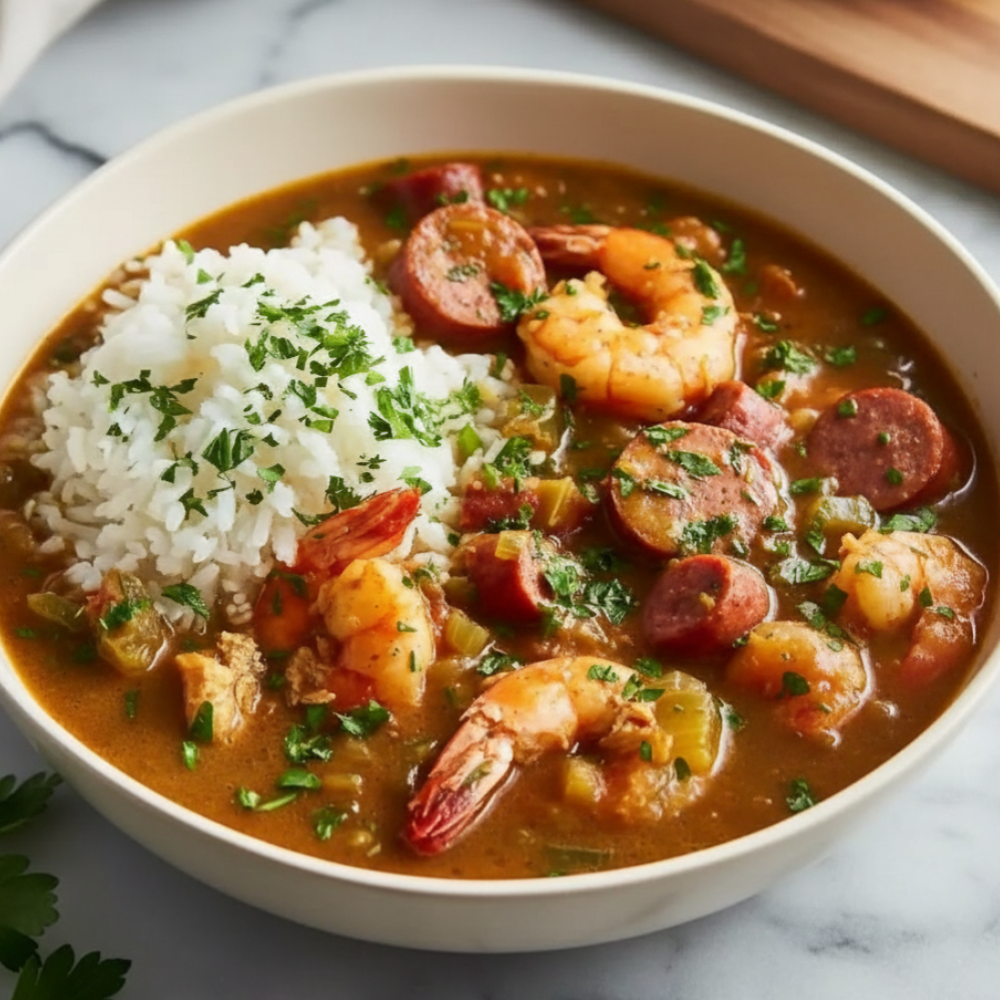
There’s a certain magic that wafts from the kitchens of New Orleans, a culinary symphony played with rich flavors, aromatic spices, and a deep sense of history. Among its many edible treasures, few dishes capture the soul of the city quite like a truly authentic gumbo. It’s more than just a stew; it’s a celebration, a testament to Creole ingenuity, and a warm hug for the soul.
While many variations exist, our focus today is on a hearty and deeply satisfying Creole Gumbo with Shrimp and Beef, a dish that brings together the best of land and sea in a truly unforgettable way. This recipe promises to be your guide to crafting a robust, flavorful gumbo that will transport you straight to the heart of Louisiana comfort food.
Creole vs. Cajun Gumbo: Understanding the Difference
To truly appreciate Creole gumbo, it helps to understand its distinct character compared to its Cajun cousin. Creole cooking, rooted in the cosmopolitan kitchens of New Orleans, often features a blend of French, Spanish, African, and Caribbean influences. This rich cultural tapestry is reflected in the ingredients, which tend to be more varied and often include tomatoes.
A hallmark of many Creole gumbos is indeed the inclusion of Creole gumbo tomatoes, which lend a subtle sweetness and tang that brightens the stew. You might also find okra playing a role, contributing to the body and earthy flavor profile. While Cajun gumbo from the bayou country often sticks to a darker, more rustic approach with no tomatoes, Creole gumbo embraces them, alongside a more diverse array of vegetables and sometimes seafood.
The roux, the foundational element of any gumbo, also sees a slight difference. While both traditions rely on a roux for thickening and flavor, Creole gumbos historically leaned towards a lighter, butter-based roux (though oil is common today), often cooked to a peanut butter or milk chocolate color. Cajun rouxs are typically oil-based and pushed much further, to a deep mahogany or even darker shade, imparting an intensely nutty flavor that stands on its own.
The Secret to a Perfect Dark Roux
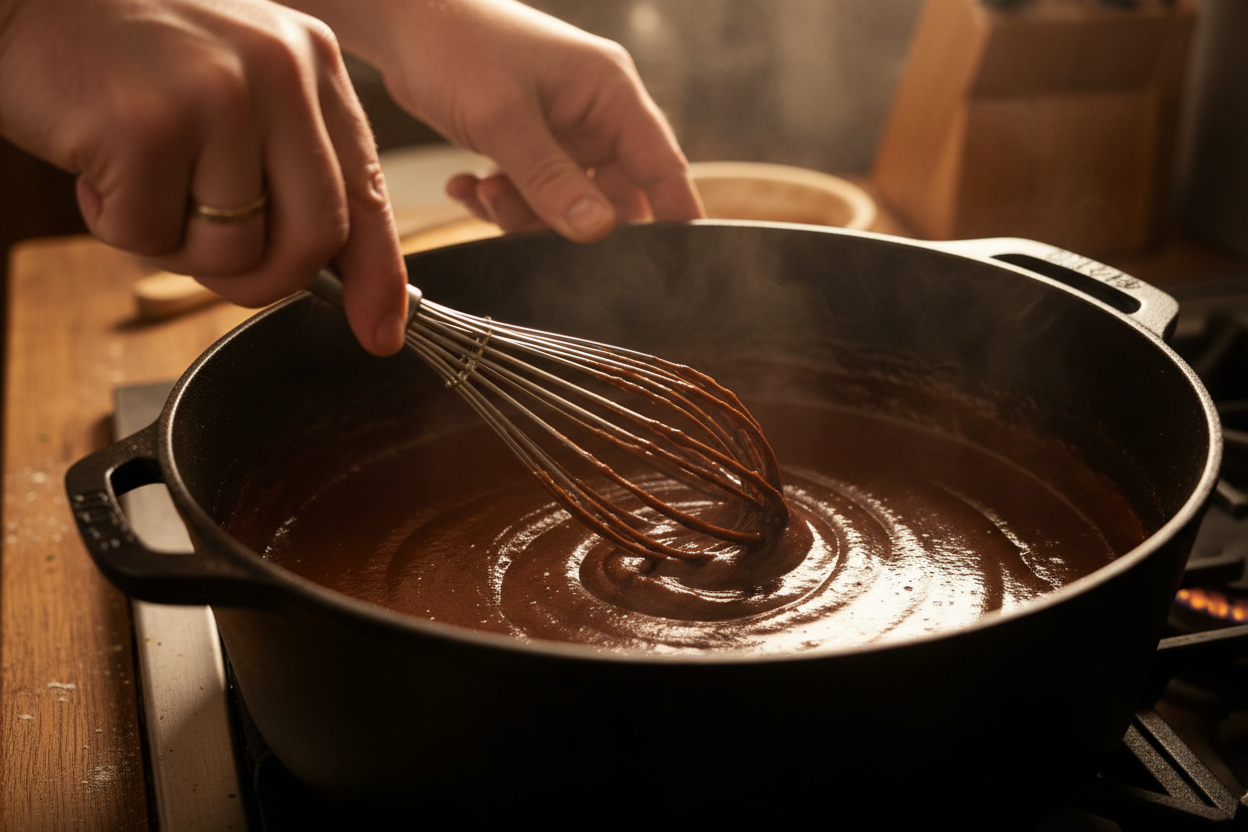
The roux is, without exaggeration, the soul of your gumbo. It’s not just a thickener; it’s a flavor builder, a rich, nutty foundation that sets the stage for everything else. Mastering the dark roux recipe is arguably the most crucial step in achieving that signature depth and complexity.
To begin, you’ll need two equal parts of fat and flour. A neutral oil, like vegetable or canola oil, is ideal, as it has a high smoke point and allows the flour to brown evenly without imparting its own strong flavor. All-purpose flour is your go-to here.
The process requires patience and constant stirring. In a heavy-bottomed pot (more on that later), heat your oil over medium-low heat, then whisk in the flour until smooth. From here, you’ll stir, stir, stir. The mixture will start as a pale blonde, resembling pancake batter. Slowly, it will deepen in color:
- Blonde: Light and frothy, like white chocolate.
- Peanut Butter: A warmer, light brown. Good for some sauces, but not dark gumbo.
- Milk Chocolate: A rich, medium brown. Getting closer!
- Dark Chocolate/Mahogany: This is where we want to be for a deep, authentic New Orleans gumbo. It will have a wonderfully nutty aroma.
This entire process can take anywhere from 20 to 45 minutes, depending on your heat and pot. Don’t rush it; low and slow is the key to preventing burning. If you see any black flecks, even tiny ones, it means your roux is burnt, and unfortunately, there’s no saving it. It will impart a bitter flavor to your entire gumbo, so it’s best to discard it and start fresh.
Essential Ingredients for Creole Gumbo with Shrimp and Beef
With your roux perfected, it’s time to gather the supporting cast for your culinary masterpiece.
The Holy Trinity
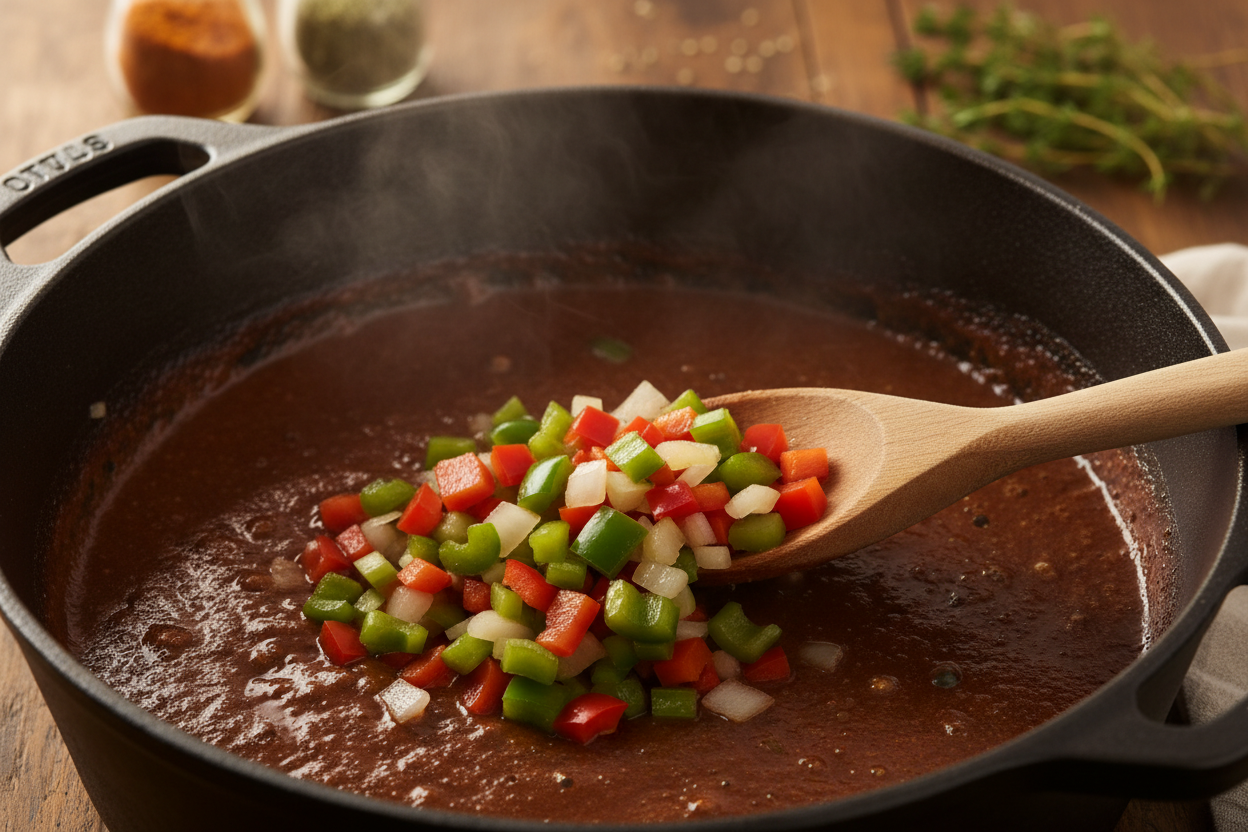
No discussion of Louisiana cuisine is complete without mentioning the “Holy Trinity.” Just as fundamental as the roux, these three holy trinity vegetables – onion, celery, and green bell pepper – form the aromatic base of countless dishes, including our gumbo. They are finely diced and sautéed until softened, releasing their sweet, pungent, and earthy flavors into the pot, building the next layer of complexity.
Selecting the Proteins
For this rich seafood gumbo with beef, we’re combining two powerhouse proteins that contribute immense flavor and texture.
- Smoked Beef Sausage: Instead of traditional sausages, we’re opting for a robust smoked beef sausage. Look for a high-quality, flavorful brand. Slice it into ½-inch rounds and brown it well before adding it to the gumbo. The smoky, savory notes from the beef sausage are absolutely essential to the dish’s character.
- Shrimp: Fresh, medium-sized shrimp are perfect here. You can buy them peeled and deveined for convenience. If you opt for shrimp with shells on, consider reserving the shells to make a quick shrimp stock, which can add even more depth to your gumbo base.
Tomatoes and Okra
As discussed, tomatoes are a classic inclusion in Creole gumbo. Canned diced tomatoes, along with their juice, add a delightful acidity and a subtle sweetness that balances the richness of the roux and proteins. Okra, while optional for some, plays a crucial role for many. Beyond its unique flavor, okra acts as a natural thickener, contributing to the silky texture of the gumbo. You can use fresh or frozen sliced okra; if using frozen, there’s no need to thaw it first.
Step-by-Step Cooking Guide
With all your ingredients prepped and your dark roux waiting, it’s time to bring this authentic New Orleans gumbo to life.
- Brown the Beef Sausage: In a large, heavy-bottomed Dutch oven or gumbo pot (the same one you made the roux in, if possible, for extra flavor), brown the sliced smoked beef sausage over medium-high heat until nicely caramelized. Remove the sausage with a slotted spoon and set aside, leaving any rendered fat in the pot.
- Sauté the Holy Trinity: Reduce the heat to medium. Add the diced onion, celery, and green bell pepper to the pot. Sauté, stirring occasionally, until the vegetables are softened and translucent, about 8-10 minutes. This step is crucial for building flavor.
- Integrate the Roux: Slowly add your prepared dark roux to the sautéed vegetables, stirring constantly to combine thoroughly. Cook for another 2-3 minutes, allowing the roux to coat the vegetables and meld its flavors.
- Add Liquids and Tomatoes: Gradually whisk in warm beef broth or water, a cup at a time, ensuring a smooth mixture before adding more. This prevents lumps. Once all the liquid is incorporated, stir in the diced tomatoes (undrained). Bring the mixture to a gentle simmer.
- Simmer and Season: Add the browned beef sausage back to the pot, along with any reserved juices. If using okra, add it now. Season with salt, black pepper, cayenne pepper, dried thyme, and bay leaves. Bring the gumbo back to a gentle simmer, then reduce the heat to low, cover partially, and let it cook for at least 1-2 hours, stirring occasionally. The longer it simmers, the more the flavors will develop and deepen.
- Add the Shrimp: About 5-8 minutes before you’re ready to serve, stir in the peeled and deveined shrimp. Cook until the shrimp turn pink and opaque, taking care not to overcook them, as they can become tough.
- Final Adjustments: Taste the gumbo and adjust seasonings as needed. Remove the bay leaves before serving.
Ingredient Substitutions and Variations
Gumbo is wonderfully adaptable. While our Creole Gumbo with Shrimp and Beef is fantastic, here are a few ideas for variations:
- Strictly Seafood Gumbo: Omit the beef sausage entirely and load up on shrimp, crab meat, and oysters (added at the very end).
- Add Chicken: For an even heartier stew, brown diced chicken thighs along with the beef sausage in step 1, or add them during the simmering stage for extra richness.
- Gluten-Free Roux: If you’re avoiding gluten, you can use a 1:1 gluten-free all-purpose flour blend for your roux. The cooking time and color progression will be similar. Alternatively, some use cornstarch slurries or file powder (sassafras leaves) to thicken, though file is traditionally added at the table.
How to Serve Creole Gumbo
The serving of gumbo can spark a friendly debate: white rice or potato salad? Traditionally, a scoop of fluffy white rice is served directly in the bowl, providing a perfect bed for the rich gumbo to soak into. However, in some parts of Louisiana, a dollop of creamy potato salad on the side (or even *in* the gumbo!) is a beloved tradition, offering a cool, tangy contrast to the warm, spicy stew. There’s no wrong answer; choose your favorite!
Garnishes are simple but impactful. A sprinkle of fresh chopped parsley or green onions adds a pop of color and freshness. And for those who like an extra kick, a dash of your favorite Louisiana hot sauce is a must-have at the table.
Storing, Freezing, and Reheating
One of the beautiful things about gumbo is that it often tastes even better the next day. The flavors continue to meld and deepen overnight, creating an even more harmonious dish.
To store, allow the gumbo to cool completely, then transfer it to airtight containers. It will keep well in the refrigerator for 3-4 days. For longer storage, gumbo freezes exceptionally well. Portion it into freezer-safe containers or heavy-duty freezer bags, leaving a little headspace. It can be frozen for up to 3 months.
To reheat, thaw frozen gumbo in the refrigerator overnight if possible, then gently warm it on the stovetop over low heat, stirring occasionally. If it seems too thick, you can add a little broth or water to reach your desired consistency.
Frequently Asked Questions
Can I use a pre-made roux?
While making a roux from scratch is highly recommended for the best flavor and experience, pre-made jarred or block rouxs are available. They can save time, but often lack the depth of flavor you get from a freshly made, slow-cooked dark roux recipe. If using one, follow the package instructions for proper incorporation.
What is the best pot to use for gumbo?
A heavy-bottomed Dutch oven or a large, sturdy stockpot is essential. The thick bottom helps distribute heat evenly, which is crucial for making the roux without scorching and for slow, consistent simmering. Avoid thin-bottomed pots, as they can lead to uneven cooking and increase the risk of your roux burning.
How do I fix a gumbo that is too thin?
If your gumbo isn’t as thick as you’d like after simmering, you have a few options. You can:
- Continue to simmer it uncovered for a bit longer, allowing some of the liquid to evaporate.
- Make a small, fresh roux in a separate pan and whisk it into the gumbo (this will deepen the flavor further).
- Whisk a tablespoon or two of cornstarch with an equal amount of cold water to form a slurry, then slowly stir it into the simmering gumbo until it thickens. Cook for a few minutes to ensure the cornstarch is cooked through.
- Add a bit of file powder, traditionally stirred in at the table, which will also thicken it slightly.
Crafting a Creole Gumbo with Shrimp and Beef is a journey, a labor of love that rewards you with an incredibly rich, complex, and comforting dish. It’s a taste of history, a nod to the vibrant culture of New Orleans, and a meal that will gather loved ones around the table. Enjoy every savory spoonful!
Don’t miss out on more delicious recipes and culinary adventures! Follow our journey on Facebook: https://www.facebook.com/profile.php?id=61568538666337
Authentic Creole Gumbo with Shrimp and Beef
Ingredients
- 1/2 cup vegetable oil neutral oil like canola or vegetable
- 1/2 cup all-purpose flour
- 1 large yellow onion diced
- 1 large green bell pepper diced
- 2 stalks celery diced
- 3 cloves garlic minced
- 14.5 oz diced tomatoes canned, with juice
- 4 cups chicken broth or seafood broth
- 1 lb smoked beef sausage sliced into rounds
- 1 lb large shrimp peeled and deveined
- 1 cup okra sliced, fresh or frozen
- 1 tbsp Creole seasoning
- 1 tsp smoked paprika
- 2 whole bay leaves
- 1/4 cup fresh parsley chopped
- 4 cups cooked white rice for serving
Instructions
- Heat the vegetable oil in a large heavy-bottomed pot or Dutch oven over medium heat. Gradually whisk in the flour to begin making the roux.
- Stir the roux constantly for 25 to 35 minutes until it reaches a deep, dark chocolate brown color.
- Add the diced onion, bell pepper, and celery to the dark roux. Cook for 5 minutes until the vegetables soften.
- Stir in the minced garlic and cook for an additional 1 minute until fragrant.
- Slowly pour in the chicken broth while whisking continuously to prevent lumps from forming.
- Stir in the diced tomatoes with their juices, sliced smoked beef sausage, sliced okra, Creole seasoning, smoked paprika, and bay leaves. Bring to a gentle boil.
- Reduce the heat to low, cover, and simmer the gumbo for 45 to 60 minutes to allow the flavors to deepen and meld.
- Uncover the pot and gently stir in the peeled shrimp. Simmer for 5 to 7 minutes until the shrimp turn pink and are fully cooked.
- Remove the pot from the heat. Discard the bay leaves and stir in the fresh chopped parsley.
- Ladle the hot gumbo over cooked white rice and serve immediately.
For more daily recipes and tips, follow us on Facebook!
Click here to join our community!