
Introduction
There’s magic in a meal that’s both simple and satisfying. If you’re seeking quick gluten-free meals that don’t compromise flavor or nutrition, our Gluten-Free Asparagus Feta Omelette is your answer. It’s a vibrant celebration of fresh ingredients, perfect for a busy morning or a leisurely lunch. More than just one of many healthy breakfast recipes, it’s a stand-out for a light yet fulfilling option. Imagine golden, fluffy eggs cradling tender asparagus and salty, creamy feta – a delightful way to start your day or refuel. It promises ease, elegance, and pure deliciousness.
Key Ingredients
The beauty of a perfect omelette lies in the quality and harmony of its core components. Here’s what makes this omelette shine:
Eggs: The Protein-Packed Base
Eggs provide fundamental structure and are an incredible source of high-quality protein and vital nutrients. Opt for fresh, free-range eggs for best color and flavor. Proper whisking is key to achieving that light, airy texture.
Asparagus: Seasonal, Nutritious, and Adds a Great Crunch
Asparagus offers a subtly earthy, sweet flavor and delightful crisp-tender texture. It’s a nutritional powerhouse, packed with fiber and vitamins. Incorporating roasted asparagus eggs adds freshness and vibrant color. We’ll guide you on achieving perfect tenderness.
Feta Cheese: Creamy, Tangy, and Rich in Flavor
Feta cheese elevates this omelette with its distinctive tangy, salty profile and crumbly yet creamy texture, a fantastic counterpoint to asparagus and eggs. Feta is also a good source of calcium, making it one of those easy feta cheese recipes that transforms a simple meal.
Microgreens: A Fresh, Vibrant Garnish
Microgreens offer intense flavor, a delicate crunch, and concentrated vitamins and antioxidants. A sprinkle of microgreens garnish adds a professional touch, vibrant color, and extra freshness, enhancing both visual appeal and nutritional value.
How to Make the Perfect Omelette
Creating a truly magnificent omelette isn’t about complex techniques; it’s about understanding ingredients and a few simple steps. Here’s how to master this culinary art:
Prepping the Asparagus: Roasted vs. Sautéed
- Sautéed Asparagus: For a quick, crisp approach, trim woody ends, cut into 1-inch pieces. Heat 1 tbsp olive oil in a non-stick skillet over medium. Sauté 3-5 minutes until bright green and tender-crisp. Season with salt/pepper.
- Roasted Asparagus: For deeper, sweeter flavor, preheat oven to 400°F (200°C). Toss trimmed spears with olive oil, salt, and pepper on a baking sheet. Roast 8-12 minutes until tender and slightly caramelized. Roasting brings incredible sweetness, integrating seamlessly into roasted asparagus eggs.
Whisking the Eggs for Maximum Fluffiness
The secret to a fluffy, tender omelette begins with whisking. For two eggs, crack into a bowl. Add 1 tbsp water or milk to create steam. Season with salt and pepper. Whisk vigorously for 30-60 seconds, incorporating air for small bubbles. This aeration is crucial for a soft, cloud-like texture.
Cooking Techniques for a Golden, Tender Fold
- Choose Your Pan Wisely: An 8-inch non-stick skillet ensures easy release.
- Heat Control is Key: Place skillet over medium-low heat. Add butter or olive oil; swirl to coat. Butter should foam gently.
- Pour and Swirl: Pour in whisked eggs. Let them sit until edges just begin to set.
- The Gentle Push: With a spatula, gently push cooked edges towards the center, tilting pan to allow uncooked egg to flow underneath. Repeat 2-3 times for even cooking.
- Add Your Fillings: When eggs are mostly set but still moist and glossy, scatter prepped asparagus and crumbled feta over one half.
- The Fold: Cook for another 30-60 seconds. Gently slide spatula under unfilled half and fold it over the filled half.
- Slide to Serve: Cook for an additional 15-30 seconds if desired. Carefully slide onto your plate. Garnish immediately with fresh microgreens garnish.
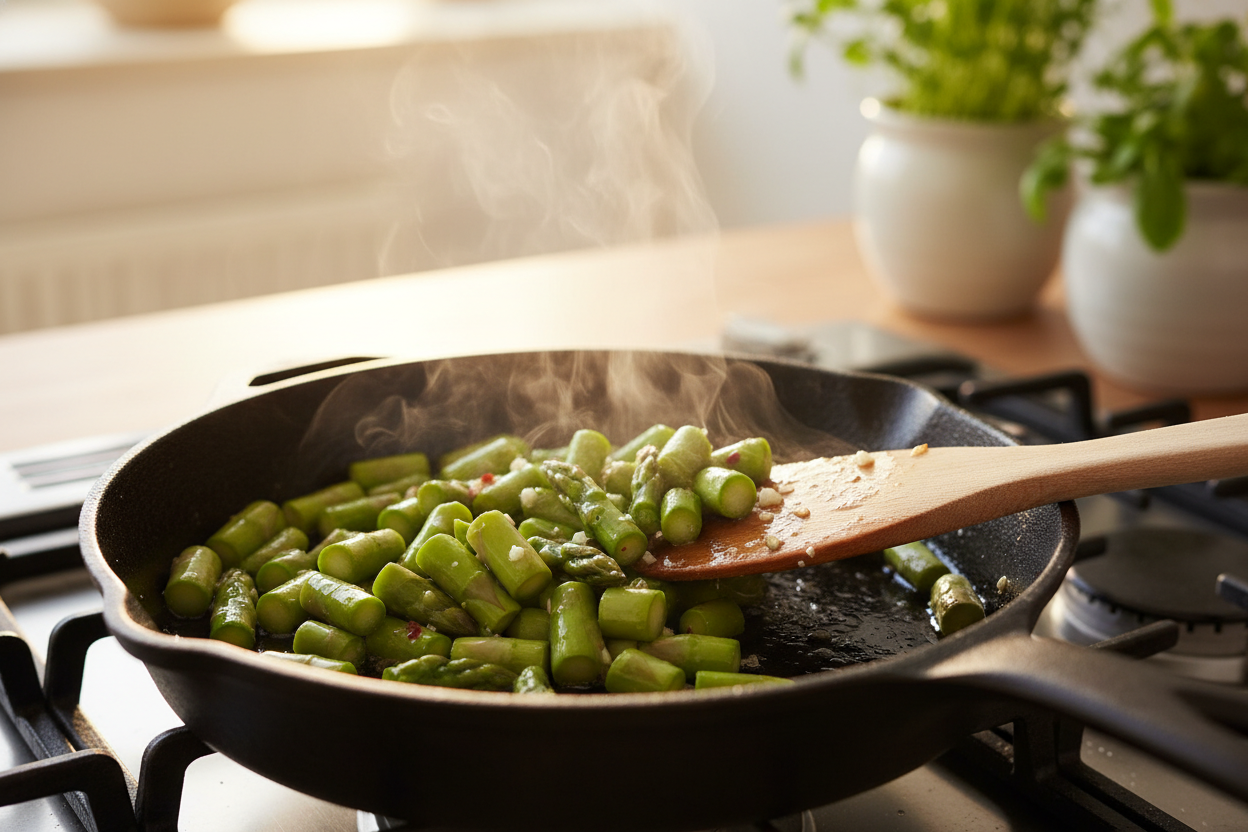

“The secret to a truly great omelette lies not in speed, but in gentle heat and patient technique, allowing the eggs to cook into a tender, golden embrace.”
Health Benefits
Beyond its taste, this omelette is a nutritional powerhouse, making it a stellar choice for wellness.
Naturally Gluten-Free and Low-Carb (Keto-Friendly)
This dish is inherently compliant for those with celiac disease or gluten sensitivities. With eggs, asparagus, and feta, it naturally aligns with a low-carb, high-protein lifestyle, making it an ideal vegetarian keto omelette option. It provides sustained energy without blood sugar spikes, a smart choice for managing weight and metabolic health, delivering a satisfying low carb high protein breakfast. It also serves as a delightful crustless quiche alternative.
Rich in Vitamins from Asparagus and Microgreens
The vibrant ingredients contribute a remarkable array of vitamins and minerals. Asparagus is a fantastic source of Vitamin K and folate, crucial for bone health and cell growth, plus antioxidants. The delicate microgreens garnish offers concentrated vitamins C, E, K, and beta-carotene, boosting immunity and overall cellular health. These ingredients create a meal that’s both delicious and genuinely beneficial.
Variations and Customizations
The beauty of an omelette lies in its versatility. Feel free to unleash your culinary creativity and tailor it to your palate.
Adding Tomatoes, Spinach, or Onions
- Cherry Tomatoes: Halved tomatoes burst with sweet juiciness, adding acidity and color. Add during asparagus cooking or onto eggs before folding.
- Fresh Spinach: Wilted spinach is classic. Sauté a handful with asparagus or add directly to eggs; it will wilt, boosting iron and vitamins.
- Caramelized Onions: For savory sweetness, slowly caramelize thinly sliced onions. Add with asparagus for rich flavor.
Swapping Feta for Goat Cheese or Other Cheeses
While feta’s tangy punch is a highlight, experiment with other cheeses:
- Goat Cheese: For a creamier, milder tang, substitute feta with crumbled goat cheese. Its softer texture pairs wonderfully.
- Ricotta: A dollop of fresh ricotta adds incredible creaminess and a mild, sweet counterpoint.
- Parmesan or Gruyère: For nutty, savory depth, a sprinkle of grated Parmesan or Gruyère before folding melts into a delicious layer.
Incorporate fresh herbs like dill, chives, or parsley, or a tiny pinch of red pepper flakes for warmth.
Serving Suggestions
While our asparagus and feta omelette is a complete meal, pairing it with complementary sides and beverages can elevate the experience.
Pairing with a Side Salad or Gluten-Free Toast
- Fresh Side Salad: For a light, refreshing meal, serve alongside a crisp green salad with a light vinaigrette. It provides textural contrast and vitamins, rounding out any healthy breakfast recipes menu.
- Gluten-Free Toast: For more substance, a slice or two of your favorite gluten-free toast is excellent. Spread with avocado or olive oil for satisfying crunch.
- Roasted Sweet Potatoes: For a heartier (in moderation) low-carb option, a small serving of roasted sweet potato cubes offers natural sweetness.
Great Beverages to Complement the Dish
The right drink enhances the flavors:
- Freshly Brewed Coffee: A classic pairing, providing warmth and energy.
- Green Tea or Herbal Infusion: For a lighter, refreshing option that cleanses the palate.
- Freshly Squeezed Orange Juice: Bright, zesty notes provide wonderful contrast and a burst of Vitamin C.
- Sparkling Water with Lemon: For crisp hydration.
Frequently Asked Questions
We’ve gathered some common questions to help you get the most from your asparagus and feta omelette.
Can I Use Egg Whites Instead?
Yes, absolutely! To reduce cholesterol or increase protein, using only egg whites is viable. Use approximately two egg whites for every whole egg (4-5 egg whites for a two-egg omelette). Egg white omelettes are slightly less rich and may have a firmer texture. However, they are still a delicious and healthy low carb high protein breakfast, especially with flavorful asparagus and feta. Whisk vigorously for maximum volume.
How to Store and Reheat Leftovers?
While omelettes are best fresh, leftovers can be stored. Cool completely, then transfer to an airtight container. It keeps well in the refrigerator for 1-2 days. For reheating, gently warm in a non-stick skillet over low heat until heated through (2-3 minutes per side). Avoid high heat. You can also microwave briefly (30-second bursts). Texture may not be as fluffy, but flavors remain delightful, offering a convenient quick gluten-free meals option.
Conclusion
This simple yet sophisticated Gluten-Free Asparagus Feta Omelette proves that healthy eating can be both easy and incredibly delicious. It’s a testament to fresh ingredients and straightforward cooking, delivering a satisfying low carb high protein breakfast or light lunch that nourishes your body and delights your taste buds. With its naturally gluten-free and keto-friendly profile, rich flavors, and customizable nature, it’s a recipe you’ll want to revisit. So, whisk up some eggs, gather your vibrant asparagus and tangy feta, and treat yourself to a culinary experience that’s as good for you as it tastes. Happy cooking!
For more delicious and healthy recipes, cooking tips, and behind-the-scenes content, make sure to follow us on Facebook: https://www.facebook.com/profile.php?id=61568538666337

Gluten-Free Asparagus Feta Omelette
Ingredients
- 2 large Eggs whisked until frothy
- 1/2 cup Asparagus spears chopped and roasted or sautéed
- 2 tbsp Feta cheese crumbled
- 1 pinch Black pepper freshly ground
- 1 tbsp Microgreens for garnish
- 1 tbsp Olive oil for cooking
Instructions
- In a small skillet, heat olive oil over medium heat and sauté the chopped asparagus until tender, about 3 to 4 minutes.
- In a bowl, whisk the eggs until frothy and pour them over the cooked asparagus in the skillet.
- Cook for 2 to 3 minutes until the edges start to set, then gently lift the edges with a spatula to let uncooked egg flow underneath.
- Sprinkle the crumbled feta cheese and black pepper evenly over the omelette.
- Fold the omelette in half, cook for another minute until the cheese softens, then slide onto a plate.
- Garnish with fresh microgreens before serving hot.
For more daily recipes and tips, follow us on Facebook!
Click here to join our community!