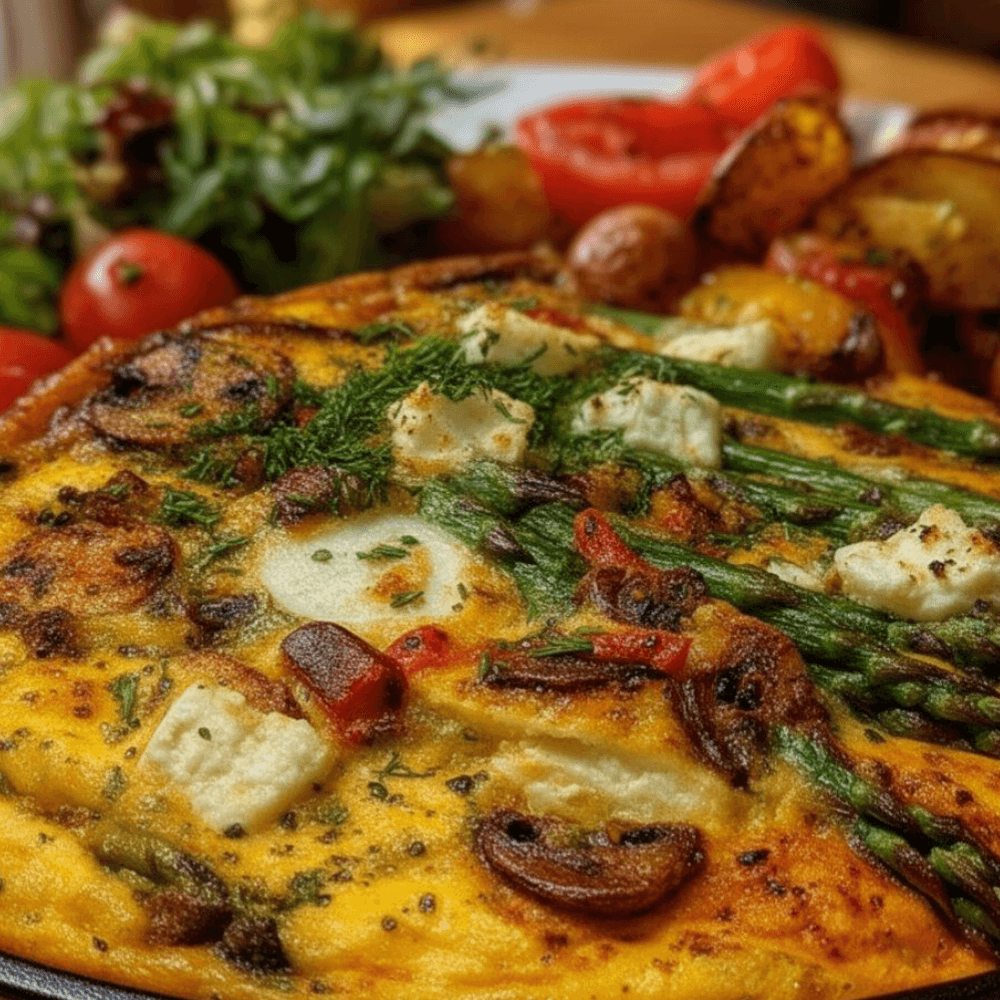
As the days grow longer and the markets overflow with vibrant produce, there’s no better time to embrace the fresh flavors of the season. And what better way to do so than with a magnificent Spring Vegetable Frittata? This versatile, satisfying dish is a cornerstone of any truly *healthy breakfast frittata* or an impressive center-piece for your next *easy spring brunch ideas* spread. More than just a simple egg dish, our take elevates the classic with a delightful twist, making it a hearty and absolutely delicious experience.
Imagine golden-baked eggs, bursting with tender spring greens, savory herbs, and a touch of rich, flavorful beef, all culminating in a truly exquisite *high protein egg bake*. This isn’t just a meal; it’s a celebration of renewal and good food. Forget bland breakfasts; this *Spring Vegetable Frittata* promises a burst of flavor in every forkful, and as a naturally *gluten-free breakfast recipe*, it caters to a wide range of dietary needs without compromising on taste or satisfaction. Let’s dive into how you can create this culinary masterpiece in your own kitchen!
Why Add Beef to Your Vegetable Frittata?
While many frittatas are purely vegetarian, introducing beef transforms this simple egg dish into a robust and incredibly satisfying meal. The addition of beef brings a profound depth of savory flavor and a hearty texture that perfectly complements the delicate sweetness of spring vegetables. Think of the rich umami notes that ground beef can contribute, creating a more substantial and fulfilling dish.
Incorporating beef also significantly boosts the protein content, making your *Spring Vegetable Frittata* an even more formidable *high protein egg bake*. This ensures you stay feeling full and energized, whether you’re enjoying it for breakfast, lunch, or a light dinner. When you combine tender asparagus with well-seasoned beef, you create an irresistible *asparagus and beef frittata* that is both nourishing and undeniably delicious. It’s a fantastic way to stretch a small amount of beef into a meal that feels truly indulgent and complete, appealing to even the most ardent meat-lovers at your table.
Essential Ingredients for the Perfect Frittata
Creating an outstanding frittata begins with selecting the finest ingredients. Beyond the star vegetables and our chosen protein, the foundation lies in quality eggs and dairy. For a truly rich and fluffy texture, opt for large, fresh eggs and a splash of whole milk, cream, or even half-and-half. Seasonings like salt, freshly ground black pepper, and a pinch of nutmeg are non-negotiable for bringing out the best in your frittata. A great frittata is about balancing flavors and textures, ensuring every bite is a delight.
Best Spring Vegetables to Use
The beauty of a *Spring Vegetable Frittata* truly shines with seasonal produce. When you visit your local market, look for:
- Asparagus: The quintessential spring vegetable. Snap off the woody ends and chop into 1-inch pieces. Its slightly bitter, fresh taste pairs wonderfully with eggs and beef.
- Spinach: Fresh, vibrant spinach wilts beautifully into the frittata, adding a lovely green hue and subtle earthy notes.
- Peas: Sweet, tender green peas (fresh or frozen) pop with flavor and add a touch of sweetness.
- Leeks: Gently sautéed leeks offer a mild oniony flavor that’s less pungent than traditional onions.
- Radishes: Unexpected but delightful! Roasting radishes mellows their peppery bite and brings out a surprising sweetness.
- Mushrooms: Sliced cremini or shiitake mushrooms add an earthy, umami depth.
- Cherry Tomatoes: Halved cherry tomatoes burst with juiciness and a touch of acidity, especially delicious when added towards the end of baking.
Feel free to mix and match based on what looks freshest and most appealing. The key is to pre-cook any harder vegetables to ensure they are tender when the frittata is done.
Choosing the Right Cheese: Feta vs. Goat Cheese
Cheese adds a layer of flavor and creaminess that elevates any frittata. For a *Spring Vegetable Frittata*, two excellent choices stand out:
- Feta Cheese: Crumbly, salty, and wonderfully tangy, feta provides a bright counterpoint to the richness of the eggs and beef. Its briny flavor can cut through richer ingredients, offering a Mediterranean flair that’s incredibly appealing. It’s particularly good with spinach and tomatoes.
- Goat Cheese: Creamy, earthy, and often with a pleasant tang, fresh goat cheese melts beautifully, creating pockets of soft, rich texture. It brings a sophisticated, slightly pungent note that pairs exquisitely with asparagus and leeks. A little goes a long way with goat cheese, adding a luxurious feel.
You could even experiment with a combination of both, or consider other cheeses like grated Gruyere for a nutty flavor, or sharp cheddar for a more classic comfort food feel. Whatever your choice, ensure it complements the other ingredients in your *baked vegetable frittata recipe*.
Step-by-Step Cooking Instructions
Making a show-stopping *Spring Vegetable Frittata* is simpler than you might think. Follow these steps for a perfect, fluffy result every time.
Prepping the Skillet
- Choose Your Skillet: You’ll need an oven-safe, non-stick skillet, ideally 10-12 inches in diameter. Cast iron or ceramic-coated skillets work wonderfully.
- Sauté Aromatics and Beef: Heat a tablespoon of olive oil in your skillet over medium heat. Add chopped onions or leeks and sauté until softened, about 3-5 minutes. Add your ground beef, breaking it up with a spoon, and cook until browned and no longer pink. Drain any excess fat.
- Cook Vegetables: Add your harder spring vegetables like chopped asparagus or mushrooms to the skillet with the beef and cook for another 5-7 minutes until they begin to soften. If using spinach, add it last and cook until just wilted. Season everything lightly with salt and pepper. Spread the mixture evenly across the bottom of the skillet.
Baking to Perfection
- Prepare the Egg Mixture: In a large bowl, whisk together 8-10 large eggs (depending on skillet size) with 1/2 cup milk or cream. Add 1/2 teaspoon salt, 1/4 teaspoon black pepper, and a pinch of nutmeg. Whisk until well combined but don’t overbeat, as this can make the frittata rubbery.
- Add Cheese: Stir in about 1/2 cup of your chosen crumbled feta or goat cheese into the egg mixture.
- Combine and Bake: Pour the egg mixture evenly over the beef and vegetable base in the skillet. Give the skillet a gentle shake to ensure the eggs settle around all the ingredients.
- Transfer to Oven: Preheat your oven to 375°F (190°C). Carefully transfer the skillet to the preheated oven.
- Bake Until Golden: Bake for 20-25 minutes, or until the frittata is set in the center and lightly golden brown on top. The edges should be puffed and firm, and a knife inserted into the center should come out clean.
- Rest and Serve: Remove the frittata from the oven and let it rest for 5-10 minutes before slicing. This allows it to set completely and prevents it from deflating.
Expert Tip: For the fluffiest frittata, make sure your eggs are at room temperature before whisking. This helps them incorporate more air and cook more evenly.
Serving Suggestions
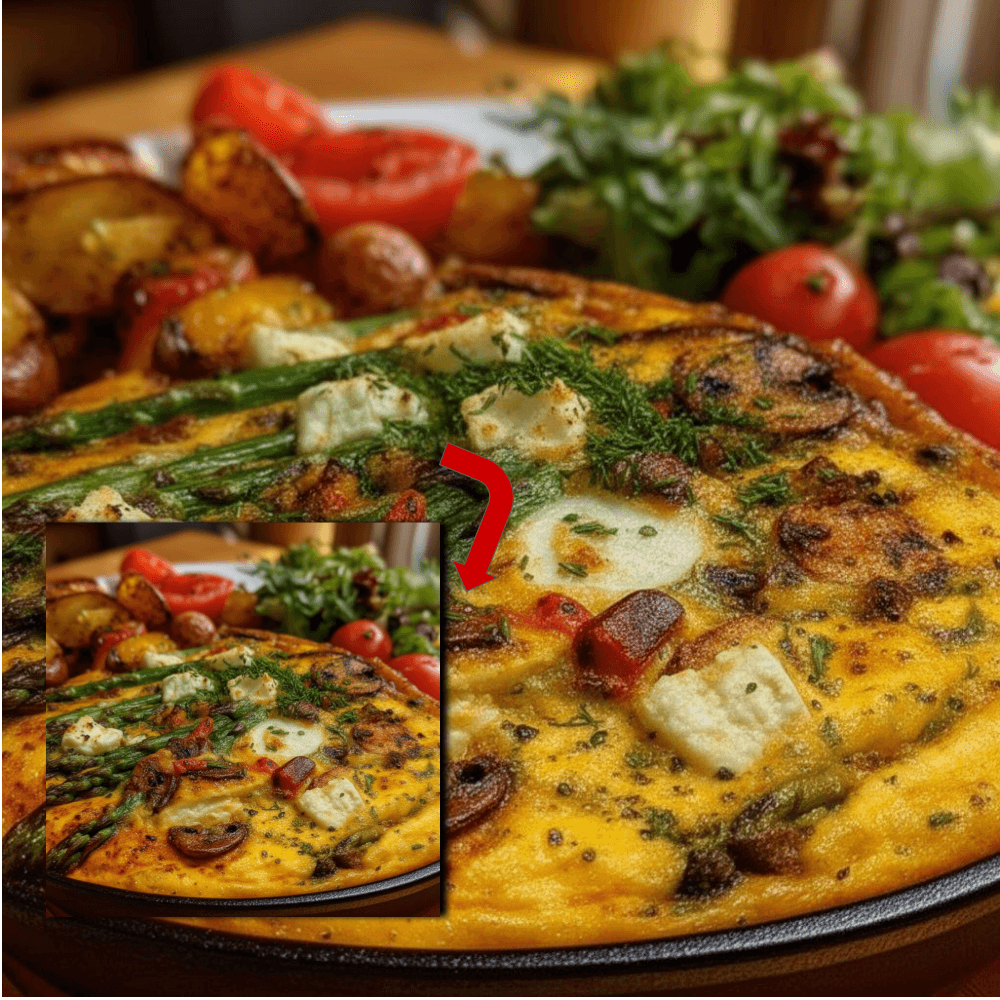
A beautiful *Spring Vegetable Frittata* deserves equally delightful accompaniments. These simple additions will round out your meal beautifully, whether for a cozy breakfast or an elegant brunch.
Roasted Potatoes
Pairing your frittata with a quick frittata with roasted potatoes adds a comforting and satisfying element to the meal. Cubed Yukon Golds or small new potatoes tossed with olive oil, salt, pepper, and a sprinkle of rosemary or thyme, then roasted until golden and crispy, are simply divine. You can even roast them simultaneously with your frittata if space allows, or prepare them ahead of time and gently reheat. Their starchy texture and crispy edges provide a wonderful contrast to the soft, savory frittata, making for a truly complete and hearty dish.
Fresh Mixed Greens Salad
To balance the richness of the frittata and potatoes, a simple yet elegant Fresh Mixed Greens Salad is perfect. A light spring mix, perhaps with some tender butter lettuce or peppery arugula, dressed with a bright lemon vinaigrette, adds a refreshing crunch and a touch of acidity. This provides a vibrant counterpoint, cleansing the palate and adding a welcome layer of freshness to your *easy spring brunch ideas* spread. Consider adding some thinly sliced radishes or cucumber for extra texture and seasonal appeal.
Pro Tips for a Fluffy Frittata
Achieving that perfectly light and airy frittata texture is the goal. Here are a few insider secrets to ensure your *Spring Vegetable Frittata* is consistently fluffy and delicious:
- Don’t Overmix the Eggs: Whisk the eggs just until the whites and yolks are combined. Over-whisking incorporates too much air initially, which can cause the frittata to rise too quickly and then collapse, leading to a denser texture.
- Room Temperature Eggs: As mentioned before, eggs at room temperature blend more easily and create a more uniform, fluffy texture. If you forget, place them in a bowl of warm water for a few minutes.
- Pre-cook Fillings Thoroughly: Ensure your vegetables (and beef) are cooked through and any excess moisture is evaporated before adding the eggs. Too much moisture can lead to a watery frittata.
- Use a Hot Skillet (Initially): When pouring the egg mixture over the cooked fillings, make sure the skillet is still warm from the stovetop cooking. This helps to set the bottom layer of eggs quickly, preventing sticking and promoting an even bake.
- Avoid Overbaking: Overbaking is the enemy of a fluffy frittata. Cook until the center is just set – a slight jiggle in the middle is okay, as it will continue to cook as it rests. Overcooked eggs become rubbery.
- Let It Rest: Just like a good steak, a frittata benefits from resting after it comes out of the oven. A 5-10 minute rest allows the internal heat to redistribute and helps the frittata set completely, making for cleaner slices and a more stable structure.
- Don’t Skimp on Dairy: A splash of milk, cream, or half-and-half adds moisture and richness, contributing to a softer, more luxurious texture.
Frequently Asked Questions
Can I make this Spring Vegetable Frittata ahead of time?
Absolutely! This *baked vegetable frittata recipe* is an excellent make-ahead dish, perfect for meal prepping. You can bake it, let it cool completely, then cover and refrigerate for up to 3-4 days. Simply reheat individual slices in the microwave or oven until warmed through. It also tastes wonderful served at room temperature, making it ideal for picnics or potlucks.
Is this gluten-free breakfast recipe suitable for kids?
Yes, this *gluten-free breakfast recipe* is generally very kid-friendly! You can easily customize the vegetables to suit their preferences – try adding sweet corn, finely chopped bell peppers, or even small broccoli florets. The creamy egg texture and savory beef are often a hit with children. Just ensure any strong flavors like goat cheese are added sparingly if your kids are sensitive to them.
How do I prevent my frittata from sticking to the pan?
To prevent sticking, always start with a well-seasoned cast iron skillet or a high-quality non-stick oven-safe pan. Ensure you’ve added enough oil or butter to the skillet before sautéing your ingredients. When it’s time to pour the eggs, the pan should still be warm but not smoking hot. If you’re concerned, you can also run a thin spatula around the edges before slicing, but a good non-stick surface usually handles it well.
Can I use frozen vegetables in this frittata?
Yes, you can certainly use frozen vegetables! Just be sure to thaw them completely and drain any excess water before adding them to the skillet. This step is crucial to prevent your frittata from becoming watery. Frozen peas and spinach are particularly convenient and work beautifully in this *Spring Vegetable Frittata*.
There you have it – a comprehensive guide to crafting a truly unforgettable Spring Vegetable Frittata. This dish is more than just a recipe; it’s an invitation to savor the freshest flavors of the season, all while enjoying a hearty, protein-packed meal. Whether you’re hosting a brunch or simply treating yourself to a wholesome breakfast, this frittata is sure to impress.
For more delicious and inspiring recipes, be sure to follow us on Facebook! Join our community for daily food ideas, cooking tips, and behind-the-scenes glimpses into our kitchen. Find us here: https://www.facebook.com/profile.php?id=61568538666337
Spring Vegetable Frittata with Beef
Ingredients
- 6 large Eggs Beaten
- 1 bunch Asparagus Chopped
- 1 cup Mushrooms Sliced
- 1/2 lb Beef pieces Pre-cooked
- 1/2 cup Feta cheese Crumbled
- 1/2 Red bell pepper Diced
- 1 tbsp Dill Fresh, chopped
- 2 cups Roasted potatoes Cubed, for serving
- 2 cups Mixed greens For side salad
- 1 cup Cherry tomatoes Halved, for side salad
Instructions
- Preheat oven to 375F (190C).
- In a large oven-safe skillet, saute the asparagus, mushrooms, red bell pepper, and beef pieces over medium heat until vegetables are tender.
- In a separate bowl, whisk the eggs and fresh dill together.
- Pour the egg mixture over the vegetables and beef in the skillet, ensuring an even layer.
- Sprinkle the crumbled feta cheese evenly across the top of the frittata.
- Transfer the skillet to the preheated oven and bake for 15-20 minutes, or until the eggs are completely set and the edges are lightly golden.
- Remove from the oven and let cool slightly. Slice and serve hot with roasted potatoes and a mixed greens and tomato salad.
For more daily recipes and tips, follow us on Facebook!
Click here to join our community!