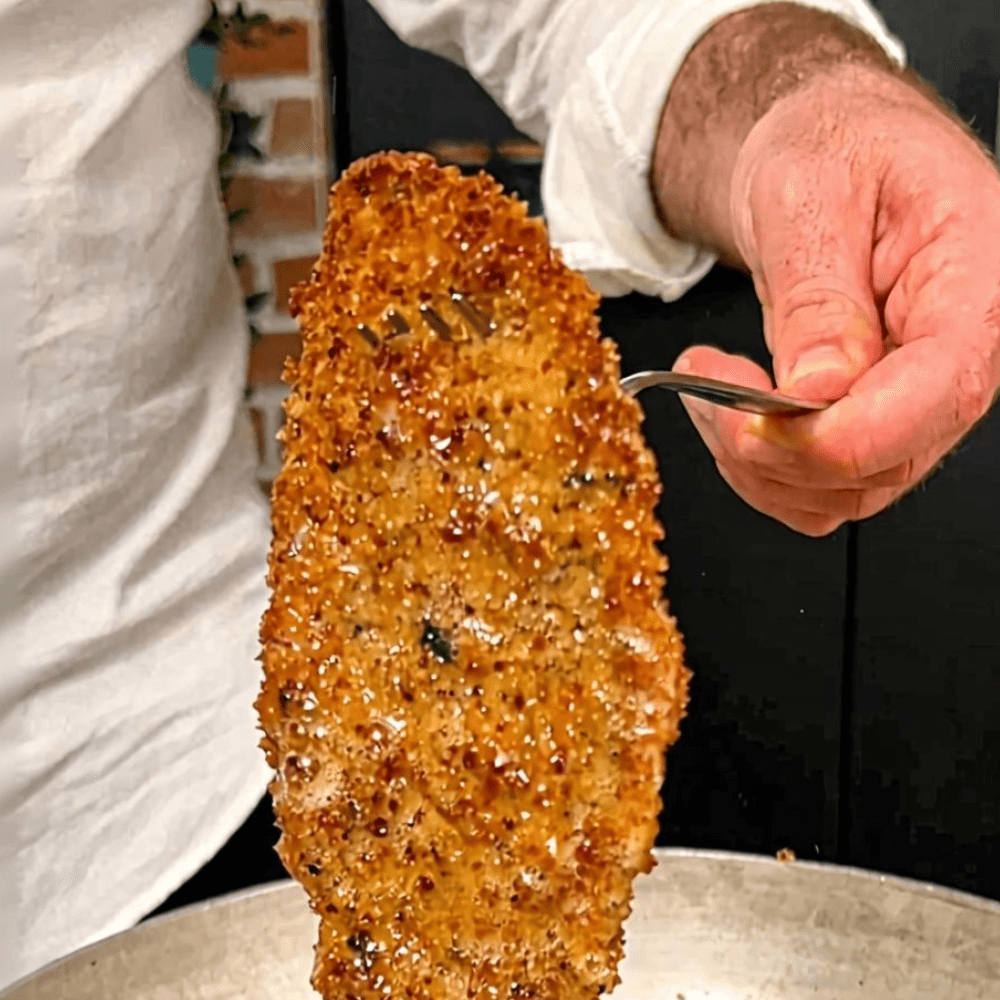
Get ready to transform your dinner table with the ultimate guide to creating the most delectable, Crispy Breaded Cutlets! Forget soggy coatings and bland flavors; we’re diving deep into the secrets that professional chefs use to achieve that coveted golden-brown, shatteringly crisp exterior every single time. Whether you’re a seasoned cook or just starting your culinary journey, mastering the art of breaded beef is a game-changer. Imagine a tender, juicy slice of beef, perfectly encased in a crunchy crust – a truly irresistible experience that elevates a simple meal into something extraordinary. This comprehensive guide will arm you with all the knowledge, from choosing the right ingredients to mastering the frying technique, ensuring your homemade Crispy Breaded Cutlets are nothing short of perfection. We’ll even tackle the common pitfalls and reveal the “one simple thing” that will revolutionize your breading technique, helping you create that memorable fried steak dinner every time.
Why Your Breading Keeps Falling Off
It’s one of the most frustrating kitchen conundrums: you’ve meticulously breaded your beautiful beef cutlets, fried them to a gorgeous golden hue, only to find the breading sliding right off the meat with the first bite. What went wrong? Often, it comes down to a few critical errors that are easily corrected, ensuring your breading adheres flawlessly and you master how to make breading stick.
The Moisture Problem: Steam vs. Adhesion
Excess moisture on your meat is the number one enemy of a well-adhered breading. When meat is wet, the flour can’t properly stick, creating a barrier that prevents the egg wash from doing its job as a glue. Furthermore, as the cutlet cooks, this trapped moisture turns to steam, pushing the breading away from the surface of the meat. Think of it like a tiny pressure cooker underneath your crispy crust – not ideal for maintaining integrity! Always pat your beef cutlets thoroughly dry with paper towels before you even think about dredging. This simple step is crucial for achieving truly crisp breaded beef.
The Temperature Trap: Oil Heat Management
Frying oil temperature plays a huge role in the success (or failure) of your breading. If the oil isn’t hot enough, the breading will absorb too much oil, becoming greasy and soft, not crisp. Worse, it won’t set quickly, giving it time to potentially detach. If the oil is too hot, the breading will burn before the beef is cooked through, leading to a bitter taste and an unappetizing appearance. A consistent medium-high heat (typically 350-375°F or 175-190°C) is ideal for achieving those perfect golden brown cutlets.
The Missing Step in Most Home Recipes
Many home cooks dive straight from breading to frying. While this might work sometimes, it often leads to compromised adhesion. There’s a vital, often overlooked step that ensures your breading forms a sturdy, integrated crust, significantly improving how to make breading stick. This brings us to the “one simple thing” that will elevate your Crispy Breaded Cutlets from good to absolutely phenomenal.
The “One Simple Thing”: The Resting Rule
Here it is, the secret weapon for perfect breading: rest your breaded cutlets before frying. This simple, yet transformative, step allows the various layers of your breading to hydrate and bond with each other and the meat’s surface, creating an incredibly strong and stable crust.
How Resting Solidifies the Bond Between Egg and Starch
When you coat your beef cutlet with flour, then egg, and finally breadcrumbs, the moisture from the egg wash begins to hydrate the starch in both the flour and the breadcrumbs. Given a few minutes, this hydration process creates a gel-like bond, essentially “setting” the breading. This means when your cutlet hits the hot oil, the breading is already semi-fused to the beef, making it far less likely to separate or fall off. It’s the ultimate trick for ensuring how to make breading stick securely.
Ideal Resting Times (Room Temperature vs. Fridge)
- Room Temperature: For immediate frying, a rest of 10-15 minutes at room temperature is sufficient. This allows the breading to set without chilling the meat too much, which could affect cooking time.
- Fridge: If you’re prepping ahead, place the breaded cutlets on a wire rack over a baking sheet and refrigerate for at least 30 minutes, or up to an hour. This chills the cutlets and further solidifies the breading. Just be sure to let them sit at room temperature for about 10-15 minutes before frying to remove some of the chill, ensuring more even cooking.
“Patience is a virtue, especially in the kitchen. A little rest for your breaded cutlets is the difference between a good meal and an unforgettable one.” – Culinary Chef Sarah Jenkins
Choosing the Best Ingredients
The foundation of any great dish lies in its ingredients. For Crispy Breaded Cutlets, selecting the right meat, crunch, and fat is paramount to achieving that perfect texture and flavor.
The Meat: Top Round, Sirloin, or Minute Steaks
- Beef Top Round: An excellent choice for its lean profile and robust beefy flavor. When pounded thin, it becomes incredibly tender. Look for cuts labeled “top round steak” or “eye of round steak” for great beef top round recipes.
- Sirloin: A slightly more tender option than top round, sirloin offers a good balance of flavor and tenderness, making it ideal for a luxurious breaded beef steak.
- Minute Steaks: These are often pre-sliced thin, saving you some pounding time. They cook very quickly and are perfect for a speedy pan-fried beef dinner.
Regardless of the cut, aim for lean beef, as excessive fat can sometimes prevent the breading from adhering as effectively. You want meat that will become tender and juicy once cooked, providing a delightful contrast to the crispy exterior.
The Crunch: Panko vs. Traditional Breadcrumbs vs. Crushed Crackers
- Panko Breadcrumbs: Our top recommendation for truly Crispy Breaded Cutlets. Panko, a Japanese breadcrumb, is coarser and flakier than traditional breadcrumbs, resulting in a lighter, airier, and significantly crisper texture. They absorb less oil, staying crunchy longer. Perfect for spectacular panko beef cutlets.
- Traditional Breadcrumbs: Finer in texture, these will give you a denser, slightly harder crust. Good for a classic feel, but won’t deliver the same “shatter” as panko.
- Crushed Crackers: For a unique flavor and texture, crushed saltines or Ritz crackers can add a buttery, savory crunch. This is a fun alternative for an occasional twist and can create a truly unique fried steak dinner.
The Fat: High Smoke Point Oils (Vegetable, Canola, or Peanut)
To achieve those beautiful golden brown cutlets without burning, you need an oil that can withstand high heat.
- Vegetable Oil: A neutral flavor and high smoke point make it a reliable, all-purpose choice for pan-frying.
- Canola Oil: Similar to vegetable oil, it’s widely available and performs well for frying without imparting strong flavors.
- Peanut Oil: Offers a slightly nutty flavor and a very high smoke point, ideal for achieving exceptional crispness, though be mindful of allergies.
Avoid olive oil, especially extra virgin, as its lower smoke point means it will burn and impart an unpleasant flavor before your cutlets are perfectly cooked.
The Perfect 3-Stage Dredging Station
A well-organized breading station guide is key to a smooth process and flawless results. Think of it as an assembly line, ensuring each cutlet is perfectly coated before hitting the pan. This methodical approach is essential for achieving the best adhesion and understanding how to make breading stick.
The Dry Layer: Seasoned Flour as the Primer
In your first shallow dish, whisk together all-purpose flour with a generous pinch of salt, black pepper, garlic powder, and paprika. This initial dry coating not only helps absorb any residual moisture from the beef but also provides a textured surface for the egg wash to cling to. Dredge each pounded beef cutlet thoroughly in the flour, shaking off any excess. You want a thin, even layer, not a thick paste.
The Glue: Egg Wash Consistency Tips
In your second shallow dish, whisk a couple of large eggs with a tablespoon or two of milk or water. The milk/water thins the egg wash slightly, making it easier to coat the meat evenly and preventing a thick, gummy layer. Dip the floured cutlet into the egg wash, ensuring it’s completely submerged and coated. Let any excess egg drip off before moving to the final stage.

The Crust: Pressing Techniques for Maximum Adherence
In your third and final shallow dish, place your chosen breadcrumbs (preferably panko!). Transfer the egg-coated cutlet to the breadcrumbs. Now, here’s the trick: press firmly. Use the palm of your hand to gently but decisively press the breadcrumbs into the beef on both sides. This physical pressure helps embed the crumbs into the egg wash, creating a robust crust. Ensure every inch of the cutlet is covered. Once fully coated, give it a gentle shake to remove any loose crumbs and transfer it to a wire rack for resting.
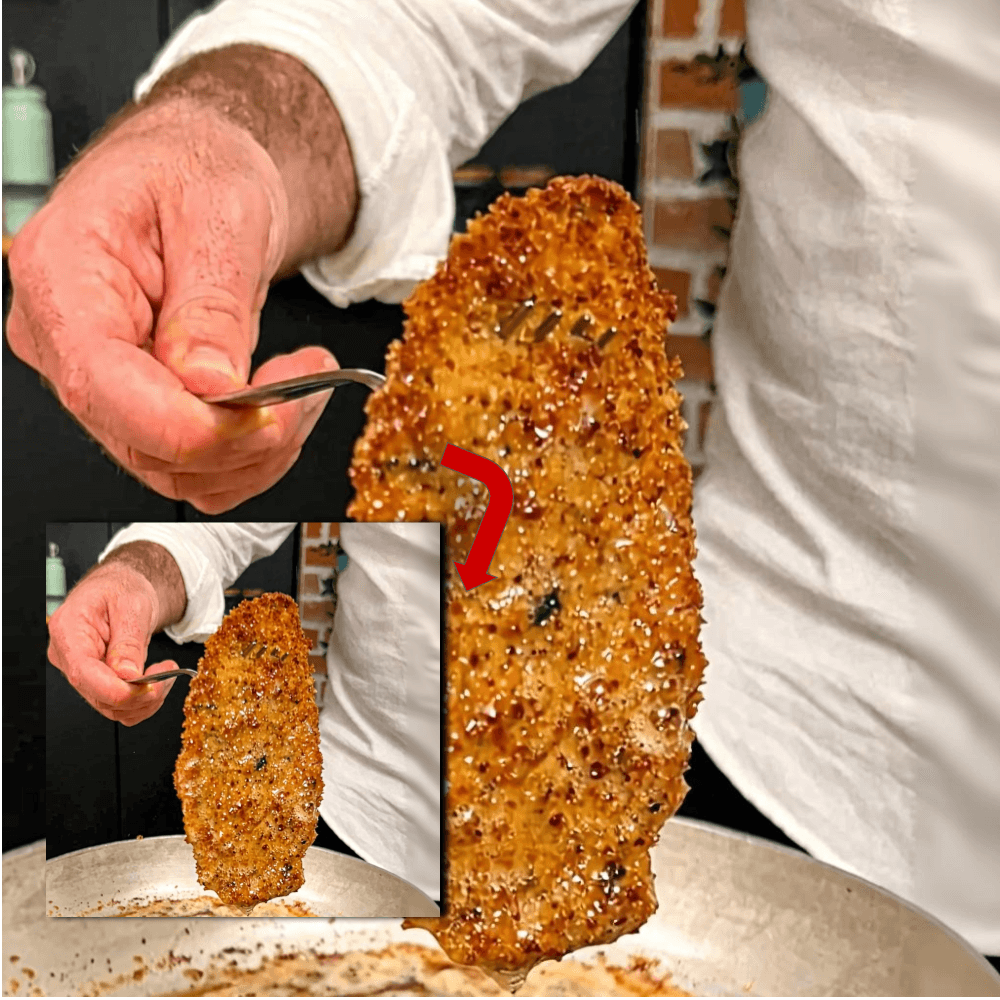
Step-by-Step Cooking Guide
Now that your cutlets are perfectly breaded and rested, it’s time for the final, satisfying step: frying them to perfection. This guide will help you create a memorable fried steak dinner with stunning Crispy Breaded Cutlets.
Prepping the Meat: Pounding for Even Cooking
Before any breading begins, place each beef cutlet between two sheets of plastic wrap. Using a meat mallet or a heavy rolling pin, pound the beef uniformly to about 1/4 to 1/8-inch thickness. Pounding not only tenderizes the meat but also ensures even cooking, so your entire breaded beef steak finishes at the same time and provides a larger surface area for that incredible crust.
Frying Fundamentals: Shallow Fry vs. Deep Fry
- Shallow Fry (Recommended for Cutlets): This method uses about 1/2 to 1 inch of oil in a large skillet. Heat the oil to around 350-375°F (175-190°C). Fry the cutlets in batches, ensuring you don’t overcrowd the pan, which can lower the oil temperature. Cook for 2-4 minutes per side, or until beautifully golden brown cutlets are achieved.
- Deep Fry: While possible, deep-frying is generally not necessary for thin cutlets and can lead to a greasier result. If you choose this, maintain an oil temperature of 350°F (175°C) and fry for 2-3 minutes total, flipping once.
After frying, transfer the cutlets to a wire rack set over a baking sheet to drain any excess oil. Resist the urge to place them directly on paper towels, as this can trap steam and make them soggy, compromising their crispness. This is key for retaining that satisfying crunch on your pan-fried beef.
Determining Doneness Without Cutting
For thin beef cutlets, doneness is primarily indicated by the color of the breading. Once the breading is a deep golden brown and exceptionally crispy, the thin beef inside is almost certainly cooked through and wonderfully tender. If you’re concerned, press gently on the center of the cutlet with tongs; it should feel firm but not hard. For absolute certainty, use an instant-read thermometer. For medium-rare to medium, the internal temperature should be between 130-140°F (54-60°C). Remember, the meat will continue to cook slightly after being removed from the heat.
Variations from Around the World
The concept of a crispy, breaded cutlet is a culinary staple across many cultures, each with its unique twist. Our techniques provide the perfect foundation for these delicious global iterations, all fantastic ways to enjoy breaded beef.
Milanesa (Latin America)
A beloved dish across Argentina, Uruguay, and other Latin American countries, Milanesa typically features thinly sliced beef that’s breaded and fried. Our Milanesa recipe approach ensures the beef is tender and the crust is incredibly crisp. Often served with a squeeze of lemon, a simple green salad, or topped with a fried egg (Milanesa a Caballo) or tomato sauce and cheese (Milanesa Napolitana), it’s a versatile and satisfying meal.
Schnitzel (Austria/Germany)
While often associated with veal, a delicious beef Schnitzel is a popular and hearty option. The classic Schnitzel technique involves pounding the beef until incredibly thin, breading it, and then pan-frying it until puffed and golden. It’s traditionally served with a wedge of lemon, potato salad, or lingonberry jam. Our method will help you achieve that characteristic light, airy, and ultra-crisp coating, making for an authentic and flavorful beef Schnitzel.
Cotoletta (Italy)
The Italian Cotoletta (especially Cotoletta alla Milanese) is another celebrated breaded cutlet, often made with beef. It’s typically bone-in and fried in clarified butter for a rich, nuanced flavor, though our high-smoke-point oils work beautifully. The key is the simplicity and quality of ingredients, allowing the crispy beef and subtle seasoning to shine, often served with just a lemon wedge.
Serving Suggestions
Once your perfectly Crispy Breaded Cutlets are ready, it’s time to complement them with delicious sides and sauces to complete your elegant fried steak dinner.
Classic Sides: Mashed Potatoes, Lemon Wedges, and Arugula Salad
- Creamy Mashed Potatoes: A comforting contrast to the crispy cutlet, soaking up any savory juices and providing a delightful texture difference.
- Fresh Lemon Wedges: A squeeze of fresh lemon brightens the rich flavor of the fried beef and cuts through the richness, enhancing the overall experience. This is almost a non-negotiable!
- Simple Arugula Salad: A peppery arugula salad dressed with a light vinaigrette provides a refreshing, cleansing counterpoint to the rich, fried dish.
Sauces: Gravy, Marinara, or a Simple Vinaigrette
- Rich Beef Gravy: For a hearty, comforting meal, a savory beef gravy is an excellent pairing, adding depth and warmth.
- Bright Marinara Sauce: Offers an Italian-inspired twist, especially if you’re leaning towards a Cotoletta style, providing a tangy contrast.
- Lemon-Herb Vinaigrette: A light, tangy dressing for accompanying salads, or even drizzled lightly over the cutlet for a fresh finish that complements the beef perfectly.
Frequently Asked Questions
Can I bake these instead of frying?
While frying yields the ultimate crispness, you can bake breaded beef cutlets for a lighter option. Preheat your oven to 400°F (200°C). Place the breaded cutlets on a wire rack set over a baking sheet (sprayed with cooking spray). Bake for 15-20 minutes, flipping halfway, until golden brown and cooked through. For extra crispness, you can finish under the broiler for 1-2 minutes, watching carefully to prevent burning.
How do I reheat cutlets to keep them crispy?
To retain crispness, avoid the microwave! Reheat leftover breaded beef cutlets in a preheated oven at 375°F (190°C) for 10-15 minutes, or until heated through and crisp again. Alternatively, you can reheat them in a dry skillet over medium heat for a few minutes per side, or in an air fryer at 350°F (175°C) for 5-7 minutes. These methods help restore that desirable golden crunch.
Can I prep these ahead of time?
Yes, you can prep breaded beef cutlets ahead! After breading, place them on a wire rack set over a baking sheet, cover loosely with plastic wrap, and refrigerate for up to 4-6 hours. This resting time actually helps the breading adhere even better. For longer storage, you can freeze them un-fried. Place the breaded cutlets on a baking sheet and freeze until solid (about 2 hours), then transfer to an airtight freezer bag for up to 1 month. Fry directly from frozen, adding a few extra minutes to the cooking time and ensuring your oil is at the correct temperature.
Ultimate Crispy Breaded Beef Cutlets
Ingredients
- 4 pieces Beef top round steaks Pounded to 1/4 inch thickness
- 1 cup All-purpose flour Divided for dredging
- 2 large Eggs Beaten until smooth
- 2 cups Panko breadcrumbs Or fine dry breadcrumbs
- 1 tsp Garlic powder Mixed into flour
- 1 tsp Salt Plus more for finishing
- 0.5 tsp Black pepper Freshly ground
- 1 cup Vegetable oil For frying (approximate amount)
Instructions
- Pat the beef cutlets extremely dry with paper towels to remove surface moisture.
- Set up a breading station: Place flour mixed with garlic powder, salt, and pepper in the first shallow dish; beaten eggs in the second; and breadcrumbs in the third.
- Dredge a cutlet in the seasoned flour, shaking off any excess so only a fine white dust remains.
- Dip the floured cutlet into the eggs, ensuring it is completely moistened.
- Place the cutlet into the breadcrumbs, pressing down firmly with your palm to embed the crumbs into the meat. Flip and repeat to ensure a thick, even coating.
- CRITICAL STEP: Place the breaded cutlets on a wire rack or baking sheet and let them REST undisturbed for 15 to 30 minutes in the refrigerator. This sets the gluten and egg, creating a glue that prevents the coating from slipping.
- Heat about 1/2 inch of oil in a large heavy-bottomed skillet to 350°F (175°C).
- Fry the cutlets in batches, without overcrowding, for 2-3 minutes per side until deep golden brown and crispy.
- Transfer to a wire rack set over a baking sheet to drain. Sprinkle immediately with a pinch of salt while hot.
For more daily recipes and tips, follow us on Facebook!
Click here to join our community!