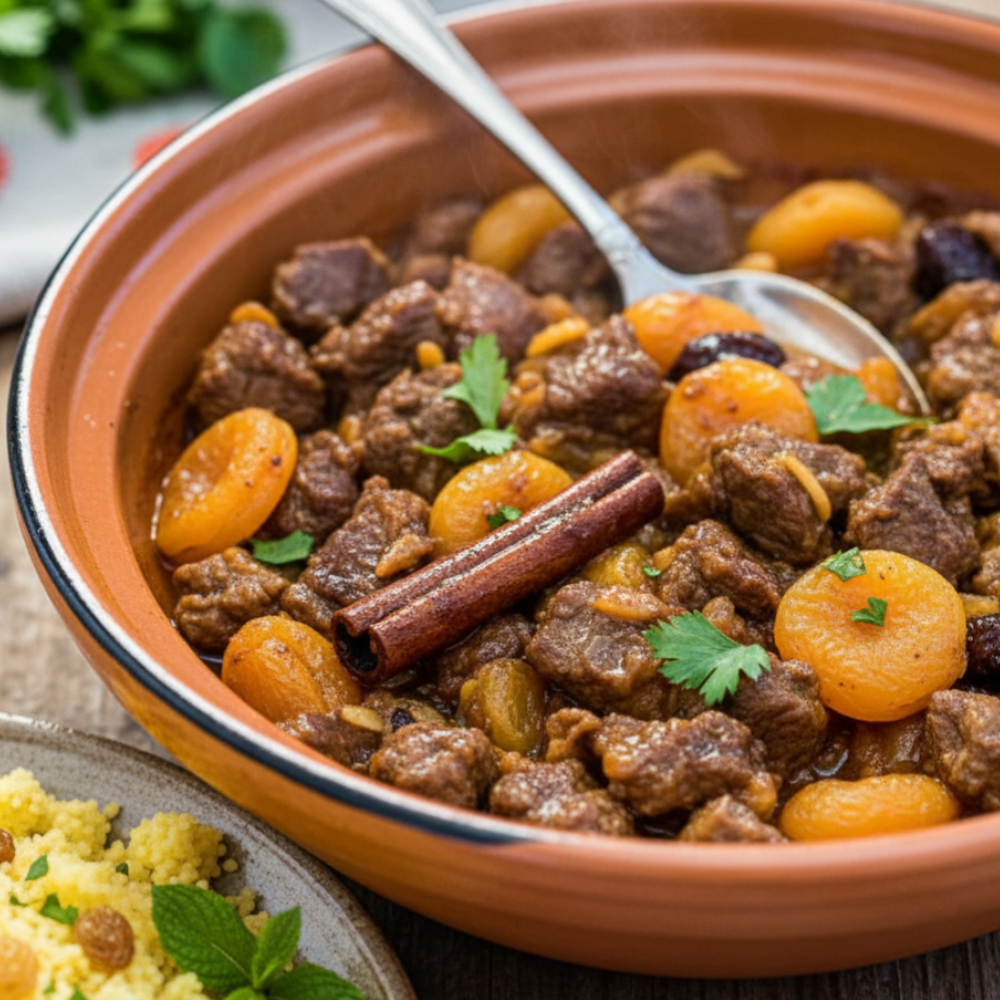
Welcome, fellow food lovers! Today, we’re embarking on a culinary journey to the heart of North Africa, a land renowned for its fragrant spices, warm hospitality, and unforgettable slow-cooked dishes. Get ready to transform your kitchen into a Moroccan spice bazaar with this truly authentic North African Lamb Tagine. This isn’t just a meal; it’s an experience—a rich and fragrant stew that combines incredibly tender, slow-simmered diced lamb with the natural sweetness of dates, apricots, and prunes. Each bite is a symphony of flavors, balanced by a masterful blend of warm, aromatic spices that whisper tales of ancient culinary traditions.
What is a North African Lamb Tagine?
At its heart, a tagine is both the name of an incredibly flavorful, deeply aromatic stew and the distinctive cone-shaped earthenware pot in which it is traditionally cooked. Originating from North Africa, particularly Morocco, this dish embodies the philosophy of slow cooking. It’s a savory masterpiece that beautifully balances succulent meats with naturally sweet dried fruits and a complex profile of earthy, warming spices. The magic of a tagine lies in its ability to tenderize meat to fall-apart perfection while melding diverse ingredients into a harmonious, rich sauce that clings to every morsel.
Historically, the tagine pot itself played a crucial role in conserving water in arid climates. The unique conical lid traps steam during cooking, condensing it and returning it to the pot, ensuring a moist and tender result even with minimal added liquid. This ingenious design, coupled with the careful selection of ingredients, makes for a dish that is both deeply satisfying and surprisingly straightforward to prepare.
Key Ingredients for Flavor
To truly achieve that authentic taste of a traditional Moroccan lamb tagine, gathering the right ingredients is not just crucial, it’s a delightful part of the process. Each component plays a vital role in building the layers of flavor that make this dish so special.
The Best Cut of Lamb to Use
For a slow-simmered stew like this, you want a cut of meat that isn’t afraid of time and heat; rather, it transforms beautifully over hours of gentle cooking. Lamb shoulder or leg of lamb, cut into generous 1.5 to 2-inch cubes, is absolutely ideal. These cuts possess just the right amount of marbled fat, which renders slowly into the sauce, guaranteeing incredibly tender, melt-in-your-mouth meat that’s infused with flavor. Avoid overly lean cuts, as they can become dry during the long cooking process. The goal here is succulence.
Spices, Apricots, and Prunes
The very soul of this lamb stew lies in its spices. A carefully chosen blend of ground cinnamon, pungent ginger, earthy cumin, and vibrant turmeric brings an intense warmth and aromatic depth that is truly distinctive. These spices don’t just add heat; they contribute a complex perfume that defines traditional Moroccan cuisine. But the story doesn’t end there. The addition of naturally sweet dried apricots, plump pitted dates, and luscious prunes provides a deep, caramelized sweetness that beautifully offsets the savory notes of the lamb and the earthiness of the spices. These dried fruits rehydrate and plump up during cooking, releasing their sugars into the sauce, creating a rich, syrupy glaze that coats the tender pieces of lamb. It’s this exquisite balance of savory, sweet, and aromatic that makes the dish so utterly captivating.
How to Make Moroccan Lamb Tagine
While a traditional clay tagine pot certainly adds to the authenticity and cooking experience, you absolutely do not need one to make this incredible dish at home. A heavy-bottomed Dutch oven or any substantial pot with a tight-fitting lid will work perfectly, yielding equally delicious results. The key is in the slow, gentle cooking.
Ingredients:
- 2 lbs boneless lamb shoulder or leg, cut into 1.5-inch cubes
- 2 tablespoons olive oil
- 2 large onions, finely chopped
- 3 cloves garlic, minced
- 1 teaspoon ground ginger
- 1 teaspoon ground turmeric
- 1 teaspoon ground cumin
- 1/2 teaspoon ground cinnamon
- 1/4 teaspoon cayenne pepper (optional, for a little heat)
- 1 cup dried apricots, halved
- 1 cup pitted dates, halved
- 1/2 cup prunes, halved
- 1 (14.5 ounce) can diced tomatoes, undrained
- 4 cups beef or chicken broth
- 1/2 cup chopped fresh cilantro, plus more for garnish
- Salt and freshly ground black pepper to taste
Instructions:
- Prepare the Lamb: Pat the lamb cubes dry with paper towels and season generously with salt and freshly ground black pepper. This step is crucial for developing a deep flavor crust.
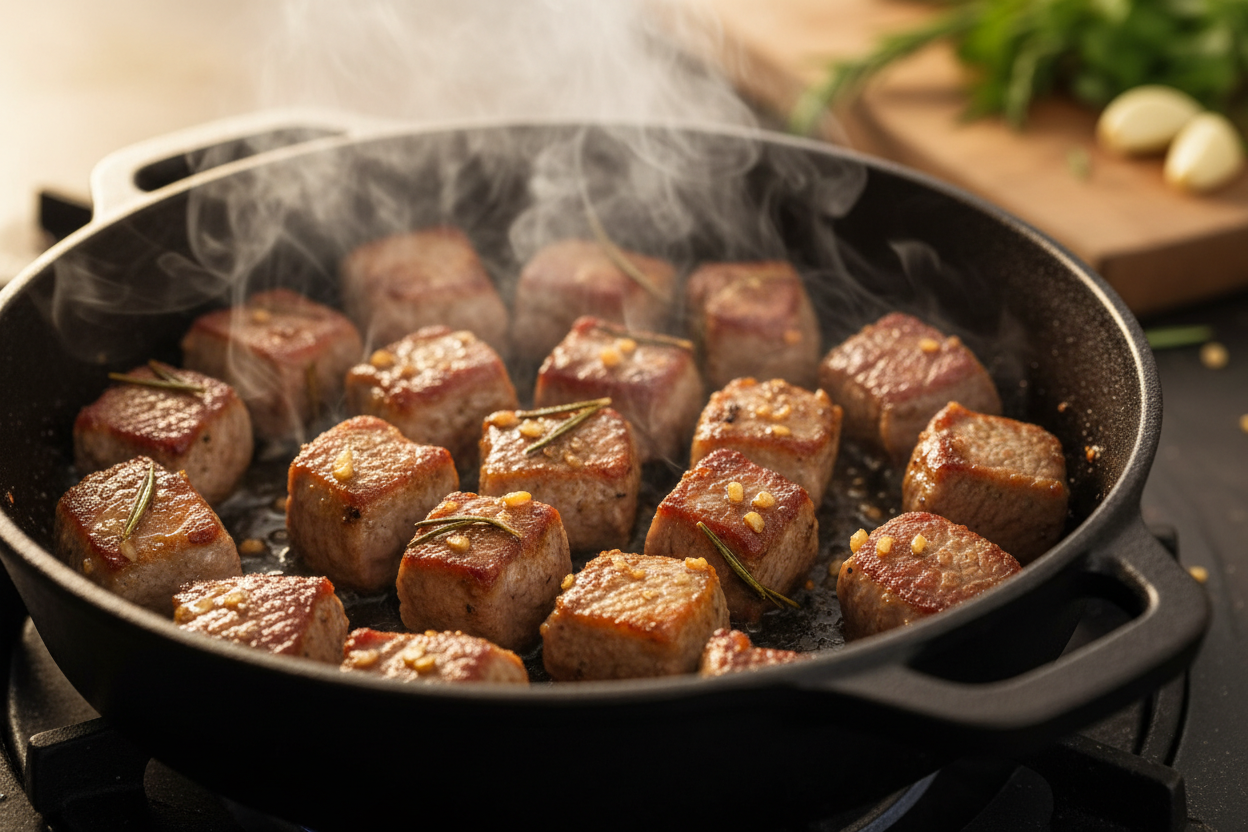
- Browning the Meat: Heat 2 tablespoons of olive oil in your heavy-bottomed Dutch oven or pot over medium-high heat. Working in batches to avoid overcrowding the pot, sear the diced lamb until deeply browned on all sides. This isn’t about cooking the lamb through, but rather about locking in those savory juices and creating a foundational layer of rich flavor at the bottom of your pot. Remove the browned lamb and set aside.
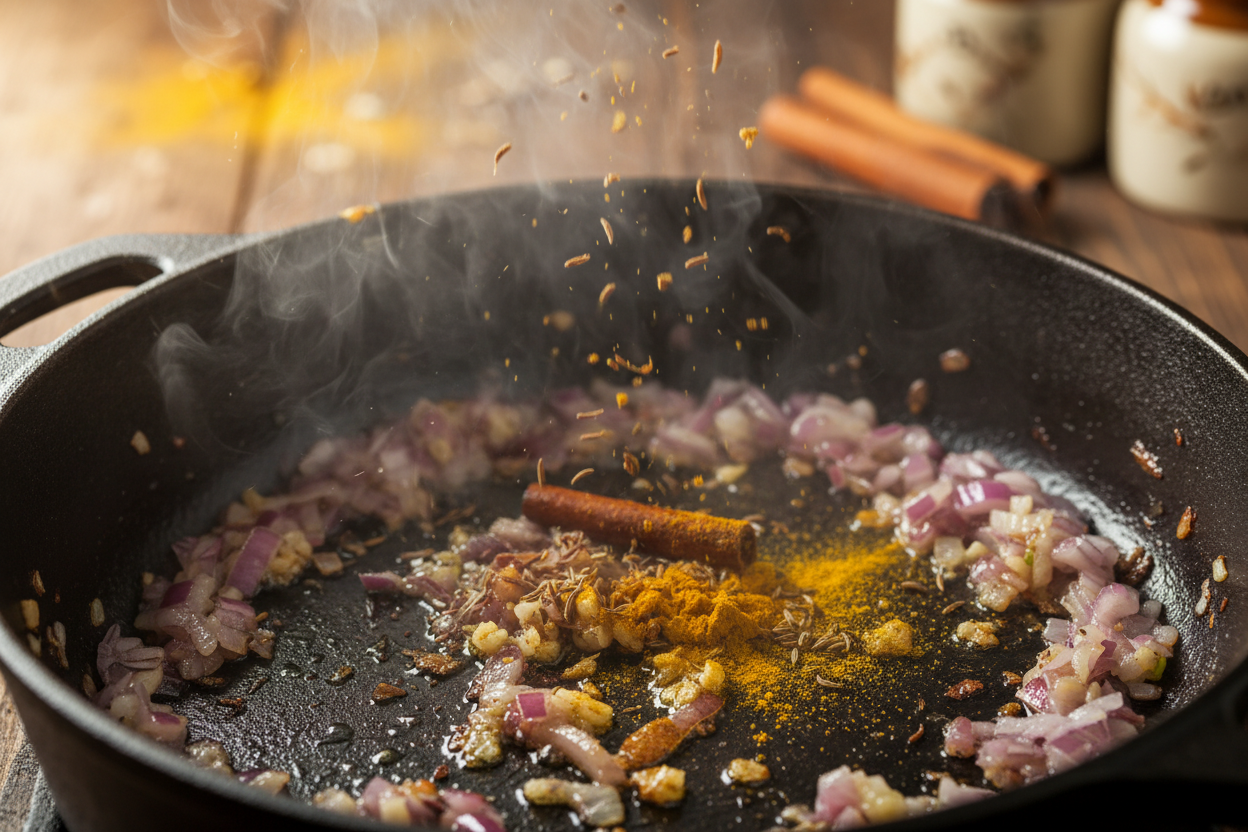
- Sauté Aromatics and Spices: Reduce the heat to medium. Add the chopped onions to the pot and cook, stirring occasionally, until softened and lightly golden, about 8-10 minutes. Add the minced garlic, ground ginger, turmeric, cumin, cinnamon, and cayenne pepper (if using). Sauté for another minute until the spices are fragrant, being careful not to burn them. Their aroma will fill your kitchen!
- Combine and Simmer: Return the browned lamb to the pot. Stir in the dried apricots, dates, prunes, diced tomatoes, and beef or chicken broth. Bring the mixture to a gentle simmer. Once simmering, reduce the heat to low, cover the pot tightly, and let it cook.
- The Slow Cook: Allow the lamb stew to cook over low heat for at least 2.5 to 3 hours, or even longer, until the meat is incredibly fork-tender and practically falling apart. The sauce will gradually transform into a rich, syrupy glaze, thick and deeply flavored. Stir occasionally to prevent sticking and ensure even cooking.
- Finishing Touches: Once the lamb is tender, stir in the fresh cilantro. Taste and adjust seasoning with additional salt and pepper if needed. If the sauce is thinner than you prefer, remove the lid and simmer uncovered for an extra 10-15 minutes to reduce it to your desired consistency.
Variations and Expert Cooking Tips
- Toasted Nuts: For a delightful textural contrast and nutty flavor, garnish your finished tagine with toasted slivered almonds or pine nuts just before serving. A quick toast in a dry pan brings out their best.
- Spice Blends: If you’re looking for a shortcut or want to explore a pre-mixed Moroccan flavor profile, you can substitute the individual spices with 1.5 to 2 tablespoons of high-quality Ras el Hanout spices. This complex North African blend typically includes dozens of spices, offering an incredible depth of flavor.
- Thickening the Sauce: While the slow cooking should naturally thicken the sauce, if it’s still too thin after the lamb is cooked to perfection, simply remove the lid and simmer it uncovered for an extra 10-15 minutes. This allows the excess liquid to evaporate, concentrating the flavors and achieving that desired rich, syrupy consistency.
- Citrus Zest: A touch of orange or lemon zest grated in during the last 30 minutes of cooking can brighten the flavors beautifully.
- Vegetable Boost: Feel free to add chunks of carrots, sweet potatoes, or chickpeas during the last hour of cooking for added nutrition and texture.
“The secret to an exceptional tagine isn’t just the ingredients, but the patience to let time and low heat work their magic, transforming simple components into a feast for the senses.”
What to Serve with Lamb Tagine
This savory and sweet lamb stew with apricots, dates, and prunes is traditionally served with fluffy couscous, which acts as the perfect vehicle to soak up every last drop of the exquisite, sweet and savory sauce. The tiny grains of couscous absorb the flavors beautifully, creating a balanced and complete meal. Beyond a simple couscous side dish, you can also serve it with warm, crusty flatbread, perfect for scooping, or over a bed of steamed basmati rice for a different texture. A simple green salad or a side of blanched green beans dressed with a lemon vinaigrette can also offer a refreshing contrast to the richness of the tagine.
Frequently Asked Questions (FAQs)
Can I make this ahead of time?
Absolutely! In fact, tagines often taste even better the day after they’re cooked. The flavors have more time to meld and deepen, becoming even more harmonious. It’s an ideal dish for entertaining or meal prepping, as it reheats beautifully.
Do I absolutely need a traditional tagine pot?
No, not at all! While a clay tagine promotes excellent moisture circulation and adds to the authentic experience, a heavy Dutch oven with a tight-fitting lid will yield equally excellent results. The key is simply to have a vessel that allows for slow, even cooking and traps moisture effectively.
Can I freeze leftover tagine?
Yes, lamb tagine freezes very well. Once completely cooled, transfer it to airtight, freezer-safe containers and freeze for up to 3 months. Thaw overnight in the refrigerator before reheating.
Storing and Reheating Leftovers
Store any leftover lamb tagine in an airtight container in the refrigerator for up to 3-4 days. For reheating, gently warm it on the stovetop over low heat, stirring occasionally. If the sauce has thickened too much during storage, add a splash of water or broth to loosen it back to your desired consistency. You can also reheat individual portions in the microwave, though the stovetop method often yields a more even result without drying out the meat.
We hope this authentic tagine recipe brings the warmth and magic of traditional Moroccan cuisine to your table. Happy cooking!
For more delicious recipes, cooking tips, and culinary adventures, make sure to follow us on Facebook! You’ll find a community of food lovers and exciting new content waiting for you. Find us here:
https://www.facebook.com/profile.php?id=61568538666337
North African Lamb Tagine with Apricots and Dates
Ingredients
- 2 lbs Lamb shoulder Diced into 1.5-inch cubes
- 2 tbsp Olive oil
- 1 large Red onion Chopped
- 3 cloves Garlic Minced
- 1 tsp Ground ginger
- 1 tsp Ground cumin
- 1 tsp Ground cinnamon
- 1/2 tsp Turmeric
- 1 cup Dried apricots Halved
- 1/2 cup Pitted dates Chopped
- 1/2 cup Prunes Pitted
- 2 cups Beef or lamb broth
- 1 stick Cinnamon
- 1/4 cup Fresh parsley or mint Chopped, for garnish
- 1.5 cups Couscous For serving
Instructions
- Heat the olive oil in a large heavy-bottomed pot or traditional tagine over medium-high heat.
- Add the diced lamb shoulder in batches, browning the pieces on all sides. Remove the browned lamb and set aside on a plate.
- In the same pot, add the chopped red onion and sauté until softened, about 5 minutes. Stir in the minced garlic, ground ginger, cumin, ground cinnamon, and turmeric, cooking for 1 minute until fragrant.
- Return the browned lamb and any resting juices to the pot. Add the broth, dried apricots, chopped dates, prunes, and the cinnamon stick. Bring the mixture to a gentle boil.
- Reduce the heat to low, cover tightly with a lid, and simmer gently for 1.5 to 2 hours, or until the lamb is highly tender and the sauce has thickened.
- While the tagine is in its final minutes of cooking, prepare the couscous according to the package instructions.
- Remove the cinnamon stick from the stew. Garnish the tagine with freshly chopped parsley and mint, and serve warm over the prepared couscous.
For more daily recipes and tips, follow us on Facebook!
Click here to join our community!