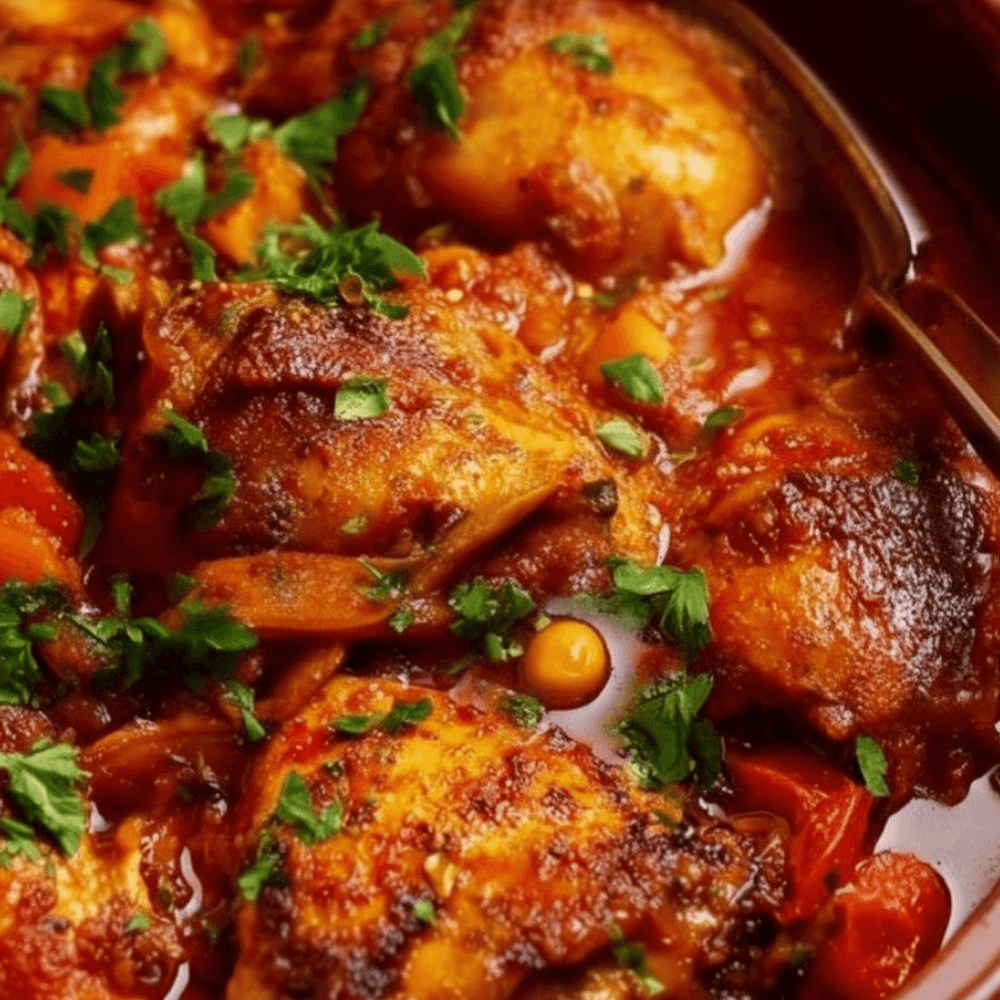
Introduction to Moroccan Chicken Tagine
There are dishes that simply transport you, and for me, a truly aromatic and tender Chicken Tagine is one of them. This isn’t just a meal; it’s a journey to the sun-drenched kitchens of Morocco, a symphony of flavors that tells a story of tradition, spice, and communal joy. As an expert food blogger, I’ve simmered countless pots of this rich, soulful creation, perfecting every nuance to bring you an easy tagine recipe that captures the very essence of authentic Moroccan food.
What is a Tagine?
At its heart, a tagine refers to two things: the unique earthenware cooking vessel with its distinctive conical lid, and the slow-cooked stew prepared within it. The special shape of the lid allows steam to condense and drip back into the pot, keeping the contents incredibly moist and tender. This traditional North African method of cooking is famous for coaxing deep, complex flavors from simple ingredients.
Flavor Profile: Sweet, Savory, and Spiced
Imagine tender chicken, succulent vegetables, and sweet dried fruits mingling in a fragrant broth, all infused with a chorus of warm spices. That’s the magic of this Moroccan chicken stew. It’s a delicate balance where earthy spices like cumin and ginger meet the exotic perfume of saffron and the bright tang of preserved lemons. A touch of sweetness from dried apricots or prunes often rounds out the profile, creating a truly unforgettable culinary experience that dances on your palate.
Essential Ingredients for an Authentic Chicken Tagine Recipe
The beauty of a tagine lies in its layers of flavor, built from a thoughtful selection of fresh produce, quality chicken, and a star-studded spice blend. Gather these essentials, and you’re well on your way to a magnificent meal.
The Best Cut of Chicken to Use
For a tagine, you want chicken that can withstand a long, slow simmer and emerge fall-off-the-bone tender. I highly recommend using bone-in, skin-on chicken thighs and drumsticks. The bones add incredible depth of flavor to the stew, and the skin helps keep the meat moist during cooking. If you prefer, boneless, skinless thighs can also work, but reduce the cooking time slightly to prevent them from drying out.
Building the Spice Blend
This is where the soul of your tagine truly comes alive. The cornerstone is often ras el hanout chicken, a Moroccan spice blend meaning “head of the shop” – implying the best spices the merchant has to offer. While you can buy a pre-made blend, I love mixing my own. Here are the key players:
- Cumin: Earthy and warm.
- Coriander: Citrusy and floral.
- Ginger: Pungent and spicy.
- Turmeric: Earthy, peppery, and gives a beautiful golden hue.
- Cinnamon: Adds warmth and a touch of sweetness.
- Saffron threads: For an exquisite aroma and color (optional, but highly recommended).
- Sweet Paprika: For mild heat and color.
- Black Pepper: For a subtle bite.
Combine these with a pinch of salt, and you have a blend that will transform your chicken into something extraordinary.
Veggies, Legumes, and Dried Fruits
A tagine is a celebration of vibrant produce. For a classic chicken and chickpea tagine, you’ll want:
- Onions and Garlic: The aromatic foundation.
- Tomatoes: Fresh or canned, adding acidity and depth.
- Chickpeas: A fantastic source of protein and texture, making the stew heartier.
- Carrots and Zucchini (or other seasonal vegetables): For sweetness, texture, and nutrition.
- Preserved Lemons: A non-negotiable for that signature Moroccan tang and complexity.
- Dried Apricots or Prunes: To add a delightful sweetness that balances the savory spices.
- Fresh Cilantro and Parsley: For freshness and garnish at the end.
Equipment Needed
While a traditional tagine pot is charming, don’t let its absence deter you from making this incredible dish. There are excellent alternatives.
Do You Really Need a Tagine Pot?
No, you absolutely do not need a tagine pot to create a delicious Moroccan chicken stew. While the specialized vessel does create a unique moist cooking environment, the essence of the dish lies in the slow simmering and the flavor combinations, not solely the pot.
Best Dutch Oven Alternatives
My go-to alternative for how to make chicken tagine without a tagine pot is a heavy-bottomed Dutch oven or a large, lidded pot. A good quality Dutch oven retains heat beautifully, distributes it evenly, and its tight-fitting lid will simulate the moist environment of a tagine pot perfectly. You can also use a deep sauté pan with a lid. The key is a heavy base to prevent sticking and a lid to keep the moisture in.
Step-by-Step Cooking Guide
Creating this authentic Moroccan food masterpiece is simpler than you might think. Follow these steps for a perfect chicken and chickpea tagine.
Browning the Chicken
This crucial first step adds layers of flavor and a beautiful golden color to your chicken. Heat a little olive oil in your Dutch oven or pot over medium-high heat. Season your chicken pieces generously with a portion of your spice blend, salt, and pepper. Brown the chicken in batches until golden all over, about 3-4 minutes per side. Don’t crowd the pan, as this will steam the chicken instead of browning it. Remove the browned chicken and set aside.
Sautéing the Aromatics
In the same pot, add a little more oil if needed. Add your chopped onions and sauté until softened and translucent, about 5-7 minutes. Stir in the minced garlic and the remaining spice blend, cooking for another minute until fragrant. This step “blooms” the spices, intensifying their flavors. If using fresh ginger, add it now too.
Simmering the Stew
Return the browned chicken to the pot. Add your diced tomatoes (fresh or canned), chopped preserved lemons, carrots, and dried fruits (apricots or prunes). Pour in enough chicken broth or water to partially cover the chicken – remember, a tagine is meant to be a thick stew, not a soup. Bring to a gentle simmer, then reduce the heat to low, cover the pot tightly, and let it cook for at least 45 minutes to 1 hour, or until the chicken is incredibly tender and easily pulls from the bone. In the last 15-20 minutes, stir in the chickpeas and any quick-cooking vegetables like zucchini, ensuring they are heated through and tender-crisp.
Expert Tips for the Best Tagine
Elevate your Moroccan chicken stew with these insider tricks for a truly restaurant-quality result.
Why Preserved Lemons Matter
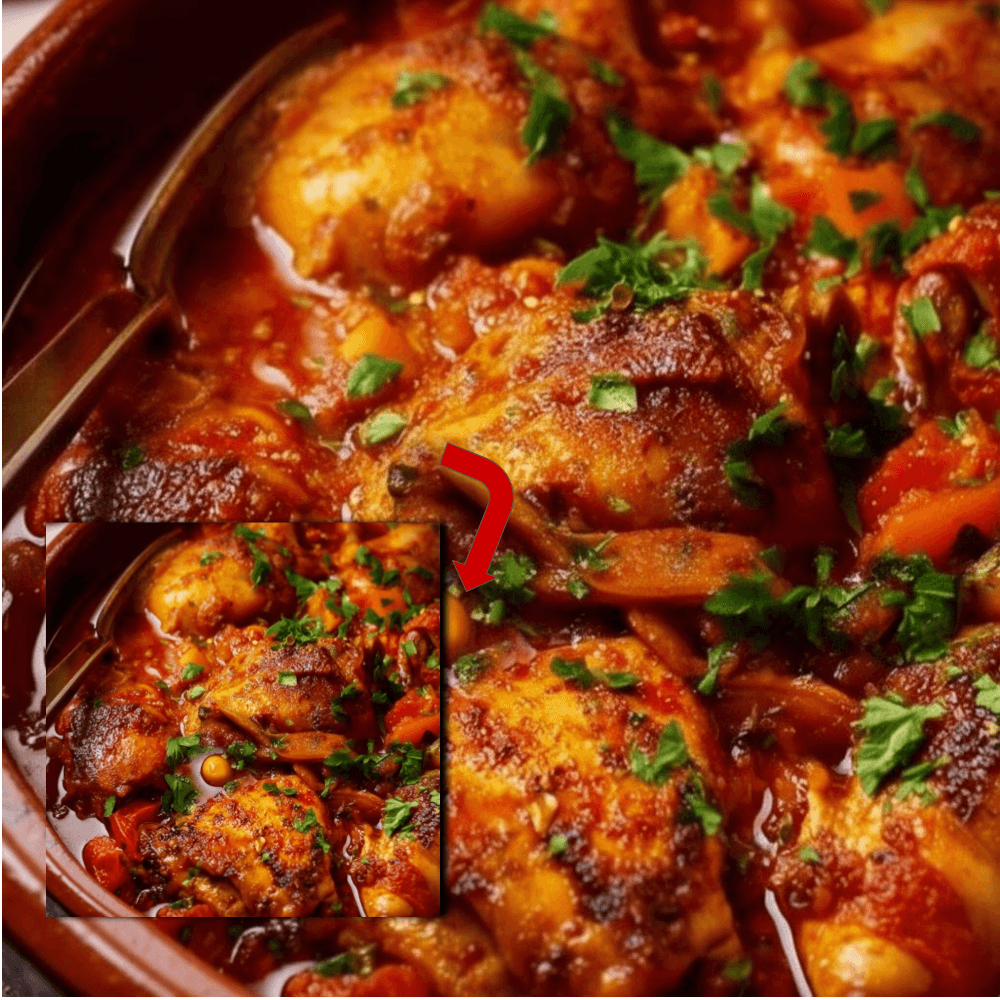
If you’ve never cooked with preserved lemons, prepare for a revelation. These aren’t your everyday lemons; they are lemons cured in salt and their own juice, resulting in a profoundly complex, salty, tangy, and subtly sweet flavor. They are absolutely essential for an authentic tagine recipe, especially for a preserved lemon chicken dish. They add a unique brightness and depth that fresh lemon juice simply cannot replicate. You’ll typically use only the rind, finely chopped, as the pulp can be too salty. Rinse them thoroughly before chopping to remove excess salt.
“Preserved lemons are the secret handshake of Moroccan cuisine. Their unique salinity and citrus punch transform a simple stew into something truly extraordinary.”
Controlling the Liquid Level
One common mistake when making this type of chicken and chickpea tagine is adding too much liquid. Remember, a tagine is a stew, meant to be rich and thick, not watery. The conical lid (or tight-fitting Dutch oven lid) is designed to recirculate moisture, so very little liquid evaporates. Start with just enough liquid to partially cover the chicken and vegetables. You can always add a splash more during simmering if it looks too dry, but it’s harder to reduce an overly liquid stew. Aim for a luxurious, saucy consistency that clings beautifully to the chicken.
Serving Suggestions
A well-made tagine is a meal in itself, but a few traditional accompaniments can complete the experience.
Pairing with Couscous or Rice
The perfect companion for soaking up all that incredible, spiced sauce is undoubtedly fluffy couscous. Prepare it according to package directions, often steaming it to achieve that light, airy texture. Alternatively, plain white rice or even a simple quinoa can serve as an excellent base. The goal is a neutral starch to highlight the rich flavors of your ras el hanout chicken.
Traditional Moroccan Sides
For an authentic Moroccan food spread, consider serving your tagine with a simple green salad dressed with a light vinaigrette. Moroccan bread (khobz) is also a fantastic option for scooping up every last drop of the delicious sauce. A side of olives or a fresh herb garnish like chopped cilantro and parsley adds brightness and contrast.
Storage and Reheating
This Moroccan chicken stew tastes even better the next day as the flavors have more time to meld. Store any leftovers in an airtight container in the refrigerator for up to 3-4 days. To reheat, gently warm on the stovetop over medium-low heat, adding a splash of water or broth if it seems too thick. You can also reheat individual portions in the microwave until thoroughly warm.
Frequently Asked Questions (FAQs)
Can I make this chicken and chickpea tagine vegetarian?
Absolutely! You can omit the chicken and double up on hearty vegetables like butternut squash, sweet potatoes, and bell peppers. Ensure you still use a flavorful vegetable broth as the base to maintain the richness of the Moroccan chicken stew.
What if I can’t find ras el hanout?
If you can’t find pre-made ras el hanout, you can create a simplified version by combining equal parts ground cumin, coriander, ginger, turmeric, and cinnamon, with a pinch of black pepper and paprika. While not identical, it will give you a wonderfully aromatic base for your easy tagine recipe.
How do I make my tagine spicier?
For those who love a bit more heat, you can add a pinch of cayenne pepper or a chopped fresh chili pepper along with the onions and garlic when sautéing the aromatics. A dash of harissa paste stirred in towards the end of simmering also works wonderfully.
Is preserved lemon hard to make at home?
Making preserved lemons at home is surprisingly easy, though it requires patience as they need several weeks to cure. You simply quarter lemons, pack them tightly in a jar with coarse salt, and cover with their own juice and a bit of hot water. They are a fantastic pantry staple for any enthusiast of authentic Moroccan food!
I hope this journey into the heart of Moroccan cuisine inspires you to create your own unforgettable chicken and chickpea tagine. Happy cooking!
For more delicious recipes and cooking adventures, follow our page on Facebook:
https://www.facebook.com/profile.php?id=61568538666337
Authentic Moroccan Chicken Tagine
Ingredients
- 2 tbsp Olive oil Divided use
- 2 lbs Boneless skinless chicken thighs Cut into bite-sized pieces
- 1 large Yellow onion Diced
- 4 cloves Garlic Minced
- 2 medium Carrots Peeled and sliced into coins
- 1 tbsp Ground cumin
- 1 tsp Ground ginger
- 1 tsp Ground turmeric
- 1/2 tsp Ground cinnamon
- 1 can (15 oz) Diced tomatoes Undrained
- 1 can (15 oz) Chickpeas Rinsed and drained
- 1 cup Chicken broth Low sodium preferred
- 1/2 cup Dried apricots Halved
- 1/4 cup Fresh parsley Chopped, for garnish
Instructions
- Heat 1 tablespoon of olive oil in a large heavy-bottomed pot or Dutch oven over medium-high heat.
- Season the chicken thighs with salt and pepper. Add to the pot and sear until browned on all sides, about 5 to 7 minutes. Remove the chicken and set aside.
- Reduce the heat to medium. Add the remaining 1 tablespoon of olive oil to the pot. Add the diced onion and carrots, cooking until softened, about 5 minutes.
- Stir in the minced garlic, cumin, ginger, turmeric, and cinnamon. Cook for 1 minute until fragrant.
- Pour in the diced tomatoes with their juices and the chicken broth, scraping up any browned bits from the bottom of the pot.
- Return the browned chicken to the pot. Stir in the chickpeas and dried apricots.
- Bring the mixture to a simmer. Cover, reduce heat to low, and let stew for 30 to 40 minutes, until the chicken is tender and cooked through.
- Remove from heat. Garnish generously with freshly chopped parsley before serving.
For more daily recipes and tips, follow us on Facebook!
Click here to join our community!