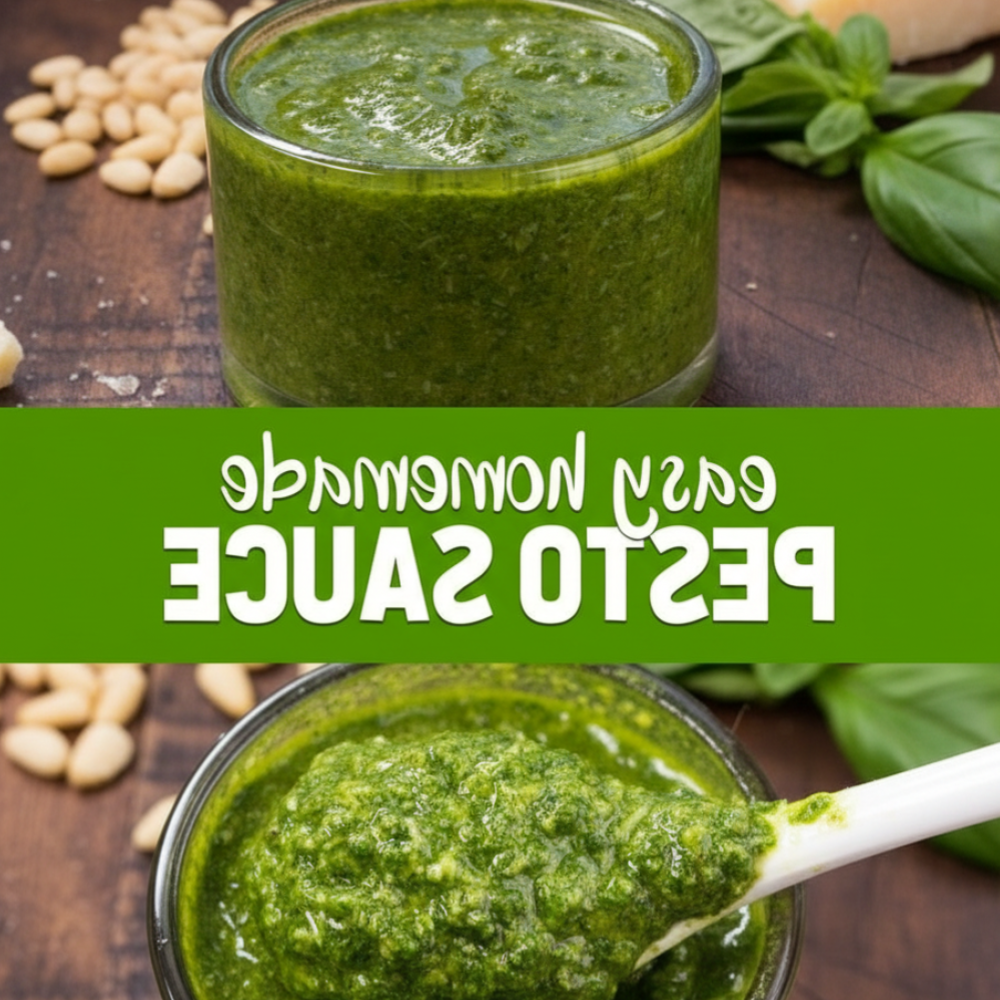
Making a vibrant fresh green sauce from scratch is one of the easiest ways to elevate your home cooking. With a simple food processor and a few fresh ingredients, you can create a versatile blended condiment that far surpasses store-bought jars in flavor, texture, and nutritional value. This comprehensive guide will walk you through the process, expert techniques, and practical storage methods for crafting the perfect homemade basil pesto, ensuring consistent, outstanding results every time.
Why Make Your Own Blended Condiment?
Opting for homemade basil pesto provides significant advantages over commercially prepared versions. Store-bought options often contain preservatives, artificial colors, and cheaper, lower-quality oils that can compromise both flavor and health benefits. Crafting this classic fresh herb sauce in your own kitchen ensures you control every ingredient. This leads to a basil pesto with a truly vibrant green color, a robust and authentic garlic flavor from fresh garlic cloves, and the superior taste of high-quality extra virgin olive oil. The freshness of the basil leaves is unparalleled, contributing a bright, aromatic profile that is often lost in packaged alternatives. Homemade means a cleaner, more intensely flavored product, free from unnecessary additives.
Essential Ingredients
To yield approximately 1 cup of basil pesto, providing about 8 servings, gather these high-quality components. The success of your pesto relies heavily on the quality of each ingredient.
- Fresh Herbs: 2 cups of packed basil leaves, thoroughly washed and dried. Using truly fresh basil is non-negotiable for authentic flavor.
- Nuts: 1/3 cup of pine nuts. Lightly toasting these nuts adds a significant depth of flavor and a subtle nutty richness to the pesto.
- Cheese: 1/2 cup freshly grated Parmesan cheese. Avoid pre-grated varieties, as they often contain anti-caking agents and lack the vibrant flavor of freshly grated cheese.
- Aromatics: 2 whole peeled garlic cloves. These provide the essential pungent foundation for the pesto’s characteristic taste.
- Oil: 1/2 cup extra virgin olive oil. A high-quality, cold-pressed extra virgin olive oil is crucial, as it forms the base of the sauce and contributes significantly to its overall taste and texture.
- Seasoning: 1/4 tsp salt and 1/8 tsp black pepper. These seasonings balance and enhance the other flavors.
Step-by-Step Instructions
The order in which you blend the ingredients is important for achieving the ideal creamy texture and ensuring all components are properly incorporated. Follow these steps carefully for the best basil pesto.
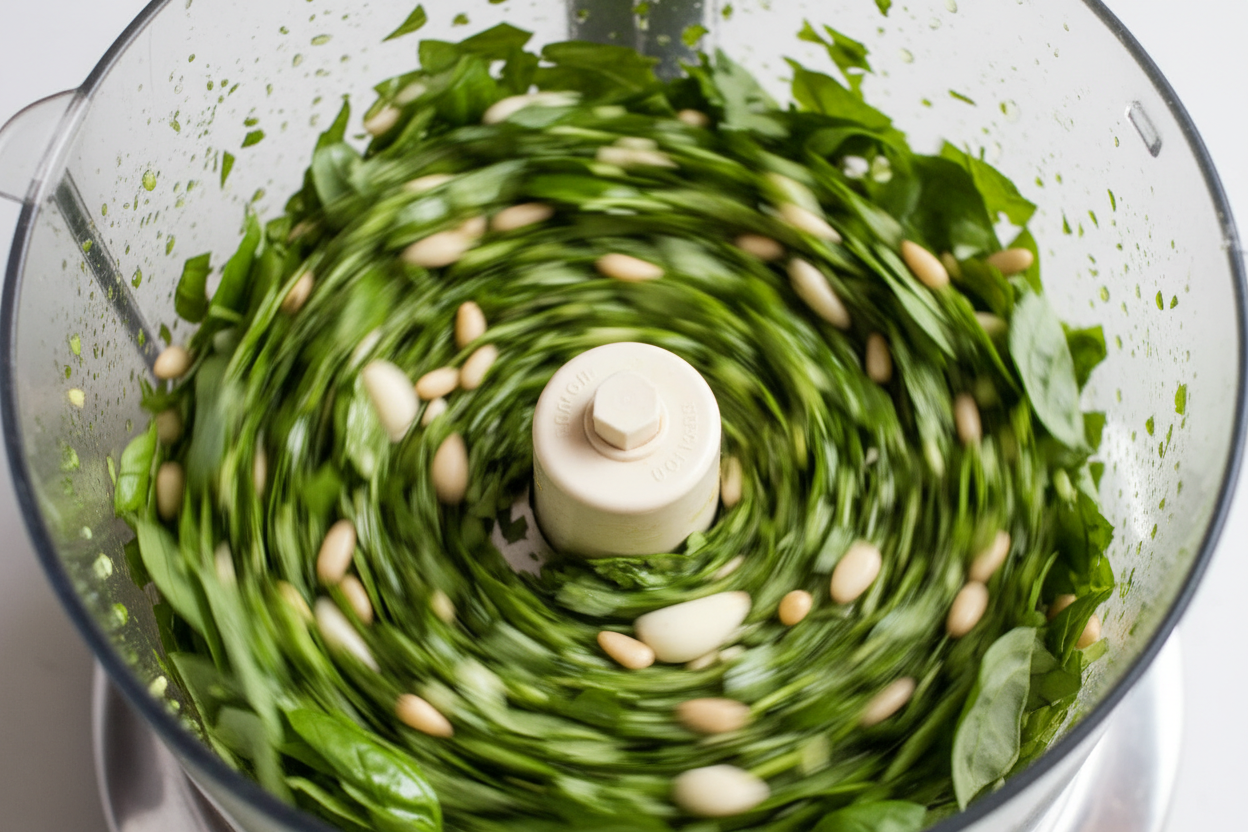
- Pulse the Base: Begin by placing the 1/3 cup pine nuts and the 2 whole peeled garlic cloves into the bowl of a food processor. Pulse these ingredients a few times until they are roughly chopped. This initial pulsing helps to break down the harder elements before adding the softer basil.
- Process the Greens: Next, add the 2 cups of packed fresh basil leaves to the food processor. Pulse again until the basil leaves are finely chopped and well combined with the pine nuts and garlic. Ensure there are no large pieces of basil remaining.
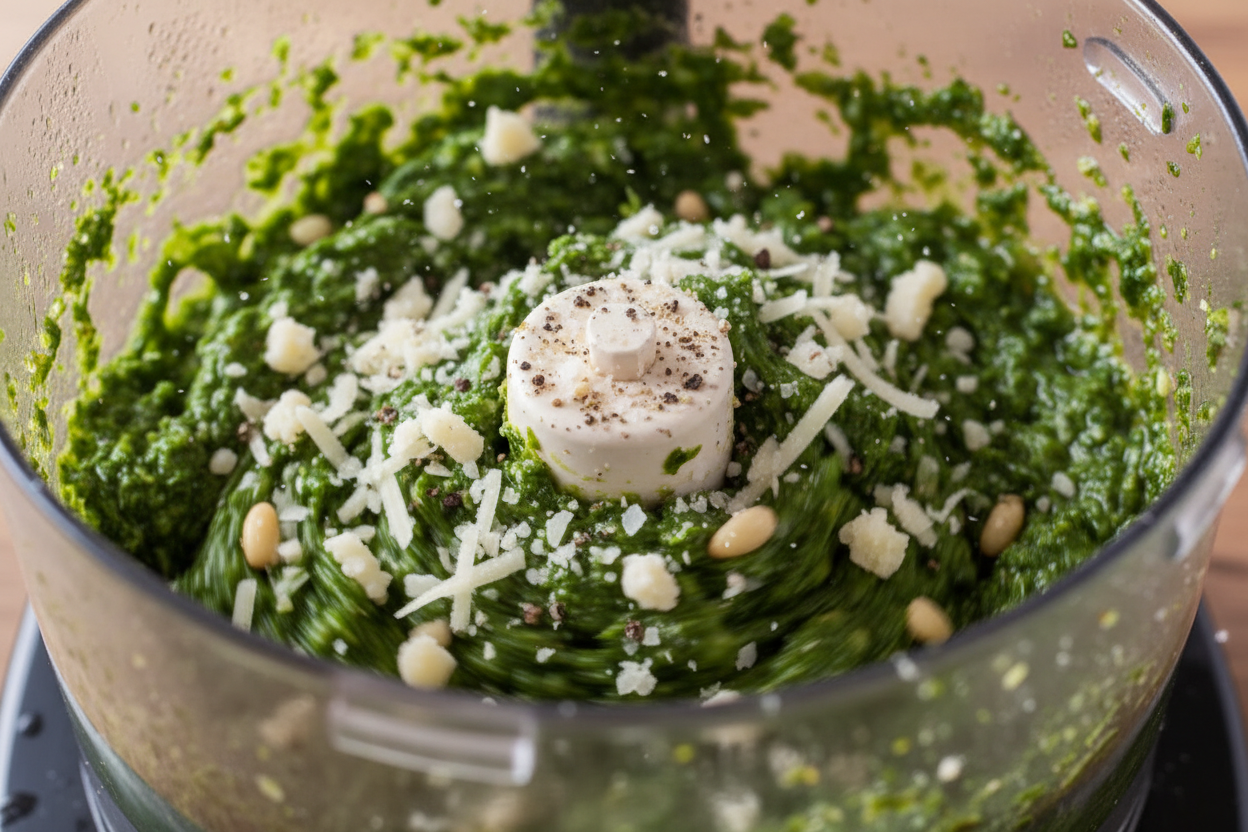
- Mix the Cheese: Add the 1/2 cup freshly grated Parmesan cheese, 1/4 tsp salt, and 1/8 tsp black pepper to the mixture in the food processor. Pulse briefly, just enough to combine these ingredients without over-processing.
- Emulsify: With the food processor running on a low setting, slowly stream in the 1/2 cup extra virgin olive oil through the feed tube. Continue to process until the mixture transforms into a smooth, emulsified sauce. The slow addition of oil helps create a cohesive, creamy texture.
- Taste and Serve: Stop the food processor and taste your homemade basil pesto. Adjust the seasoning if necessary, adding a pinch more salt or pepper to suit your preference. Serve immediately or prepare for storage.
Expert Tips for the Best Results
Achieving an outstanding basil pesto goes beyond just following the steps. Incorporating these expert tips will elevate your blended condiment to a new level.
- Toasting Nuts: Take the time to gently toast the 1/3 cup pine nuts. Heat a dry skillet over medium-low heat and add the pine nuts, stirring frequently for 3-5 minutes until they turn a light golden color and become fragrant. Watch them closely as they can burn quickly. Allow them to cool completely before adding them to the food processor. This step significantly deepens their flavor profile, adding complexity to the pesto.
- Quality Oil: The quality of your extra virgin olive oil directly impacts the final taste of your basil pesto. Since it makes up a large portion of the sauce’s volume, invest in a high-quality, flavorful olive oil. Choose one with a fruity, slightly peppery note for the best results. A good olive oil ensures a smooth texture and a rich, authentic flavor.
- Preventing Oxidation: Basil pesto is prone to oxidation, which can cause it to lose its vibrant green color and turn brown. If you are making the pesto ahead of time or have leftovers, transfer it to an airtight container. Pour a thin, protective layer of extra virgin olive oil over the top of the sauce. This creates a barrier, keeping oxygen out and maintaining the bright green hue and fresh flavor.
- Don’t Over-process: While a food processor makes pesto quick, avoid over-processing. Pulsing rather than continuous blending helps control the texture, preventing the pesto from becoming too smooth or warm, which can affect its freshness and color.
- Adjusting Consistency: If your basil pesto is too thick, you can add a small amount of water, one teaspoon at a time, while pulsing. Conversely, if it is too thin, you may need to add a few more pine nuts or a bit more Parmesan cheese and pulse again.
How to Store and Freeze
Proper storage is key to extending the life of your fresh basil pesto and preserving its vibrant flavor.
For short-term storage, transfer your basil pesto into an airtight container. Pour a thin layer of extra virgin olive oil over the surface to prevent oxidation. Stored this way, it will remain fresh and delicious in the refrigerator for up to one week.
For longer preservation, freezing pesto is an excellent option. This method allows you to enjoy homemade basil pesto year-round. A simple and effective technique is to spoon the prepared basil pesto into ice cube trays. Freeze the trays until the pesto cubes are solid, typically a few hours. Once frozen, pop the cubes out and transfer them to a freezer-safe bag or container. Label with the date, and your frozen pesto will keep for up to six months. When you’re ready to use it, simply thaw the desired number of cubes in the refrigerator or add them directly to a warm dish like pasta sauce. This method offers convenient, pre-portioned servings.
Serving Suggestions Beyond Pasta
While basil pesto is famously known as a pasta sauce, its versatility extends far beyond. This rich, aromatic blended condiment can enhance a wide array of dishes.
* Spreads and Dips: Spread it on sandwiches, wraps, or toast for an instant flavor boost. Mix it with cream cheese or Greek yogurt for a delicious dip with crudités or crackers.
* Dressings and Marinades: Whisk basil pesto into your favorite vinaigrette for a herbaceous salad dressing. Use it as a vibrant marinade for grilled chicken, fish, or vegetables, imparting a rich, savory aroma.
* Protein Enhancer: Spoon a dollop over grilled salmon, pan-seared chicken breast, or roasted Beef tenderloin for an immediate flavor uplift.
* Soups and Stews: Stir a tablespoon or two into a bowl of vegetable soup or minestrone just before serving for an extra layer of fresh flavor.
* Breakfast Foods: Swirl a small amount into scrambled eggs or spread it on a breakfast burrito.
* Pizza and Flatbreads: Use it as a flavorful base instead of traditional tomato sauce, or drizzle it over a finished pizza.
Frequently Asked Questions
Can I use walnuts instead of pine nuts?
While this recipe specifically calls for 1/3 cup pine nuts for their unique buttery flavor and traditional authenticity, walnuts are a common substitution in other pesto variations. Using walnuts will alter the flavor profile and texture of the basil pesto, resulting in a slightly more robust, less delicate taste. For this particular authentic recipe, pine nuts are essential.
Do I need a food processor?
A food processor is highly recommended for this recipe. It ensures consistent chopping and emulsification, making the process quick and efficient. While it is possible to make basil pesto using a mortar and pestle for a very traditional, rustic texture, it requires significantly more effort and time to achieve a smooth blended condiment. For optimal results and ease, use a food processor.
Why did my sauce turn bitter?
Several factors can contribute to basil pesto turning bitter. Over-processing the ingredients, particularly the garlic cloves and basil, can release bitter compounds. Using low-quality extra virgin olive oil, which might be bitter on its own, can also be a culprit. Additionally, including too much of the basil stems rather than just the leaves can introduce bitterness. Ensure you use fresh, tender basil leaves and high-quality extra virgin olive oil, and pulse the ingredients rather than continuously blending them.
Making your own basil pesto is a rewarding culinary endeavor that brings fresh, robust flavors to your table. The simple act of creating this fresh herb sauce from scratch provides complete control over quality and taste, ensuring a superior result every time. Embrace the ease of your food processor and the vibrancy of fresh ingredients to craft a truly authentic basil pesto. This versatile blended condiment will quickly become a staple in your kitchen, ready to transform everyday meals into something special.
For more delicious recipes, cooking tips, and culinary inspiration, be sure to follow our community on Facebook. We share daily updates, behind-the-scenes content, and answer your cooking questions. Follow our Facebook page here to stay connected and never miss a post.
Classic Fresh Herb Pesto
Ingredients
- 2 cups Fresh basil leaves packed, washed and thoroughly dried
- 1/3 cup Pine nuts lightly toasted
- 1/2 cup Parmesan cheese freshly grated
- 2 cloves Garlic peeled
- 1/2 cup Extra virgin olive oil high quality
- 1/4 tsp Salt to taste
- 1/8 tsp Black pepper freshly cracked
Instructions
- Place the pine nuts and garlic cloves into the bowl of a food processor. Pulse a few times until roughly chopped.
- Add the packed fresh leaves to the processor. Pulse again until finely chopped.
- Add the freshly grated Parmesan cheese, salt, and black pepper, pulsing briefly to combine.
- While the food processor is running on low, slowly stream in the extra virgin olive oil until the mixture becomes a smooth, emulsified sauce.
- Taste and adjust seasoning if necessary. Serve immediately over pasta or transfer to an airtight container.
For more daily recipes and tips, follow us on Facebook!
Click here to join our community!