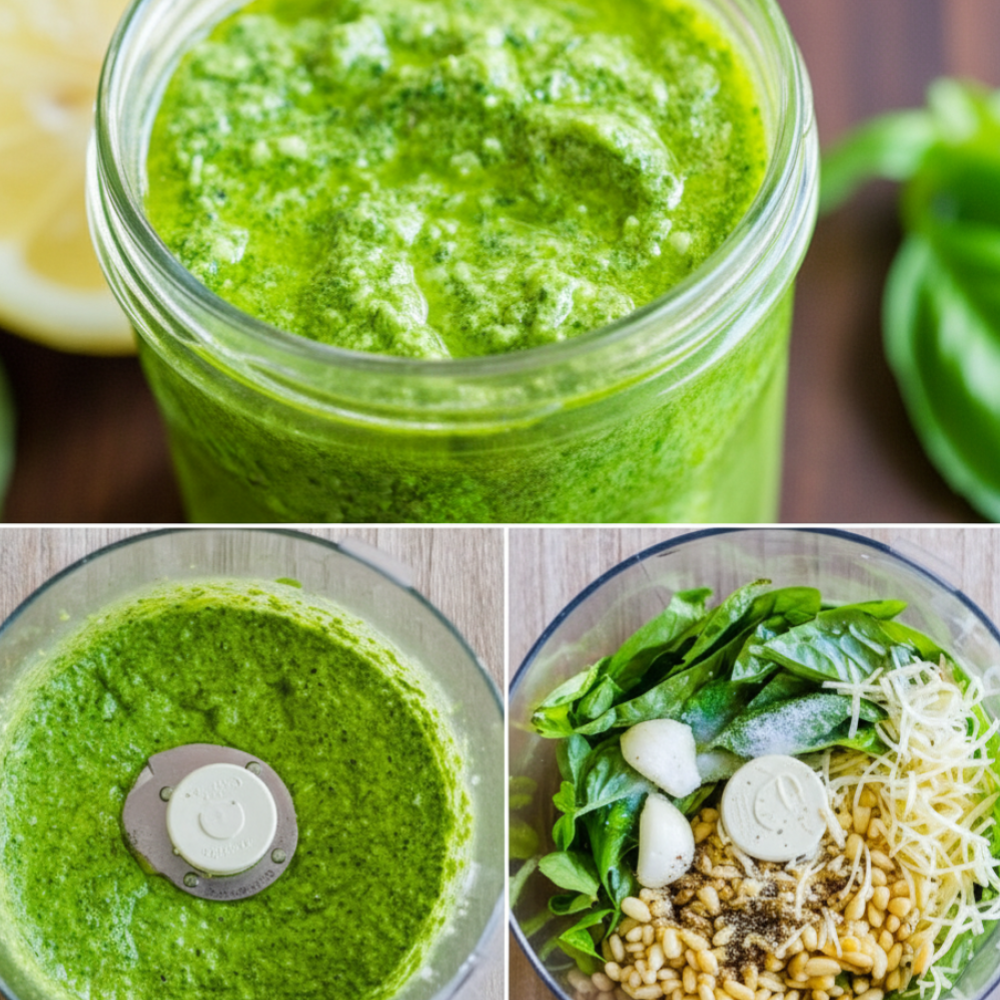
Crafting your own basil pesto from scratch is a deeply rewarding culinary experience. This vibrant, aromatic sauce elevates simple meals into something special, offering a depth of flavor unmatched by store-bought versions. Our goal is to guide you through creating a perfect batch of **homemade pesto sauce**, a true **classic Italian green sauce** that will quickly become a kitchen staple. Forget bland jarred options; this recipe for **Basil Pesto** promises freshness, zest, and an authentic taste.
## Why Make Your Own Green Sauce at Home?
Making this sauce from scratch yields a noticeably brighter, fresher flavor compared to store-bought jars. Many commercial pestos often rely on cheaper oils, less vibrant basil, and sometimes even artificial colors or flavor enhancers. By controlling the quality of the olive oil, cheese, and greens, you create a vastly superior product that serves as a versatile staple for any kitchen. A **traditional Genovese style** pesto emphasizes the purity of its few ingredients. When you prepare your own, you are ensuring the highest quality, resulting in a more intense aroma and a more complex taste profile. This hands-on approach allows for a truly personalized touch, delivering a **fresh basil dip** or **pasta sauce from scratch** that reflects your commitment to good food. The difference in taste and texture is substantial, making the effort entirely worthwhile.
## Key Ingredients You Will Need
Achieving the best **Basil Pesto** relies heavily on the quality and freshness of your chosen ingredients. Each component plays a crucial role in developing the sauce’s characteristic flavor and texture.
### Choosing the Best Herbs
Always select vibrant, unblemished basil leaves. The quality of your basil is paramount, as it forms the very foundation of the sauce’s flavor. Sweet varieties work best to avoid a bitter aftertaste. Look for basil that is deeply green, firm, and free from any dark spots or wilting. Freshness translates directly into the pesto’s overall aroma and taste, making this a critical first step for an outstanding **homemade pesto sauce**. Avoid any basil that smells musty or has a metallic odor, as these indicate older leaves.
### Pine Nuts vs. Walnuts
While traditional recipes use toasted pine nuts for their buttery texture, walnuts or almonds are excellent cost-effective alternatives. Pine nuts offer a delicate, slightly sweet, and creamy element that truly complements the basil and cheese. Toasted pine nuts also add a subtle nutty depth to the **pine nuts and parmesan sauce**. Ensure they are lightly toasted before use to enhance their flavor without making them bitter. Toasting them gently in a dry skillet over medium-low heat for a few minutes, stirring frequently, releases their aromatic oils.
### The Importance of Quality Olive Oil
Use a high-quality extra virgin olive oil for the best mouthfeel and flavor. The oil acts as the liquid backbone of your pesto, emulsifying the ingredients and contributing significantly to the final taste. A robust, fruity extra virgin olive oil will impart a pleasant peppery note and a smooth texture. Avoid using light or refined olive oils, as they lack the complex flavor needed for a truly authentic **Basil Pesto**. The oil should be cold-pressed and have a clear, bright color. Its quality directly impacts the richness and overall balance of your finished **classic Italian green sauce**.
## Step-by-Step Instructions
Creating this vibrant **garlic and lemon pesto** is straightforward, especially with a food processor. Follow these steps for a perfectly blended **food processor pesto recipe**.
* **Step 1:** Prepare your ingredients. Combine 2 cups packed fresh basil leaves, 1/3 cup toasted pine nuts, and 2 peeled garlic cloves in the bowl of your food processor. Ensure the garlic cloves are whole for initial pulsing.
* **Step 2:** Pulse the mixture until it is coarsely chopped. This initial pulsing helps to break down the firmer ingredients and garlic before adding the cheese and liquids. Scrape down the sides of the bowl if necessary to ensure even processing. The mixture should be chunky but beginning to form a paste.
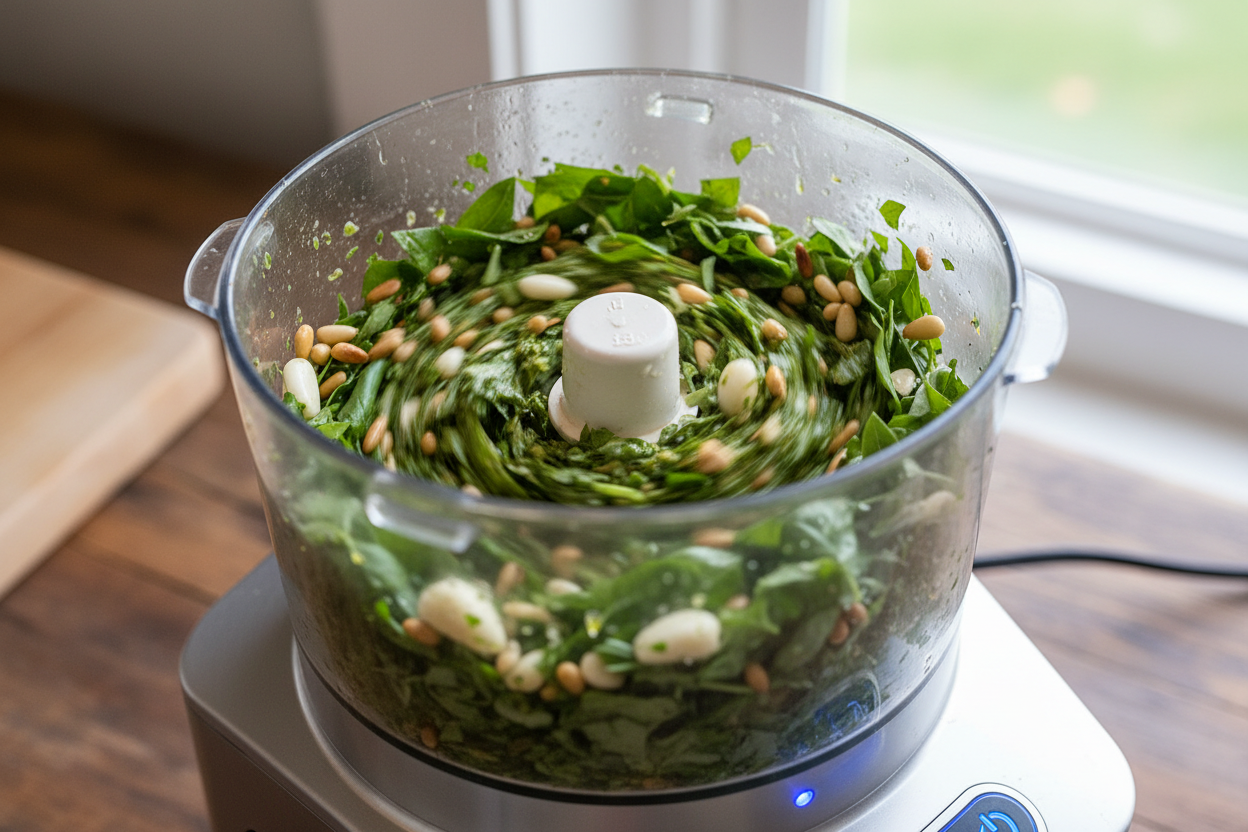
* **Step 3:** Add 1/2 cup freshly grated Parmesan cheese, 1 tbsp fresh lemon juice, 1/2 tsp salt, and 1/4 tsp black pepper to the food processor. Pulse briefly to combine these new additions. The lemon juice adds a bright, tangy note that cuts through the richness of the oil and cheese, enhancing the overall flavor profile of your **homemade pesto sauce**. Avoid over-processing at this stage.
* **Step 4:** Turn the food processor on and slowly drizzle 1/2 cup extra virgin olive oil through the feed tube until thoroughly combined and smooth. Drizzling the oil slowly allows it to emulsify properly with the other ingredients, creating a creamy and cohesive sauce. Continue processing until the pesto reaches your desired consistency; some prefer it slightly chunky, while others prefer a very smooth **classic Italian green sauce**.
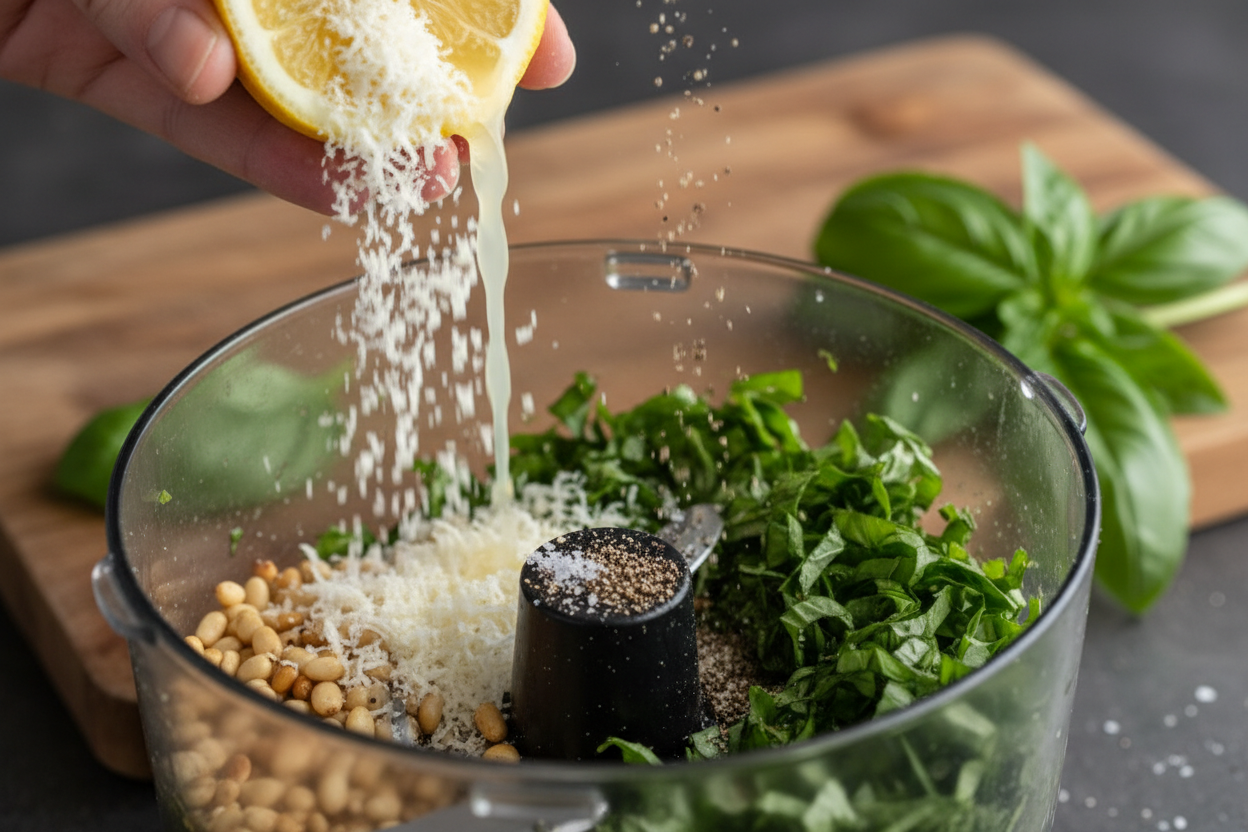
* **Step 5:** Taste the **Basil Pesto** and adjust seasoning if necessary. You might find it needs a tiny bit more salt or lemon juice depending on the freshness of your basil and the sharpness of your Parmesan. Serve immediately over pasta, grilled meats, or as a **fresh basil dip**. Alternatively, store it in an airtight container for later use.
## Pro Tips for Bright Green Color
Maintaining the vibrant green hue of your **homemade pesto sauce** is key to its visual appeal. Oxidation can quickly turn your beautiful green sauce into a dull, brownish color. Here are two effective techniques to preserve that fresh, bright green.
### The Ice Cube Trick
Dropping a small ice cube into the blender helps keep the temperature down during processing. The blades of a food processor generate friction and heat, which can cause the basil to oxidize rapidly, leading to discoloration. The cold from the ice cube counteracts this heat, preventing the basil from “cooking” and thus maintaining its chlorophyll and brilliant green color. This simple trick is especially useful for a **food processor pesto recipe** when aiming for long-lasting vibrancy.
### Blanching the Leaves (Optional)
For long-term vivid color, a quick 10-second blanch in boiling water followed immediately by an ice bath locks in the chlorophyll. This process denatures the enzymes that cause oxidation, effectively “setting” the green color. To do this, briefly plunge your 2 cups of fresh basil leaves into rapidly boiling water for just 10 seconds. Immediately transfer them with a slotted spoon to a bowl of ice water to stop the cooking process. Squeeze out excess water before adding them to your food processor. This method provides the most intense and stable green color for your **Basil Pesto**.
## How to Store and Freeze
Proper storage ensures your **classic Italian green sauce** remains fresh and flavorful for as long as possible. Given the effort involved in making a quality **homemade pesto sauce**, it is wise to store it correctly to prevent waste and maintain its vibrant taste.
### Refrigerator Storage
To store your **Basil Pesto** in the refrigerator, spoon it into an airtight jar or container. Pour a thin layer of extra virgin olive oil over the top of the pesto. This layer of oil acts as a barrier, blocking air exposure and preventing oxidation, which can cause the basil to turn brown. Ensure the pesto is fully covered by the oil. Stored this way, your **fresh basil dip** will remain fresh and flavorful for up to one week. Always use a clean spoon each time you retrieve pesto from the jar.
### Freezing in Cubes
For longer-term storage, freezing is an excellent option. Spoon the finished **homemade pesto sauce** into ice cube trays, filling each compartment. Freeze until solid, which typically takes a few hours. Once frozen, transfer the solid pesto cubes to a zip-top freezer bag or an airtight container. Label the bag or container with the date. Frozen **Basil Pesto** can be kept for up to 6 months, allowing you to enjoy the taste of summer basil year-round. When ready to use, simply pop out a few cubes and thaw them in the refrigerator or at room temperature.
## Delicious Ways to Use Your Sauce
The versatility of **Basil Pesto** extends far beyond traditional pasta dishes. Its bold, fresh flavor makes it a fantastic addition to a variety of meals, enhancing both taste and aroma. From a quick weeknight dinner to an elegant appetizer, this **classic Italian green sauce** offers endless culinary possibilities.
### Pasta Dishes
The most classic application for your **homemade pesto sauce** is tossing it into warm noodles. Cook your favorite **pasta** according to package directions. Before draining entirely, reserve about 1/2 cup of the starchy pasta water. Drain the pasta, then immediately transfer it to a large bowl. Add several spoonfuls of your **Basil Pesto** and a splash of the reserved pasta water. Toss thoroughly until the noodles are evenly coated in the rich, green sauce, creating a creamy and flavorful coating. This method ensures the pesto adheres beautifully to every strand.
### Sandwiches and Wraps
Spread your freshly made **fresh basil dip** on toasted ciabatta, crusty baguette, or your favorite bread for a simple yet impactful sandwich. It pairs wonderfully with sliced tomatoes, fresh **mozzarella**, grilled vegetables, or roasted beef. Alternatively, fold it into a wrap with some grilled chicken or chickpeas and mixed greens for a burst of flavor that brightens any lunch. The bright notes of the **garlic and lemon pesto** complement almost any filling.
### Marinades and Dressings
Whisk a generous amount of your **homemade pesto sauce** into a simple vinaigrette to create a more herbaceous and robust dressing for salads. The intensity of the basil and Parmesan adds a complex layer to everyday greens. You can also use this versatile sauce as a rub for grilled proteins such as **chicken**, fish, or beef. Apply it generously before cooking to infuse the meat with its aromatic flavors. This provides a wonderfully tender and flavorful exterior after grilling or roasting.
## Frequently Asked Questions
Understanding the nuances of **Basil Pesto** can help you tailor it to your preferences and troubleshoot common issues.
* **Can I make this without nuts?** While traditional basil pesto includes pine nuts for flavor and texture, some individuals choose to omit nuts entirely due to allergies, resulting in a different texture profile for the basil pesto. The sauce will still be delicious, but it may have a slightly less rich consistency.
* **What is the best dairy-free alternative to Parmesan?** Nutritional yeast is a common choice for a dairy-free flavor profile. It provides a savory, cheesy umami without any dairy. Some also use cashew-based Parmesan alternatives for a similar texture.
* **Why did my sauce turn bitter?** Several factors can contribute to a bitter **homemade pesto sauce**. Over-processing the basil can release bitter compounds. Using old or poor-quality basil leaves, excessive amounts of garlic, or low-quality extra virgin olive oil can also lead to bitterness. Ensure all ingredients are fresh and avoid over-blending.
Making your own **Basil Pesto** is a rewarding endeavor that brings unparalleled freshness and flavor to your kitchen. With these tips and the detailed **food processor pesto recipe**, you are well-equipped to create a stunning **classic Italian green sauce**. Enjoy the process and the delicious results.
Want more recipes, cooking tips, and behind-the-scenes glimpses? Follow our Facebook page for daily inspiration.
Authentic Homemade Pesto Sauce
Ingredients
- 2 cup Fresh basil leaves packed
- 1/3 cup Pine nuts lightly toasted
- 1/2 cup Parmesan cheese freshly grated
- 2 medium Garlic cloves peeled
- 1/2 cup Extra virgin olive oil high quality
- 1 tbsp Lemon juice freshly squeezed
- 1/2 tsp Salt or to taste
- 1/4 tsp Black pepper freshly ground
Instructions
- Combine 2 cups packed fresh leaves, 1/3 cup toasted pine nuts, and 2 peeled garlic cloves in a food processor.
- Pulse until the mixture is coarsely chopped.
- Add 1/2 cup freshly grated Parmesan cheese, 1 tbsp fresh lemon juice, 1/2 tsp salt, and 1/4 tsp black pepper. Pulse briefly to combine.
- Turn the food processor on and slowly drizzle 1/2 cup extra virgin olive oil through the feed tube until thoroughly combined and smooth.
- Taste and adjust seasoning if necessary. Serve immediately over pasta or store in an airtight container.
For more daily recipes and tips, follow us on Facebook!
Click here to join our community!