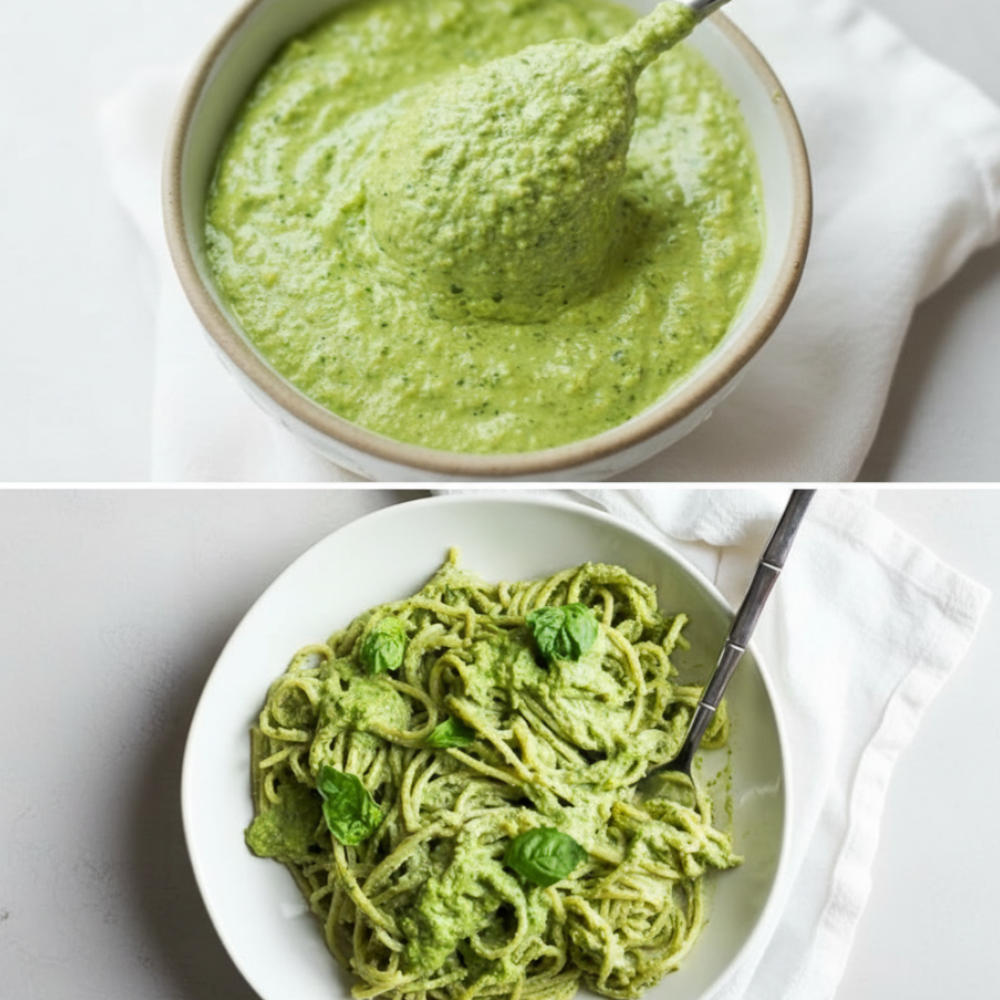
Crafting your own plant-based basil sauce at home offers unparalleled control over flavor and freshness. This ensures a vibrant taste profile that store-bought versions often lack. This guide focuses on creating an authentic, rich vegan pesto using wholesome ingredients, free from dairy and artificial additives. Understanding the role of each component transforms a simple process into a reliably delicious outcome every time. Our approach prioritizes quality and technique to deliver a versatile, flavorful condiment for various culinary applications.
Why Make Your Own Dairy-Free Pesto?
Making a homemade batch guarantees optimal freshness and allows you to control the exact flavor profile without artificial preservatives. Store-bought options often contain unwanted oils, thickeners, or hidden dairy. By preparing your own dairy-free basil sauce, you ensure a clean ingredient list and a product perfectly tailored to your palate. This homemade green sauce offers a burst of vibrant flavor, far superior to anything found on a shelf. It becomes a staple in your kitchen, providing a quick solution for enhancing meals with fresh, herbaceous notes. The satisfaction of creating such a foundational condiment from scratch is a significant part of its appeal. It allows for intentional eating, knowing exactly what ingredients are fueling your body.
The 5 Essential Ingredients.
Achieving the perfect vegan pesto relies on the quality and balance of just a few key components. For this recipe, you will need 2 cups of fresh basil leaves. Always select bright green, unblemished leaves for the best flavor. Next, gather 1/3 cup of toasted pine nuts. Toasting brings out their subtle sweetness and nutty depth, a crucial step for a rich pesto. Incorporate 1/4 cup of nutritional yeast to impart a savory, cheesy essence without any dairy. This ingredient is central to achieving a satisfying umami in a nutritional yeast pesto. You will also need 2 cloves of garlic. Fresh garlic provides a pungent kick that balances the basil’s sweetness. Finally, have ready 1/2 cup of extra virgin olive oil. A good quality olive oil is essential; it emulsifies the ingredients and carries the flavors throughout the sauce. Each ingredient plays a specific role in creating the robust flavor and smooth texture characteristic of this classic sauce.
Step-by-Step Instructions for the Perfect Blend.
The process for making this plant-based pesto is straightforward, relying on the efficiency of a food processor. Precision in each step ensures a harmonious blend of flavors and a desirable consistency.
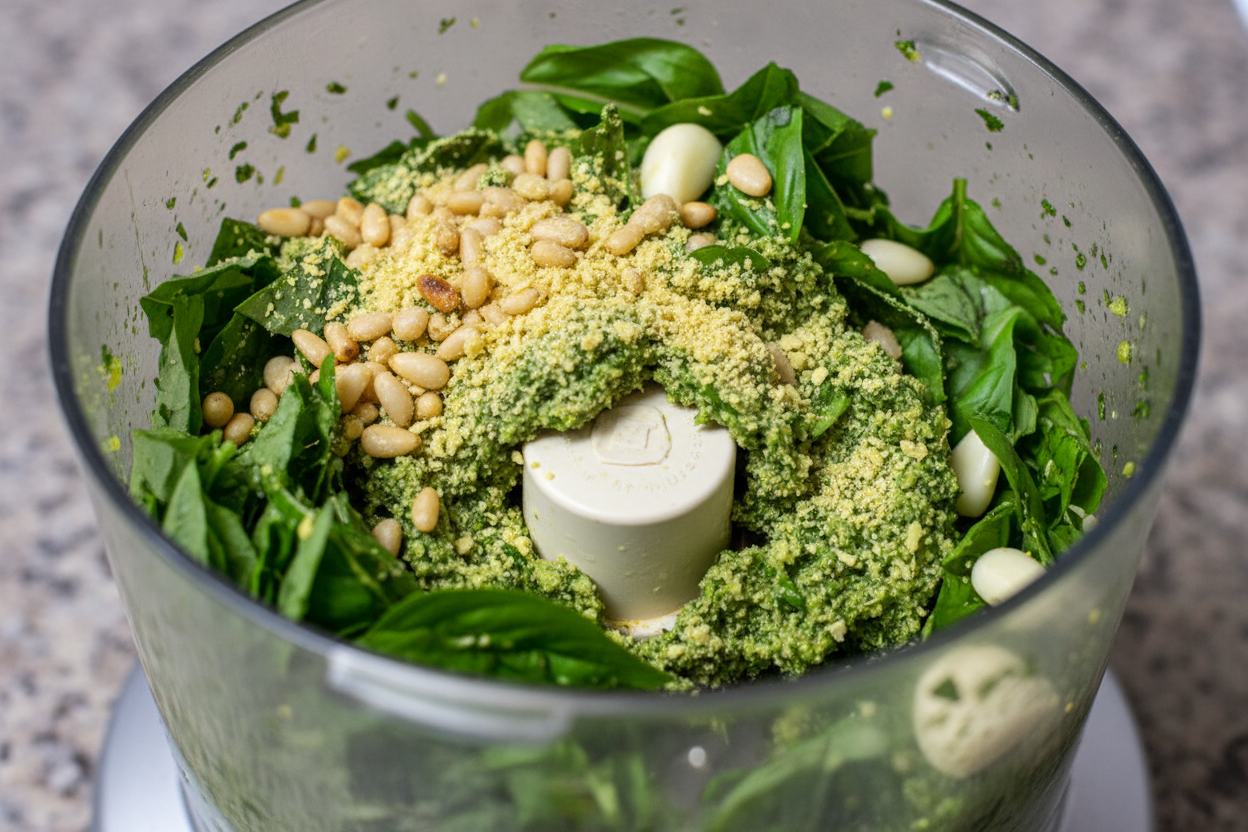
1. First, combine the solid ingredients in the bowl of your food processor. Add the 2 cups of fresh basil leaves, the 1/3 cup of toasted pine nuts, the 1/4 cup of nutritional yeast, and the 2 cloves of garlic. Ensure all ingredients are nestled around the blade for even processing.
2. Pulse these ingredients in short bursts. Continue pulsing until they are uniformly coarsely chopped. The mixture should still have some texture, not yet a paste. This initial pulsing helps to break down the firmer ingredients before the oil is introduced. Avoid over-processing at this stage; a rustic texture is ideal.
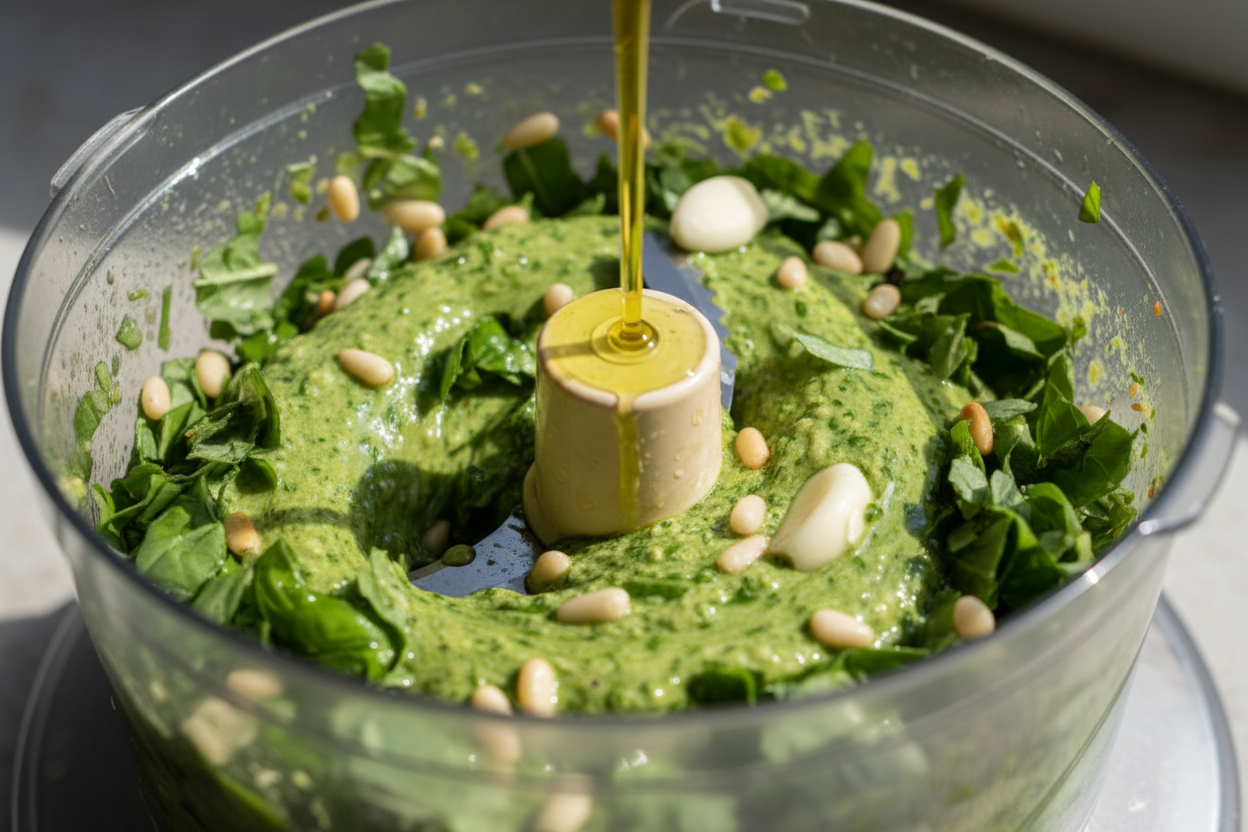
3. Next, with the food processor running continuously, slowly stream in the 1/2 cup of extra virgin olive oil through the feed tube. Add the oil gradually, allowing it to incorporate fully into the basil mixture. This slow addition is critical for emulsification, creating a smooth and creamy texture.
4. Continue processing until the sauce is completely emulsified and smooth. Stop the machine once the pesto reaches your desired consistency. Some prefer a slightly chunkier pesto, while others aim for a perfectly uniform sauce. Taste and adjust seasonings if necessary, though the included ingredients typically provide ample flavor.
5. Scrape down the sides of the bowl with a spatula periodically to ensure all ingredients are evenly incorporated. The final product should be a vibrant green, thick, and aromatic homemade green sauce, ready for immediate use.
Customization and Substitutions.
The beauty of vegan pesto lies in its adaptability. While pine nuts offer a traditional flavor, they can be easily swapped for other nuts or seeds if you have dietary restrictions or simply prefer a different profile. You can substitute the pine nuts for walnuts, almonds, or even sunflower seeds. Walnuts provide a slightly more bitter, earthy note, which pairs well with robust pasta dishes. Almonds offer a milder, creamier texture when blended. For a nut-free option, sunflower seeds work exceptionally well, delivering a rich, satisfying texture and taste. Toasting any of these substitutes before adding them to the food processor will enhance their flavor significantly. This flexibility allows for a personalized plant-based pesto that meets diverse dietary needs and taste preferences without compromising on quality or flavor. Experimenting with these options can lead to exciting new variations of your favorite dairy-free basil sauce.
How to Store and Freeze.
Proper storage ensures your homemade green sauce remains fresh and flavorful for an extended period. Store your freshly made vegan pesto in an airtight container in the refrigerator for up to five days. To prevent oxidation and maintain its vibrant green color, pour a thin layer of extra virgin olive oil over the top of the pesto before sealing the container. This creates a barrier, preserving its freshness.
For longer storage, freezing is an excellent option. Pour the pesto into ice cube trays. Once frozen solid, transfer the pesto cubes to a freezer-safe bag or container. This method allows for beautiful, individual portions ready for your next meal. Frozen pesto cubes can be stored for up to three months. When ready to use, simply thaw the desired number of cubes in the refrigerator or add them directly to warm pasta or sauces. This convenient storage method makes it easy to always have fresh-sounding plant-based basil sauce on hand, even when fresh basil is out of season.
Serving Suggestions.
The versatility of vegan pesto makes it an indispensable addition to any kitchen. Its vibrant flavor enhances a wide array of dishes, transforming simple meals into something special. Stir it into freshly cooked pasta for a quick and satisfying meal. This creates a delicious vegan pasta sauce that coats every noodle with herbaceous goodness. Spread generously on a pizza crust as a flavorful base instead of traditional tomato sauce. Top with your favorite vegetables and plant-based cheese for a unique pizza experience.
Beyond pasta and pizza, this dairy-free basil sauce serves as an excellent condiment. Use it as a savory dip alongside raw vegetables like carrot sticks, cucumber slices, or bell pepper strips. It also makes a fantastic spread for sandwiches or wraps, adding a burst of flavor to everyday lunches. Drizzle it over roasted vegetables, grilled plant-based proteins, or even into soups for an extra layer of taste. For those exploring new applications, consider incorporating it into salad dressings or as a marinade. Its fresh, aromatic profile makes it suitable for countless fresh basil recipes, elevating even the simplest ingredients.
This homemade plant-based pesto brings incredible flavor and adaptability to your table. Its simple preparation belies its powerful culinary impact.
Find more delicious plant-based recipes and culinary inspiration by following our community. Join us for daily tips, new recipe alerts, and engaging discussions. Follow our Facebook page today.
Simple Dairy-Free Basil Pesto
Ingredients
- 2 cups Fresh basil leaves lightly packed
- 1/3 cup Pine nuts toasted
- 1/4 cup Nutritional yeast adds a cheesy flavor
- 2 cloves Garlic cloves peeled
- 1/2 cup Extra virgin olive oil use a high quality brand for best flavor
Instructions
- Add the fresh basil leaves, toasted pine nuts, nutritional yeast, and peeled garlic cloves to the bowl of a food processor.
- Pulse the dry mixture 5 to 7 times until the ingredients are coarsely chopped and well combined.
- Turn the food processor on a continuous low speed. Slowly drizzle the extra virgin olive oil through the feed tube until the sauce is completely smooth and emulsified. Scrape down the sides of the bowl with a rubber spatula if needed.
- Taste the mixture and season with a pinch of salt if desired. Immediately toss with cooked pasta, spread onto a pizza crust, or transfer to a bowl to serve as a dip.
For more daily recipes and tips, follow us on Facebook!
Click here to join our community!