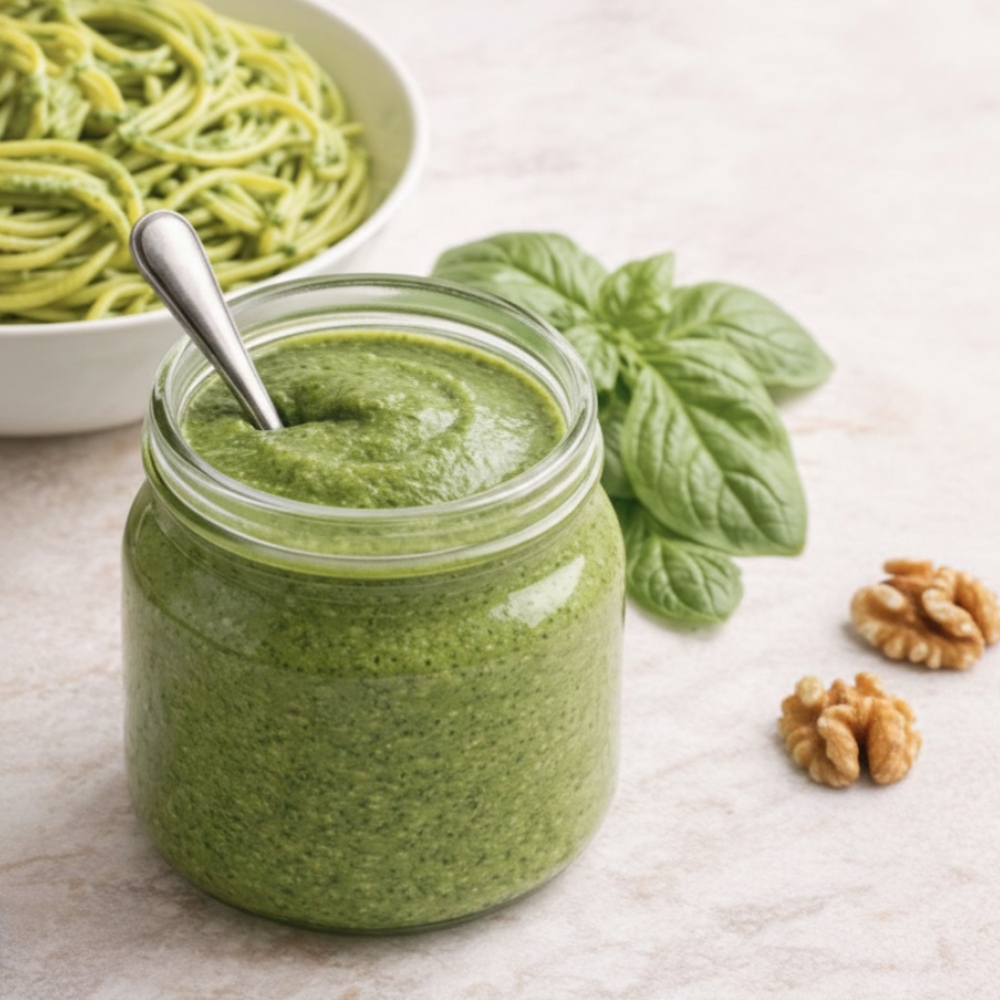
Pesto pasta stands as a testament to the idea that some of the most satisfying Italian pasta dishes are also the simplest to prepare. This basil walnut noodle dish offers a fresh, vibrant, and utterly delicious meal perfect for any night of the week, especially when you need a quick, vegetarian dinner idea. Our homemade basil sauce, made with robust walnuts instead of traditional pine nuts, delivers a rich, earthy flavor profile that pairs beautifully with al dente spaghetti. It is a dish that proves culinary excellence does not require hours in the kitchen, but rather quality ingredients and straightforward technique.
The beauty of this particular pesto pasta lies in its balance. The pungent garlic and fresh basil cut through the richness of the olive oil and Parmesan, while the walnuts provide a subtle, satisfying texture that elevates each bite. It is a meal that appeals to a wide range of palates, offering both comfort and sophistication without any fuss. This recipe focuses on creating a memorable experience with minimal effort, making it an essential addition to your weekly rotation.
### Ingredient Breakdown: Crafting Your Vibrant Pesto Pasta
To create this delightful dish, precision with ingredients ensures the best outcome. Every component plays a crucial role in developing the complex yet harmonious flavors of our pesto.
- 16 oz Spaghetti: The foundation of our dish. Long strands of spaghetti are ideal for clinging to the rich, green sauce.
- 2 cups Fresh Basil: The heart of any basil pesto. Use bright green, unblemished leaves for the most intense flavor and vibrant color.
- 1/2 cup Walnuts: These provide a wonderful, earthy counterpoint to the basil and a creamy texture when blended. They are a fantastic, accessible alternative to pine nuts.
- 1/2 cup Parmesan: Freshly grated Parmesan cheese melts seamlessly into the sauce, adding a salty, umami depth.
- 1/2 cup Olive Oil: High-quality extra virgin olive oil is non-negotiable. It emulsifies the sauce, provides a silky texture, and contributes to the overall flavor.
- 2 cloves Garlic: Fresh garlic is essential. It adds a pungent kick that brightens the entire sauce.
- 1/2 tsp Salt: A fundamental seasoning that enhances all the other flavors. Adjust to taste, especially after incorporating the Parmesan.
### Step-by-Step Instructions: Assembling Your Quick Pesto Pasta
Creating this quick and easy pesto pasta is a two-part process: cooking the spaghetti and blending the homemade basil sauce. The key is to time these steps so that your al dente spaghetti is ready just as your vibrant green sauce is prepared.
- Boil 16 oz spaghetti until al dente.
Begin by bringing a large pot of heavily salted water to a rolling boil. For 16 ounces of spaghetti, you will need at least 4-5 quarts of water to ensure the pasta cooks evenly. Add the spaghetti to the boiling water, stirring occasionally to prevent sticking. Cook according to package directions, typically for 8-10 minutes, until the pasta is *al dente* — firm to the bite but still pliable. Before draining, reserve about 1 cup of the starchy pasta water. This water is invaluable for adjusting the sauce’s consistency later.
- Blend 2 cups basil, 1/2 cup walnuts, 1/2 cup Parmesan, 2 garlic cloves, and 1/2 tsp salt.
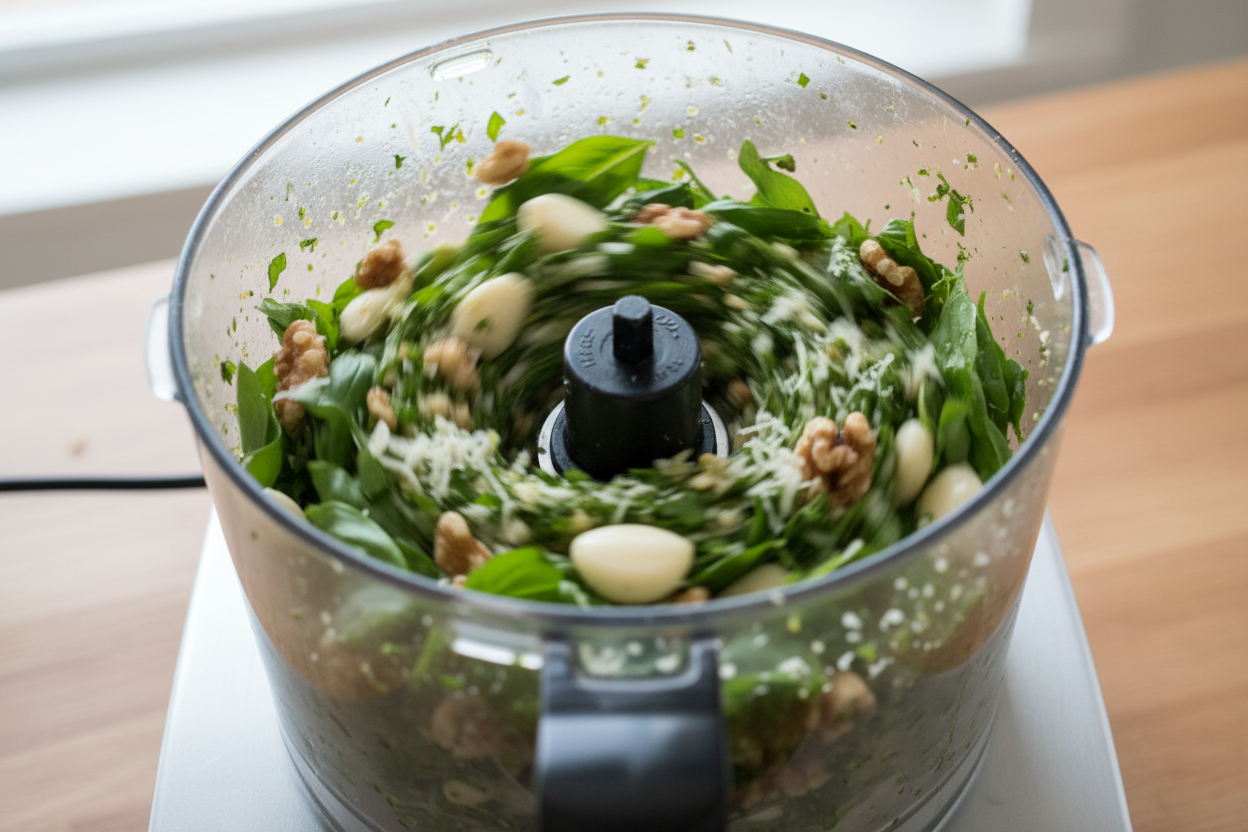
While the spaghetti cooks, prepare your basil walnut noodle dish sauce. In the bowl of a food processor, combine 2 cups of fresh basil leaves, 1/2 cup of walnuts, 1/2 cup of freshly grated Parmesan cheese, 2 peeled garlic cloves, and 1/2 teaspoon of salt. Pulse these ingredients several times until they are finely chopped and just starting to come together. Scrape down the sides of the bowl as needed to ensure everything is evenly processed. The mixture should begin to form a coarse, textured paste.
- Drizzle 1/2 cup olive oil.
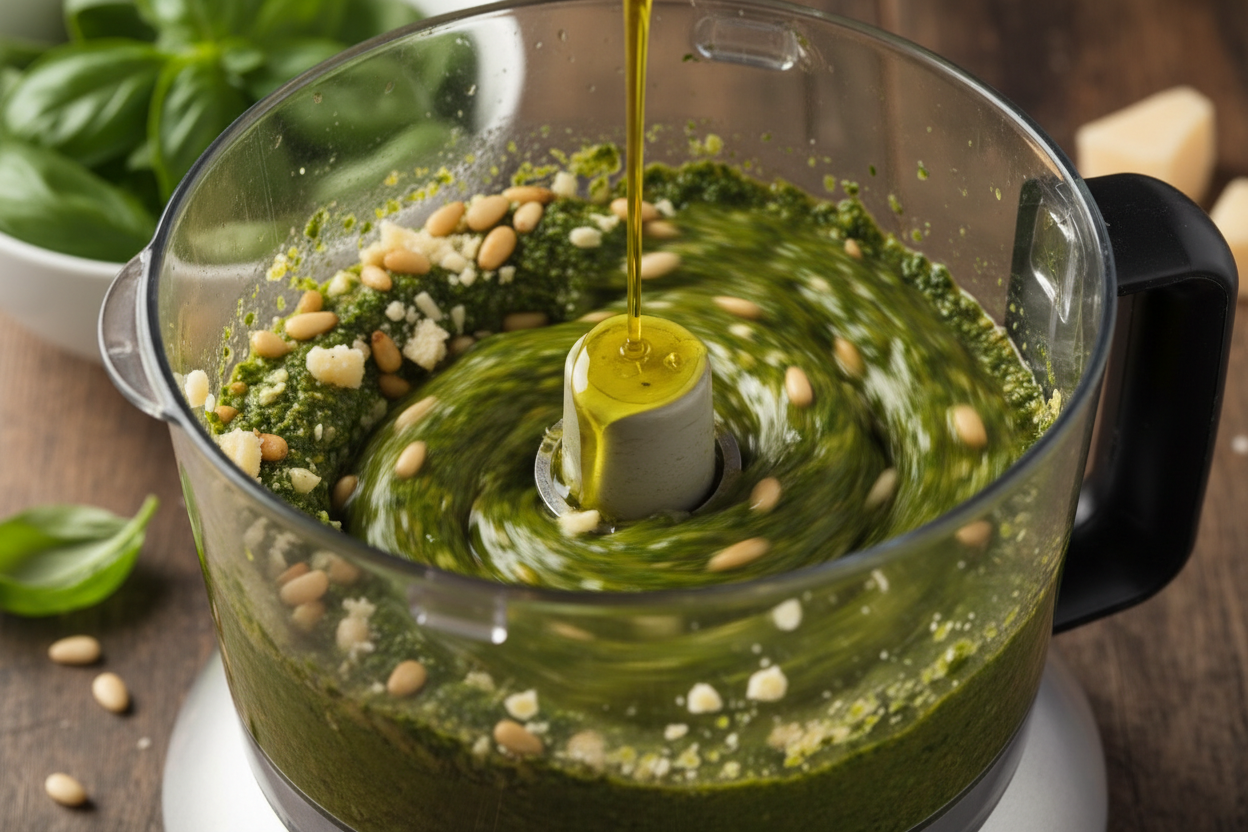
With the food processor running on low, slowly drizzle in 1/2 cup of high-quality olive oil through the feed tube. Continue to process until the green sauce is smooth and creamy. You may need to stop and scrape down the sides one more time to ensure all ingredients are fully incorporated. The consistency should be thick but pourable. If it appears too thick, you can add a tablespoon or two of the reserved pasta water to achieve your desired texture.
- Toss the green sauce spaghetti together.
Drain the al dente spaghetti thoroughly. Immediately transfer the hot spaghetti to a large mixing bowl or back into the pot it cooked in. Add the freshly blended homemade basil sauce to the spaghetti. Using tongs, gently toss the pasta with the sauce until every strand is evenly coated. The warmth from the pasta will help the sauce adhere and infuse the flavors. If the sauce seems too thick or dry, gradually add a little of the reserved pasta water, one tablespoon at a time, until the desired consistency is reached. Serve immediately.
### Pro Tips: Preserving the Bright Green Color
Maintaining the vibrant green hue of your pesto is a common desire, and there are a few simple tricks a chef uses to achieve this. Oxidation is the enemy of bright green basil.
“The freshness of your basil is paramount for color and flavor. Blanching briefly and chilling rapidly can lock in that intense green, but swift blending and immediate serving are just as crucial.”
- Work Quickly: Basil oxidizes rapidly once exposed to air and bruised. Process your pesto ingredients swiftly to minimize exposure.
- Use Ice Water: If you are particularly concerned about color, you can briefly blanch the basil leaves in boiling water for 15-30 seconds, then immediately plunge them into an ice bath. This shocks the basil, setting its vibrant color. Drain and pat dry thoroughly before blending. This step is optional but effective.
- High-Quality Olive Oil: A good extra virgin olive oil not only tastes better but also helps to emulsify the sauce more smoothly, which can contribute to a more even color distribution.
- Serve Immediately: Pesto is at its peak freshness and brightest color when served right after preparation. While it can be stored, its color will naturally deepen over time.
### Variations: Exploring Textures and Serving Ideas
While the core recipe for this basil walnut noodle dish is perfect as is, slight adjustments can offer new experiences using the ingredients already at hand or simple serving modifications.
- Toasted Walnuts: For an intensified nutty flavor, lightly toast the 1/2 cup of walnuts in a dry skillet over medium-low heat for 3-5 minutes, or until fragrant, before adding them to the food processor. This deepens their earthy notes.
- Different Pasta Shapes: Although 16 oz spaghetti is classic, this homemade basil sauce pairs wonderfully with other pasta shapes. Consider using fusilli, penne, or farfalle for a different mouthfeel, allowing the thick green sauce to cling to various nooks and crannies.
- Garnish with Freshness: A final sprinkle of fresh Parmesan cheese or a few additional whole walnuts (from the initial 1/2 cup) can add an extra layer of texture and visual appeal to the finished dish. A light drizzle of additional olive oil just before serving also enhances the richness.
- Pesto Spread: This vibrant green sauce is not limited to pasta. Use it as a flavorful spread for crusty bread, a base for vegetarian sandwiches, or even dolloped onto roasted vegetables for an extra burst of flavor.
### FAQ
Below are answers to common questions about preparing and enjoying this quick and easy pesto pasta.
- Can I make the pesto ahead of time?
Yes, you can prepare the homemade basil sauce a day or two in advance. Store it in an airtight container in the refrigerator. To minimize oxidation and preserve its bright green color, pour a thin layer of olive oil over the surface of the pesto before sealing the container. Stir this oil in before tossing with pasta.
- Why use walnuts instead of traditional pine nuts?
Walnuts offer a distinct, earthy flavor and a slightly richer texture. They are also often more readily available and more cost-effective than pine nuts. Their robust character complements the strong flavor of fresh basil exceptionally well, creating a unique basil walnut noodle dish.
- How can I ensure my spaghetti is truly *al dente*?
The best way to achieve *al dente* spaghetti is to follow the cooking time recommended on the pasta package and start tasting a minute or two before the suggested time. The pasta should be cooked through but still have a slight bite and firmness in the center. Avoid overcooking, as soggy pasta will diminish the dish’s overall texture.
- Is this dish suitable as a main course for a vegetarian dinner idea?
Absolutely. With 2 cups of fresh basil, 1/2 cup of walnuts, and 1/2 cup of Parmesan, this pesto pasta is rich in flavor and satisfying. It provides a complete and delicious vegetarian dinner idea on its own, especially when served in generous portions. Its simplicity allows the quality of each ingredient to shine.
- What can I do with leftover pesto?
Leftover green sauce can be stored in the refrigerator for up to 5 days, or frozen for several months. When freezing, portion it into ice cube trays, then transfer the frozen cubes to a freezer-safe bag. Thaw as needed for future Italian pasta dishes, spreads, or flavor boosts for other meals.
This pesto pasta recipe offers a straightforward path to a truly satisfying meal. Its vibrant flavors and comforting texture make it a staple in any kitchen. Embrace the simplicity and enjoy a dish that delivers on taste every time.
For more quick and easy recipes, delicious dinner ideas, and behind-the-scenes glimpses into our culinary adventures, be sure to follow our community. You can find us at our official Facebook page.
Follow our Facebook page for daily recipe inspiration.
Basil and Walnut Spaghetti
Ingredients
- 16 oz Spaghetti dry
- 2 cups Fresh Basil packed
- 0.5 cup Walnuts toasted
- 0.5 cup Parmesan Cheese grated
- 0.5 cup Extra Virgin Olive Oil high quality
- 2 cloves Garlic peeled
- 0.5 tsp Salt to taste
Instructions
- Boil a large pot of salted water and cook 16 oz of spaghetti until al dente. Reserve 0.5 cup of pasta water before draining.
- In a food processor, combine 2 cups fresh basil, 0.5 cup toasted walnuts, 0.5 cup grated Parmesan, 2 garlic cloves, and 0.5 tsp salt. Pulse until finely chopped.
- While the processor is running, slowly drizzle in 0.5 cup of extra virgin olive oil until a smooth green sauce forms.
- Toss the cooked spaghetti with the blended sauce, adding splashes of the reserved pasta water to reach your desired consistency. Serve immediately.
For more daily recipes and tips, follow us on Facebook!
Click here to join our community!