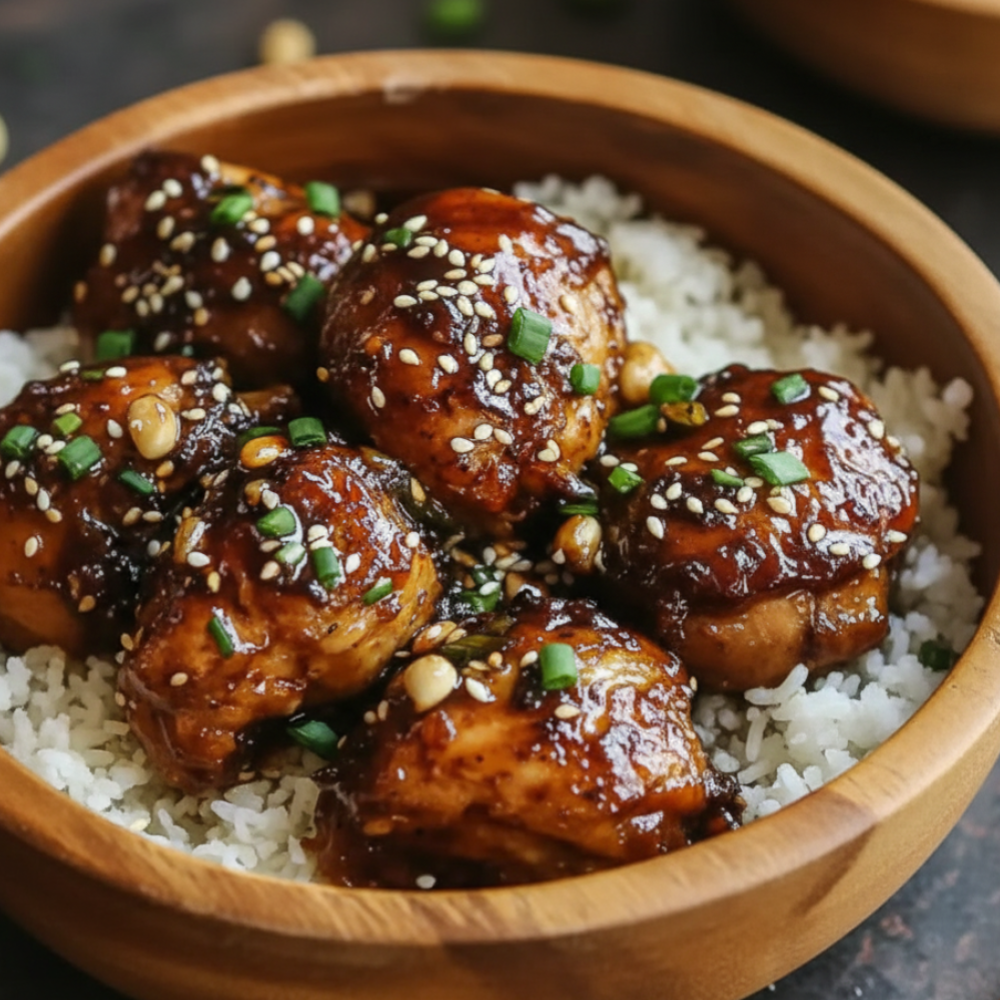
Introduction to Authentic Filipino Chicken Adobo
There are dishes that simply taste like home, and for many, Authentic Filipino Chicken Adobo is at the very top of that list. It’s more than just a meal; it’s a culinary hug, a fragrant memory, and a staple that graces tables across the globe. This iconic dish, known for its distinct savory and tangy profile, embodies the heart of Filipino cooking.
What is Chicken Adobo?
At its core, chicken adobo is a beloved Filipino comfort food, celebrated for its rich, aromatic sauce made primarily from soy sauce and vinegar. This humble yet profoundly flavorful stew features meat (in our case, succulent chicken) braised slowly until tender, absorbing every nuance of the distinctive adobo sauce recipe. It’s a dish that beautifully marries simplicity with depth, creating an irresistible experience with every bite.
The History Behind the National Dish of the Philippines
Adobo’s roots run deep in Filipino history, long before the Spanish arrived. Indigenous Filipinos already had a cooking method involving vinegar and salt to preserve food in a tropical climate. When the Spanish colonizers encountered this technique, they called it “adobar,” which means “to marinade” in Spanish, hence the name “adobo.” Over centuries, this preservation method evolved into the flavorful stew we know and love today, cementing its status as the national dish of the Philippines. While countless variations exist across the archipelago, the core elements of sour and savory remain constant, telling a story of resilience and culinary ingenuity.
Key Ingredients for the Perfect Adobo
Crafting the perfect adobo begins with selecting the right components. Each ingredient plays a vital role in achieving that complex balance of flavors that makes this dish so extraordinary.
The Meat: Why Bone-In Chicken Thighs Are Best
For the most tender, juicy, and flavorful chicken adobo, bone-in chicken thighs are the undisputed champion. The bone itself imparts additional flavor to the sauce, while the higher fat content of the thighs keeps the meat moist and prevents it from drying out during the long simmering process. Skin-on is also preferable, as the rendered fat adds richness and contributes to that beautiful glossy finish.
The Marinade: Soy Sauce, Vinegar, and Garlic
This trio forms the backbone of the adobo’s signature taste. We’re talking about a generous amount of soy sauce and vinegar marinade. For an authentic taste, seek out Filipino or Asian soy sauce, which typically has a robust flavor. The vinegar is crucial; traditional adobo often uses cane vinegar, known for its milder, slightly sweet acidity compared to white distilled vinegar. Plenty of crushed or minced garlic is essential, infusing the marinade with its pungent, aromatic notes.
The Aromatics: Bay Leaves and Peppercorns
These seemingly small additions contribute immensely to the overall complexity of the adobo sauce recipe. Bay leaves lend a subtle, herbaceous aroma that deepens the savory profile. As for pepper, whole black peppercorns are non-negotiable. Their gradual release of peppery warmth provides a gentle heat and fragrant depth that ground the tangy and salty elements.
Step-by-Step Guide to Cooking Adobo
Cooking adobo is a delightful experience, requiring a bit of patience but promising incredible rewards. Follow these steps to achieve a truly memorable dish.
Marinating the Chicken
- In a large bowl, combine your bone-in chicken thighs with soy sauce, cane vinegar, plenty of minced garlic, whole black peppercorns, and bay leaves.
- Mix everything well, ensuring the chicken is thoroughly coated in the marinade.
- Cover the bowl and refrigerate for at least 30 minutes, or ideally for 2-4 hours, to allow the flavors to penetrate the chicken deeply. Some even prefer to marinate overnight for maximum flavor.
Searing for Maximum Flavor
- Once marinated, remove the chicken from the fridge and let it come to room temperature for about 15-20 minutes.
- In a large pot or Dutch oven, heat a tablespoon of cooking oil over medium-high heat.
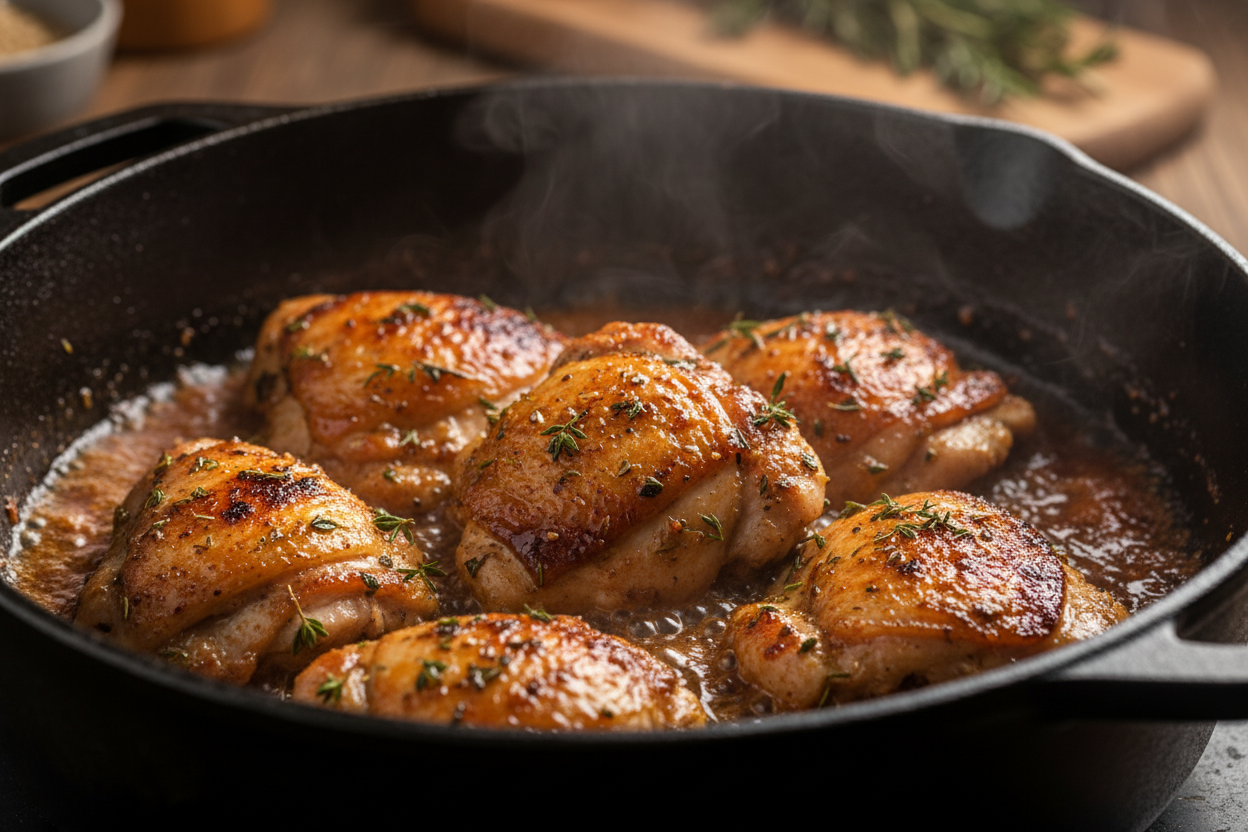
- Carefully place the chicken pieces, skin-side down first, into the hot oil. Sear the chicken until beautifully browned on all sides. This step is crucial for developing deep, savory flavors and a slightly crisp skin. Do this in batches if necessary to avoid overcrowding the pan.
- Remove the seared chicken from the pot and set aside.
Simmering to Perfection
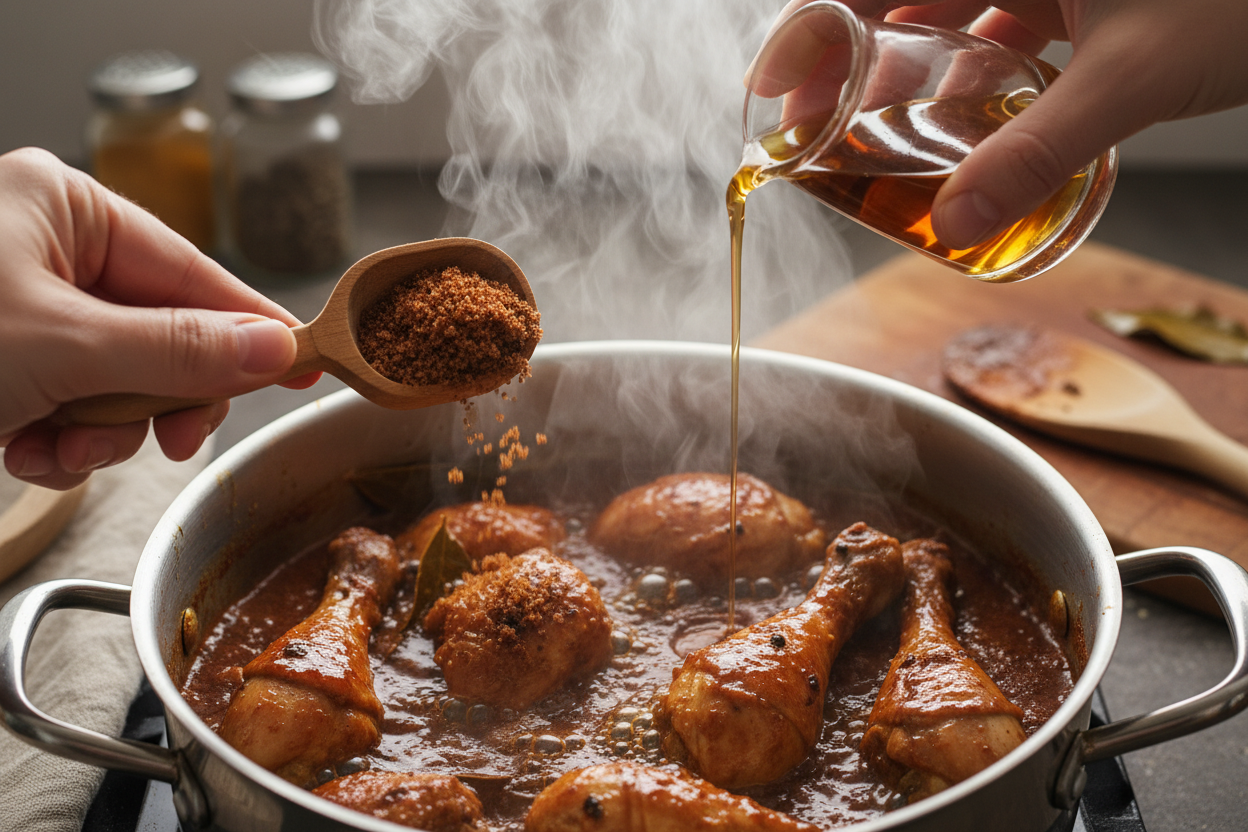
- Pour the remaining marinade into the pot, scraping up any browned bits from the bottom of the pan – these are packed with flavor!
- Bring the marinade to a gentle simmer.
- Return the seared chicken pieces to the pot, nestling them into the simmering sauce. Add a splash of water or chicken broth if the liquid isn’t quite covering the chicken halfway.
- Bring to a boil, then immediately reduce the heat to low, cover the pot, and let it simmer for 30-40 minutes, or until the chicken is fork-tender.
- After simmering, remove the lid and increase the heat slightly. Allow the sauce to reduce and thicken, occasionally spooning the rich adobo sauce over the chicken, until it reaches your desired consistency – a beautiful, glistening glaze.
- Taste and adjust seasoning if needed. Some like to add a pinch of sugar to balance the tanginess, or a touch more soy sauce for saltiness.
Pro Tips for the Best Chicken Adobo
Elevate your adobo game with these essential tips that Filipino home cooks swear by.
Balancing the Salty, Tangy, and Sweet
The hallmark of a great adobo is its impeccable balance. While soy sauce brings saltiness and vinegar provides the tang, a touch of sweetness can round out the flavors beautifully. A teaspoon of brown sugar added towards the end of simmering can mellow the acidity and create a more complex profile. Always taste and adjust; your palate is the ultimate guide.
Achieving the Perfect Glaze
That coveted glossy, slightly sticky sauce is what makes adobo truly irresistible. To achieve this, don’t rush the reduction phase. Once the chicken is tender, remove the lid and let the sauce gently simmer down. As it reduces, the fat from the chicken will render, emulsifying with the soy sauce and vinegar to create that rich, glistening adobo sauce recipe. Spoon the sauce over the chicken often during this stage.
The Golden Rule: Do Not Stir the Vinegar
This is perhaps the most important tip for any adobo novice. Once you add the vinegar, resist the urge to stir the pot for at least 5-7 minutes. Stirring too early can cause the vinegar to evaporate too quickly, resulting in a raw, harsh, or overly sour taste. Allowing it to simmer undisturbed lets the vinegar mellow and integrate properly into the sauce, achieving that smooth, balanced tang.
Variations of Filipino Adobo
Adobo is incredibly versatile, adapting to various ingredients and regional preferences. While chicken is popular, other meats and additions make for delightful variations.
Adobo with Potatoes and Boiled Eggs
A common and delicious addition to chicken adobo is potatoes. Cubed potatoes can be added during the last 15-20 minutes of simmering, allowing them to soak up the savory adobo sauce and become wonderfully tender. Hard-boiled eggs, peeled and added during the final reduction, also absorb the sauce beautifully, providing another textural and flavorful dimension to this beloved Filipino comfort food.
Beef Adobo vs. Chicken Adobo
While chicken adobo is widely celebrated, adobo can also be made with other meats, and beef adobo is another fantastic version. Beef adobo typically uses cuts like beef short ribs or chuck, requiring a longer simmering time to become fork-tender. The beef lends a deeper, richer flavor to the sauce, creating a heartier dish. The principles of the soy sauce and vinegar marinade remain the same, but the cooking duration is adjusted for the different meat’s tenderness. Both versions share the iconic adobo taste but offer distinct culinary experiences.
What to Serve with Filipino Chicken Adobo
Adobo is rarely eaten alone. Its rich flavors practically beg for a complementary accompaniment to soak up every drop of that incredible sauce.
Steamed White Rice
This is the classic pairing, and for good reason. Fluffy, hot steamed white rice is the perfect canvas for the bold and complex flavors of adobo. Each grain absorbs the savory, tangy, and slightly sweet sauce, creating a harmonious bite that’s deeply satisfying. Don’t be shy about pouring extra sauce over your rice!
Garlic Fried Rice (Sinangag)
For an even more indulgent experience, serve your adobo with garlic fried rice, known as Sinangag in the Philippines. This flavorful rice, typically made with leftover day-old rice, plenty of minced garlic, and a pinch of salt, adds another layer of aroma and texture. The fragrant garlic complements the adobo sauce beautifully, elevating your meal to an extraordinary level of Filipino comfort.
Frequently Asked Questions
Curious about making adobo even easier or ahead of time? Here are some common questions.
Can I Make Adobo Ahead of Time?
Absolutely! Adobo is one of those magical dishes that often tastes even better the next day. The flavors meld and deepen as it sits, making it an excellent choice for meal prepping or entertaining. Simply cook as directed, allow it to cool, and then refrigerate.
How Long Does Chicken Adobo Last in the Fridge?
Properly stored in an airtight container, chicken adobo can last in the refrigerator for 3-4 days. Because of its vinegar content, it has a slightly longer shelf life than some other dishes. Reheat gently on the stovetop or in the microwave, adding a splash of water if the sauce has become too thick.
Can I Use Chicken Breast Instead of Thighs?
While bone-in chicken thighs are highly recommended for their flavor and moisture, you can certainly use chicken breast. If opting for breast meat, consider cutting it into smaller pieces to ensure even cooking and to prevent it from drying out. Reduce the simmering time slightly, as chicken breast cooks faster, and be careful not to overcook it.
Conclusion
There you have it – the secrets to crafting a truly unforgettable batch of Authentic Filipino Chicken Adobo. From understanding its rich history to mastering the delicate balance of its key ingredients, this guide empowers you to bring a piece of Filipino culinary heritage into your own kitchen. Whether you’re making it for a weeknight dinner or a special gathering, this dish promises warmth, flavor, and a genuine taste of home.
Don’t miss out on more delicious recipes and culinary adventures! Follow us on Facebook for daily inspiration and cooking tips:
https://www.facebook.com/profile.php?id=61568538666337
Authentic Filipino Chicken Adobo
Ingredients
- 2 lbs bone-in skin-on chicken thighs cut into pieces
- 1/2 cup soy sauce
- 1/2 cup cane vinegar white vinegar or apple cider vinegar can be substituted
- 1 head garlic peeled and crushed
- 1 tsp whole black peppercorns
- 3 whole dried bay leaves
- 1 tbsp brown sugar
- 1 tbsp cooking oil canola or vegetable oil
- 1 cup water
Instructions
- Combine chicken pieces, soy sauce, crushed garlic, whole peppercorns, and bay leaves in a large bowl. Mix well, cover, and marinate for at least 30 minutes, or overnight in the refrigerator for best results.
- Heat the cooking oil in a large pot or Dutch oven over medium-high heat. Remove the chicken from the marinade, reserving the liquid for later use.
- Place the chicken pieces in the hot pot skin-side down and sear for 3 to 5 minutes per side until deeply browned and golden.
- Pour the reserved marinade and the water into the pot with the browned chicken. Bring the mixture to a rolling boil.
- Reduce the heat to low, cover the pot, and let it simmer gently for 20 minutes until the chicken becomes tender.
- Stir in the brown sugar and cane vinegar. Do not stir the mixture immediately after adding the vinegar. Leave the pot uncovered and simmer for another 10 to 15 minutes to allow the sauce to reduce and thicken into a glossy glaze.
- Remove from heat and serve hot over steamed white rice.
For more daily recipes and tips, follow us on Facebook!
Click here to join our community!