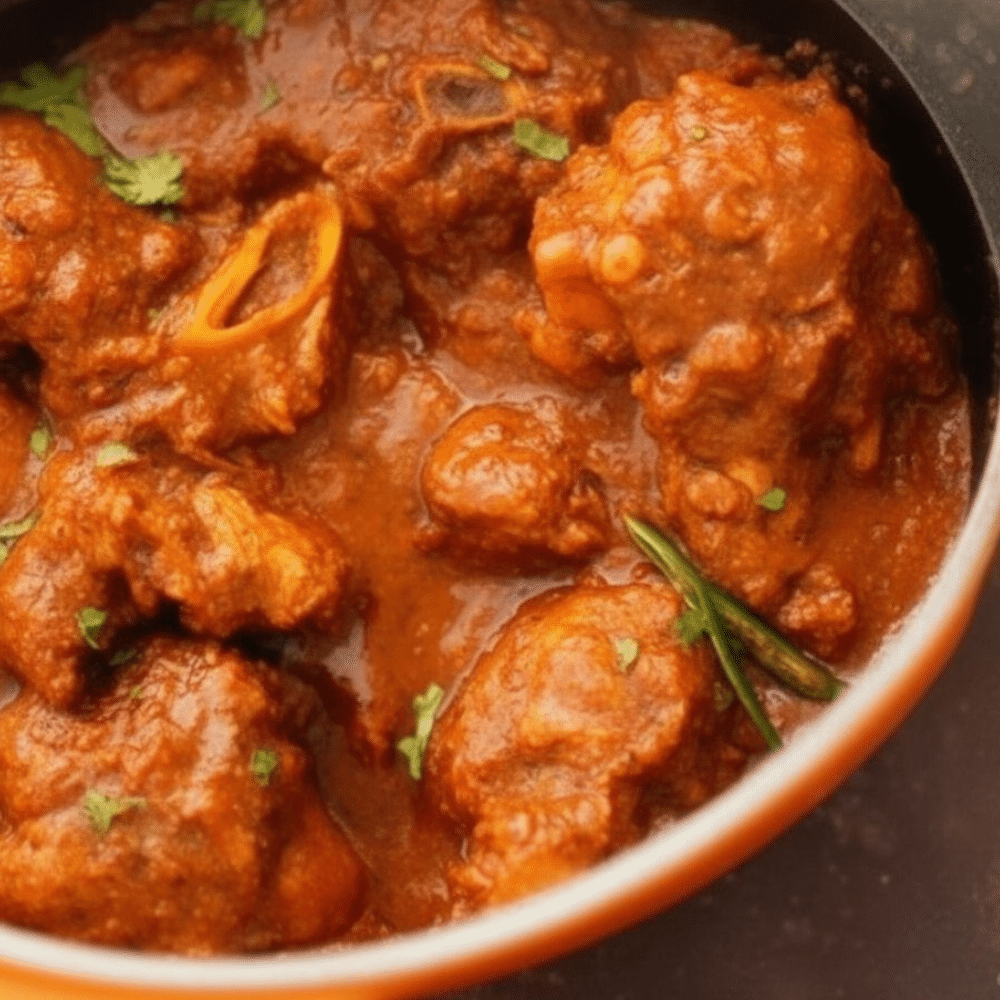
Authentic Karahi Gosht Recipe: A Decadent Spicy Beef Curry
There are few dishes that evoke the rich culinary tapestry of South Asia quite like a perfectly executed Karahi Gosht. This isn’t just a meal; it’s an experience, a symphony of robust flavors and tantalizing aromas that transform a simple cut of beef into something truly extraordinary. Imagine a tender, fall-off-the-bone beef steeped in a vibrant, spicy tomato gravy, kissed with the fragrant essence of ginger and garlic. This is the heart of what makes Karahi Gosht a beloved staple, a dish cherished in homes and renowned in restaurants across Pakistan and beyond.
Today, we’re diving deep into the secrets of creating an authentic, restaurant-style version of this iconic dish right in your own kitchen. Prepare to embark on a flavorful journey that will leave your taste buds singing.
What is Karahi Gosht?
At its core, Karahi Gosht is a succulent Pakistani beef curry, traditionally cooked and served in a heavy, wok-like pan known as a ‘karahi’. The term ‘gosht’ simply means meat, and while it can refer to various meats, our focus today is on the unparalleled depth and richness that comes from preparing it with beef. It’s a dish celebrated for its intense flavors, born from a unique cooking method that emphasizes searing and slow simmering.
The History and Origins of Karahi
The culinary journey of the karahi dish begins in the Northwest Frontier region of the Indian subcontinent, an area now predominantly part of Pakistan. Originally, it was a simple, rustic preparation, often cooked over open fires in roadside eateries, known as dhaba style karahi. These humble origins are a testament to its enduring appeal – a dish that requires fresh ingredients and robust cooking techniques rather than elaborate garnishes. Over time, it evolved, taking on more refined forms but always retaining its characteristic fiery punch and rich, concentrated flavor.
Why Bone-In Beef Elevates the Curry
While many curries opt for boneless cuts, the secret to a truly exceptional bone-in beef recipe lies in, well, the bones themselves. As the beef slowly simmers, the bones release collagen, marrow, and minerals directly into the sauce. This natural process adds an incredible depth of flavor, a velvety texture, and a richness that simply cannot be achieved with boneless meat. It’s this commitment to traditional methods that transforms a good karahi into an unforgettable one, imparting a complex savory base that underpins every bite.
Essential Ingredients for Restaurant-Style Karahi Gosht
Creating a restaurant style karahi at home starts with selecting the right ingredients. Quality makes all the difference here, especially when you’re aiming for that authentic, rich flavor profile.
Choosing the Right Cut of Beef
For the best results, opt for bone-in beef stew cuts, such as chuck, short ribs, or even shank. These cuts have a good amount of connective tissue and fat, which break down during slow cooking, resulting in incredibly tender meat that easily pulls away from the bone. Ask your butcher for beef that’s cut into medium-sized pieces, suitable for a curry, ensuring they retain their bones.
The Role of Fresh Tomatoes and Spices
The heart of a Karahi Gosht lies in its vibrant spicy tomato gravy. You’ll need ripe, juicy tomatoes, preferably on the vine, as they offer the best flavor. They form the base of the sauce, providing both tang and body. Beyond tomatoes, the magic happens with the karahi masala – a blend typically featuring cumin, coriander, red chili powder, turmeric, black pepper, and sometimes a hint of dried fenugreek leaves (kasoori methi) for an aromatic finish. Using whole spices, lightly toasted and then ground, will always yield a more profound flavor than pre-ground powders.
Why Fresh Ginger and Garlic Matter
Fresh ginger and garlic are the aromatic backbone of almost all South Asian cuisine, and Karahi Gosht is no exception. They provide a pungent, warming foundation that complements the richness of the beef and the zest of the tomatoes. A freshly made ginger-garlic paste (equal parts ginger and garlic, crushed together) delivers a potent, vibrant flavor that store-bought pastes often lack. Don’t skimp on these; they are crucial for depth and authenticity.
Step-by-Step Guide to Cooking Karahi Gosht
Now for the exciting part – bringing all these wonderful ingredients together to create your masterpiece. Remember, patience and attention to detail are key.
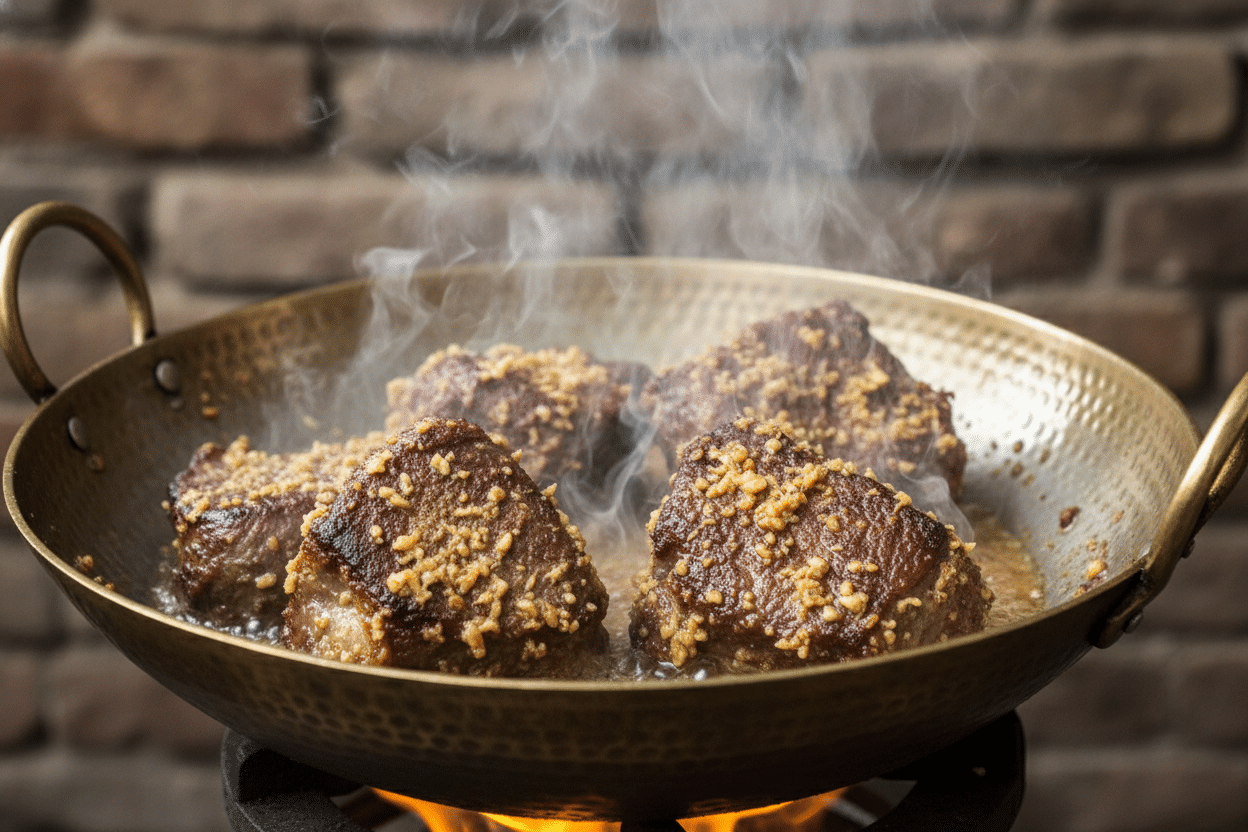
- Searing the Meat (Bhunai Process): Start by heating oil (or ghee for extra richness) in your karahi or a large, heavy-bottomed pot over medium-high heat. Add the bone-in beef pieces and sear them until they are beautifully browned on all sides. This critical step, known as ‘bhunai,’ locks in the meat’s juices and develops a rich, caramelized flavor that forms the foundation of your curry. Once seared, remove the beef and set aside.
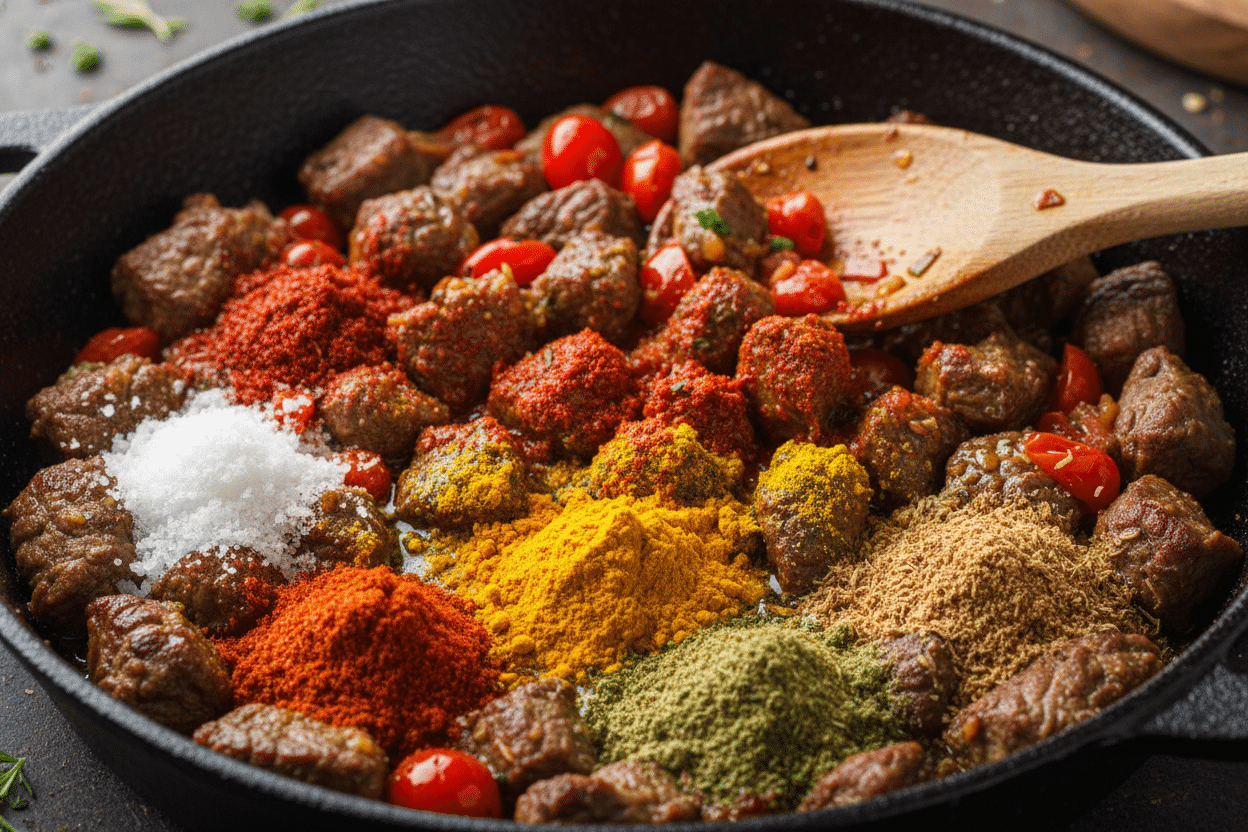
- Building the Rich Tomato Curry Sauce: In the same pot, add a little more oil if needed, then sauté a generous amount of freshly minced ginger and garlic until fragrant. Be careful not to burn them. Next, add finely chopped onions and cook until translucent. Introduce your karahi masala blend and sauté for a minute until aromatic. Now, it’s time for the tomatoes. Add finely chopped or puréed ripe tomatoes, along with a splash of water, and cook, stirring occasionally, until they break down and release their oil, forming a thick, reddish-brown paste. This is the heart of your spicy tomato gravy.
- Simmering to Perfection: Return the seared beef to the pot, tossing it to coat evenly with the tomato and spice mixture. Add enough water or beef broth to just cover the meat. Bring it to a boil, then reduce the heat to low, cover the pot, and let it simmer gently for at least 1.5 to 2 hours, or until the beef is incredibly tender and almost falling off the bone. Stir occasionally to prevent sticking. Towards the end, uncover and let the gravy thicken to your desired consistency. Finish with fresh green chilies, julienned ginger, and fresh cilantro for garnish.
Expert Tips for the Best Beef Karahi
Elevate your Karahi Gosht from good to spectacular with these professional insights.
Using a Cast-Iron Skillet vs. Traditional Karahi
While a traditional karahi (a deep, round-bottomed pan, often made of cast iron or steel) is ideal for its even heat distribution and ability to hold moisture, a heavy-bottomed cast-iron skillet or Dutch oven makes an excellent substitute. The key is using cookware that retains heat well, allowing for consistent simmering and effective ‘bhunai’ (searing) of the meat. This ensures your curry develops that characteristic deep flavor.
Getting the Spice Level Just Right
Karahi Gosht is known for its bold, spicy flavor. However, you can adjust the heat to your preference. For a milder curry, reduce the amount of red chili powder and green chilies. For an extra kick, add more finely chopped green chilies or a pinch of cayenne pepper during the simmering process. Remember, you can always add more spice, but it’s harder to take it away!
Achieving the Perfect Gravy Consistency
The ideal gravy for a Karahi Gosht is thick, rich, and clings to the meat beautifully. If your gravy is too thin, uncover the pot during the last 30 minutes of cooking and increase the heat slightly to allow excess liquid to evaporate. Stir frequently to prevent sticking. If it’s too thick, you can add a splash of hot water or beef broth until you reach your desired consistency. The sauce should have a luscious, almost jam-like texture, with the oil separating from the gravy at the edges – a sign of a perfectly cooked karahi.
Substitutions and Variations
The beauty of a classic recipe often lies in its adaptability. While our focus is on beef, the karahi technique lends itself well to other meats.
Mutton or Lamb Karahi Gosht
If beef isn’t your preferred choice, this recipe adapts wonderfully for mutton karahi gosht or even lamb karahi variations. The cooking method remains largely the same, though mutton and lamb might require a slightly longer simmering time to achieve the desired tenderness. The rich flavors of the karahi masala beautifully complement the distinct taste of lamb or mutton, creating an equally delicious and authentic experience.
Dairy-Free and Oil Adjustments (Ghee vs. Oil)
This recipe is naturally dairy-free! For cooking fat, traditional recipes often call for ghee (clarified butter), which imparts a rich, nutty flavor. However, for a truly dairy-free option or if you prefer a lighter touch, any neutral cooking oil like vegetable or canola oil works perfectly. Feel free to adjust the amount of fat based on your dietary preferences; some karahis are known for being quite generous with oil, allowing the flavors to truly bloom.
What to Serve with Karahi Gosht
The experience of eating Karahi Gosht is incomplete without the right accompaniments.
Best Bread Pairings (Naan, Roti)
The rich, saucy goodness of Karahi Gosht demands a sturdy companion to scoop up every last drop. Warm, freshly baked naan bread – soft, fluffy, and slightly charred – is an ideal choice. Its slightly chewy texture perfectly complements the tender meat. Alternatively, simple whole wheat roti or chapati also works wonderfully, offering a wholesome contrast to the spicy gravy.
Complementary Side Dishes
To balance the intensity of the curry, serve it alongside a crisp, refreshing side salad of thinly sliced onions, cucumbers, and tomatoes, perhaps with a squeeze of lemon juice. A cooling raita (yogurt dip) with cucumber or mint can also provide a delightful contrast, cutting through the richness and spice. Simple steamed basmati rice is another excellent option for those who prefer rice over bread.
Frequently Asked Questions (FAQs)
Can I Make This in an Instant Pot?
Yes, you absolutely can! An Instant Pot can significantly reduce the cooking time. After searing the meat and building the gravy base, add the beef and sufficient liquid to the Instant Pot. Cook on high pressure for 30-40 minutes (depending on your beef cut), then allow for a natural release. Finish by simmering on sauté mode to thicken the gravy to your desired consistency.
How Do I Store and Reheat Leftovers?
Karahi Gosht often tastes even better the next day! Store leftovers in an airtight container in the refrigerator for up to 3-4 days. To reheat, gently warm it on the stovetop over low heat, adding a splash of water if the gravy has thickened too much. Stir occasionally until heated through. You can also freeze portions for up to 2-3 months; thaw overnight in the fridge before reheating.
Can I Use Boneless Beef?
While bone-in beef is highly recommended for its superior flavor and texture, you can use boneless beef if preferred. Opt for a cut like beef chuck or stewing beef, cut into 1.5-inch pieces. The cooking time will likely be slightly shorter, but you might miss out on some of the deep, rich flavors that the bones impart. Consider adding a good quality beef broth instead of water to compensate for some of the lost bone flavor.
We hope this guide inspires you to create your own unforgettable Karahi Gosht. It’s a dish that celebrates tradition, flavor, and the joy of sharing. Don’t forget to follow us for more delicious recipes and culinary adventures!
Find us on Facebook: Follow our page here!
Authentic Karahi Gosht (Spicy Beef Curry)
Ingredients
- 2 lbs Bone-in beef chuck or short rib cuts, 2-inch pieces
- 1/2 cup Ghee or neutral oil
- 1 tbsp Fresh ginger paste
- 1 tbsp Fresh garlic paste
- 5 Medium Roma tomatoes finely diced
- 1 tsp Salt
- 1 tsp Red chili powder
- 1/2 tsp Turmeric powder
- 1 tsp Coriander powder
- 1 tsp Cumin powder
- 1 tsp Garam masala
- 2 cups Water
- 3 Whole Green chilies slit down the middle
- 1/4 cup Fresh cilantro chopped for garnish
- 1 tbsp Fresh ginger matchsticks for garnish
Instructions
- Heat the ghee or neutral oil in a heavy-bottomed pot, cast-iron skillet, or traditional karahi over medium-high heat.
- Add the bone-in beef pieces, fresh ginger paste, and fresh garlic paste. Sear the meat for 8 to 10 minutes until deeply browned on all sides.
- Stir in the finely diced Roma tomatoes, salt, red chili powder, turmeric powder, coriander powder, and cumin powder. Cook for 5 minutes until the tomatoes begin to soften and break down.
- Pour in the water and bring the mixture to a boil. Reduce the heat to low, cover the pot tightly, and simmer for 1.5 to 2 hours, or until the beef is incredibly tender and the liquid has reduced to a thick curry sauce.
- Remove the lid and increase the heat to medium. Sprinkle in the garam masala and add the slit green chilies. Stir continuously for 5 to 7 minutes to allow the oil to separate from the rich tomato gravy.
- Remove from heat and garnish generously with chopped fresh cilantro and ginger matchsticks. Serve immediately with hot naan or roti.
For more daily recipes and tips, follow us on Facebook!
Click here to join our community!