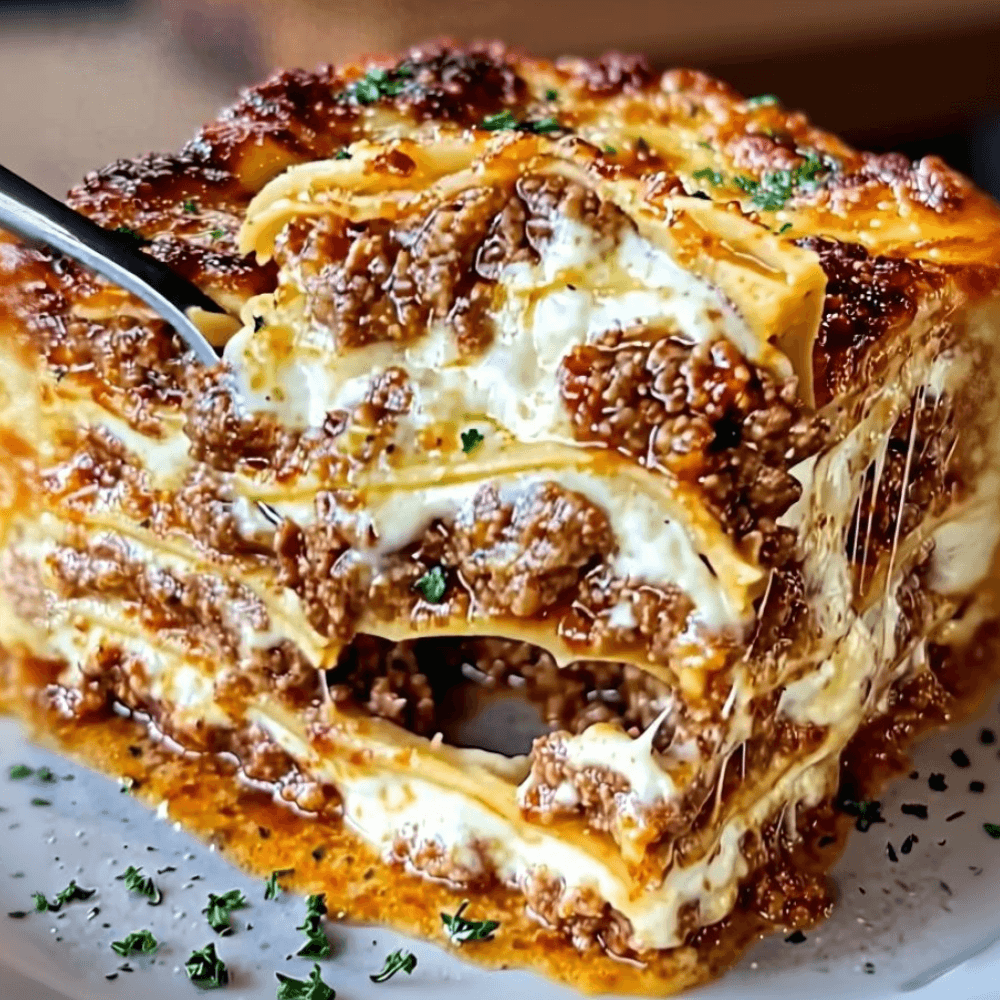
Welcome, fellow food lovers! Today, we’re diving into the heartwarming world of a true culinary masterpiece: Beef Lasagna. Forget dry, bland, or wobbly versions you might have encountered. We’re here to guide you through crafting a truly spectacular homemade lasagna with meat sauce that will earn rave reviews and become a cherished classic in your recipe repertoire. This isn’t just a meal; it’s an experience, a symphony of flavors and textures designed to bring pure comfort and joy to your table. If you’ve been searching for an authentic Italian beef lasagna recipe, you’ve found your delicious destination.
The Ultimate Beef Lasagna Experience
There’s something inherently special about lasagna. It’s a dish that speaks of tradition, family, and celebration. While it might seem intimidating, our approach demystifies the process, making it an easy lasagna recipe for beginners, without sacrificing any of the deep, rich flavors you’d expect from a classic comfort food recipe. Prepare to create a ground beef pasta casserole that’s truly extraordinary.
Why This Recipe Works
- The Dual-Sauce Secret: Combining Bolognese and Béchamel. This is where our Beef Lasagna truly shines. Instead of relying solely on a tomato-based meat sauce, we introduce a creamy, luxurious béchamel (white sauce). This pairing creates an unparalleled depth of flavor and an incredibly tender, moist texture throughout every layer, elevating your authentic Italian beef lasagna to new heights. The béchamel offers a smooth contrast to the robust Bolognese, making each bite balanced and exciting.
- Flavor Depth: Slow-simmered beef vs. jarred sauce. While convenience has its place, the magic of our homemade lasagna with meat sauce comes from a rich, slow-simmered Bolognese. Taking the time to properly brown the ground beef and allow the sauce to gently bubble and meld its flavors makes all the difference. This patient process extracts maximum flavor, creating a deeply savory base that no jarred sauce can replicate. It transforms simple ingredients into an incredibly complex and satisfying experience, central to any great Beef Lasagna.
- Structural Integrity: Tips for perfect layers that don’t slide. A common frustration with lasagna is layers that collapse or slide apart when served. We’ve got simple yet crucial tips to ensure your Beef Lasagna emerges from the oven beautifully structured, holding its form for elegant presentation and easy slicing. From noodle preparation to proper assembly techniques, we’ll ensure every layer remains perfectly in place.
Ingredients for the Perfect Layers
Success in making the ultimate Beef Lasagna starts with quality ingredients. Each component plays a vital role in building the symphony of flavors and textures that define this classic dish.
The Rich Meat Sauce (Bolognese)
The Bolognese is the heart and soul of our Beef Lasagna, providing a savory foundation that is both robust and comforting.
- Choosing the right ground beef (85/15 vs. 90/10). For a truly flavorful Bolognese, we recommend using 85/15 ground beef. The slightly higher fat content renders down during cooking, adding incredible moisture and richness to the sauce without making it greasy. While 90/10 can work, you might find the sauce a little less succulent. Always opt for good quality, grass-fed if possible, for the best flavor.
- The importance of aromatics (onion, garlic, herbs). A foundational mirepoix of finely diced onions, carrots, and celery, along with plenty of fresh garlic, forms the aromatic backbone of the sauce. These humble vegetables provide a natural sweetness and depth that are absolutely essential. Fresh herbs like oregano, basil, and a bay leaf contribute to that unmistakable authentic Italian beef lasagna profile.
Chef’s Tip: Why we use fennel seeds to infuse a deeply savory, authentic Italian character into our beef sauce. Just a pinch of crushed fennel seeds, toasted lightly before adding the beef, unlocks a wonderfully aromatic and complex flavor. It adds an authentic, slightly sweet anise note that complements the richness of the ground beef beautifully, elevating the overall taste of your Bolognese.
The Creamy Cheese Fillings
Beyond the meat sauce, the creamy fillings are what make lasagna so decadent and irresistible, providing moisture, tang, and that characteristic gooey factor.
- The Ricotta Mix: Texture and binding with eggs. Our ricotta layer is a blend of creamy ricotta cheese, grated Parmesan, fresh parsley, and a single egg. The egg acts as a binder, ensuring the ricotta mixture sets beautifully during baking and prevents it from oozing out, contributing to the structural integrity of your Beef Lasagna. This mixture adds a delightful tang and lightens the richness of the meat and béchamel.
- The Béchamel (White Sauce): Adding a velvety finish. The béchamel is a simple yet elegant French white sauce made from a roux (butter and flour) and milk. Its inclusion in our Beef Lasagna recipe is a hallmark of authentic Italian beef lasagna traditions, particularly from Emilia-Romagna. It adds an incredible velvety texture, subtle richness, and acts as a creamy counterpoint to the bold Bolognese, preventing any dryness and melding all the layers into a cohesive, luxurious whole.
- Mozzarella & Parmesan: Fresh vs. pre-shredded. For the best cheese for lasagna layers, a combination of low-moisture, whole-milk mozzarella and freshly grated Parmesan is key. While convenient, pre-shredded cheeses often contain anti-caking agents that can affect their melt and texture. Investing in a block of mozzarella and shredding it yourself, along with grating fresh Parmesan, will give you superior melt, stretch, and flavor, creating that irresistible golden crust and gooey interior.
Step-by-Step Instructions
Crafting this magnificent Beef Lasagna is a journey, and each step builds upon the last to create a truly memorable dish. Follow these instructions carefully for a perfect result every time.
Step 1: Mastering the Meat Sauce
- Browning the beef properly. In a large, heavy-bottomed pot or Dutch oven, heat a little olive oil over medium-high heat. Add your ground beef, breaking it up with a spoon. Brown the beef thoroughly until no pink remains, ensuring a deep, rich color. This crucial step develops flavor through the Maillard reaction. Drain any excess fat, then add your diced aromatics (onion, carrot, celery) and sauté until softened. Stir in the garlic and cook for another minute until fragrant.
- Simmering for flavor concentration. Deglaze the pot with a splash of red wine (optional but highly recommended for depth). Add crushed tomatoes, tomato paste, a touch of sugar (to balance acidity), and your herbs. Bring to a gentle simmer, then reduce heat to low, cover partially, and let it cook for at least 1.5 to 2 hours, stirring occasionally. The longer it simmers, the more concentrated and complex the flavors will become, creating that perfect homemade lasagna with meat sauce.
Step 2: Preparing the White Sauce & Cheese
- Making a lump-free roux. In a separate saucepan, melt butter over medium heat. Whisk in an equal amount of all-purpose flour to create a roux. Cook for 1-2 minutes, stirring constantly, until it smells nutty and lightly golden. Gradually whisk in warm milk (whole milk is best for richness), a little at a time, until smooth. Continue whisking until the sauce thickens and coats the back of a spoon, ensuring a lump-free béchamel for your lasagna with béchamel and ricotta. Season with salt, white pepper, and a pinch of nutmeg.
- The perfect consistency for layering. The béchamel should be thick enough to cling to a spoon but still pourable. If it’s too thick, add a splash more warm milk. For the ricotta mix, simply combine the ricotta cheese, Parmesan, egg, and parsley in a bowl, seasoning with salt and pepper. Stir well until thoroughly combined. Shred your mozzarella and Parmesan if not already done.
Step 3: Assembly and Baking
- The ‘Safety Layer’: Preventing sticking. To prevent your Beef Lasagna from sticking and ensure a clean first slice, spread a thin layer of meat sauce or béchamel on the bottom of a 9×13-inch baking dish. This acts as a protective barrier and moistens the bottom noodles.
- Layering order: Noodles, Ricotta, Meat, Béchamel. Begin with a layer of lasagna noodles (pre-boiled al dente or no-boil, as per package instructions). Spread half of the ricotta mixture over the noodles. Top with a generous layer of meat sauce, followed by a spoonful or two of béchamel, and a sprinkling of shredded mozzarella and Parmesan. Repeat the noodle, ricotta, meat, béchamel, and cheese layers. Finish with a final layer of noodles, generously coated with the remaining béchamel and plenty of mozzarella and Parmesan for a golden, bubbly top.
- Baking times for the perfect golden crust. Cover the baking dish loosely with foil and bake in a preheated oven at 375°F (190°C) for 30 minutes. Remove the foil and continue baking for another 20-25 minutes, or until the top is golden brown and bubbly. If it’s browning too quickly, you can re-cover it.
Expert Tips for Success
Achieving Beef Lasagna perfection involves a few insider tricks that make all the difference, transforming a good dish into an unforgettable one.
- Noodle Selection: Boil vs. No-Boil sheets. Traditionalists often prefer boiling fresh or dried lasagna noodles al dente (to the tooth) before layering. This gives you more control over their texture. However, no-boil lasagna sheets are a fantastic convenience. If using no-boil, ensure your sauces are slightly more fluid to provide enough moisture for the noodles to cook properly in the oven. Always follow package instructions for either type.
- The Crucial Rest: Why you must wait 15 minutes before slicing. This might be the hardest part, but it’s non-negotiable! Once your Beef Lasagna comes out of the oven, it needs to rest for at least 15-20 minutes. This allows the hot, bubbly cheese and sauces to set and firm up, preventing a messy, soupy collapse when you cut into it. The layers will hold their shape, giving you clean, beautiful slices.
- Preventing Watery Lasagna: Draining tomatoes and noodles correctly. A common issue is a watery lasagna. To combat this, always thoroughly drain canned crushed tomatoes (or diced tomatoes) before adding them to your sauce. If boiling noodles, ensure they are well-drained and patted slightly dry to remove excess water. Additionally, not overfilling the baking dish helps prevent liquids from seeping out.
Variations and Substitutions
While our classic Beef Lasagna recipe is a triumph on its own, don’t hesitate to personalize it with these delightful variations and substitutions.
- Spicy Kick: Adding Calabrian chili paste. For those who love a bit of heat, stir a teaspoon or two of Calabrian chili paste (or red pepper flakes) into your meat sauce during the simmering stage. It adds a vibrant, fruity heat that perfectly complements the rich beef and tomato flavors.
- Vegetable Add-ins: Spinach or mushrooms in the sauce. Enhance the nutritional value and texture by incorporating finely chopped fresh spinach (sautéed and squeezed dry) or sliced mushrooms into your meat sauce. Add them during the last 30 minutes of simmering. This is a great way to sneak in extra veggies.
- Gluten-Free Options: Rice noodles and GF flour for the roux. To make this Beef Lasagna gluten-free, simply substitute regular lasagna noodles with gluten-free lasagna sheets (often made from rice or corn flour). For the béchamel, use a gluten-free all-purpose flour blend to create your roux. The rest of the recipe remains naturally gluten-free.
Storage and Reheating
Lasagna is a fantastic make-ahead meal and tastes even better the next day! Here’s how to store and reheat your delicious Beef Lasagna.
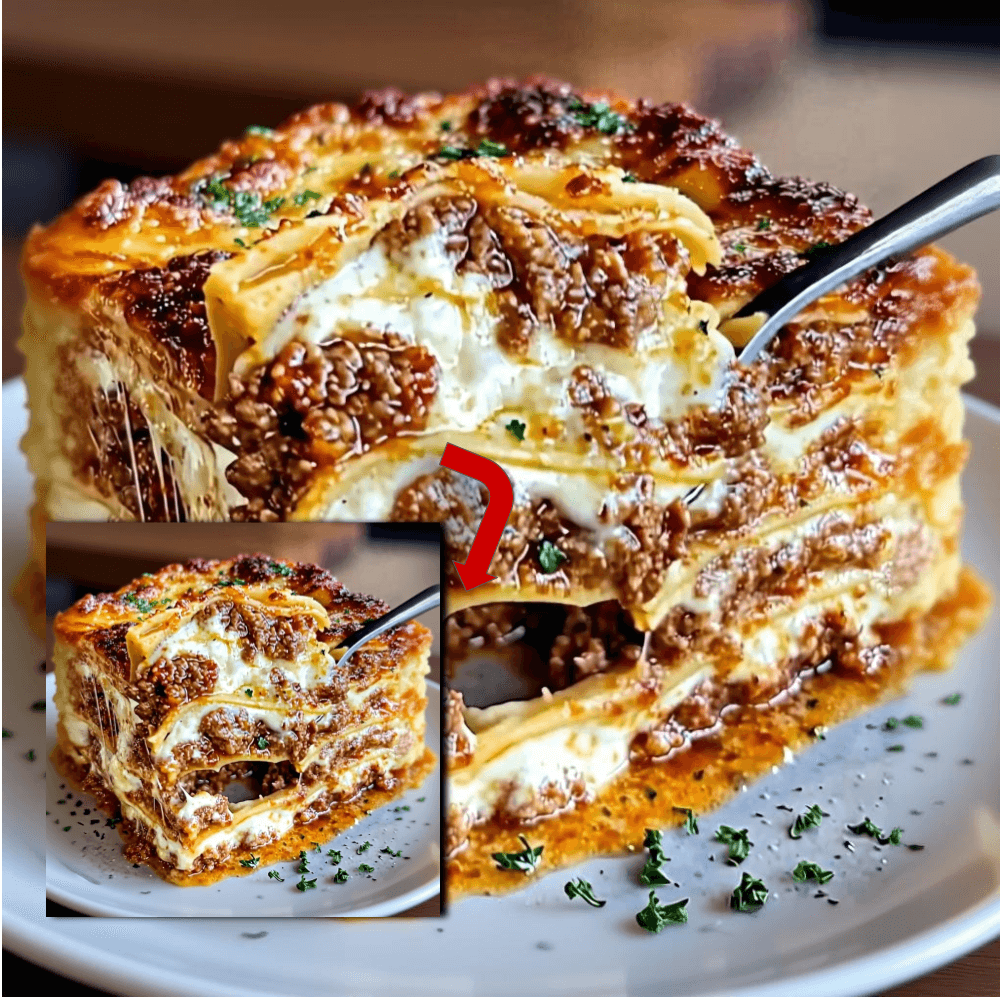
- Freezing instructions (baked vs. unbaked). This is one of the best make ahead lasagna tips!
- Baked: Allow the baked lasagna to cool completely. Cut into individual portions or leave whole. Wrap tightly in plastic wrap, then foil. Freeze for up to 3 months.
- Unbaked: Assemble the lasagna in a freezer-safe baking dish, but do not bake. Wrap tightly with plastic wrap and then foil. Freeze for up to 2 months. Thaw overnight in the refrigerator before baking as directed, adding an extra 15-20 minutes to the covered baking time.
- Reheating without drying it out. For best results, reheat individual slices in the microwave on medium power until hot, or in a preheated oven at 325°F (160°C) covered with foil, for 20-30 minutes, until warmed through. For a whole frozen lasagna, thaw overnight in the fridge and then reheat covered in a 350°F (175°C) oven until bubbly and hot in the center, removing foil for the last 10-15 minutes to crisp the cheese.
Frequently Asked Questions (FAQ)
- How long does homemade Beef Lasagna last in the refrigerator?
Typically, homemade Beef Lasagna will keep well in the refrigerator for 3-4 days when stored in an airtight container. Make sure it’s cooled completely before refrigerating to prevent bacterial growth and maintain freshness.
- Can I use no-boil lasagna noodles?
Yes, absolutely! No-boil lasagna noodles are a fantastic time-saver and work wonderfully in this recipe. Just ensure your sauces (both meat and béchamel) are slightly thinner to provide enough moisture for the noodles to cook directly in the oven. Follow the package directions for best results, as some brands may vary slightly.
- What’s the secret to a non-watery lasagna?
There are a few key secrets! First, thoroughly drain canned tomatoes before adding them to your meat sauce. Second, if boiling traditional noodles, ensure they are cooked al dente and drained very well. Finally, and perhaps most importantly, allowing the lasagna to rest for at least 15-20 minutes after baking allows the layers to set and reabsorb excess moisture, preventing a soupy outcome.
- Can I make Beef Lasagna ahead of time?
Absolutely! Lasagna is one of the best make-ahead meals. You can assemble it a day or two in advance and keep it covered in the refrigerator. Alternatively, you can fully bake it, cool it, and then freeze it, or even freeze it unbaked for later. This makes it perfect for meal prepping, entertaining, or simply ensuring a delicious meal is ready when you are.
- What is the best cheese for lasagna layers?
For the ultimate Beef Lasagna, a combination of low-moisture, whole-milk mozzarella and freshly grated Parmesan cheese is ideal. Mozzarella provides the classic gooey stretch, while Parmesan adds a sharp, salty depth of flavor. Avoid pre-shredded cheeses if possible, as they often contain starches that can affect melt and texture.
There you have it – the complete guide to creating a truly unforgettable Beef Lasagna. This classic comfort food recipe is more than just a meal; it’s an act of love, a delicious tradition waiting to be made in your kitchen. We promise that the effort you put in will be richly rewarded with every savory, cheesy, perfectly layered bite. Go forth and create your culinary masterpiece!
For more delicious recipes, tips, and behind-the-scenes glimpses into our kitchen, be sure to follow our Facebook page: https://www.facebook.com/profile.php?id=61568538666337
Ultimate Cheesy Beef Lasagna
Ingredients
- 1.5 lb lbs Lean ground beef (85/15) Increased quantity to replace sausage
- 1 tbsp Olive oil For sautéing
- 1 medium Yellow onion Finely chopped
- 3 cloves Garlic Minced
- 28 oz Crushed tomatoes 1 large can (800g)
- 2 tbsp Tomato paste For depth
- 1 tsp Fennel seeds Essential to mimic the Italian sausage flavor profile
- 1 tsp Dried oregano
- 1 tsp Italian seasoning
- 1 tsp Sugar To balance acidity
- 0.25 cup Water or dry red wine Deglazing liquid
- 15 oz Ricotta cheese Whole milk preferred
- 1 large Egg Binder for ricotta
- 0.5 cup Parmesan cheese Grated, divided use
- 4 cups Mozzarella cheese Shredded, divided for filling and topping
- 3 tbsp Unsalted butter For Béchamel
- 3 tbsp All-purpose flour For Béchamel
- 3 cups Whole milk For Béchamel, warmed
- 0.25 tsp Nutmeg Freshly grated
- 12 sheets Lasagna noodles Regular or oven-ready
- 1 tbsp Fresh parsley Chopped, for garnish
Instructions
- Heat olive oil in a large skillet or Dutch oven over medium heat. Add the chopped onion and sauté for 5 minutes until soft and translucent, then stir in the minced garlic and cook for 1 minute until fragrant.
- Add the ground beef to the skillet. Break it apart with a wooden spoon and cook until fully browned and no pink remains. Drain excess fat if necessary.
- Stir in the crushed tomatoes, tomato paste, sugar, salt, pepper, dried oregano, Italian seasoning, and fennel seeds. Pour in the water (or red wine). Reduce heat to low and simmer uncovered for 25–30 minutes, stirring occasionally, until the sauce thickens.
- While the sauce simmers, prepare the ricotta filling. In a medium bowl, combine the ricotta cheese, beaten egg, 1/4 cup of the Parmesan cheese, 1 cup of the shredded mozzarella, and a pinch of salt and pepper. Mix until creamy and set aside.
- Prepare the Béchamel sauce. Melt the butter in a saucepan over medium heat. Whisk in the flour and cook for 1–2 minutes to remove the raw flour taste (do not brown). Gradually pour in the milk while whisking constantly to prevent lumps. Simmer for 5–7 minutes until thickened enough to coat the back of a spoon. Season with nutmeg, salt, and pepper.
- Preheat your oven to 375°F (190°C). If using boil-required noodles, cook them according to package instructions to 'al dente', drain, and lay flat to prevent sticking.
- Assemble the lasagna in a 9x13-inch baking dish. Spread a thin layer of meat sauce (about 1 cup) on the bottom to prevent sticking.
- Place 3-4 noodles over the sauce. Spread 1/3 of the ricotta mixture over the noodles. Ladle 1/3 of the remaining meat sauce over the ricotta. Drizzle 1/3 of the Béchamel sauce over the meat.
- Repeat the layering process (Noodles -> Ricotta -> Meat -> Béchamel) two more times.
- Finish by placing the final layer of noodles on top. Cover completely with the remaining meat sauce and sprinkle generously with the remaining 2 cups of mozzarella cheese and remaining Parmesan.
- Cover the baking dish loosely with aluminum foil (tent it slightly so it doesn't touch the cheese). Bake for 25 minutes.
- Remove the foil and bake for an additional 15–20 minutes, or until the cheese is golden brown and bubbling.
- Remove from the oven and let the lasagna rest for at least 15 minutes before slicing. This allows the layers to set and prevents the filling from running.
For more daily recipes and tips, follow us on Facebook!
Click here to join our community!