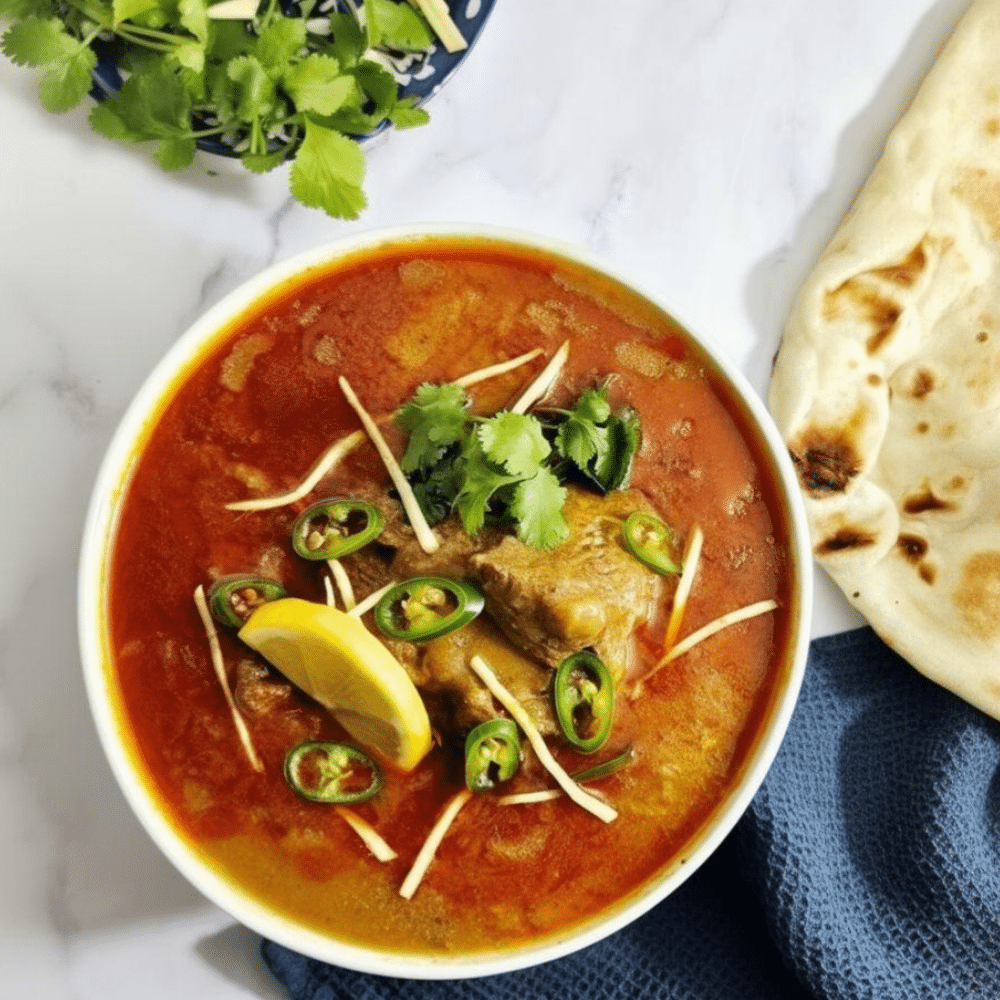
Slow-Cooked Beef Nihari: An Authentic Pakistani Stew
There are dishes that simply nourish the body, and then there are those that feed the soul. Beef Nihari undeniably belongs to the latter category. This magnificent, slow-cooked beef stew is a culinary masterpiece, revered across Pakistan and beyond for its incredibly tender meat and a rich, deeply aromatic gravy. It’s more than just a meal; it’s a celebration of flavor, a testament to patience, and a symbol of hospitality that truly captures the essence of South Asian cuisine. If you’ve ever dreamt of recreating that restaurant-quality, silky smooth, and profoundly flavorful nihari at home, you’ve come to the right place. Get ready to embark on a delicious journey that will transform your kitchen into a haven of intoxicating aromas.
What is Beef Nihari?
At its heart, nihari is a rich, aromatic, and spicy beef shank curry that has been slow-cooked for hours, sometimes even overnight, until the beef is fall-apart tender and the flavors have fully melded into a luxurious gravy. The name “nihari” itself is derived from the Arabic word “nahar,” meaning morning, as it was traditionally eaten early in the morning, often after sunrise prayers, to provide sustenance for the day. Its hallmark is the delicate balance of spices and the thick, velvety texture achieved through a wheat flour (atta) slurry, making it utterly irresistible. It’s often garnished with fresh ginger, green chilies, and cilantro, and served with a squeeze of lime, elevating its complex flavor profile.
A Brief History of Pakistan’s National Dish
While often associated with Pakistan, the origins of nihari trace back to the royal kitchens of the Mughal Empire in 18th-century Delhi. It was a dish fit for emperors, concocted by chefs who perfected the art of slow-cooking various cuts of beef with an elaborate blend of spices. Over centuries, as the Mughal Empire waned and culinary traditions spread, nihari became a staple, particularly in Lucknow and Dhaka, before finding its true home and widespread popularity in Karachi and Lahore after the partition of India. Today, this authentic Pakistani nihari holds a cherished place as Pakistan’s national dish, embodying a rich history and a culinary legacy passed down through generations. It’s a dish savored at celebratory feasts, special occasions, and as a comforting weekend meal, always bringing people together around a pot of its unparalleled deliciousness.
Essential Ingredients for the Perfect Stew
Crafting an exceptional slow-cooked beef stew requires more than just following a recipe; it demands an understanding of its core components. Each ingredient plays a vital role in building the layered flavors and iconic texture of this beloved dish.
Choosing the Right Cut of Beef: Shanks vs. Chuck
For a truly traditional and melt-in-your-mouth experience, beef shanks are the undisputed star for your nihari. The bone marrow within the shank slowly renders, enriching the gravy with an incredible depth of flavor and a natural gelatinous thickness that is simply unmatched. When you hear enthusiasts rave about nalli nihari, they’re specifically referring to this bone marrow goodness. If beef shanks aren’t readily available, or if you prefer a leaner option, beef chuck roast can be used, cut into large, stew-sized pieces. While it won’t offer the same marrow-infused richness, it will still become wonderfully tender with enough slow cooking. Always opt for good quality, fresh beef from a reputable butcher.
The Magic of Authentic Nihari Masala
The soul of any nihari lies in its spice blend. While pre-made nihari masala packets are available, there’s nothing quite like the aroma and flavor of a homemade nihari spice mix. This complex blend typically includes a symphony of whole spices like green and black cardamom, cloves, cinnamon, star anise, nutmeg, mace, peppercorns, and cumin, often roasted and then finely ground. This intricate blend creates the distinctive warmth, subtle heat, and fragrant notes that define the dish. Making your own allows you to adjust the intensity and freshness, ensuring your beef nihari has that truly authentic, vibrant character.
- For the Masala (adjust to your preference):
- 1 tbsp fennel seeds
- 1 tbsp coriander seeds
- 1 tsp black peppercorns
- 6-8 dried red chilies (or 1 tbsp Kashmiri chili powder for color)
- 1 tsp cumin seeds
- 4-5 green cardamom pods
- 2 black cardamom pods
- 6-8 cloves
- 1-inch cinnamon stick
- 1 small piece mace
- 1/2 tsp nutmeg powder
- 1/2 tsp ginger powder
- 1/2 tsp garlic powder
- 1/2 tsp turmeric powder
- Pinch of asafoetida (hing)
- Roast whole spices until fragrant, then grind with powders into a fine mix.
How to Make Authentic Beef Nihari (Step-by-Step)
Patience is your best friend when preparing this beef shank curry. The beauty of the dish unfolds through the gradual layering of flavors and the slow transformation of humble ingredients into a culinary masterpiece. This guide focuses on the stovetop method, which yields the most traditional results, though a pressure cooker can significantly reduce cooking time.
- Prepare the Beef: Wash and pat dry about 2-3 lbs of beef shanks (or chuck, cut into large 2-inch pieces). If using shanks, ensure they are bone-in for that authentic nalli nihari experience.
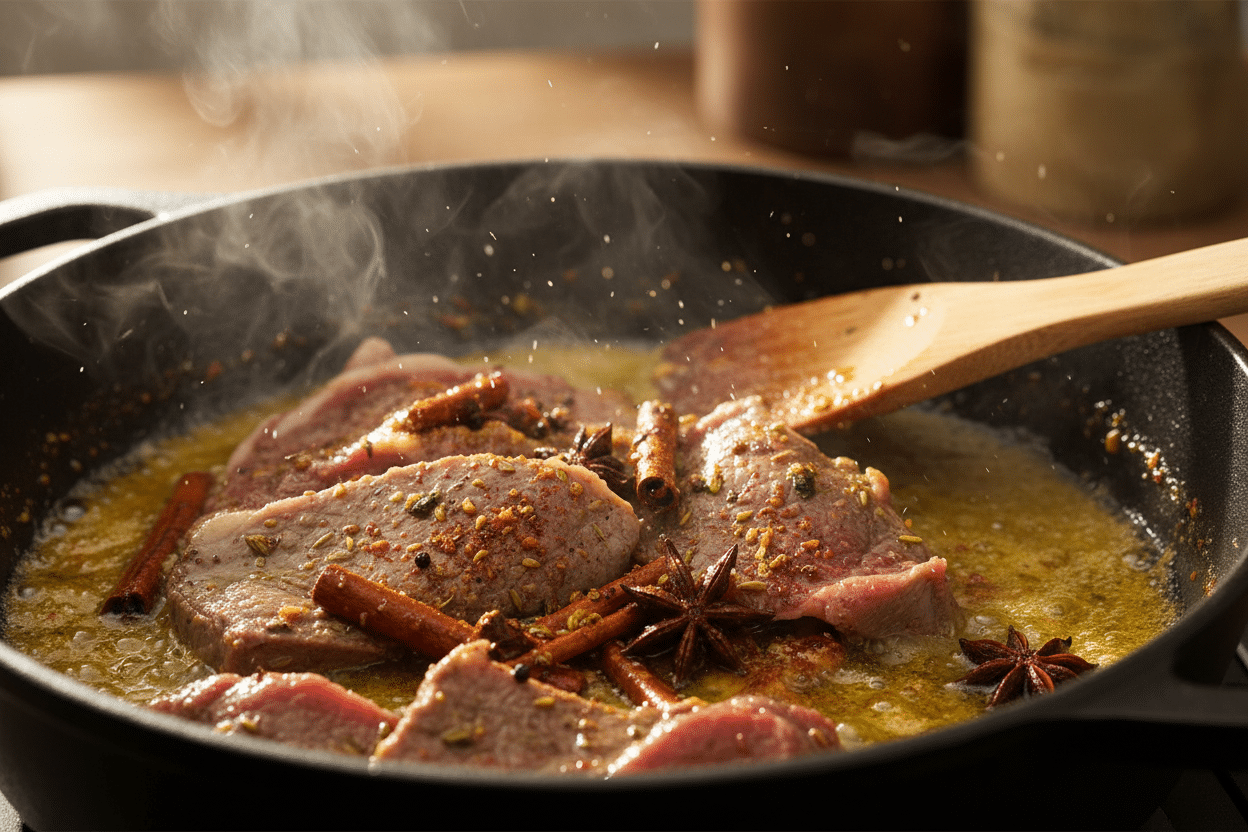
- Sauté Aromatics: In a large, heavy-bottomed pot or Dutch oven, heat 1/2 cup of oil or ghee over medium-high heat. Add 2 large sliced onions and sauté until deeply golden brown, almost caramelized. This step is crucial for the color and sweetness of the gravy. Remove half the fried onions and set aside for garnish.
- Sear the Meat: Add the beef pieces to the pot with the remaining onions. Sear the beef on all sides until well browned. This locks in the flavor and creates a beautiful crust.
- Build the Flavor Base: Stir in 2 tablespoons of ginger-garlic paste and cook for 2-3 minutes until fragrant. Then, add your prepared homemade nihari spice mix (about 3-4 tablespoons, depending on your blend’s potency) along with 1 cup of plain yogurt (optional, but adds tang and tenderness). Cook for another 5-7 minutes, stirring constantly, until the spices are well incorporated and the oil separates.
- Slow Cook: Pour in 6-8 cups of hot water, ensuring the beef is fully submerged. Add salt to taste. Bring to a boil, then reduce the heat to very low, cover tightly, and let it simmer for at least 4-6 hours (or up to 8 hours for shanks), or until the beef is incredibly tender and easily falls off the bone. Stir occasionally to prevent sticking.
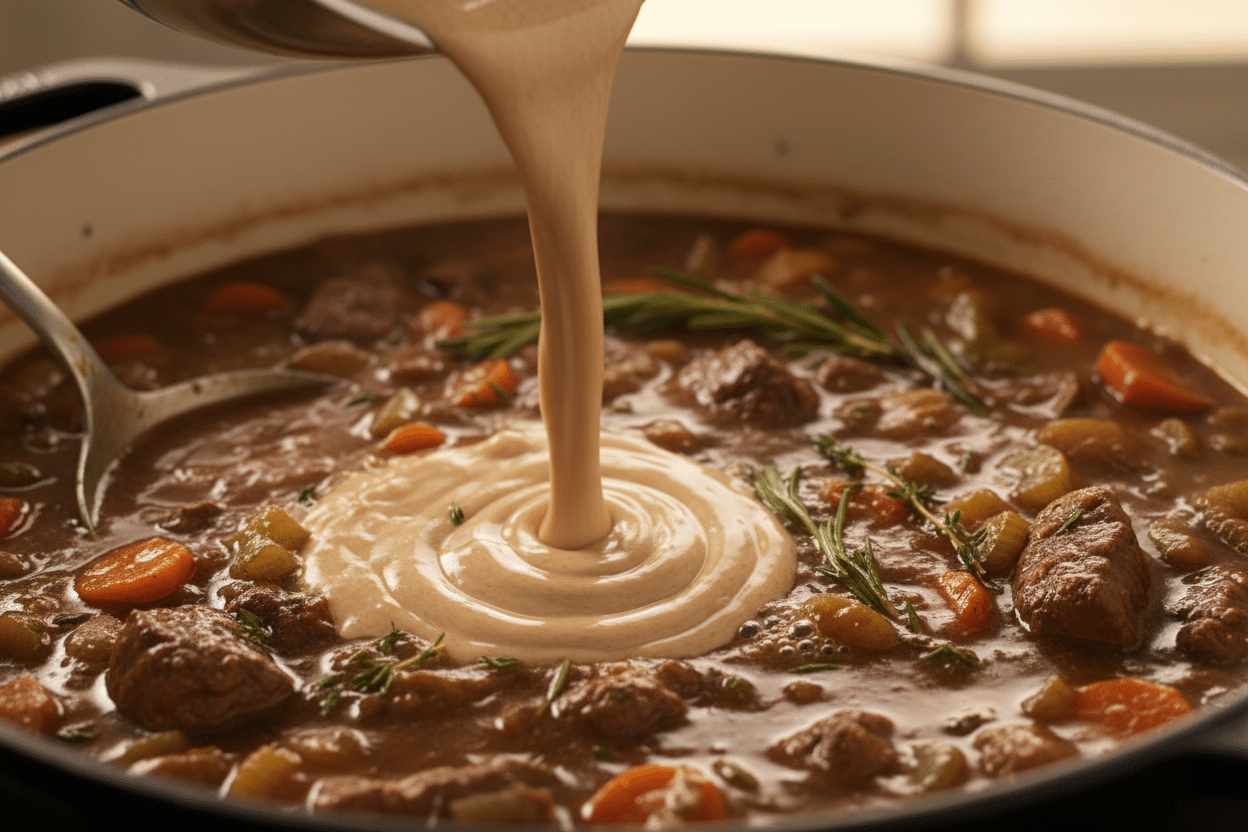
- Prepare the Atta (Wheat Flour) Slurry: About 30-45 minutes before the beef is done, mix 1/4 cup whole wheat flour (atta) with 1/2 cup water until a smooth, lump-free slurry forms.
- Thicken the Gravy: Slowly pour the atta slurry into the simmering nihari, stirring continuously to prevent lumps. Cook for another 30-45 minutes on low heat, stirring occasionally, until the gravy thickens to a desired consistency – it should be velvety and coating. If it becomes too thick, add a little hot water.
- Tarka/Baghaar (Tempering – Optional but Recommended): For an extra layer of flavor and aroma, heat 2 tablespoons of ghee in a small pan. Add 1/2 sliced onion and a pinch of Kashmiri chili powder. Fry until onions are golden, then pour this tempering over the nihari just before serving.
“The secret to a truly memorable nihari isn’t just the spices, but the relentless patience. Let the beef take its time to surrender to the heat, and the flavors will reward you with unparalleled depth.” – Chef Tariq Ahmed
Expert Tips for a Silky, Flavorful Gravy
Achieving that iconic, restaurant-style gravy is the ultimate goal when making this slow-cooked beef stew. Here are a few tricks from the pros:
- Low and Slow is Key: Resist the urge to rush. The longer the beef simmers gently, the more tender it becomes and the more its natural juices and bone marrow meld into the gravy, creating a richer, more profound flavor. This is why stovetop nihari, while time-consuming, is often preferred by purists.
- Clarified Butter (Ghee) for Sautéing: Using ghee instead of regular oil adds a nutty, richer flavor that complements the complex spices beautifully.
- Proper Atta Slurry: Ensure your wheat flour slurry is completely lump-free. Mix it thoroughly with cold water before slowly adding it to the nihari while stirring constantly. Cook it long enough after adding the slurry to ensure the raw flour taste is completely gone.
- Layered Spices: Don’t just dump all spices in at once. Sautéing the ginger-garlic paste and then cooking the homemade nihari spice blend with the beef for a few minutes before adding water allows the spices to bloom and release their full aroma.
- The “Tari”: After the nihari has cooked and the oil has separated, some cooks skim off a layer of this reddish oil, known as “tari,” and add it back just before serving. This gives the dish a beautiful, glistening finish and an extra aromatic kick.
Garnishes: The Crowning Glory of Nihari
No nihari is complete without its traditional garnishes. They provide a crucial textural contrast, a burst of freshness, and an acidic lift that cuts through the richness of the beef shank curry. Think of them as the final brushstrokes on your culinary masterpiece.
- Freshly chopped cilantro
- Thinly sliced fresh ginger juliennes
- Slit green chilies (Thai bird chilies or serrano for heat)
- Lemon or lime wedges (for squeezing over just before eating)
- A sprinkle of the reserved fried onions
What to Serve with Slow-Cooked Beef Nihari
The perfect accompaniment to this luxurious dish is something simple yet sturdy enough to soak up every last drop of that incredible gravy. The classic pairing is undoubtedly with warm, fluffy naan. The soft, leavened bread is ideal for scooping up the tender beef and rich sauce. Other excellent choices include:
- Freshly baked tandoori beef nihari with naan
- Garlic naan or butter naan
- Sheermal (a slightly sweet, saffron-infused flatbread)
- Plain basmati rice (for a gluten-free option or if you prefer rice)
- A simple side salad of sliced onions and cucumbers
Storing and Reheating Leftovers
Nihari often tastes even better the next day, as the flavors have more time to deepen and meld. Store any leftover beef nihari in an airtight container in the refrigerator for up to 3-4 days. To reheat, gently warm it on the stovetop over low heat, adding a splash of water if the gravy has thickened too much. You can also microwave individual portions. Freezing is also an option; it will keep well for up to 2-3 months. Thaw in the refrigerator overnight before reheating.
Frequently Asked Questions
Cooking nihari at home can bring up a few common queries. Here are answers to some of them:
Q: Can I use a pressure cooker for nihari?
A: Yes, you can. A pressure cooker will significantly reduce the cooking time for the beef (typically 45-60 minutes after searing). However, for the most traditional depth of flavor, many purists prefer the slow-cooked stovetop method. If using a pressure cooker, ensure you still simmer it gently after adding the atta slurry to allow the flavors to fully develop and the flour taste to cook out.
Q: My gravy isn’t thickening. What went wrong?
A: The most common reasons are not adding enough wheat flour (atta) in the slurry, or not cooking it long enough after adding the slurry. Ensure your atta slurry is a smooth paste, not too watery. Once added, let the nihari simmer on low heat for at least 30-45 minutes, stirring occasionally, to allow the flour to cook and thicken the gravy properly.
Q: What if I don’t have all the whole spices for the homemade nihari spice?
A: While a complete blend offers the best results, you can adapt. Prioritize the key spices like green cardamom, black cardamom, cloves, cinnamon, and ginger/garlic powder. If some are missing, your nihari will still be delicious, but may lack a certain layer of complexity. Using a high-quality store-bought nihari masala mix is also a good option.
Q: Can I make this nihari with other types of beef?
A: While beef shanks (especially bone-in for nalli nihari) are traditional, you can use other cuts like beef chuck roast or even beef stew meat. Just ensure they are cut into large pieces to withstand the long cooking time without disintegrating. Adjust cooking time as needed, as leaner cuts might cook faster.
Q: How spicy should nihari be?
A: Traditional nihari has a pleasant warmth rather than extreme heat. The spice level can be adjusted by varying the amount of dried red chilies or chili powder in your homemade nihari spice blend. You can also add fresh green chilies as a garnish for an extra kick for those who prefer it spicier.
Cooking this iconic slow-cooked beef stew is a journey of patience and passion, but the reward is an unforgettable meal that brings warmth and comfort to any table. Enjoy the process, savor the aromas, and delight in the rich flavors of your homemade authentic Pakistani nihari.
For more delicious recipes, cooking tips, and culinary adventures, make sure to follow us on Facebook! You can find us here: https://www.facebook.com/profile.php?id=61568538666337
Authentic Slow-Cooked Beef Nihari
Ingredients
- 2 lbs Beef shanks Bone-in or boneless
- 1/2 cup Ghee Or cooking oil
- 1 large Onion Thinly sliced
- 2 tbsp Ginger garlic paste
- 3 tbsp Nihari masala powder Store-bought or homemade
- 1 tbsp Kashmiri red chili powder
- 1/2 cup Whole wheat flour Atta
- 6 cups Water Divided
- 1/4 cup Cilantro Chopped, for garnish
- 2 tbsp Ginger Julienned, for garnish
- 2 whole Green chilies Sliced, for garnish
- 1 whole Lemon Cut into wedges
- 4 pieces Naan bread For serving
Instructions
- Heat ghee in a large heavy-bottomed pot or Dutch oven over medium heat.
- Add the thinly sliced onions and fry until they turn dark golden brown, about 15 minutes.
- Stir in the ginger garlic paste and cook for one minute until fragrant.
- Add the beef shanks and sauté for 5 to 7 minutes until the meat is browned on all sides.
- Stir in the Nihari masala powder and Kashmiri red chili powder. Cook for an additional 2 minutes, adding a splash of water to prevent burning.
- Pour in 5 cups of water and bring the stew to a boil. Reduce the heat to low, cover tightly, and simmer for 4 to 6 hours, or until the beef is incredibly tender.
- In a small bowl, whisk the whole wheat flour with 1 cup of cold water to create a smooth, lump-free slurry.
- Gradually pour the flour slurry into the simmering stew while stirring continuously to prevent lumps from forming.
- Simmer the stew on low heat for another 15 to 20 minutes until the gravy thickens and the oil naturally rises to the top.
- Garnish with julienned ginger, fresh cilantro, sliced green chilies, and a squeeze of fresh lemon wedges.
- Serve hot with warm naan bread.
For more daily recipes and tips, follow us on Facebook!
Click here to join our community!