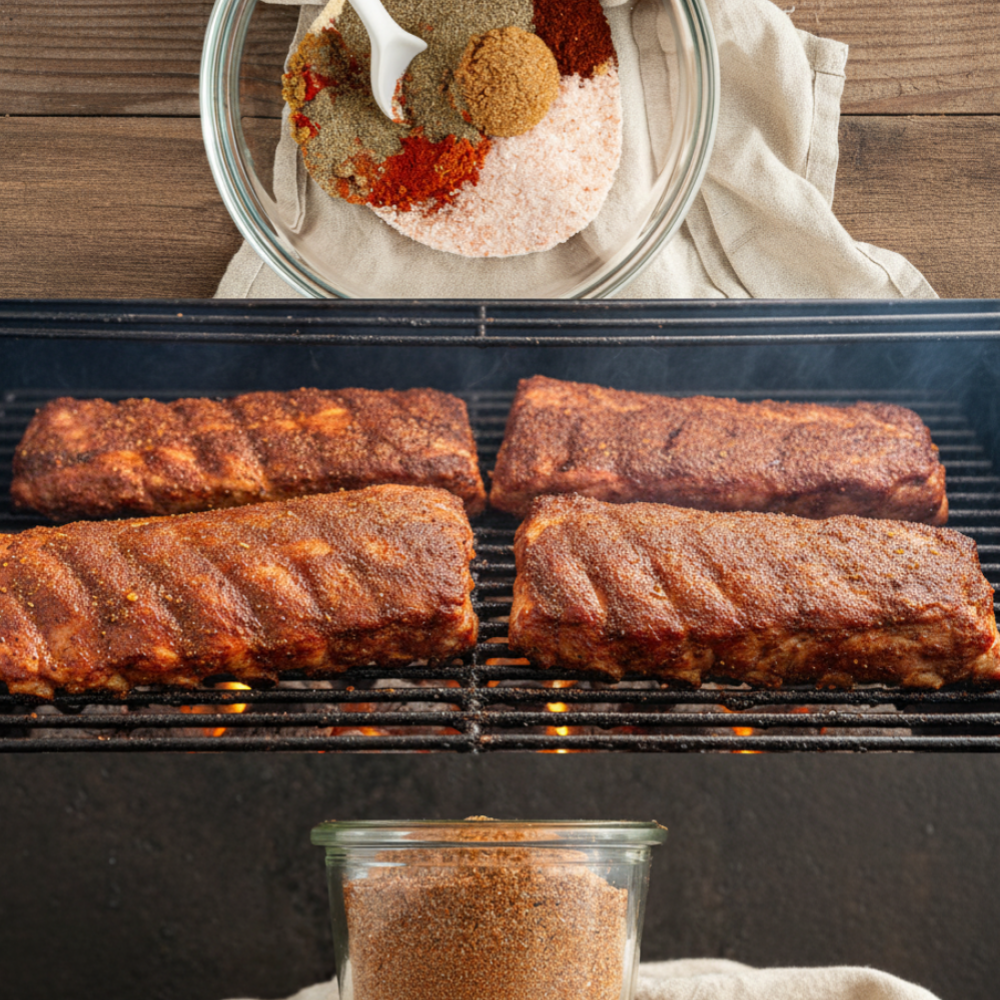
Finding the perfect seasoning for smoked meats can transform your weekend barbecue into an unforgettable event. This guide focuses on creating a robust, savory crust using a specialized beef ribs dry rub that yields tender, flavorful results every time. Mastering a precise blend of spices and a careful smoking process is key to achieving that coveted, deep red bark and succulent meat. This approach ensures your smoked beef short ribs, or any beef rib cut, will stand out.
Why This Seasoning Blend Works
Unlike leaner meats, beef requires a heavier, more peppery flavor profile to stand up to its rich, marbled fat and intense beefy taste. Our recommended blend balances coarse spices with just enough sweetness to encourage caramelization without burning during a long smoke. This specific combination is designed to create an exceptional bark while penetrating the meat with profound flavor. The robustness of this seasoning echoes the tradition of a Texas style BBQ rub, tailored specifically for beef. The careful selection of beef rub ingredients ensures every bite is seasoned to perfection, offering a complex yet harmonious flavor. The coarser grind of spices not only contributes to the texture of the bark but also allows for a slower release of flavor during the extended cooking process.
Understanding Beef Rib Cuts
While many classic barbecue traditions feature ribs from other animals, a strict beef menu offers its own magnificent selections that are perfect for smoking. Understanding the characteristics of each cut helps you choose the best option for your smoking adventure.
- Beef Plate Short Ribs (Dino Ribs): These are often considered the holy grail of beef ribs. They are cut from the plate primal, consisting of three thick, meaty bones. They carry immense marbling and a significant layer of meat on top of the bone, making them the ideal cut for a substantial, flavorful barbecue. These are perfect for showcasing a deep, dark bark and tender, shreddable meat. Properly seasoned, they transform into true dino ribs seasoning superstars.
- Beef Back Ribs: These ribs are cut from the prime rib primal, meaning they are the bones left over after the prime rib roast has been removed. They have meat primarily between the bones rather than on top. Despite having less meat than plate short ribs, they offer a rich, concentrated beef flavor and benefit greatly from the slow smoking process. A well-executed beef back ribs recipe highlights the delicate tenderness achieved through low-and-slow cooking.
- Beef Chuck Ribs: Cut from the chuck primal, these ribs offer a fantastic alternative to other rib styles. They are smaller than plate short ribs but typically boast a good amount of meat and connective tissue. This connective tissue breaks down beautifully when smoked, rendering a very tender and flavorful result. They are an excellent choice for those seeking a balance of meatiness and rich beef flavor.
Regardless of the cut, the right beef ribs dry rub will elevate its natural flavors.
Ingredients You Will Need
To achieve the perfect bark on ribs and a deeply flavored result, precise measurements and quality ingredients are crucial. This specific blend is designed to complement the rich nature of beef.
- 1 rack Beef ribs (approximately 3 to 4 lbs): Choose a rack with good marbling and consistent meat coverage.
- 1/4 cup Kosher salt: Provides essential seasoning and helps draw moisture to the surface for bark formation.
- 1/4 cup Coarse black pepper (16 mesh is ideal): The backbone of any good brisket style rub, providing pungent flavor and textural crunch for the bark.
- 2 tbsp Smoked paprika: Contributes a beautiful red hue to the bark and a subtle smoky depth.
- 2 tbsp Dark brown sugar: Aids in caramelization, contributing to the dark, attractive bark and balancing the savory notes.
- 1 tbsp Garlic powder: Adds an aromatic depth that is fundamental to classic barbecue flavors.
- 1 tbsp Onion powder: Enhances the savory profile, working in harmony with the garlic.
This combination of beef rub ingredients creates a balanced profile that stands up to the richness of beef without overpowering it.
Step-by-Step Instructions
Successfully smoking beef ribs requires patience and adherence to a proven method. Follow these steps carefully for consistently excellent results.
- Preheat: Start by preheating your smoker to a consistent 250°F. Maintaining a steady temperature is vital for even cooking and bark development. For authentic smoky flavor, oak or hickory wood provides the best traditional smoke profile for beef. If you are using a pellet smoker, ensure your hopper is full and set to the desired temperature. Many pellet smoker recipes emphasize stable temperatures.
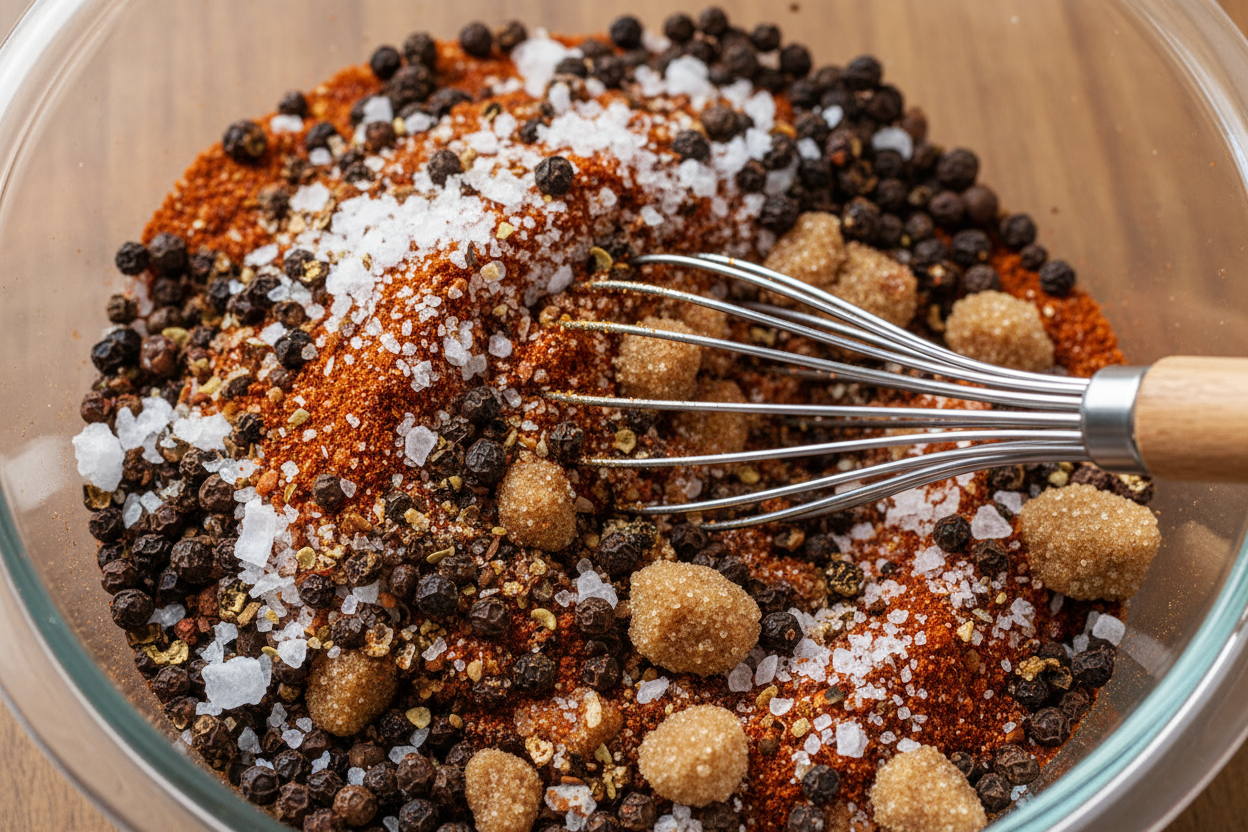
- Mix the Spices: In a small bowl, thoroughly mix the 1/4 cup Kosher salt, 1/4 cup coarse black pepper, 2 tbsp smoked paprika, 2 tbsp dark brown sugar, 1 tbsp garlic powder, and 1 tbsp onion powder. Ensure there are no clumps of brown sugar; a fork or small whisk works well to break them up. This creates your signature beef ribs dry rub.
- Prep the Meat: Flip the approximately 3 to 4 lbs rack of beef ribs meat-side down. Locate the silvery membrane on the bone side. Using a butter knife or the blunt end of a spoon, gently lift a corner of this membrane. Once you have a good grip, use a paper towel to firmly grasp the membrane and pull it off in one fluid motion. Removing this membrane ensures a more tender bite and allows the smoke and rub to penetrate evenly.
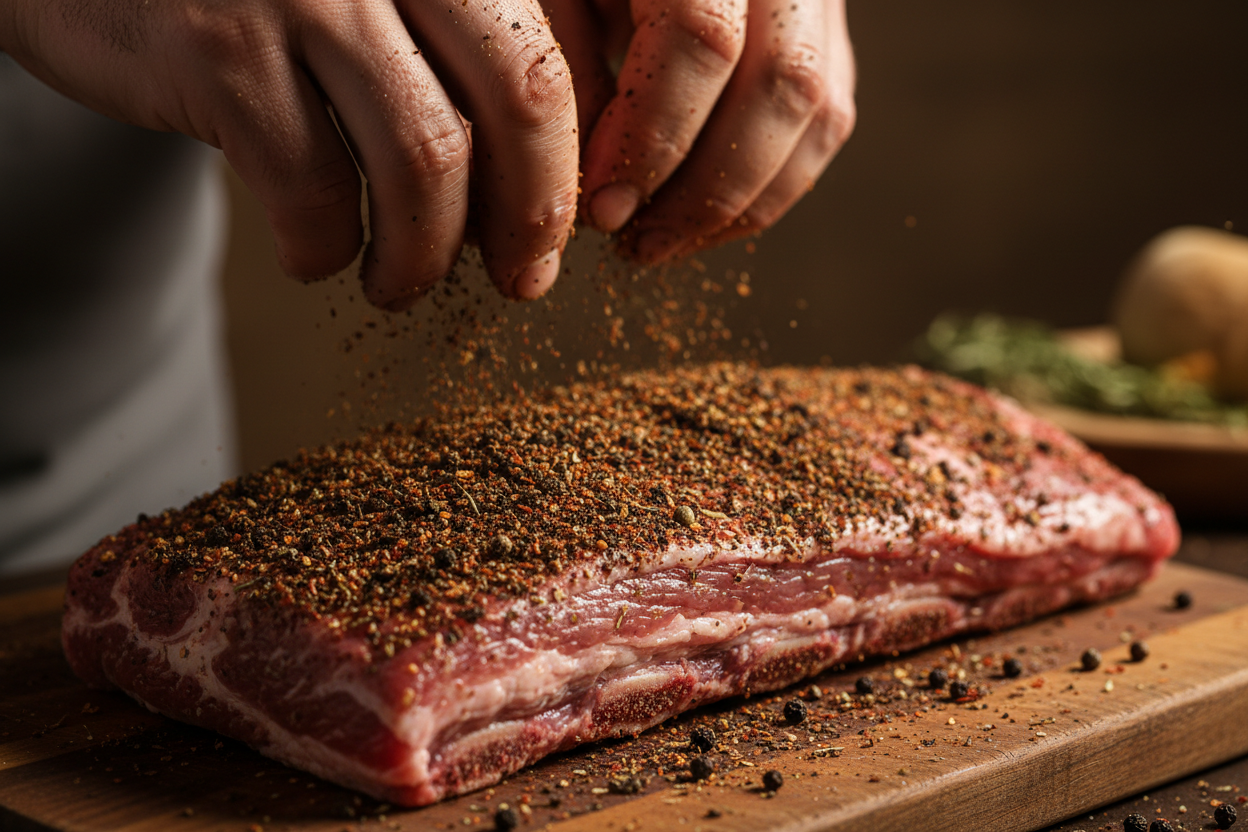
- Apply Seasoning: Coat all sides of the meat generously with your prepared spice mixture. Do not be shy; a substantial layer is key for a good bark. Pat the spices in gently; do not rub them aggressively, which can create paste. The moisture on the surface of the beef will help the rub adhere.
- Initial Smoke: Carefully place the seasoned beef ribs directly on the smoker grates. Close the lid promptly and smoke undisturbed for exactly 3 hours. This initial phase is crucial for developing the foundational layer of your bark on ribs. Resist the urge to open the smoker, as temperature fluctuations can hinder bark formation.
- Continue Cooking: After the initial 3 hours, check the bark. It should be firm and dark. If it looks dry, spritz lightly with water or beef broth using a spray bottle. This keeps the surface moist, preventing it from drying out while allowing the bark to continue forming. Continue smoking until an instant-read thermometer inserted into the thickest part of the meat (avoiding the bone) hits 203°F. This usually takes roughly 3 additional hours, but cook to temperature, not just time. The meat should be extremely tender.
- Rest: Once the beef ribs reach 203°F and are probe-tender, carefully pull them from the smoker. Place them on a cutting board or baking sheet and let them rest at room temperature, loosely tented with foil, for 45 minutes. This resting period is critical; it allows the juices to redistribute throughout the meat, resulting in a more succulent and tender final product. After resting, slice between the bones and serve.
Pro Tips for the Best Bark
Achieving that deep, flavorful bark on ribs is a hallmark of expertly smoked meat. These tips will help you perfect your technique.
- Use Coarse Spices: The texture of your spices significantly impacts the bark. Standard table pepper, for instance, is too fine and will not yield the same textural crunch as 16 mesh coarse black pepper. Coarse spices create a textured surface that captures smoke and caramelizes beautifully, forming a robust crust. This is a key component of any truly great Texas style BBQ rub.
- Do Not Wrap Too Early: Wrapping your ribs in butcher paper or foil too soon will steam the meat and prevent the formation of a crisp, dark bark. While wrapping can help tenderize the meat through the “stall,” it also softens the bark. Allow plenty of time for the bark to set and firm up during the initial smoking phase before considering any wrapping, if at all. Many purists prefer to go unwrapped for maximum bark development.
- Binder Optional: For beef ribs, a binder is often not strictly necessary. Beef typically has enough surface moisture and fat for the beef ribs dry rub to adhere effectively. However, if your meat appears very dry, a very thin coat of mustard or olive oil can help the spices stick. Apply it sparingly to avoid masking the flavor of the rub or impeding bark formation.
“The secret to extraordinary smoked beef ribs lies not just in the ingredients, but in the patience and precision of the low-and-slow cooking process. Let the smoke, temperature, and time work their magic to transform simple ribs into a tender, bark-laden masterpiece.”
Frequently Asked Questions
Can I use this in the oven?
Yes, you absolutely can use this same beef ribs dry rub and cooking approach in your oven if a smoker is not available. While you will miss the characteristic smoke flavor, the rub will still create a delicious, savory crust. Preheat your oven to 275°F. Place the seasoned beef ribs on a wire rack set over a baking sheet to allow for even air circulation. Bake until the internal temperature reaches 203°F and the meat is tender, typically taking 4-6 hours, depending on the cut and size. The spice blend remains exactly the same for oven preparation.
How long does the spice mix last?
When stored properly, your homemade beef ribs dry rub will maintain its freshness and potency for an extended period. To maximize its shelf life, transfer the mixed spices to an airtight container immediately after blending. Store this container in a cool, dark pantry or cabinet, away from direct sunlight and heat. Under these conditions, the mix will stay fresh and highly flavorful for up to 6 months. Beyond this period, while still safe to use, the spices may begin to lose some of their aromatic intensity.
Elevate your barbecue game with this expertly crafted beef ribs dry rub. Your patience will be rewarded with incredibly tender, flavorful ribs adorned with a rich, dark bark.
For more smoking tips, delicious recipes, and behind-the-scenes barbecue action, make sure to follow our community page. Join us on Facebook: Follow our Facebook page here.
Smoked Beef Ribs with Classic Dry Rub
Ingredients
- 1 rack Beef ribs (Back ribs or plate short ribs) Membrane removed
- 1/4 cup Kosher salt Diamond Crystal preferred
- 1/4 cup Coarse black pepper 16 mesh recommended for best bark
- 2 tbsp Smoked paprika For color and mild smoke flavor
- 2 tbsp Dark brown sugar Packed
- 1 tbsp Garlic powder
- 1 tbsp Onion powder
Instructions
- Preheat your smoker to 250°F using oak or hickory wood.
- In a small bowl, whisk together the Kosher salt, coarse black pepper, smoked paprika, dark brown sugar, garlic powder, and onion powder to create the rub.
- Remove the silver skin membrane from the back of the beef ribs using a butter knife and paper towel.
- Apply the seasoning mixture generously to all sides of the ribs, pressing it gently into the meat.
- Place the ribs in the smoker and cook undisturbed for 3 hours to set the bark.
- Spritz the ribs with water or beef broth hourly after the first 3 hours, cooking until the internal temperature reaches 203°F (about 3 more hours).
- Remove the ribs from the smoker and let them rest for 45 minutes before slicing.
For more daily recipes and tips, follow us on Facebook!
Click here to join our community!