Introduction: Better Than Takeout
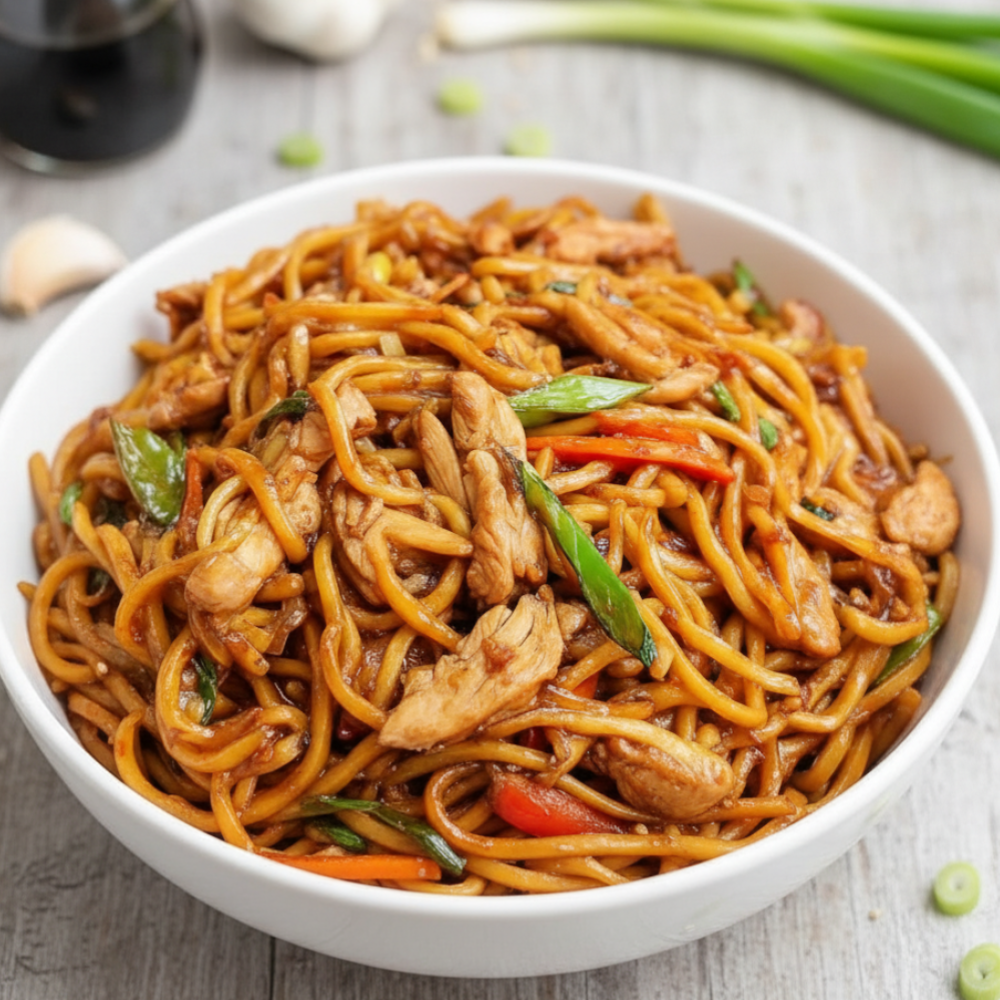
There’s a certain magic to a perfectly executed plate of noodles. Slippery, savory, and utterly satisfying, a good bowl of Chicken Lo Mein is pure comfort. While ordering Chinese takeout noodles is always a treat, there’s an even greater joy in creating that authentic flavor right in your own kitchen. Imagine tender, marinated chicken, crisp-tender vegetables, and springy noodles, all coated in a glossy, savory sauce that truly sings. This isn’t just about making a meal; it’s about experiencing the vibrant flavors and textures that make this dish a beloved classic, often surpassing what you’d get delivered.
Why Make Chicken Lo Mein at Home?
Beyond the simple pleasure of cooking, preparing homemade lo mein offers a wealth of benefits. Firstly, freshness is paramount. You control the quality of every ingredient, from the lean chicken breast to the vibrant greens. Secondly, customization is key. Have a preference for extra broccoli? Want to skip the onions? Making it at home means your dish is tailored precisely to your taste. You can also adjust the sodium levels, spice, and sweetness of the lo mein sauce ingredients to fit your dietary needs and personal preferences. Plus, it’s often a more economical choice, providing several generous servings for the cost of one takeout order. It’s a wonderful way to enjoy a restaurant-quality meal without leaving your house, making it the best chicken lo mein you’ll ever taste because it’s made with care, by you.
Essential Ingredients for Authentic Flavor
The secret to an unforgettable stir-fry chicken noodles dish lies in its components. Each ingredient plays a vital role in building that coveted balance of sweet, savory, and umami.
Choosing the Right Noodles
The foundation of any great lo mein is, of course, the noodles. While you might be tempted to reach for spaghetti, resist the urge! For true lo mein, you need either fresh or dried egg noodles. Fresh egg noodles, often labeled specifically as “lo mein noodles” or “Hong Kong style pan-fried noodles,” are ideal because they have the perfect chew and absorb the sauce beautifully. If fresh aren’t available, dried egg noodles will work well. Just be sure to boil them according to package directions until al dente – slightly firm – as they’ll continue to cook in the stir-fry. Overcooked, mushy noodles are the enemy of a perfect lo mein!
The Perfect Lo Mein Sauce Base
The sauce is where the magic happens. A well-balanced lo mein sauce transforms simple ingredients into an explosion of flavor. Here are the staples you’ll need for this easy lo mein recipe:
- Soy Sauce: Use a good quality light soy sauce for savory depth.
- Dark Soy Sauce: Adds a beautiful dark color and a subtle sweetness, distinct from light soy sauce.
- Oyster Sauce: Crucial for umami and a hint of richness. Don’t skip this!
- Sesame Oil: For that unmistakable nutty aroma. Add it at the end to preserve its delicate flavor.
- Rice Vinegar: A touch of acidity to brighten the sauce.
- Sugar: Balances the savory elements and promotes caramelization. Brown sugar or granulated works.
- Cornstarch: Acts as a thickening agent, giving the sauce a glossy, clingy texture.
- Chicken Broth (or water): To thin the sauce to the right consistency.
Combine these in a bowl beforehand. This “mise en place” for your sauce is critical for the fast-paced nature of stir-frying.
How to Velvet Chicken for the Best Texture
One of the hallmarks of professional Chinese cooking is the incredibly tender texture of the meat, and this is achieved through a technique called velveting chicken. It’s surprisingly simple and makes a world of difference for your homemade lo mein.
Pro Tip: Velveting creates a protective coating on the chicken, locking in moisture and ensuring every bite is succulent and tender.
Here’s how to do it:
- Slice your boneless, skinless chicken breast or thighs against the grain into thin strips or bite-sized pieces.
- In a bowl, combine the chicken with a small amount of baking soda (about ½ teaspoon per pound of chicken) and a tablespoon of soy sauce. Mix well and let it sit for about 15-20 minutes.
- Rinse the chicken thoroughly under cold running water to remove the baking soda, then pat it very dry. This step is important to prevent a soapy taste.
- Now, coat the rinsed and dried chicken with a tablespoon of cornstarch and a teaspoon of neutral oil (like vegetable or canola oil).
- Your chicken is now “velveted” and ready to be quickly stir-fried, resulting in unbelievably tender pieces every time.
Step-by-Step Chicken Lo Mein Instructions
Now that our ingredients are prepped and our chicken is velveted, it’s time to bring this delicious meal to life! Stir-frying is a fast process, so ensure everything is ready to go before you heat your wok or pan.
- Prepare the Noodles: Cook the lo mein noodles according to package instructions until al dente. Drain them, rinse briefly with cold water to stop cooking, then toss with a little sesame oil to prevent sticking. Set aside.
- Make the Sauce: In a small bowl, whisk together all the lo mein sauce ingredients: light soy sauce, dark soy sauce, oyster sauce, rice vinegar, sugar, cornstarch, and chicken broth. Set aside.
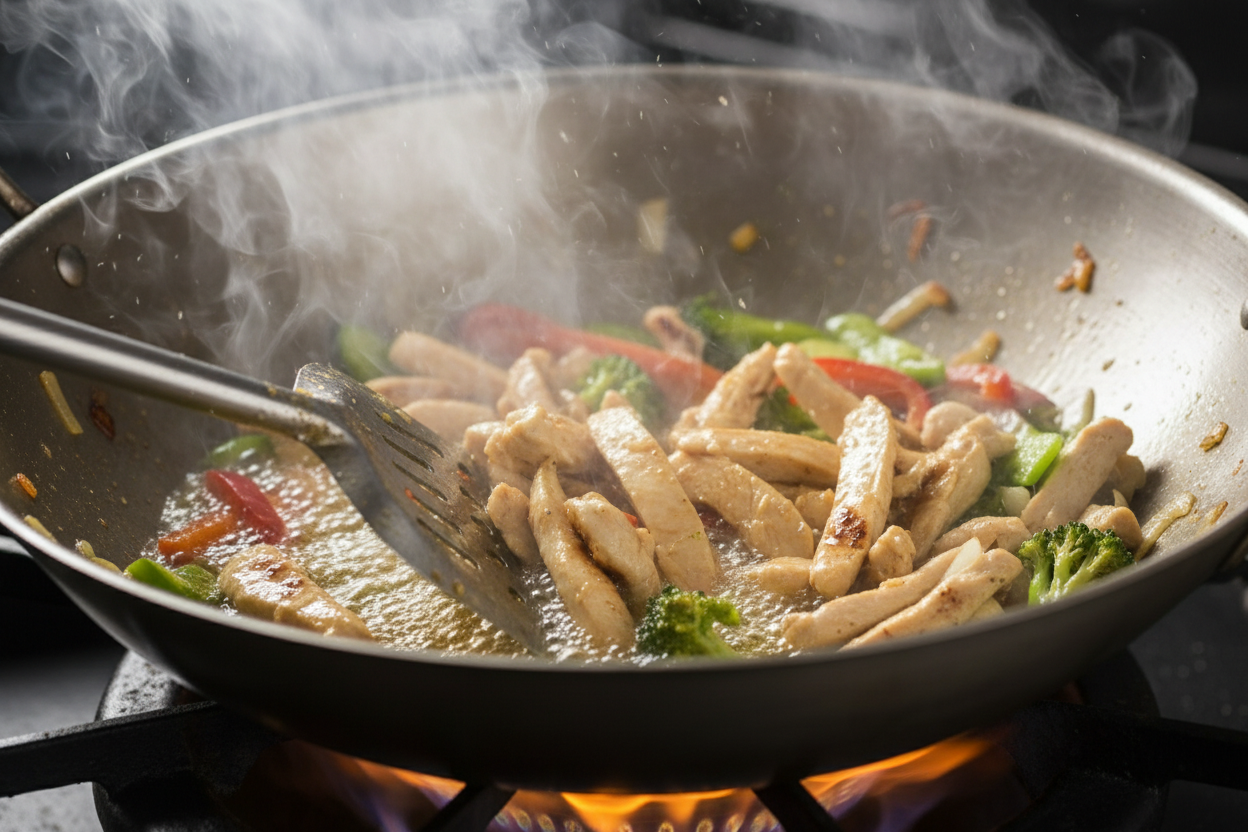
- Cook the Chicken: Heat 1-2 tablespoons of oil in a large wok or skillet over high heat until shimmering. Add the velveted chicken in a single layer and stir-fry for 2-3 minutes until cooked through and lightly golden. Remove the chicken from the wok and set aside.
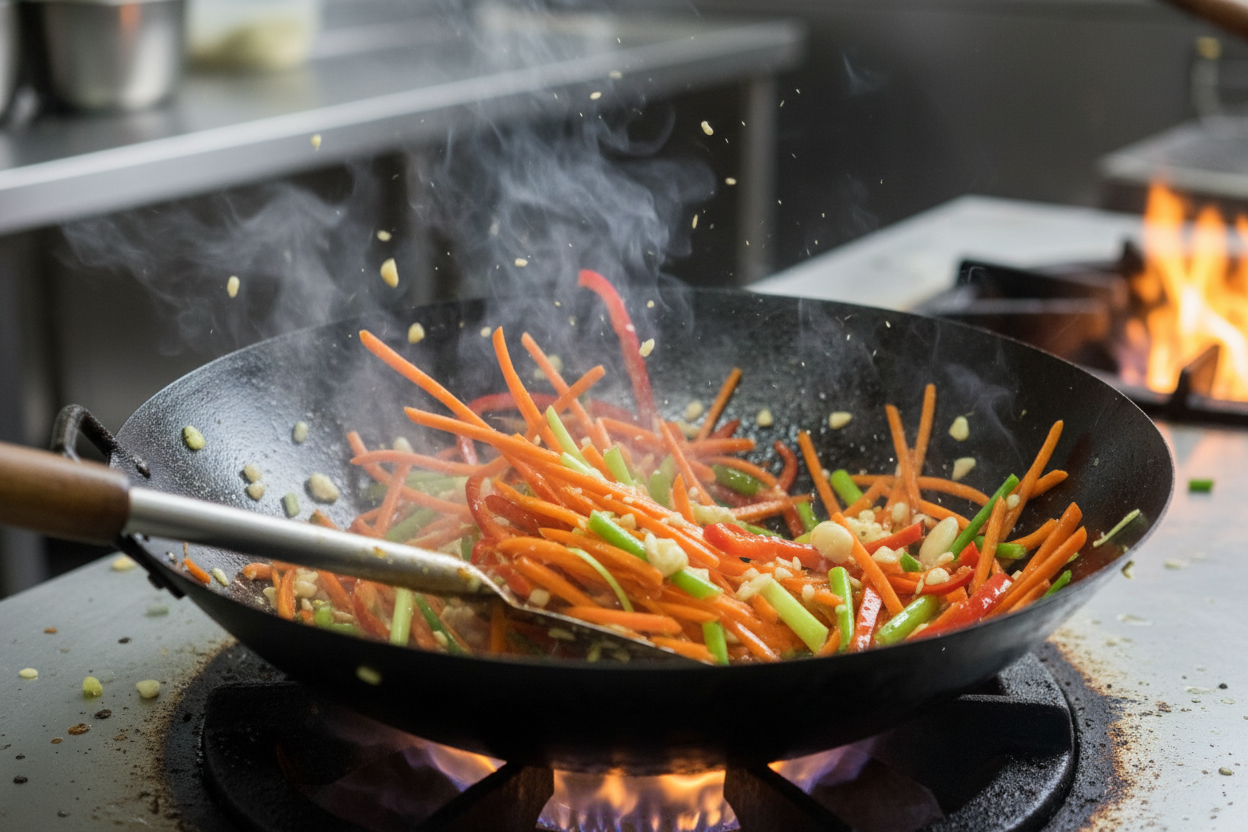
- Stir-Fry Vegetables: Add another tablespoon of oil to the hot wok. Add your chosen hardier vegetables first (like carrots, broccoli florets) and stir-fry for 2-3 minutes. Then add softer vegetables (like bell peppers, snap peas, mushrooms, shredded cabbage) along with minced garlic and ginger. Stir-fry for another 2-3 minutes until vegetables are crisp-tender.
- Combine and Finish: Return the cooked chicken to the wok with the vegetables. Add the prepared noodles. Give your sauce a quick whisk again (as cornstarch can settle) and pour it over the noodles, chicken, and vegetables.
- Toss and Serve: Using tongs or two spatulas, toss everything vigorously for 1-2 minutes, ensuring the noodles, chicken, and vegetables are evenly coated in the glossy sauce. Serve immediately, garnished with chopped green onions if desired.
Veggie Customizations and Variations
One of the best things about homemade lo mein is its adaptability. While traditional lo mein often includes a mix of cabbage, carrots, bell peppers, and snap peas, feel free to get creative with your favorite vegetables:
- Broccoli or Broccolini: Adds a lovely green color and florets absorb the sauce well.
- Mushrooms: Sliced shiitake or cremini mushrooms add an earthy umami.
- Bok Choy or Napa Cabbage: Wilt beautifully and add a delicate crunch.
- Bean Sprouts: For added freshness and crunch, stir in at the very end.
- Water Chestnuts or Bamboo Shoots: For classic Asian texture.
- Spice It Up: Add a pinch of red pepper flakes or a dash of sriracha to the sauce for a kick.
Remember to cut all your vegetables into similar sizes for even cooking.
Pro Tips for Stir-Frying at Home
Mastering the art of stir-frying can elevate your cooking to new heights. Here are a few pointers for a truly great stir-fry chicken noodles experience:
- High Heat is Key: A screaming hot wok or heavy-bottomed skillet is essential for achieving that characteristic “wok hei” (breath of the wok) and searing ingredients quickly without steaming them.
- Don’t Overcrowd the Pan: Cook in batches if necessary. Overcrowding lowers the pan’s temperature and leads to steaming instead of stir-frying, resulting in soggy ingredients.
- Prep Everything First (Mise en Place): Chop all vegetables, slice chicken, and mix the sauce before you even turn on the heat. Stir-frying moves fast, and you won’t have time to chop mid-cook.
- Use the Right Oil: Neutral oils with high smoke points like canola, vegetable, grapeseed, or peanut oil are best for stir-frying.
- Taste and Adjust: Always taste your sauce before adding it, and then taste the finished dish. Adjust seasonings as needed – a splash more soy sauce, a pinch more sugar, or a dash of rice vinegar can make all the difference.
Storage and Reheating Guide
While lo mein is best enjoyed fresh off the wok, leftovers are still incredibly delicious and make for fantastic meal prep.
Storage: Allow the cooked noodles to cool completely before transferring them to an airtight container. Store in the refrigerator for up to 3-4 days.
Reheating: For best results, reheat lo mein in a wok or skillet over medium-high heat. Add a tiny splash of water or chicken broth to help loosen the noodles and prevent them from drying out. Stir-fry for a few minutes until heated through. You can also microwave individual portions, but the texture might be slightly softer.
Frequently Asked Questions
We’ve covered a lot, but here are answers to some common questions about making this fantastic dish:
Q: What’s the difference between lo mein and chow mein?
A: While both are Chinese noodle dishes, the main difference lies in how the noodles are prepared. Lo mein noodles are boiled and then tossed with sauce and other ingredients, making them soft and pliable. Chow mein noodles are often fried, either until crisp or just lightly browned, giving them a chewier, often crispier texture.
Q: Can I use different proteins?
A: Absolutely! This easy lo mein recipe is incredibly versatile. Shrimp, sliced beef (think flank or sirloin), or even tofu can be substituted for chicken. Just adjust cooking times accordingly.
Q: Is this dish gluten-free?
A: Traditional lo mein noodles and soy sauce contain wheat. To make it gluten-free, use tamari instead of soy sauce and ensure your oyster sauce is gluten-free (some brands offer this). For noodles, look for rice noodles or certified gluten-free ramen noodles.
Q: How can I make my sauce thicker?
A: The cornstarch in the sauce recipe should provide ample thickening. If your sauce seems too thin, you can make a quick slurry of 1 teaspoon cornstarch mixed with 1 tablespoon cold water and stir it into the simmering sauce at the very end until it reaches your desired consistency. Be careful not to add too much, or it can become gummy.
Making homemade lo mein is a rewarding culinary adventure that brings the flavors of your favorite Chinese restaurant right into your home. With tender, velveted chicken, perfectly cooked noodles, and a rich, savory sauce, you’ll quickly discover why this dish is a true crowd-pleaser. Get ready to impress your family and friends with an authentic and incredibly delicious meal!
Want more amazing recipes and cooking tips delivered straight to your feed? Follow our journey and join our foodie community on Facebook! Find us at https://www.facebook.com/profile.php?id=61568538666337. We can’t wait to connect with you!
Super Easy 20-Minute Chicken Lo Mein
Ingredients
- 16 oz Lo Mein noodles Or use spaghetti if unavailable
- 1 lb Chicken breast Thinly sliced
- 2 tbsp Avocado oil Divided use
- 3 cloves Garlic Minced
- 3 stalks Green onions Sliced, whites and greens separated
- 2 medium Carrots Julienned
- 1 medium Red bell pepper Thinly sliced
- 1/4 cup Low sodium soy sauce
- 2 tbsp Oyster sauce
- 1 tbsp Sesame oil
- 1 tbsp Cornstarch
Instructions
- In a small bowl, whisk together the soy sauce, oyster sauce, sesame oil, and cornstarch. Set aside.
- Cook the lo mein noodles according to package instructions. Rinse under cold water, drain well, and set aside.
- Heat 1 tablespoon of avocado oil in a large wok or skillet over high heat. Add the sliced chicken breast and stir-fry until fully cooked. Remove the chicken from the wok and set aside.
- Add the remaining 1 tablespoon of avocado oil to the wok. Stir-fry the minced garlic and the white parts of the green onions for 30 seconds until fragrant.
- Add the carrots and red bell pepper to the wok. Stir-fry for 3-4 minutes until the vegetables are tender-crisp.
- Return the chicken and noodles to the wok. Pour the sauce mixture over the top.
- Toss continuously for 2 minutes until everything is evenly coated and heated through.
- Remove from heat, garnish with the green parts of the sliced green onions, and serve immediately.
For more daily recipes and tips, follow us on Facebook!
Click here to join our community!