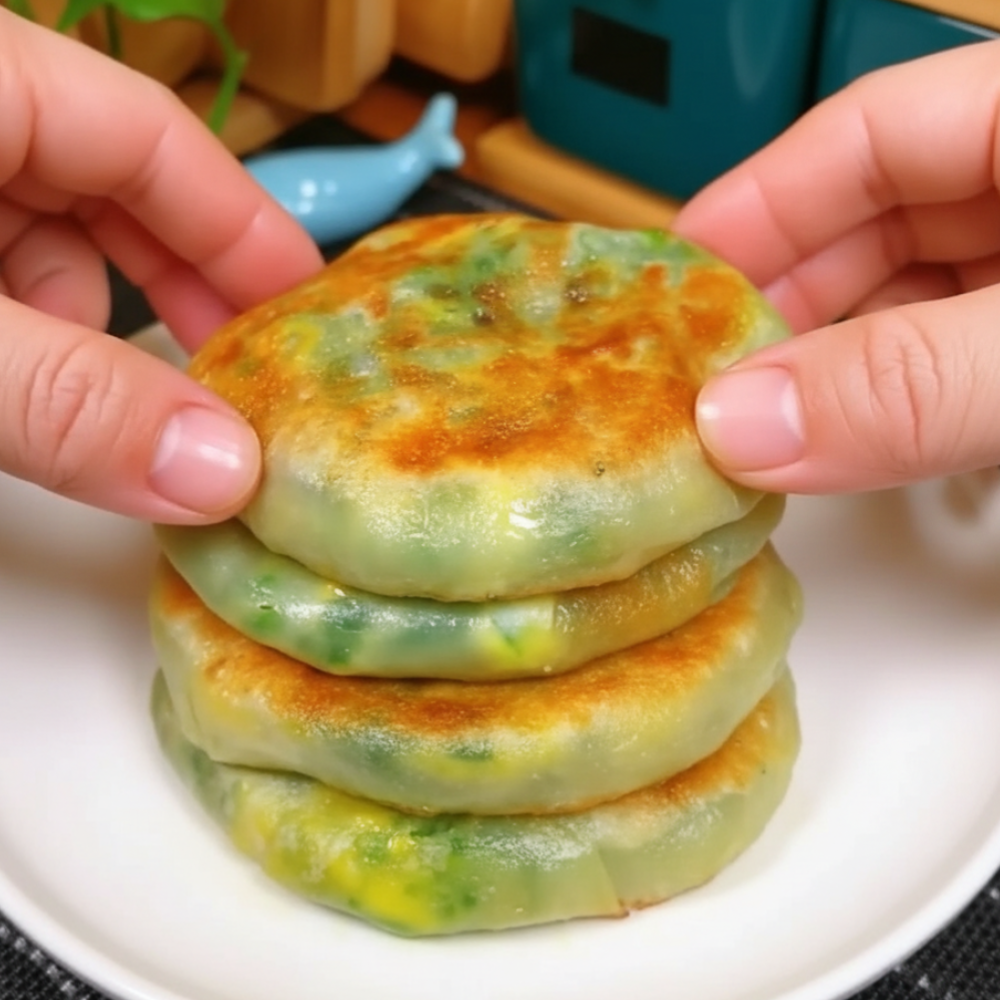
Chinese pan-fried dumplings, known as Jiu Cai He Zi, offer a delightful glimpse into Northern Chinese culinary traditions. These savory turnovers, often referred to as a “Chive Pocket,” are a staple in many households, cherished for their satisfying texture and rich filling. Traditionally enjoyed as a hearty breakfast item or a robust snack, these Asian savory hand pies provide a comforting and flavorful experience. They represent a fundamental component of various dim sum recipes, showcasing the versatility and appeal of pan-fried dough. The distinct charm of a Chive Pocket lies in its perfectly crisp exterior and tender, aromatic interior, making it a beloved dish across generations.
The heart of any Chive Pocket resides in its meticulously crafted filling, which boasts a harmonious blend of flavors and textures. The star components are tender ground beef, scrambled eggs, and aromatic garlic chives. The rich ground beef provides a savory depth, while the garlic chives contribute a distinct, slightly pungent, and undeniably fresh taste that brightens the entire dish. These aren’t just any chives; garlic chives offer a more assertive flavor profile than regular chives, essential for the authentic taste of these beef and chive turnovers. Scrambled eggs play a crucial role beyond just flavor; their addition serves a practical culinary purpose. The fluffy eggs absorb the savory juices released by the beef and chives during cooking, ensuring the filling remains tender and moist without becoming watery. This combination creates a robust and balanced flavor, making each bite truly satisfying.
Achieving the perfect wrapper for a Chive Pocket is paramount, and this is where the science of hot water dough comes into play. Unlike cold water dough, which yields a chewier texture, hot water dough is specifically designed to create a wrapper that is pliable, yet has a tender bite after cooking, and can develop an irresistible crispness when pan-fried. The process begins by combining hot water with a portion of the flour. The hot water gelatinizes the starches in the flour, which essentially pre-cooks some of the starch granules. This results in a softer, more pliable dough that is easier to roll out thinly without tearing. Subsequently, a smaller amount of cold water is incorporated. The cold water helps to maintain some of the gluten structure, preventing the dough from becoming too soft or sticky. This dual-temperature approach yields a dough that is resilient enough to hold the generous filling, yet tender on the inside, and capable of forming that signature crispy exterior once it hits the hot pan. Mastering this hot water dough technique is key to authentic Chive Pocket perfection.
Step-by-Step Instructions
Creating your own Crispy Beef and Chive Pocket is a rewarding process. Follow these steps carefully for authentic results.
- Dough Preparation: In a large mixing bowl, combine 3 cups of all-purpose flour with 1 teaspoon of salt. Gradually add 3/4 cup of hot water to the flour mixture, stirring constantly with chopsticks or a wooden spoon until shaggy clumps form. Then, add 1/4 cup of cold water and knead the dough until it comes together into a smooth ball. Cover the dough with a damp cloth or plastic wrap and let it rest for 30 minutes at room temperature. This resting period is crucial for the gluten to relax, making the dough easier to work with.
- Egg Preparation: Heat 1 tablespoon of oil in a non-stick skillet over medium heat. Crack 3 eggs directly into the skillet and scramble them until fully cooked through and fluffy. Once cooked, remove the eggs from the pan, chop them finely, and allow them to cool completely before mixing with other ingredients. This cooling step prevents the eggs from further cooking the other filling components prematurely.
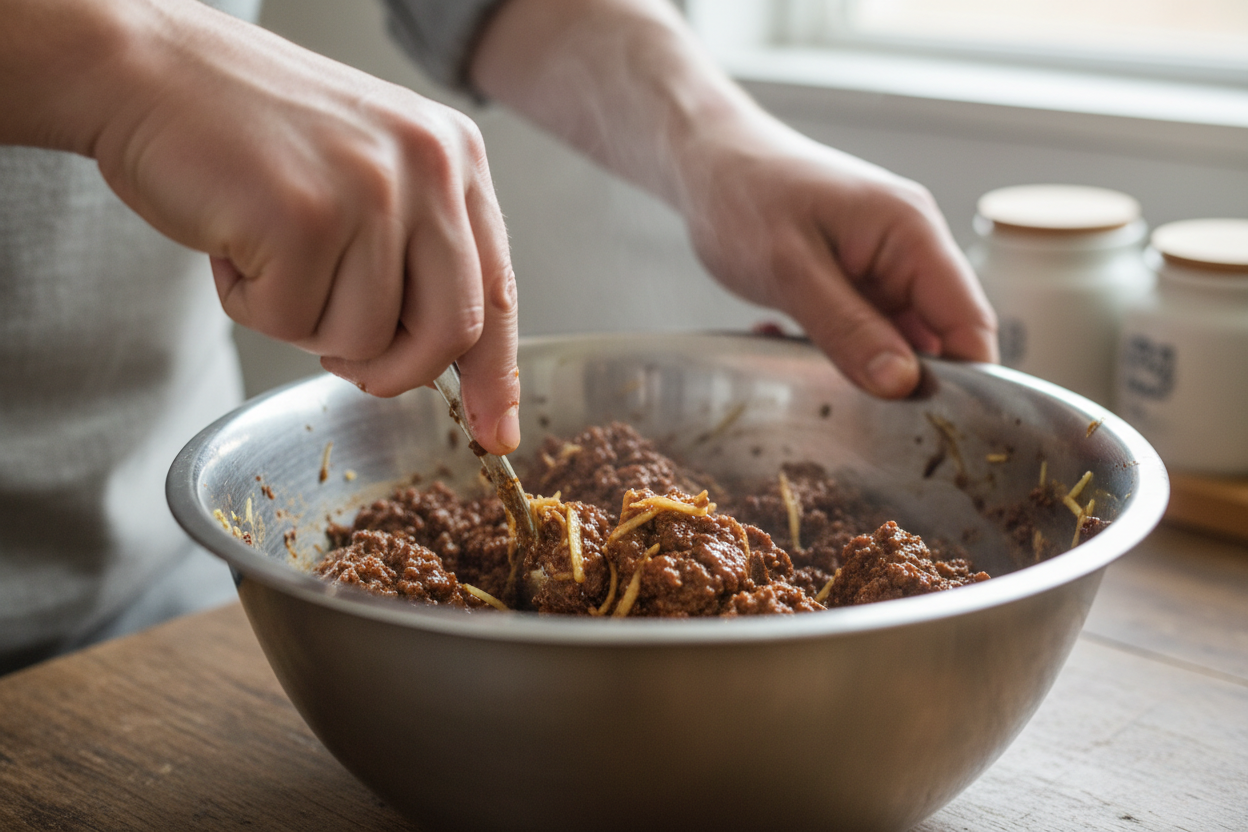
- Beef Seasoning: In a separate bowl, combine 8 oz of ground beef. Add 2 tablespoons of soy sauce, 1 tablespoon of sesame oil, 1 tablespoon of oyster sauce, 1/2 teaspoon of white pepper, 1 tablespoon of minced ginger, and 1 teaspoon of salt. Mix thoroughly until all ingredients are well incorporated. Ensure the seasoning is evenly distributed throughout the beef to guarantee flavorful pockets.
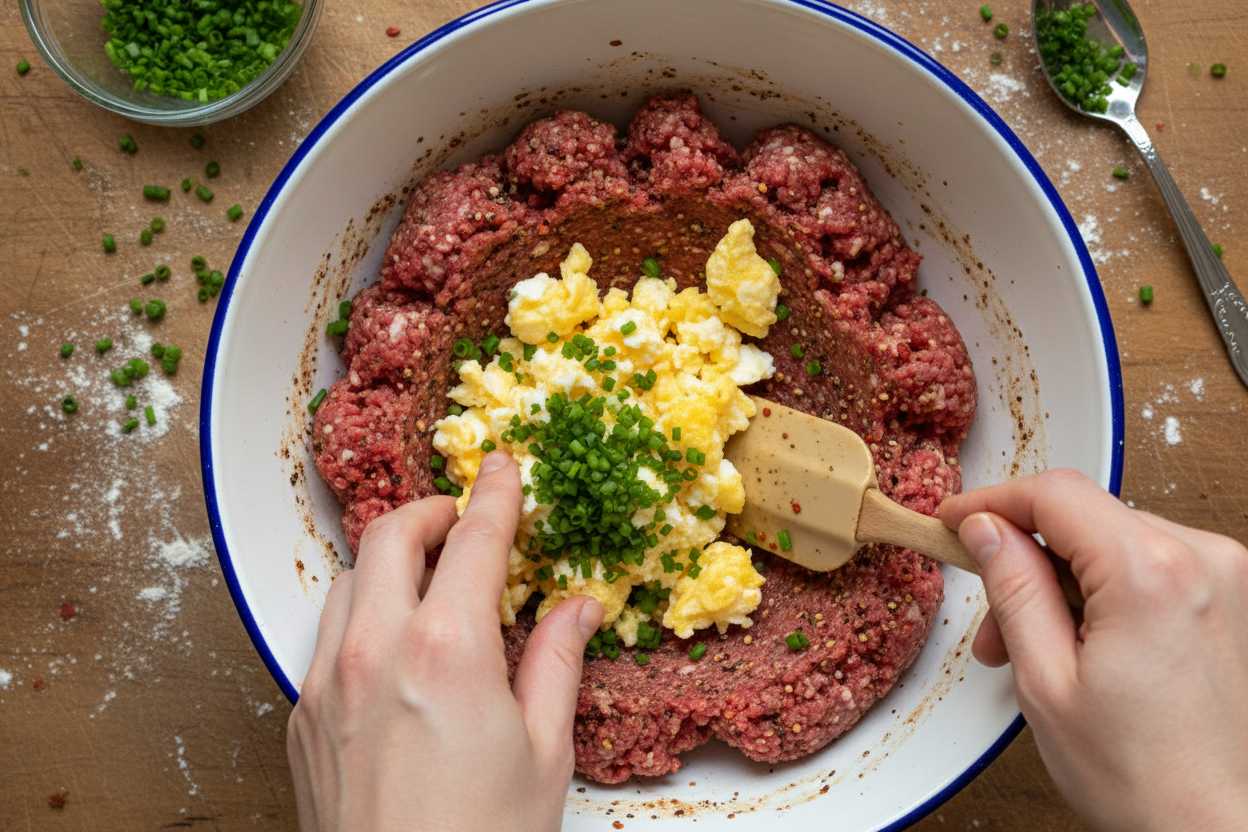
- Chive Integration: Take 3 cups of chopped chives and toss them with a small amount of oil in a bowl. This step helps to coat the chives, preventing them from releasing too much moisture into the filling prematurely. Then, gently fold the oil-coated chives and the finely chopped, cooled scrambled eggs into the seasoned beef mixture. Be careful not to overmix, as this can compress the filling.
- Assembling: Once the dough has rested, divide it into 12 equal portions. On a lightly floured surface, roll each dough portion into a 6-inch circle using a rolling pin. Place approximately 3 tablespoons of the prepared filling in the center of one half of the rolled dough circle. Fold the other half of the dough over the filling to create a semi-circle. Carefully crimp the edges tightly to seal the Chive Pocket, ensuring no filling escapes during cooking. A fork can be used to create a decorative, secure seal.
- Pan-Frying: Heat a large non-stick skillet over medium heat. Add 3 tablespoons of oil to the skillet, ensuring it coats the bottom evenly. Once the oil is hot, carefully place a few Chive Pockets into the skillet, making sure not to overcrowd the pan. Pan-fry for 3-4 minutes on each side, or until both sides are golden brown and crispy. After frying, add 2 tablespoons of water to the skillet, immediately cover it with a lid, and steam the Chive Pockets for 2 minutes. This steaming step ensures the filling is thoroughly cooked and the dough becomes tender. Remove from the skillet and serve hot.
Expert Cooking Tips
Achieving the perfect Chive Pocket involves a few key techniques to ensure maximum flavor and texture. One common challenge is preventing the filling from weeping, which can make the dough soggy. To counteract this, always toss the chopped chives with a small amount of oil before mixing them into the beef and egg mixture. This light coating of oil creates a barrier, preventing the chives from releasing their moisture too quickly. This simple step is vital for a robust, contained filling.
Another critical aspect is ensuring a tight seal when assembling your beef and chive turnovers. A well-crimped edge is not just for aesthetics; it is functional. A secure seal keeps all the savory juices locked inside the Chive Pocket during the pan-frying process. If the seal is compromised, steam and juices can escape, leading to a less flavorful and potentially dry filling, as well as a messy cooking experience. Take your time during assembly to pinch the edges firmly, or use a fork to create a decorative and robust seal. This attention to detail will result in perfectly cooked, juicy pan-fried dough every time.
How to Store and Reheat Your Chive Pocket
Proper storage and reheating are essential to preserve the deliciousness and signature crispiness of your Chive Pocket. For future enjoyment, these Asian savory hand pies can be easily stored.
If you wish to prepare them in advance, uncooked Chive Pockets can be frozen. After assembling, arrange them in a single layer on a parchment-lined baking sheet and freeze until solid. Once frozen, transfer them to an airtight freezer bag or container. They can be stored for up to 1 month. When ready to cook, pan-fry them directly from frozen, adding a few extra minutes to the cooking time per side to ensure they cook through.
For reheating leftover cooked Chive Pockets, avoid the microwave, as it will make the dough soggy. The best method to maintain that desirable crispy exterior is to reheat them in a skillet over medium heat with a small amount of oil until warmed through and re-crisped. Alternatively, an air fryer set to 350°F (175°C) for 5-7 minutes can also achieve excellent results, bringing back their delightful crunch.
Frequently Asked Questions
Many home cooks have questions about making the perfect Chive Pocket. Here are some common inquiries.
Can store-bought wrappers be used as a shortcut?
While store-bought dumpling wrappers can technically be used, they are typically designed for steaming or boiling and may not achieve the same delicate chewiness and crispy exterior as the traditional hot water dough. The hot water dough recipe provided here is specifically tailored for these Chinese pan-fried dumplings and is highly recommended for the best results.
What dipping sauces pair best with Chive Pocket?
The rich flavors of these beef and chive turnovers are wonderfully complemented by simple, tangy dipping sauces. A classic pairing is black vinegar, which offers a sharp counterpoint to the savory filling. For those who enjoy a bit of heat, chili oil adds a spicy kick. A combination of black vinegar, a dash of soy sauce, and a few drops of chili oil creates a balanced and flavorful dipping experience.
Embrace the tradition of Jiu Cai He Zi and enjoy crafting these delicious beef and chive turnovers in your kitchen.
Follow our journey on Facebook for more authentic recipes and culinary insights.
Pan-Fried Beef and Garlic Chive Turnovers
Ingredients
- 3 cup All-purpose flour plus extra for dusting
- 3/4 cup Hot water just off the boil
- 1/4 cup Cold water
- 2 tsp Salt divided (1 tsp for dough, 1 tsp for filling)
- 3 Eggs large, beaten
- 8 oz Ground beef 80/20 blend preferred
- 3 cup Chinese garlic chives finely chopped
- 2 tbsp Soy sauce
- 1 tbsp Sesame oil
- 1 tbsp Oyster sauce
- 1/2 tsp White pepper
- 1 tbsp Fresh ginger minced
- 4 tbsp Vegetable oil divided for cooking eggs and pan-frying
Instructions
- In a large bowl, whisk together the flour and 1 teaspoon of salt. Pour in the hot water and stir with chopsticks until crumbly. Add the cold water and knead until a smooth dough forms. Cover and rest for 30 minutes.
- Heat 1 tablespoon of vegetable oil in a skillet over medium heat. Add the beaten eggs, scramble until just cooked, then remove from heat. Chop into small pieces and let cool completely.
- In a mixing bowl, combine the ground beef, soy sauce, sesame oil, oyster sauce, white pepper, minced ginger, and remaining 1 teaspoon of salt. Stir vigorously in one direction until the mixture becomes slightly sticky.
- Toss the chopped chives with a small drizzle of oil to prevent them from releasing excess moisture. Fold the chives and cooled scrambled eggs into the beef mixture until evenly distributed.
- Divide the rested dough into 12 equal portions. Roll each piece into a 6-inch circle. Place about 3 tablespoons of the beef filling onto one half of each circle.
- Fold the dough over the filling to create a half-moon shape. Press the edges firmly to seal, then crimp or pleat the edges tightly to ensure they do not open during cooking.
- Heat the remaining 3 tablespoons of vegetable oil in a large skillet over medium heat. Place the turnovers in the pan and cook for 3 to 4 minutes per side until golden brown and crispy.
- Add a splash of water (about 2 tablespoons) to the skillet and immediately cover with a lid. Let steam for 2 minutes to ensure the beef is fully cooked. Remove the lid, let the remaining moisture evaporate, and serve hot.
For more daily recipes and tips, follow us on Facebook!
Click here to join our community!