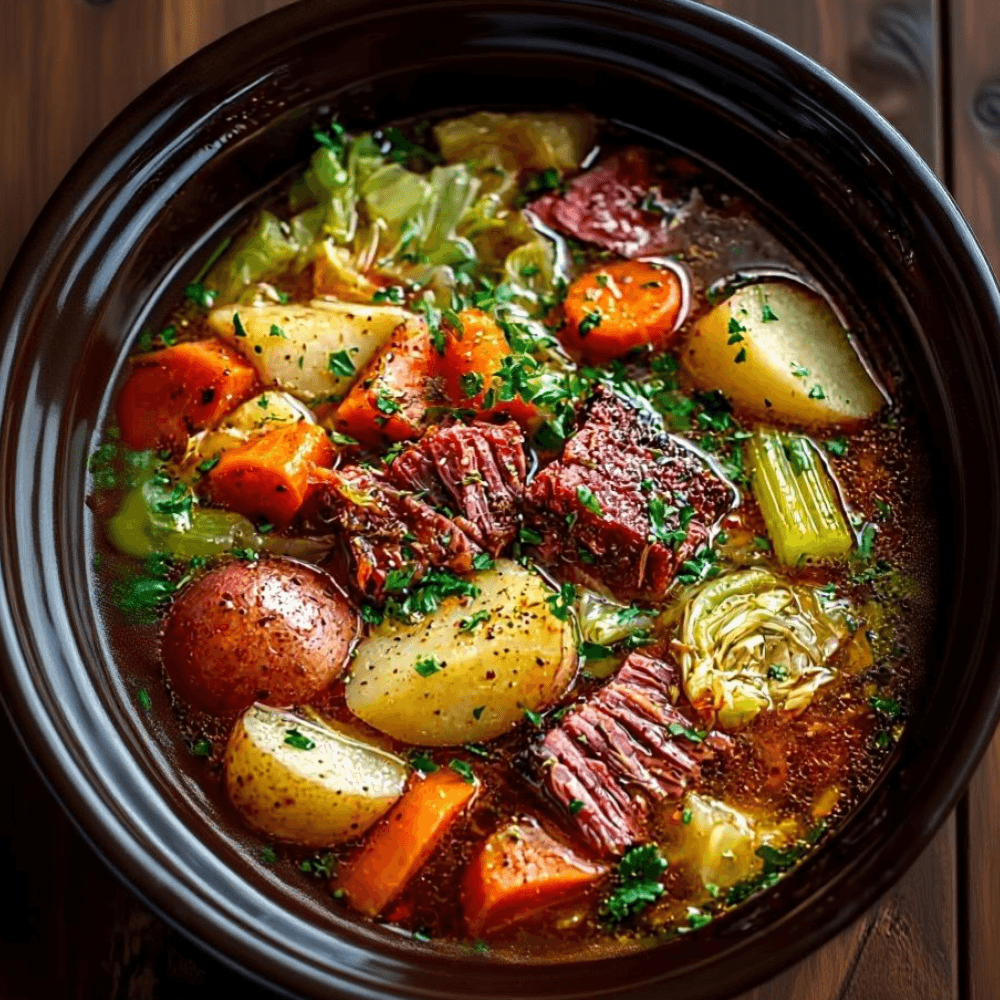
Embrace the Comfort: Crafting the Ultimate Corned Beef and Cabbage Stew
There’s nothing quite like the warmth and comfort of a hearty, bubbling stew on a chilly evening. And when it comes to classic, soul-satisfying dishes, an Irish-style stew truly takes the crown. While many associate St. Patrick’s Day with a traditional boiled dinner, we’re here to talk about a game-changer: the ultimate Corned Beef and Cabbage Stew. This dish is not just perfect for celebrating Irish heritage; it’s also an ingenious way to transform leftover corned beef into an entirely new culinary experience, offering a depth of flavor that’s both savory and incredibly tender.
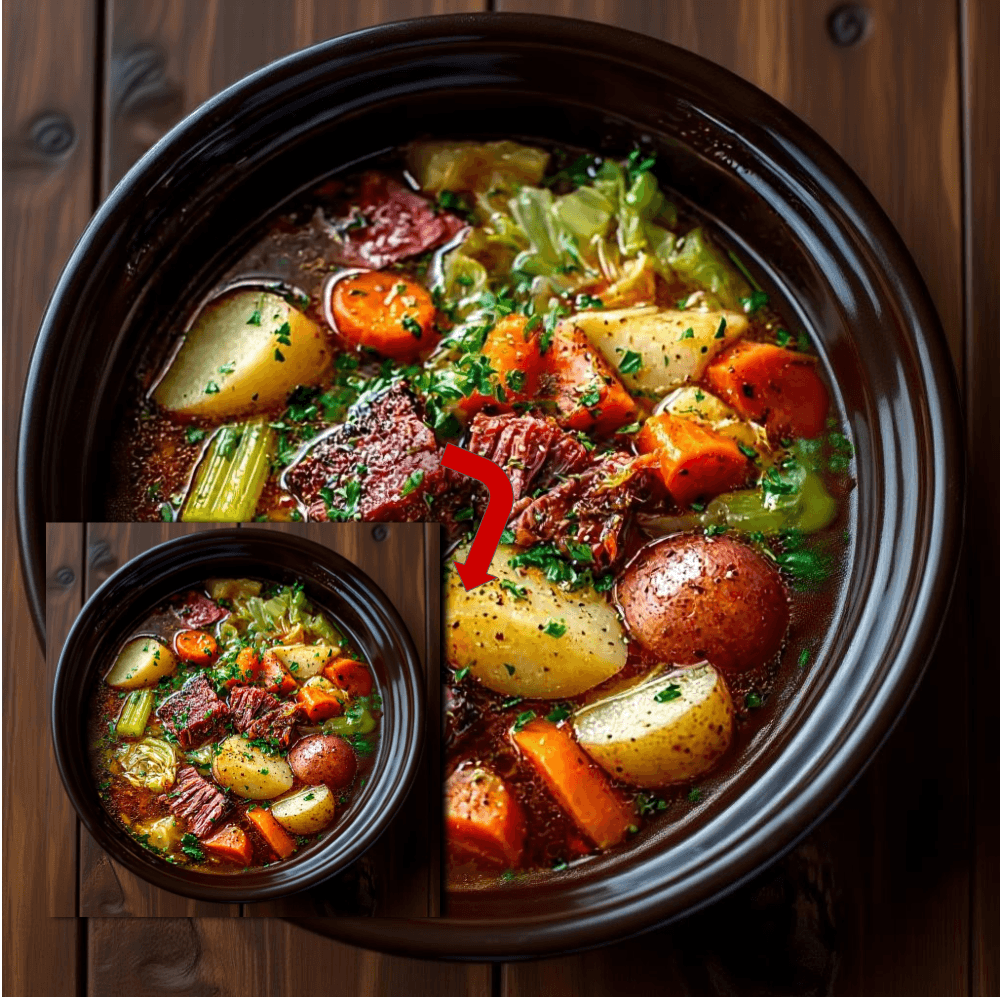
Imagine succulent cubes of melt-in-your-mouth corned beef, swimming in a rich, deeply flavored broth alongside tender potatoes, carrots, and sweet cabbage. It’s a symphony of salty, savory, and subtly sweet notes, all harmoniously blended to create a truly unforgettable meal. Whether you’re planning your St. Patrick’s Day dinner ideas or simply craving a nourishing dish, this recipe for a hearty beef and cabbage soup is about to become your new favorite.
What is Corned Beef and Cabbage Stew?
While the traditional St. Patrick’s Day boiled dinner often features a slab of corned beef cooked with vegetables, Corned Beef and Cabbage Stew elevates these beloved ingredients into a cohesive, flavorful stew. It’s a delightful departure, transforming what might be a simple platter into a comforting bowl. The distinction lies in the preparation: instead of merely boiling, we build layers of flavor through sautéing, simmering, and thoughtfully combining ingredients.
The magic of corned beef lies in its curing process, where beef brisket is brined in a solution of salt and spices, including peppercorns, mustard seeds, and bay leaves. These pickling spices infuse the meat with its characteristic savory, slightly tangy flavor. In a stew, this unique salty profile is perfectly balanced by the sweetness of root vegetables like carrots and parsnips, and the slight bitterness of green cabbage. The result is a complex, deeply satisfying flavor profile that distinguishes it from any other traditional Irish stew.
Ingredients for the Perfect Stew
The Meat
- Choosing the Right Cut: For the most tender results, look for a flat cut brisket, which is leaner and slices beautifully. However, a point cut brisket, with its higher fat content, can render an incredibly rich and flavorful stew, though it may require a bit more trimming.
- Tip: Cubing Raw Brisket vs. Shredding Cooked Meat: For this stew, we recommend starting with raw corned beef brisket, trimmed and cubed into uniform pieces (about 1-inch). This allows the beef to braise slowly in the broth, absorbing all the flavors and becoming wonderfully tender. If you’re using leftover cooked corned beef, you’ll simply shred or cube it and add it towards the end of the cooking process, as it’s already tender.
The Vegetables
- Best Potatoes for Stew: For a creamy texture that holds its shape, Yukon Gold potatoes are ideal. Their waxy texture prevents them from falling apart. If you prefer a starchier, slightly more crumbly texture, Russet potatoes can also be used, but may break down more during the long simmer.
- Why Green Cabbage is the Standard Choice: Its slightly peppery flavor and firm texture hold up well to cooking, adding essential freshness and a classic touch to your Corned Beef and Cabbage Stew.
- Aromatic Base: Don’t underestimate the power of onions, celery, and garlic. Sautéing these until fragrant creates the fundamental flavor base for any great stew.
The Broth
- Importance of Low-Sodium Beef Broth: Corned beef is inherently salty from the brining process. Using low-sodium beef broth gives you control over the overall seasoning, preventing your stew from becoming overly salty.
- Adding Stout (Guinness) for Depth of Flavor: A good quality stout, like Guinness, is a secret ingredient for many a Guinness beef stew and will add an incredible depth, malty sweetness, and a beautiful dark hue to your broth. The alcohol cooks off, leaving behind only its rich essence.
Step-by-Step Cooking Instructions
1. Preparing the Meat
- Begin by trimming any excessive fat from your raw corned beef brisket. While some fat adds flavor, too much can make the stew greasy.
- Cut the brisket into uniform 1-inch cubes. This ensures even cooking and tenderness.
- Searing for Flavor (Optional but Recommended): In a large Dutch oven or heavy-bottomed pot, heat a tablespoon of oil over medium-high heat. Sear the beef cubes in batches until deeply browned on all sides. This crucial step, known as the Maillard reaction, creates incredible depth and complexity for your Corned Beef and Cabbage Stew. Remove the seared beef and set aside.
2. Building the Base
- In the same pot, add a little more oil if needed. Sauté your diced onions, celery, and carrots (if adding carrots early) over medium heat until softened and fragrant, about 5-7 minutes. Add minced garlic and cook for another minute until aromatic.
- Deglazing the Pot: Pour in about half a cup of stout or beef broth, scraping the bottom of the pot with a wooden spoon to loosen any browned bits. These “fond” bits are packed with flavor!
3. The Simmer
- Return the seared beef to the pot. Add the remaining beef broth, the rest of the stout, and the pickling spice packet that usually comes with the corned beef (or add your own blend of bay leaves, peppercorns, and allspice).
- Bring the liquid to a gentle simmer, then reduce the heat to low, cover the pot, and let it cook low and slow. This is key to tenderizing the tough brisket. Simmer for at least 2-3 hours, or until the beef is fork-tender.
4. Adding Vegetables
- After the beef has simmered for about 1.5-2 hours, add the diced potatoes and remaining carrots (if using fresh, not leftover). Continue to simmer until these vegetables are tender, about 30-45 minutes.
- Crucial Step: Adding Cabbage Last: To prevent the cabbage from becoming mushy and overcooked, add the chopped green cabbage only in the last 15-20 minutes of simmering. It will wilt down beautifully while retaining a slight bite.
Tips for Tender Corned Beef
- Rinsing the Meat: How to Control Sodium Levels: Given the brined nature of corned beef, a quick rinse under cold water before cooking can help remove some surface salt, giving you more control over the final seasoning. Don’t over-rinse, as you want to retain some of that classic flavor.
- Low & Slow: Why Rushing Results in Chewy Meat: The connective tissues in brisket require ample time at a low temperature to break down and become tender. Patience is paramount; a rushed cook will result in disappointingly chewy beef. This is the secret to any great Irish beef stew recipe.
- Testing Doneness: The Fork-Tender Rule: Your corned beef is perfectly cooked when a fork can easily slide into and pull away from the meat with minimal resistance. If it’s still tough, it needs more time on the simmer.
Variations of the Recipe
Slow Cooker Method
Transforming this into a slow cooker corned beef stew is incredibly convenient. After searing the beef (optional but recommended for flavor), simply combine all ingredients (except cabbage, which goes in the last hour) in your slow cooker. Cook on LOW for 6-8 hours or HIGH for 3-4 hours, until the beef is fork-tender. You may need to reduce the liquid slightly, as less evaporates in a slow cooker.
Instant Pot Method
For a quicker weeknight meal, the Instant Pot is your friend. Sear the beef using the ‘Sauté’ function, then add the aromatics, broth, and beef. Pressure cook on HIGH for 60-75 minutes, followed by a natural release for 10-15 minutes. Add the potatoes and carrots, pressure cook for another 5-7 minutes, then quickly release pressure. Stir in the cabbage and let it sit for a few minutes to wilt.
Using Leftovers
If you have post-holiday leftover corned beef, this recipe is a fantastic way to give it new life as a comforting leftover corned beef soup or a rich corned beef chowder. Since the beef is already cooked and tender, you’ll skip the long initial simmer. Simply build your vegetable base and broth, simmer until the vegetables are tender, then stir in the shredded or cubed cooked corned beef and cabbage during the last 15-20 minutes to heat through. This saves considerable time while still delivering incredible flavor.
Serving Suggestions
- Traditional Sides: A slice of crusty Irish Soda Bread or hearty Rye Bread is perfect for soaking up every last drop of the delicious broth.
- Condiments: A dollop of creamy horseradish cream or a smear of grainy mustard adds a delightful kick that complements the richness of the beef.
- Drink Pairings: Naturally, a pint of stout (like Guinness) or a robust Irish Red Ale makes for an authentic and satisfying pairing.
Storage and Reheating
This Corned Beef and Cabbage Stew tastes even better the next day! Allow it to cool completely before storing.
- Refrigeration: Store in an airtight container in the refrigerator for up to 3-4 days.
- Freezing Tips: For longer storage, freeze portions in freezer-safe containers for up to 3 months. If possible, consider removing the potatoes before freezing, as they can sometimes become mealy upon thawing. Reheat gently on the stovetop or in the microwave, adding a splash of broth or water if it’s too thick.
- Reheating Gently: To maintain the tender texture of the beef and vegetables, reheat slowly over low heat on the stovetop, stirring occasionally. Avoid high heat, which can cause the ingredients to break down or become tough.
Frequently Asked Questions (FAQ)
Can I use regular beef chuck?
While you can certainly make a delicious beef stew with regular beef chuck, it won’t have the distinctive salty, savory, and spiced flavor profile that comes from cured corned beef brisket. The brining process gives corned beef its unique character, which is central to this particular stew.
Is this recipe gluten-free?
This recipe can easily be made gluten-free. Most corned beef is naturally gluten-free, as are vegetables and broth. The main consideration is the stout; many stouts contain gluten. To make it gluten-free, simply substitute the stout with additional gluten-free beef broth or a gluten-free dark beer.
How do I thicken the stew?
There are a few ways to thicken your Corned Beef and Cabbage Stew:
- Cornstarch Slurry: Whisk 1-2 tablespoons of cornstarch with an equal amount of cold water to create a slurry. Stir this into the simmering stew and cook for a few minutes until it thickens.
- Flour Slurry/Roux: Alternatively, you can make a roux by melting butter and whisking in flour, then adding a small amount of hot broth to it before incorporating into the stew.
- Mashing Potatoes: For a natural thickening, carefully remove a few cooked potatoes from the stew, mash them, and then stir them back into the pot. Their starch will help thicken the broth.
We hope you love making and enjoying this comforting Corned Beef and Cabbage Stew as much as we do! For more delicious recipes and cooking tips, make sure to follow us on Facebook: https://www.facebook.com/profile.php?id=61568538666337
Hearty Corned Beef and Cabbage Stew
Ingredients
- Corned beef brisket fat trimmed, cut into 1-inch cubes (raw or cooked leftovers mentioned in instructions/tips, this assumes raw start typically, but user context implies...
- 2 lbs Corned beef brisket raw, fat trimmed, cut into 1-inch cubes
- 2 tbsp All-purpose flour optional, for coating the beef
- 2 tbsp Vegetable oil for searing
- 1 large Yellow onion chopped
- 3 cloves Garlic minced
- 4 cups Low-sodium beef broth plus more if needed
- 1 cup Stout beer such as Guinness (or substitute extra broth)
- 1 tbsp Pickling spice tied in cheesecloth or a tea ball
- 1.5 lbs Yukon Gold potatoes scrubbed and cut into 1-inch chunks
- 3 large Carrots peeled and sliced into rounds
- 0.5 head Green cabbage cored and coarsely chopped
- 2 tbsp Fresh parsley chopped, for garnish
- 0.5 tsp Black pepper freshly cracked
Instructions
- Pat the corned beef cubes dry with paper towels. If using flour, toss the beef in a bowl with the flour until lightly coated.
- Heat the vegetable oil in a large Dutch oven or heavy-bottomed pot over medium-high heat. Add the beef in batches and sear until browned on all sides. Remove the beef and set aside.
- Reduce heat to medium. Add the chopped onion to the pot and sauté for 5 minutes until softened. Add the minced garlic and cook for another minute until fragrant.
- Pour in the stout beer (or 1 cup of broth) to deglaze the pot, scraping up any browned bits from the bottom with a wooden spoon.
- Return the browned beef to the pot. Add the remaining beef broth and the pickling spice packet (or cheesecloth bundle). The liquid should just cover the meat; add a little water if necessary.
- Bring to a boil, then reduce heat to low. Cover and simmer for 1.5 to 2 hours, or until the beef is starting to become tender.
- Add the potato chunks and carrot slices to the pot. Cover and continue to simmer for 20 minutes.
- Stir in the chopped cabbage. Cover and cook for an additional 15-20 minutes, or until the vegetables are tender but not mushy.
- Remove the pot from heat. Discard the pickling spice bundle. Season with black pepper (taste before adding salt, as the corned beef is naturally salty). Garnish with fresh parsley before serving.
For more daily recipes and tips, follow us on Facebook!
Click here to join our community!