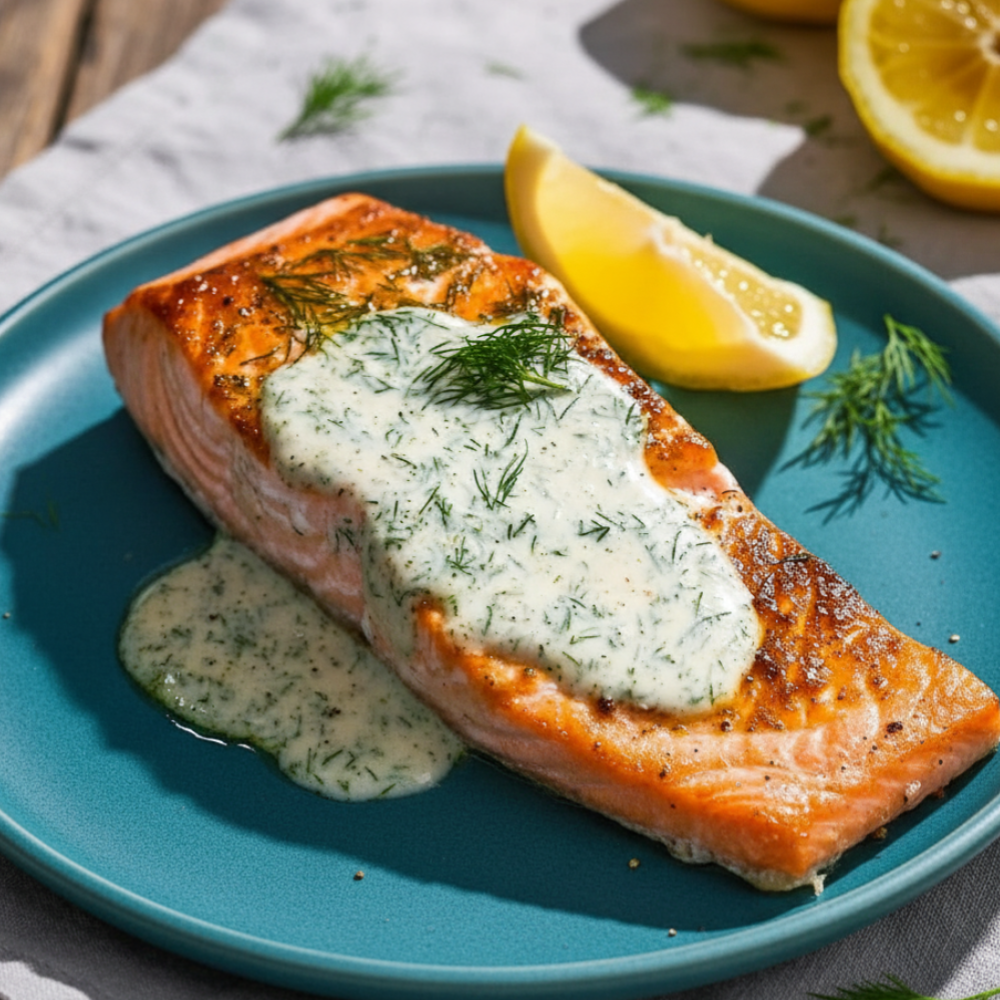
Welcome back to the blog, fellow food lovers! Today, we’re diving into a dish that’s not just incredibly flavorful but also remarkably simple to whip up on a busy evening: a delightful salmon accompanied by a bright, creamy dill sauce. If you’re looking for a healthy weeknight seafood option that tastes like it came from a fancy restaurant but comes together in minutes, you’ve hit the jackpot. This recipe proves that elegant dining can be effortless.
Why You’ll Love This Recipe
This isn’t just a meal; it’s a solution to your weeknight dinner dilemmas. You’ll adore this recipe for several compelling reasons:
- Quick 15-minute start-to-finish meal: Seriously, from prep to plate, you can have a gourmet-tasting dinner ready in less time than it takes to decide on takeout.
- High in protein and healthy omega-3s: Salmon is a powerhouse of nutrition, packed with essential fatty acids that support heart health and brain function. It’s truly a smart choice for any meal plan.
- Uses Greek yogurt instead of heavy mayonnaise or sour cream: Our secret to a luscious, creamy dill sauce without the guilt. Greek yogurt adds tang, body, and a boost of protein, making this a Greek yogurt sauce for fish that’s both delicious and nutritious.
“A fantastic healthy weeknight seafood option, this dish combines speed, nutrition, and incredible flavor for a satisfying meal every time.”
Ingredients You’ll Need
Gathering your ingredients is the first step to culinary success. Quality matters, especially when the star of the show is as magnificent as salmon!
The Salmon
- Selecting the best cuts of salmon: When it comes to salmon, you often have a choice between wild-caught and farm-raised. Wild-caught salmon (like Sockeye or King salmon) typically boasts a richer flavor, firmer texture, and a vibrant color, alongside a higher concentration of omega-3s. Farm-raised salmon is often more readily available and can be a more budget-friendly option, offering a milder flavor and slightly higher fat content. Whichever you choose, look for bright, moist flesh and avoid any pieces that look dry or discolored. Aim for fillets that are about 1-inch thick for even cooking.
- Essential seasoning for pan-searing: For truly exceptional pan-seared salmon, simplicity is key. A generous sprinkle of flaky sea salt and freshly cracked black pepper on both sides is non-negotiable. You can also add a pinch of garlic powder, paprika, or even a dash of cayenne for a subtle kick, but don’t overpower the natural flavor of the fish.
The Creamy Dill Sauce
This is where the magic happens for our irresistible lemon dill sauce!
- Greek yogurt as a healthy base: Opt for plain, unsweetened full-fat or low-fat Greek yogurt. Its thick consistency provides the perfect creamy texture, while its natural tang complements the richness of the salmon beautifully. It’s the foundation for our lightened-up creamy dill sauce.
- The importance of fresh dill vs. dried dill: For this recipe, fresh dill is paramount. Its bright, anise-like flavor and delicate aroma are irreplaceable. While dried dill can be used in a pinch (see our FAQ for tips), it simply doesn’t offer the same vibrant freshness that makes this sauce truly shine. Look for dill with perky, green fronds.
- Balancing acidity with fresh lemon juice and zest: Lemon is dill’s best friend. The fresh lemon juice brightens the sauce and cuts through the richness of the salmon, while the zest adds an aromatic punch and a beautiful visual fleck. Don’t skip either!
- Other key players: A small clove of finely minced garlic adds a subtle depth without overpowering. A touch of good quality olive oil can add silkiness, and, of course, salt and pepper to taste are crucial for seasoning.
How to Make Dill Sauce for Salmon
Let’s get cooking! This section breaks down exactly how to make dill sauce and bring your pan-seared salmon recipe to life.
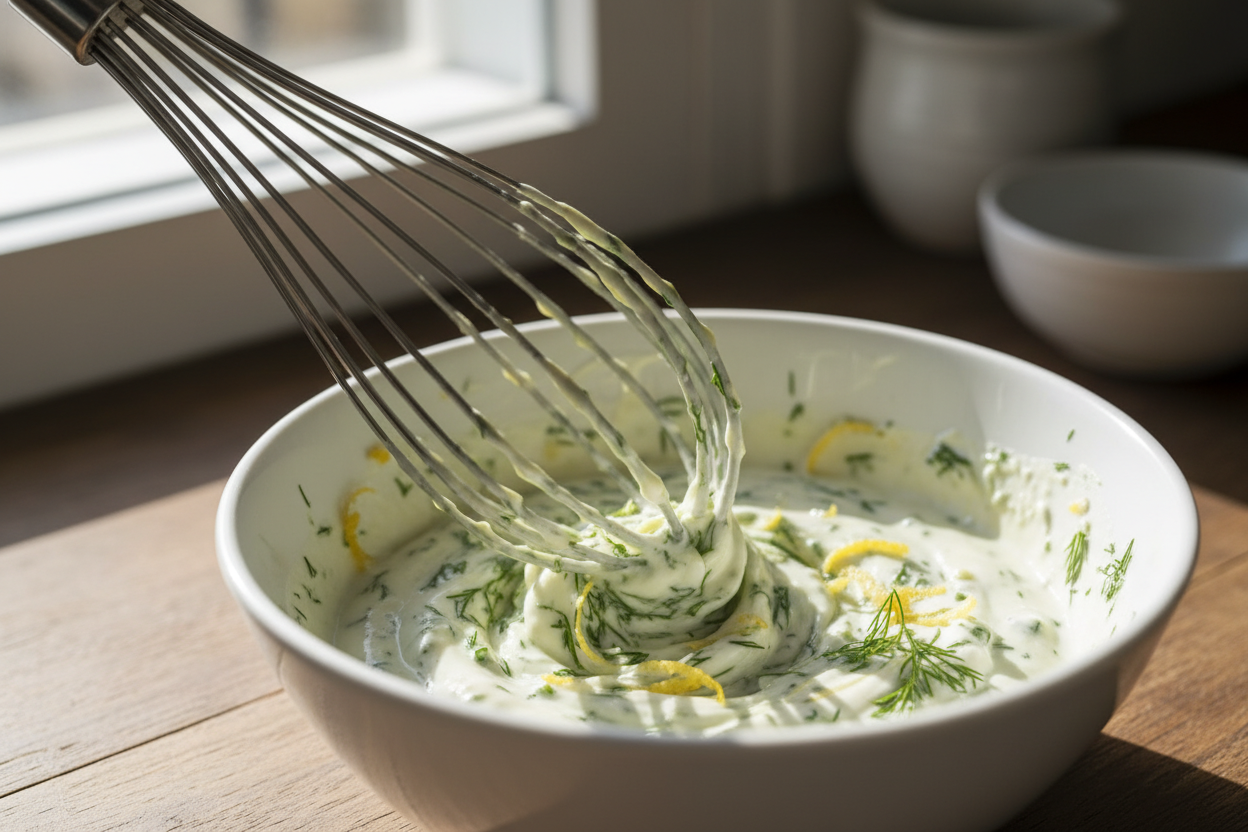
- Prepare the creamy dill sauce: In a medium bowl, combine the Greek yogurt, finely chopped fresh dill, fresh lemon juice, lemon zest, minced garlic, and a drizzle of olive oil. Season generously with salt and freshly ground black pepper.
- Whisk until smooth and creamy: Using a small whisk or fork, vigorously combine all the ingredients until the sauce is smooth, creamy, and well-emulsified. Taste and adjust seasoning as needed – you might want a little more lemon, salt, or dill to suit your preference.
- Resting the sauce to meld the flavors: Once whisked, cover the bowl and place the dill sauce in the refrigerator. Allowing it to chill for at least 10-15 minutes (or even longer, up to an hour) lets the flavors marry and deepen, resulting in a more harmonious and delicious sauce. This is a crucial step for achieving the best flavor profile.
- Prepare the salmon: While the sauce chills, pat your salmon fillets thoroughly dry with paper towels. This is a key step for achieving crispy skin. Season both sides of the salmon generously with salt and pepper.
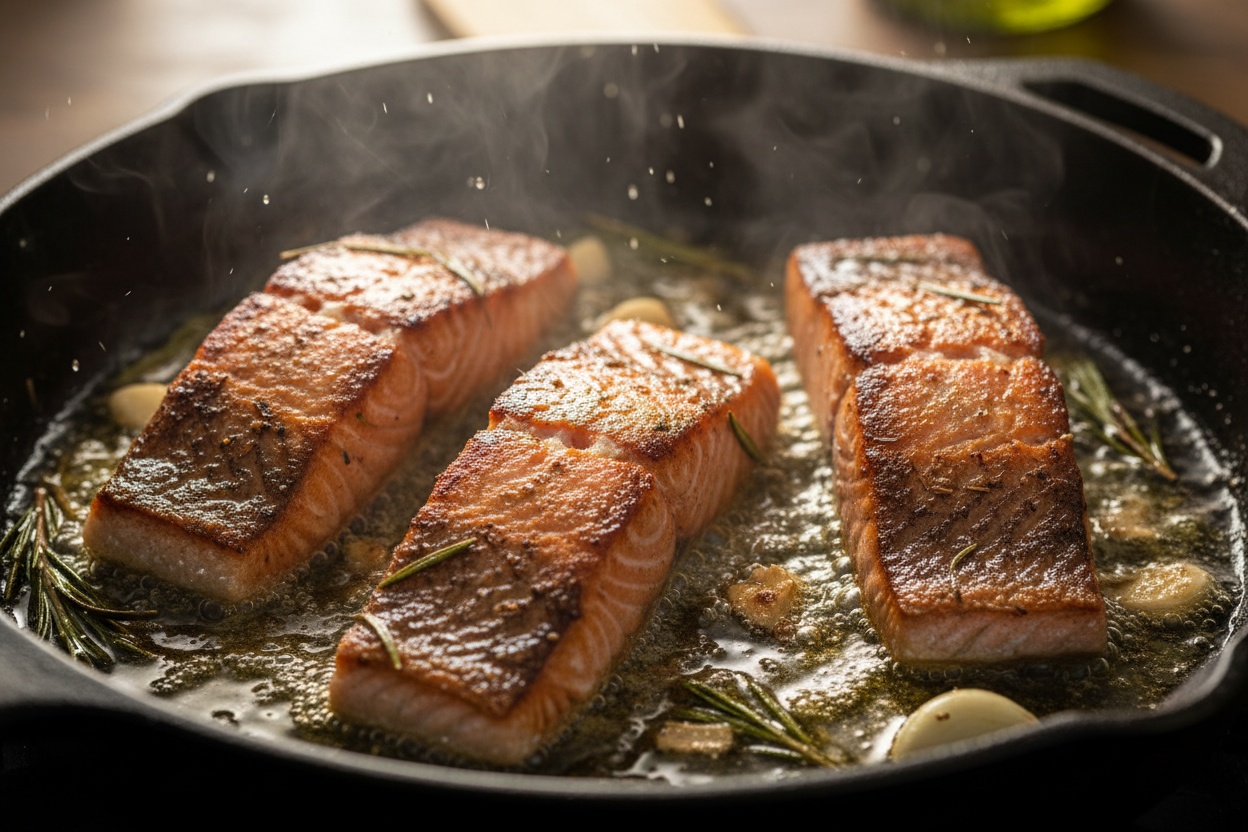
- Pan-sear the salmon: Heat a heavy-bottomed skillet (cast iron or stainless steel works best) over medium-high heat. Add a tablespoon of high-smoke-point oil (like avocado or grapeseed oil). Once the oil is shimmering, carefully place the salmon fillets skin-side down in the hot skillet. Cook for 4-6 minutes, then flip and cook for another 2-4 minutes, or until cooked to your desired doneness.
- Serve: Plate your perfectly pan-seared salmon and generously spoon the chilled creamy dill sauce over the top, or serve it on the side for dipping.
Tips for Perfectly Pan-Seared Salmon
Achieving that coveted crispy skin and flaky, moist interior for your pan-seared salmon recipe is easier than you think with these expert tips:
- Drying the fish for a crispy skin: This is arguably the most important step for crispy skin. Moisture is the enemy of crispiness. Before seasoning, pat the salmon fillets completely dry with paper towels. You can even let them sit uncovered in the refrigerator for 15-20 minutes after drying for extra insurance.
- Managing skillet temperature: Start with a hot skillet, but not smoking hot. Medium-high heat is ideal. If the pan isn’t hot enough, the salmon will stick and won’t develop a good crust. If it’s too hot, the skin will burn before the flesh is cooked. Listen for a gentle sizzle when the salmon hits the pan.
- Knowing when your salmon is fully cooked (145°F): The USDA recommends cooking salmon to an internal temperature of 145°F (63°C). The easiest way to check is with an instant-read thermometer inserted into the thickest part of the fillet. Visually, salmon will turn opaque and flake easily with a fork when it’s done. Don’t overcook it, or it will become dry!
- Don’t overcrowd the pan: Cook salmon in batches if necessary. Overcrowding lowers the pan temperature and steams the fish instead of searing it.
Recipe Variations and Substitutions
While this lemon dill sauce recipe is fantastic as is, don’t be afraid to experiment and make it your own!
- Dairy-free options: For a dairy-free creamy dill sauce, you can substitute the Greek yogurt with a good quality plain, unsweetened dairy-free yogurt (such as almond, cashew, or coconut-based). Just ensure it has a thick, creamy consistency. Another excellent option is a homemade cashew cream.
- Adding Dijon mustard or capers for an extra kick: For an additional layer of flavor, whisk in a teaspoon of Dijon mustard to the sauce for a subtle tang and warmth. A tablespoon of briny capers, finely chopped, adds a delightful burst of salty flavor that pairs wonderfully with both dill and salmon. These additions can also elevate salmon patty sauce variations.
- Using sour cream if Greek yogurt isn’t available: If Greek yogurt isn’t on hand, you can certainly use sour cream as a substitute for the sauce base. It will yield a slightly richer, less tangy sauce but will still be delicious. Remember that sour cream typically has a higher fat content than Greek yogurt, so adjust your nutritional expectations accordingly.
What to Serve with Pan-Seared Salmon
Rounding out your pan-seared salmon and creamy dill sauce with complementary sides creates a complete and satisfying quick fish dinner. Here are some of our favorites:
- Asparagus and green beans: Simply steamed, roasted, or lightly sautéed with garlic, these vibrant green vegetables are classic pairings that add freshness and color.
- Roasted potatoes or quinoa: For a more substantial meal, serve with roasted baby potatoes (tossed with herbs and olive oil) or a fluffy bed of quinoa. Both absorb the sauce beautifully and provide healthy carbohydrates.
- Simple side salads: A crisp green salad with a light vinaigrette, or a refreshing cucumber and tomato salad, offers a lovely contrast to the richness of the salmon.
Storage and Make-Ahead Tips
Eating well should be convenient, and this recipe offers great options for planning ahead or enjoying leftovers.
- How long the dill sauce lasts in the fridge: The creamy dill sauce can be made ahead of time and stored in an airtight container in the refrigerator for up to 3-4 days. The flavors will actually develop further, making it an excellent meal prep component.
- Reheating leftover salmon without drying it out: Leftover salmon can be tricky to reheat. To avoid drying it out, gently reheat it in a preheated oven at a low temperature (around 275°F/135°C) for 10-15 minutes, or until just warmed through. You can also flake it cold over salads, or gently warm it in a skillet with a splash of broth over very low heat.
Frequently Asked Questions
Can I use dried dill instead of fresh?
While fresh dill is highly recommended for its vibrant flavor and aroma in this creamy dill sauce, you can use dried dill in a pinch. Remember that dried herbs are more concentrated than fresh ones. As a general rule, use about one-third the amount of dried dill compared to fresh. For instance, if the recipe calls for 3 tablespoons of fresh dill, use 1 tablespoon of dried dill. The flavor won’t be as bright, but it will still be tasty.
Can this sauce be used on salmon patties?
Absolutely! This creamy dill sauce is a fantastic accompaniment to salmon patties. Its fresh, tangy flavor cuts through the richness of the patties beautifully, making it an ideal choice for salmon patty sauce variations. You could even add some of the sauce ingredients directly into your salmon patty mixture before cooking for an extra burst of flavor.
Can I freeze the creamy dill sauce?
Freezing dairy-based sauces like this creamy dill sauce is generally not recommended. The Greek yogurt can separate and become grainy or watery upon thawing, affecting the smooth, creamy texture. It’s best to enjoy the sauce fresh or within a few days from the refrigerator. If you must freeze it, understand that the texture might be compromised, though the flavor will largely remain intact.
There you have it—a comprehensive guide to creating a truly spectacular meal with dill sauce for salmon. This simple yet elegant dish is sure to become a staple in your kitchen, offering a perfect blend of health, speed, and irresistible flavor. Happy cooking!
For more delicious recipes, behind-the-scenes glimpses, and engaging food content, be sure to follow us on Facebook! You can find us at https://www.facebook.com/profile.php?id=61568538666337.
Pan-Seared Salmon with Creamy Dill Sauce
Ingredients
- 4 fillets Salmon fillets About 6 oz each, skin-on or skinless
- 1 tbsp Olive oil For pan-searing
- 1/2 cup Plain Greek yogurt Full-fat recommended
- 2 tbsp Fresh dill Finely chopped
- 1 tbsp Lemon juice Freshly squeezed
- 1 tsp Lemon zest
- 1/2 tsp Garlic powder
- 1/4 tsp Salt Plus extra for seasoning the salmon
- 1/4 tsp Black pepper Plus extra for seasoning the salmon
Instructions
- In a small mixing bowl, whisk together the Greek yogurt, fresh dill, lemon juice, lemon zest, garlic powder, salt, and black pepper until smooth. Set the sauce aside in the refrigerator.
- Pat the salmon fillets completely dry with a paper towel. Season both sides evenly with a pinch of salt and black pepper.
- Heat the olive oil in a large skillet over medium-high heat until shimmering.
- Place the salmon fillets in the hot skillet, skin-side down. Cook undisturbed for 4 to 5 minutes until the skin becomes crispy and easily releases from the pan.
- Carefully flip the salmon fillets using a spatula. Cook for an additional 3 to 4 minutes, or until the fish reaches an internal temperature of 145 degrees F and flakes easily with a fork.
- Remove the salmon from the skillet and let it rest on a plate for 2 minutes.
- Serve the salmon warm, generously topped with the prepared creamy dill sauce. Garnish with additional fresh dill sprigs and lemon wedges if desired.
For more daily recipes and tips, follow us on Facebook!
Click here to join our community!