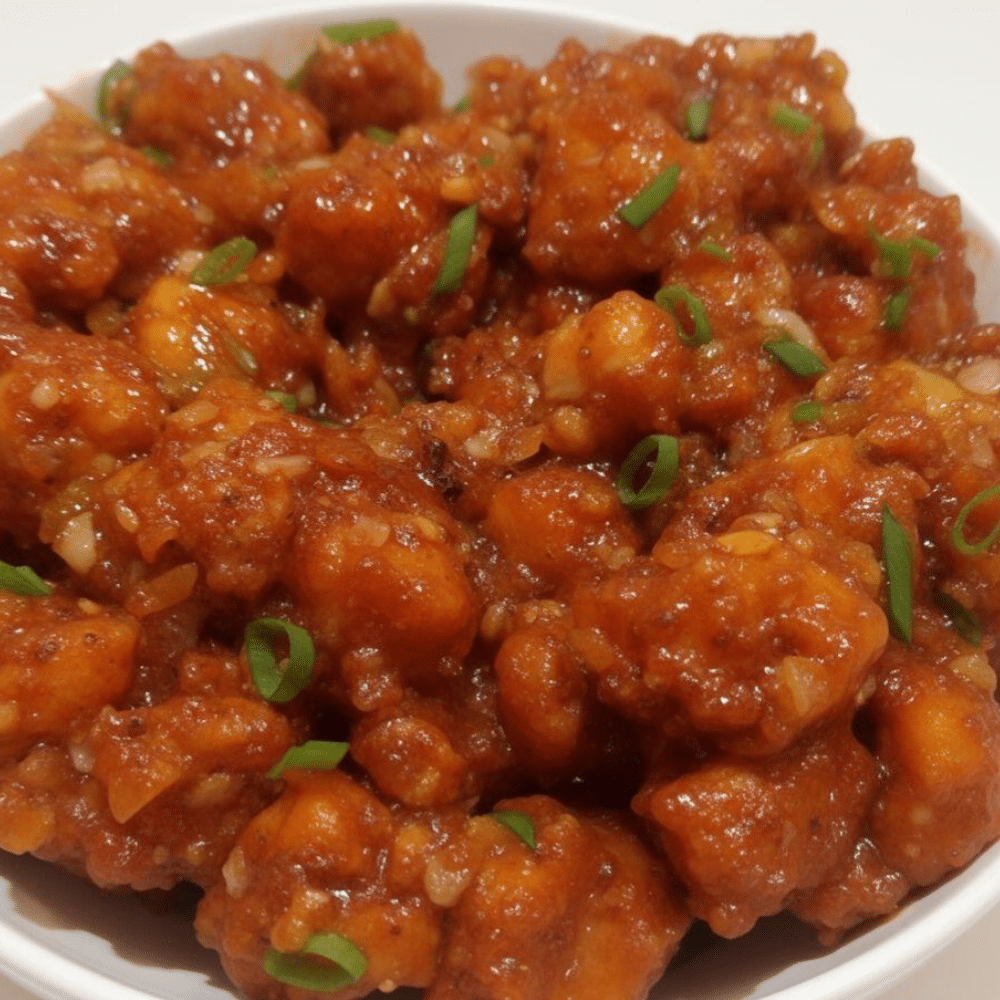
Welcome, food enthusiasts, to a culinary journey that promises crunch, spice, and an explosion of flavors! Today, we’re diving deep into one of the most beloved and highly requested dishes from the vibrant world of Indo-Chinese cuisine: Gobi Manchurian. This isn’t just another cauliflower dish; it’s a testament to how two distinct culinary traditions can merge to create something utterly irresistible.
What is Gobi Manchurian?
At its heart, this iconic Indo-Chinese street food is a delightful fusion. It takes humble cauliflower (gobi in Hindi) and transforms it into crispy, golden-fried florets, then tosses them in a tantalizing, glossy red-brown sauce. The magic lies in its irresistible blend of Indian spices – often a hint of ginger, garlic, and green chili – combined with classic Chinese cooking techniques like stir-frying and the careful balance of soy sauce, vinegar, and chili. The result? A perfectly spiced, savory, and slightly sweet experience that hits every single one of your taste buds. Whether you know it as cauliflower manchurian or by its full name, it’s a dish that exemplifies comfort and excitement in every bite, making it a fantastic vegetarian appetizer.
Key Ingredients for the Perfect Crunch
Creating truly spectacular gobi requires attention to detail, starting with your choice of ingredients. Each component plays a vital role in achieving that sought-after restaurant-quality crispiness and flavor.
Choosing the Right Cauliflower
The foundation of our dish is, of course, the cauliflower. For the best results, opt for a firm, white head of cauliflower without any blemishes. When preparing it, the size of your florets matters immensely. Aim for bite-sized pieces, roughly 1 to 1.5 inches. If they’re too large, they won’t cook through properly or get evenly coated. Too small, and they might become mushy. This optimal size ensures you get the perfect batter-to-vegetable ratio, guaranteeing a satisfying crunch with every bite.
The Manchurian Batter
The secret to keeping your cauliflower crisp, even after it’s been coated in sauce, lies in a well-balanced batter. Our go-to ratio is a simple yet effective combination of all-purpose flour and cornstarch, typically in a 1:1 or 2:1 ratio (e.g., 1 cup all-purpose flour to ½ to 1 cup cornstarch). Cornstarch is the hero here, providing that extra crispiness and helping the coating adhere beautifully without becoming heavy. A touch of rice flour can also be added for an even lighter, crispier texture. Season the batter generously with salt, pepper, a pinch of red chili powder, and a dash of ginger-garlic paste for an initial flavor boost.
The Spicy Red-Brown Sauce
This is where the true character of the dish comes alive. The signature manchurian sauce is a symphony of tangy, spicy, and umami notes. It’s a delicate balancing act of several key components:
- Soy Sauce: Provides the essential umami depth and savory foundation.
- Chili Sauce: Such as a good quality Sriracha or Indo-Chinese green chili sauce, brings the heat. Adjust to your spice preference.
- Tomato Ketchup: Adds a hint of sweetness and tanginess, crucial for that classic Indo-Chinese profile.
- Vinegar: Rice vinegar or white vinegar provides a sharp, bright counterpoint to the richness of the other ingredients.
- Aromatics: Finely chopped garlic, ginger, and green onions are non-negotiable. They are the aromatic backbone, lending incredible fragrance and flavor when bloomed in hot oil.
Don’t be afraid to taste and adjust as you go; the perfect sauce is all about personal preference.
Step-by-Step Instructions
Let’s get cooking! Mastering the technique is key to recreating this incredible dish in your own kitchen.
1. Frying the Gobi Fritters
Achieving perfectly crispy fried gobi starts with careful preparation:
- Blanching: Briefly blanch your cauliflower florets in salted boiling water for 2-3 minutes. This par-cooks them slightly, ensuring they’re tender inside, and helps them absorb the batter better. Drain thoroughly and pat completely dry. Excess moisture is the enemy of crispiness!
- Battering: Dip the blanched and dried florets into your prepared batter, ensuring an even, thin coating on each piece. Avoid clumpy batter.
- Deep-Frying: Heat oil in a deep pan or wok to 350-375°F (175-190°C). Fry the battered cauliflower in batches, ensuring not to overcrowd the pan. Fry until golden brown and beautifully crisp, usually 5-7 minutes per batch. Remove with a slotted spoon and drain on paper towels.

- Air-Frying (Alternative): For a lighter option, you can air-fry the battered cauliflower. Preheat your air fryer to 375°F (190°C). Lightly spray the battered florets with oil and arrange them in a single layer in the air fryer basket. Cook for 15-20 minutes, shaking the basket halfway through, until golden and crisp.
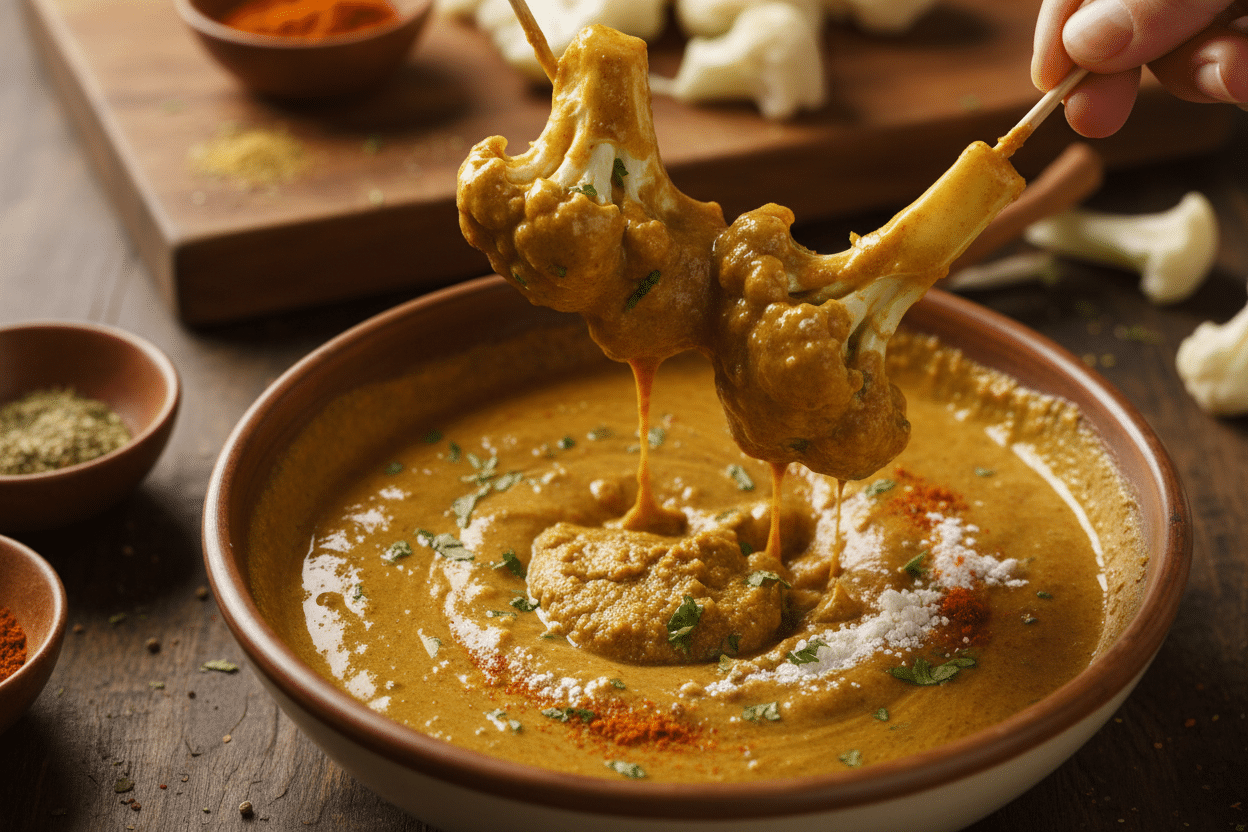
2. Stir-Frying the Sauce
This stage is all about speed and heat to create that signature glossy sauce:
- Prep Your Aromatics: Have all your finely chopped garlic, ginger, and green onions ready. This is where your mise en place (everything in its place) truly pays off.
- High-Heat Stir-Fry: Heat a wok or large skillet over high heat. Add a tablespoon of oil and, once shimmering, toss in your garlic, ginger, and the white parts of the green onions. Stir-fry rapidly for 30-60 seconds until fragrant. The high heat blooms the aromatics without letting them brown too much or lose their pungent kick.

- Add the Sauce: Pour in your prepared manchurian sauce mixture (soy sauce, chili sauce, ketchup, vinegar, a splash of water, and a cornstarch slurry for thickening). Stir continuously until the sauce thickens and becomes glossy, usually within 1-2 minutes.
- Combine: Add the fried gobi florets to the sauce. Toss quickly and gently to coat every piece evenly. Finish with the green parts of your green onions.

Dry vs. Gravy Versions: How to Adapt
One of the beauties of this dish is its versatility. You can easily adapt it to suit your preference or occasion:
- Dry Gobi Manchurian: For a perfect appetizer or snack, you’ll want the dry version. To achieve this, use a smaller amount of liquid in your sauce and ensure your cornstarch slurry creates a thick, sticky coating that clings tightly to the cauliflower. This results in each floret being coated in a concentrated, flavorful glaze, ideal for serving with toothpicks.
- Gobi Manchurian Gravy: If you’re looking for a more substantial meal, perhaps to serve alongside fried rice or noodles, the gravy version is for you. Simply increase the amount of water or vegetable broth in your sauce recipe. Adjust the cornstarch slurry accordingly to achieve your desired gravy consistency – from a slightly thick sauce to a rich, spoonable gravy. This version is wonderfully comforting and perfect for soaking up with your main course.
A Nod to Chilli Beef: Swapping Proteins
The vibrant, spicy red-brown sauce that makes our cauliflower dish so irresistible isn’t just for vegetables. This versatile flavor profile and preparation style (fried chunks coated in sauce) translate beautifully to other proteins, creating an equally spectacular experience. Imagine applying this exact same method to cuts of beef!
By preparing beef chuck or flank steak, cutting it into bite-sized pieces, lightly coating it in a similar cornstarch-based batter, and then frying it until golden and tender, you can create a truly incredible dish. Once fried, toss the beef in the very same boldly flavored sauce – balancing soy sauce, chili sauce, tomato ketchup, and vinegar with those crucial aromatics like garlic, ginger, and green onions. The result is a savory, tender, and spicy experience, a fantastic chilli beef style sauce that shares the thrilling Indo-Chinese heritage and delivers an explosion of flavor with every piece.
Top Tips for Restaurant-Quality Gobi Manchurian
- Don’t Skip the Prep (Mise en Place): Have all your ingredients chopped, measured, and ready to go before you even turn on the stove. This is crucial for stir-frying, as everything cooks very quickly.
- Serving Immediately: For the ultimate crispiness, serve your gobi immediately after tossing it in the sauce. The longer it sits, the softer the coating will become.
- Adjusting Heat Levels: The beauty of homemade food is customization. Feel free to adjust the amount of chili sauce or add finely chopped green chilies to your sauce to suit your preferred level of heat.
- Fresh Aromatics are Key: Always use fresh ginger, garlic, and green onions. Their vibrant flavors make a significant difference to the overall taste profile of the dish.
Frequently Asked Questions
Can I bake or air fry the cauliflower instead?
Absolutely! While deep-frying offers the crispiest result, baking or air-frying are healthier alternatives. As mentioned in the instructions, you can air-fry. For baking, preheat your oven to 400°F (200°C), lightly oil the battered florets, and bake for 20-25 minutes, flipping halfway, until golden and tender-crisp.
How do I prevent the gobi from getting soggy?
Several factors contribute to soggy gobi:
- Thoroughly dry your blanched cauliflower: Excess water is the main culprit.
- Ensure your batter is the right consistency: Not too thick, not too thin, and with enough cornstarch for crispness.
- Fry at the correct oil temperature: Too low, and the cauliflower will absorb oil and become greasy; too high, and it will brown too quickly without cooking through.
- Serve immediately: The sauce will eventually soften the coating, so enjoy it while it’s fresh off the wok!
Can I make the Manchurian sauce ahead of time?
Yes, you can absolutely prepare the liquid components of your manchurian sauce (soy sauce, chili sauce, ketchup, vinegar, water, and cornstarch slurry) a day in advance and store it in the refrigerator. Just give it a good whisk before using, as the cornstarch tends to settle. Chop your aromatics (garlic, ginger, green onions) as well, but hold off on stir-frying them until just before you’re ready to cook the final dish.
Craving more authentic Indo-Chinese flavors and delicious vegetarian recipes? Join our community! Follow us on Facebook for daily culinary inspiration, recipe tips, and behind-the-scenes glimpses into our kitchen. Find us at https://www.facebook.com/profile.php?id=61568538666337 – your next favorite dish is just a click away!

Crispy Gobi Manchurian (Dry & Gravy)
Ingredients
- 1 medium Cauliflower Cut into bite-sized florets
- 1/2 cup All-purpose flour Maida
- 1/4 cup Cornstarch For the batter
- 1 tbsp Ginger-garlic paste
- 1 tsp Red chili powder
- 1/2 tsp Salt
- 2 cups Vegetable oil For deep frying
- 2 tbsp Vegetable oil For stir-frying the sauce
- 2 tbsp Garlic Finely chopped
- 1 tbsp Ginger Finely chopped
- 2 Green chilies Slit or finely chopped
- 1/4 cup Spring onions Chopped, whites and greens separated
- 1/2 Capsicum (bell pepper) Diced
- 2 tbsp Soy sauce
- 1 tbsp Red chili sauce
- 2 tbsp Tomato ketchup
- 1 tsp Vinegar
- 1 tsp Cornstarch Mixed with 2 tbsp water to create a slurry
Instructions
- Boil the cauliflower florets in salted water for 2-3 minutes. Drain completely and pat dry.
- Whisk the all-purpose flour, 1/4 cup cornstarch, ginger-garlic paste, red chili powder, and salt with enough water to form a smooth, thick batter.
- Heat the deep frying oil in a wok or heavy-bottomed pan. Dip the dried cauliflower florets into the batter to coat evenly, then carefully drop them into the hot oil.
- Fry the florets until golden brown and crispy. Remove using a slotted spoon and drain on paper towels.
- In a separate wok, heat 2 tablespoons of oil over high heat. Add the finely chopped garlic, ginger, green chilies, and the white parts of the spring onions. Stir-fry for 1 minute.
- Add the diced capsicum and stir-fry for another minute until slightly softened but still crunchy.
- Stir in the soy sauce, red chili sauce, tomato ketchup, and vinegar. Mix well.
- Pour in the cornstarch slurry and cook until the sauce thickens and turns glossy. To make a gravy version, add 1.5 cups of water before adding the slurry.
- Add the crispy fried cauliflower to the pan and toss quickly to coat each floret evenly in the hot Manchurian sauce.
- Garnish with the green parts of the spring onions and serve immediately.
For more daily recipes and tips, follow us on Facebook!
Click here to join our community!