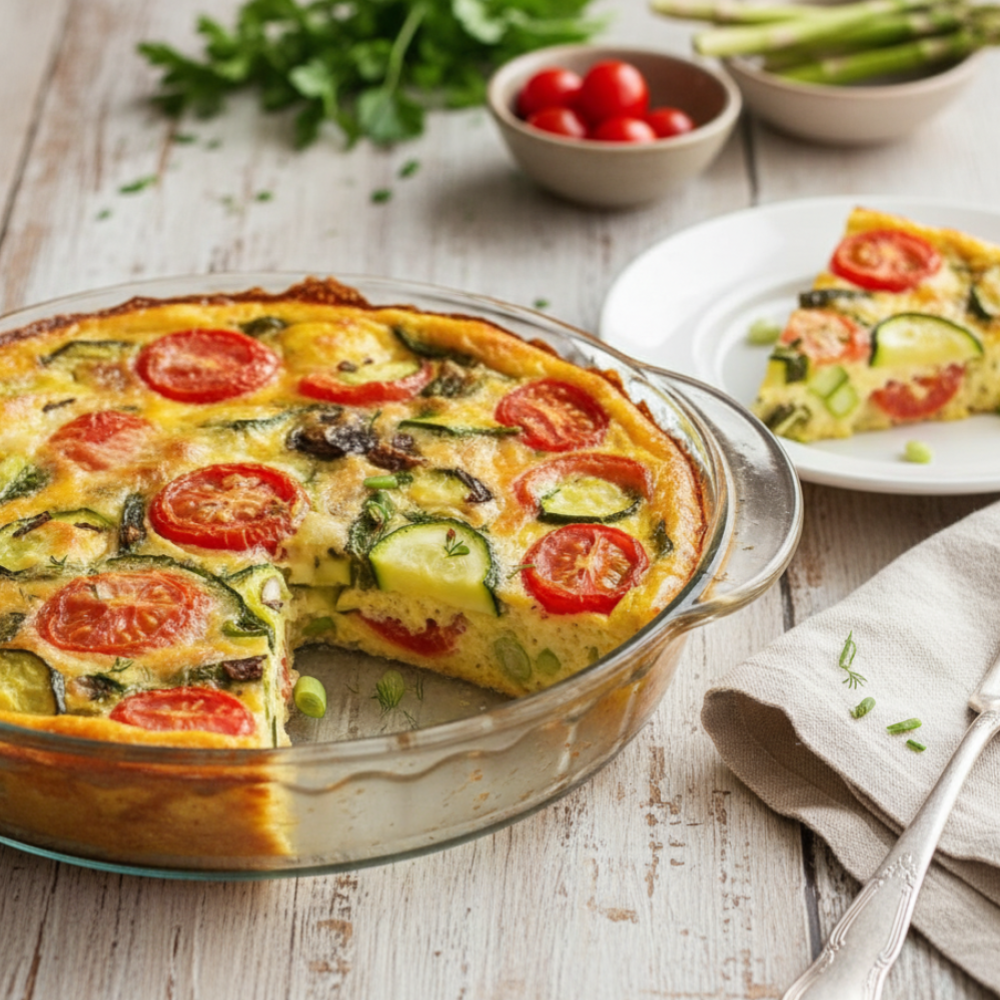
Italian Spring Vegetable Frittata: A Guilt-Free Brunch Delight
As the days grow longer and the world awakens in a burst of green, there’s nothing quite like celebrating the season’s bounty. Spring brings with it a vibrant palette of fresh, crisp produce, just begging to be transformed into something delightful and light. This year, let’s welcome the sunshine with a truly special dish: the Italian Spring Vegetable Frittata. It’s an elegant yet utterly simple creation that captures the essence of the season, guiding you through creating a savory, quick, and nutritious baked vegetable quiche that’s perfect for any occasion.
Why You’ll Love This Spring Vegetable Egg Bake
This isn’t just another egg dish; it’s a celebration of convenience and flavor. Our spring vegetable egg bake is designed for ease and enjoyment, fitting seamlessly into a busy lifestyle while delivering maximum satisfaction. Here’s why it’s destined to become a staple in your kitchen:
- Ready in just 30 minutes: From prep to plate, this recipe is incredibly efficient, making it ideal for a last-minute brunch or a quick weeknight meal.
- Naturally vegetarian and gluten-free: Catering to various dietary needs, this frittata is packed with wholesome ingredients, free from gluten and any meat products.
- High in protein and packed with fresh vitamins: Each slice is a powerhouse of nutrition, thanks to farm-fresh eggs and a generous helping of spring greens and vegetables, contributing essential vitamins and minerals.
- Perfect for meal prep, brunch, or a light dinner: Its versatility knows no bounds. Enjoy it warm, at room temperature, or even cold. It reheats beautifully, making it an excellent candidate for advance meal preparation, a standout on your brunch table, or a satisfyingly light dinner.
Essential Ingredients for the Perfect Frittata
The beauty of this dish lies in the simplicity and quality of its components. Choosing fresh, seasonal ingredients will truly elevate the flavor profile of your healthy frittata recipe.
Fresh Seasonal Produce
- Asparagus & Zucchini: These two spring stars form the crisp backbone of the dish. Look for bright green, firm asparagus spears and small to medium zucchini, which are sweeter and have fewer seeds. Their delicate flavors meld beautifully with the eggs.
- Cherry Tomatoes & Green Peas: A handful of halved cherry tomatoes will burst with a pop of sweetness, while vibrant green peas add another layer of delicate texture and color, making this a truly appealing zucchini asparagus frittata.
The Base: Eggs and Cream
The foundation of any good frittata is, of course, the eggs. For the ultimate fluffy and rich texture, we whisk a dozen large eggs with a splash of cream or milk. The dairy adds a touch of richness and helps create that wonderful airy consistency we all crave in a perfect frittata. Don’t skimp on this step – a good whisk makes all the difference.
Fresh Herbs and Seasonings
Elevating flavor is effortless with fresh herbs. Finely chopped fresh basil and parsley bring an aromatic, herbaceous lift that complements the spring vegetables perfectly. A generous pinch of salt and freshly ground black pepper are crucial to seasoning the dish properly, ensuring every bite is bursting with taste.
Step-by-Step Cooking Instructions
Crafting this delightful dish is a straightforward process, combining stovetop sautéing with oven baking for a wonderfully balanced texture. This is one of those easy brunch recipes you’ll turn to again and again.
1. Prep and Sauté the Veggies
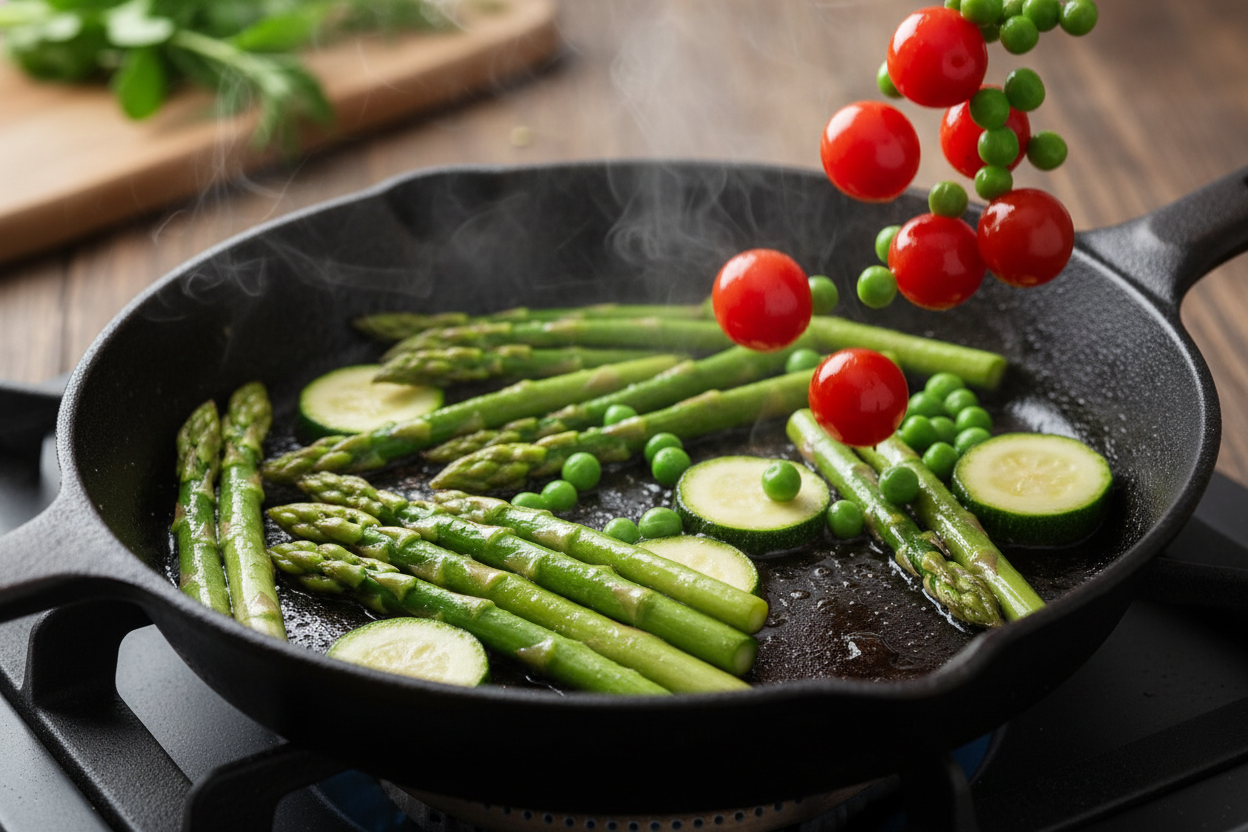
Begin by washing and chopping your asparagus into 1-inch pieces, dicing your zucchini, halving the cherry tomatoes, and having your peas ready. Heat a tablespoon of olive oil in your 10-inch cast iron skillet (or oven-safe, non-stick pan) over medium heat. Add the asparagus and zucchini first, sautéing for 5-7 minutes until they are tender-crisp. This step is vital for releasing excess moisture from the vegetables, preventing a watery frittata, and concentrating their flavor. Stir in the peas and cherry tomatoes for the last minute of cooking, just enough to warm them through.
2. Whisk the Egg Mixture
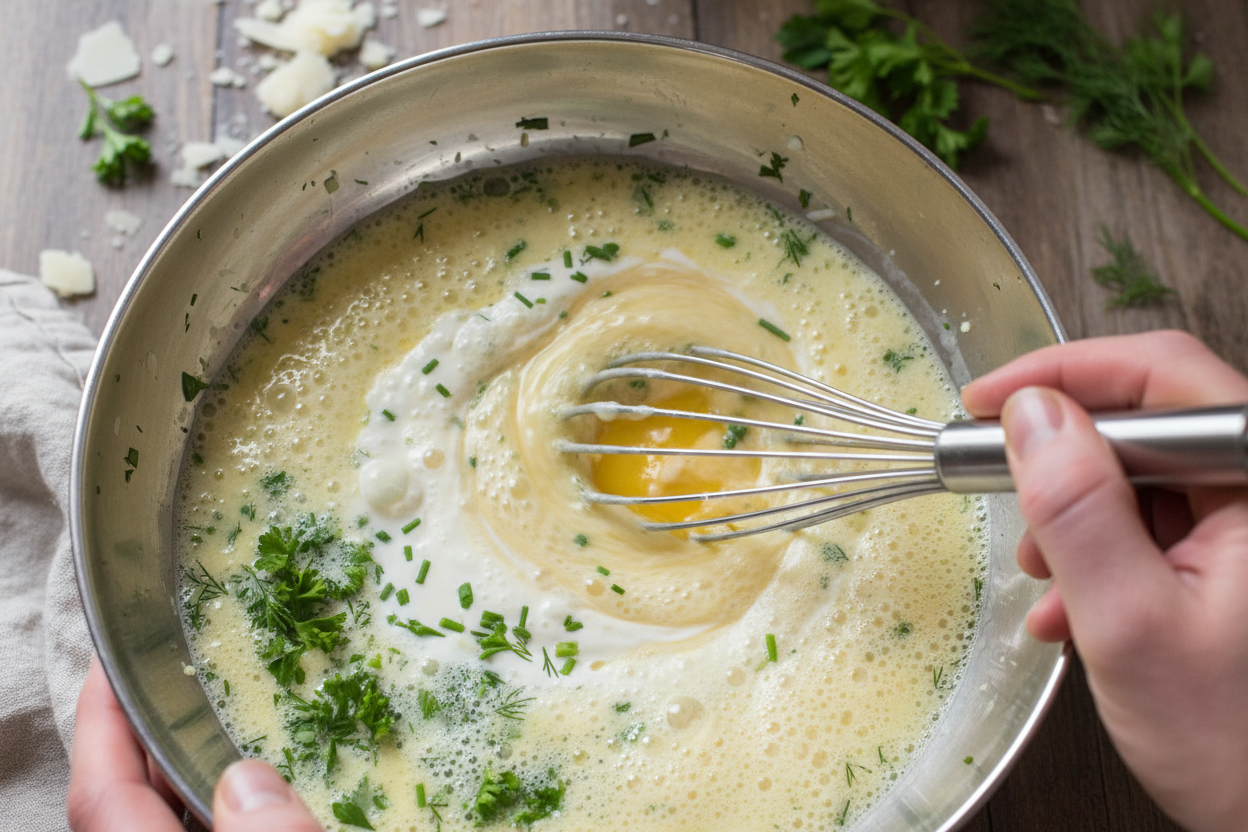
While your vegetables are sautéing, crack a dozen large eggs into a large bowl. Add the splash of cream or milk, along with your chopped fresh basil and parsley, salt, and black pepper. Whisk vigorously until the mixture is frothy and airy. This aeration is key to achieving that light, fluffy texture in your finished frittata. You want to see tiny bubbles, indicating the eggs are well-incorporated and ready to embrace the flavors of spring.
3. Bake to Perfection
Once your vegetables are perfectly tender-crisp in the skillet, pour the whisked egg mixture evenly over them. Give the pan a gentle shake to ensure the eggs settle around all the veggies. Immediately transfer the skillet to a preheated oven at 375°F (190°C). Bake for 15-20 minutes, or until the frittata is set. You’ll know it’s ready when the edges are golden brown and the center no longer jiggles, but still looks just slightly moist. Be careful not to overcook, as residual heat will continue to cook it once removed from the oven.
Pro Cooking Tips for Frittatas
Mastering the frittata is simple with a few insider tricks. These tips will ensure your vegetarian egg casserole turns out perfectly every time:
- Use a Cast-Iron Skillet: While any oven-safe, non-stick pan will work, a cast-iron skillet is truly your best friend for this recipe. It ensures incredibly even heat distribution, which means your frittata cooks beautifully from edge to center, developing a magnificent golden crust on the bottom.
- Don’t Overcook the Eggs: This is arguably the most important tip. Eggs can go from perfectly set to rubbery in a flash. Remove the frittata from the oven when the center is just set but still looks moist. The residual heat from the pan will continue to cook it gently as it rests, resulting in a custardy, tender texture.
- Resting Before Slicing: Patience is a virtue, especially with frittatas. Let your masterpiece rest in the skillet for at least 5 minutes after removing it from the oven. This allows the internal structure to stabilize, making it easier to slice into clean, perfect wedges without crumbling.
Recipe Variations and Add-Ins
One of the joys of cooking is experimentation, and this frittata recipe is incredibly adaptable. Feel free to customize it based on your preferences or whatever fresh ingredients you have on hand.
- Cheese Substitutions: While a sprinkle of Parmesan adds a lovely salty tang, don’t hesitate to experiment! Crumbled goat cheese offers a creamy, tangy note, feta cheese provides a salty, briny kick, or shredded mozzarella can create a wonderfully melty, stretchy texture.
- Adding Extra Greens: Boost the nutritional value and vibrant color by folding in a handful of fresh spinach or peppery arugula. Add them to the skillet after the main vegetables have cooked, just before pouring in the egg mixture. Their delicate leaves will wilt beautifully into the eggs.
- Crust Options: While this recipe is designed as a delicious crustless quiche, you can easily transform it. For a more traditional quiche, press a store-bought or homemade pie crust into your skillet before adding the sautéed vegetables and egg mixture. Bake as directed, adjusting the time slightly if needed until the crust is golden.
What to Serve with Your Italian Spring Vegetable Frittata
This versatile frittata pairs wonderfully with a variety of light and fresh sides, making it an ideal centerpiece for brunch or a elegant main for a light dinner.
- Light Arugula Salad with Lemon Vinaigrette: The peppery bite of fresh arugula dressed simply with a bright lemon vinaigrette offers a refreshing contrast to the richness of the eggs and highlights the spring vegetables.
- Fresh Fruit Platter: A colorful assortment of seasonal fruits like berries, melon, and citrus segments provides a sweet, juicy counterpoint that cleanses the palate beautifully.
- Crusty Artisanal Bread or Savory Scones: For those who love a bit of carb with their eggs, a slice of crusty bread or a savory scone (perhaps with chives and cheese) is perfect for soaking up any flavorful juices.
Storage, Reheating, and Make-Ahead Tips
This frittata is not only delicious freshly made but also fantastic for leftovers or preparing in advance, making it incredibly practical for meal planning.
- Fridge Storage: Once completely cooled, slice the frittata into individual portions or store it whole in an airtight container. It will keep beautifully in the refrigerator for up to 4 days, making it perfect for quick breakfasts or lunches throughout the week.
- Reheating: For best results, gently reheat slices in a preheated oven at 300°F (150°C) for about 10-15 minutes, or until warmed through. This method helps retain its moisture and tender texture. If you’re in a hurry, the microwave works too, but be careful not to overheat, which can make the eggs rubbery.
- Freezing: Frittatas freeze beautifully! Once completely cooled, wrap individual slices tightly in plastic wrap, then place them in a freezer-safe bag or container. They can be frozen for up to 2-3 months. To thaw, simply transfer them to the refrigerator overnight, then reheat as directed above.
Frequently Asked Questions (FAQs)
Can I make this dairy-free?
Absolutely! You can easily make this a dairy-free dish. Simply substitute the cream or milk with an unsweetened, unflavored dairy-free milk alternative like almond, soy, or oat milk. The texture will still be wonderfully fluffy, though perhaps a touch less rich. You can also omit any cheese or use a dairy-free cheese alternative if desired.
What pan is best if I don’t have cast iron?
While a cast iron skillet is highly recommended for its even heat distribution and beautiful crust, any oven-safe, non-stick skillet will work perfectly. Ensure the handle is heat-proof up to 375°F (190°C). If you only have a regular non-stick pan, you can sauté the vegetables in it, then transfer them to an oven-safe pie dish or baking pan before pouring in the eggs and baking. Just be sure to grease the alternative pan well.
Why is my frittata watery and how can I fix it?
A watery frittata is usually caused by excess moisture from the vegetables. The key to preventing this is properly pre-cooking your veggies, as outlined in step 1. Sautéing them until tender-crisp helps evaporate much of their water content. If you’ve used very watery vegetables like mushrooms or spinach, consider giving them an extra squeeze after sautéing to remove any remaining liquid before adding the eggs. Also, avoid over-stuffing the frittata with too many high-moisture ingredients.
Enjoy creating this gorgeous and satisfying dish! For more fresh recipes and cooking inspiration, be sure to follow us on Facebook: https://www.facebook.com/profile.php?id=61568538666337
Italian Spring Vegetable Frittata Bake
Ingredients
- 6 whole Large eggs room temperature
- 1/2 cup Cherry tomatoes halved
- 1 small Zucchini diced
- 1/2 bunch Asparagus woody ends removed, chopped into 1-inch pieces
- 1/2 cup Green peas fresh or frozen and thawed
- 1/4 cup Heavy cream or whole milk
- 2 tbsp Fresh herbs mixture of basil and parsley, finely chopped
- 1/4 cup Parmesan cheese grated
- 1 tbsp Olive oil extra virgin
- 1 tsp Salt kosher
- 1/2 tsp Black pepper freshly ground
Instructions
- Preheat the oven to 375°F (190°C) and lightly grease a 10-inch cast-iron skillet or oven-safe pan with olive oil.
- In a large mixing bowl, vigorously whisk together the eggs, heavy cream, parmesan cheese, salt, pepper, and fresh herbs until the mixture is light and frothy.
- Heat the prepared skillet over medium heat on the stovetop. Add the diced zucchini and chopped asparagus, sautéing for 3 to 4 minutes until they begin to soften.
- Stir in the halved cherry tomatoes and green peas, cooking for an additional 1 to 2 minutes until warmed through.
- Pour the egg mixture evenly over the vegetables in the skillet. Allow it to cook undisturbed for 1 minute so the edges just begin to set.
- Transfer the skillet to the preheated oven. Bake for 15 to 20 minutes, or until the center is fully set and no longer jiggles.
- Remove the frittata from the oven and let it rest for 5 minutes before slicing into wedges and serving.
For more daily recipes and tips, follow us on Facebook!
Click here to join our community!