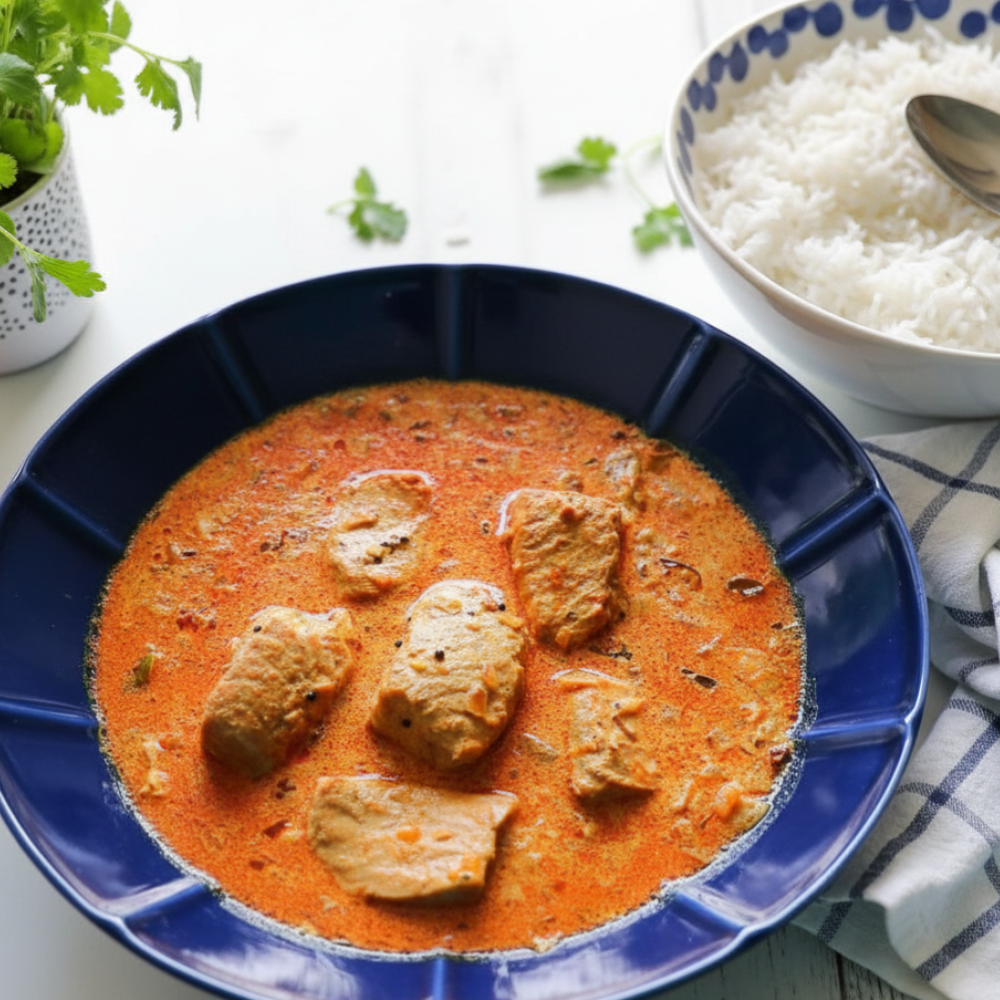
Authentic Kerala Fish Curry Recipe with Coconut Milk
There are some dishes that just transport you, warming you from the inside out and leaving an unforgettable imprint on your palate. For me, that dish is undoubtedly Kerala Fish Curry. Imagine the sun-kissed backwaters, the gentle sway of coconut palms, and the incredible aroma of fresh seafood simmering in a rich, tangy, and subtly spiced coconut gravy. This isn’t just a meal; it’s a culinary journey to the heart of God’s Own Country, a taste of home that resonates deeply with anyone who’s experienced it.
Today, I’m thrilled to share with you my time-honored recipe for this iconic Nadan Meen Curry. It’s a dish that embodies the soul of Kerala cuisine, known for its vibrant flavors and the generous use of fresh, local ingredients. Get ready to recreate a masterpiece in your own kitchen!
What Makes Kerala Fish Curry So Special?
What truly sets a classic Kerala Fish Curry apart from other fish preparations is its unique balance of flavors – a symphony of sour, spicy, and savory notes, all harmonized by the creamy richness of coconut milk. This isn’t a quick-fix dish; it’s a slow, loving simmer that allows the ingredients to meld beautifully. The distinct tang comes from the celebrated Malabar tamarind (kokum), which lends a fruity, sour depth unparalleled by regular tamarind.
Every region in Kerala boasts its own subtle variation, but the essence remains: fresh seafood, fiery green chilies, aromatic ginger and garlic, and a host of fragrant spices, all brought together with the lusciousness of freshly pressed coconut milk. It’s a quintessential example of Kerala style seafood, a culinary heritage passed down through generations, making it a beloved staple across homes and eateries in South India.
Key Ingredients for Traditional Nadan Meen Curry
The magic of this creamy coconut seafood curry lies in the quality and freshness of its components. Here’s what you’ll need to gather:
Choosing the Best Fish
- For an authentic taste, opt for firm, white-fleshed fish. Varieties like Kingfish (Neymeen), Seer Fish, Pearl Spot (Karimeen), Mackeral, or even Basa fillets work wonderfully.
- Always choose the freshest fish you can find. Look for clear eyes, red gills, and a firm, shiny flesh that springs back when touched.
- Clean and cut the fish into medium-sized pieces, about 1.5-2 inches, ensuring they are thick enough to hold their shape during cooking.
The Role of Kokum (Malabar Tamarind)
This is arguably the secret weapon of an authentic Kerala Fish Curry. Kokum, known locally as Kudampuli or Malabar tamarind, is a dried fruit that provides a sour, slightly smoky flavor without overpowering the other spices.
- Unlike regular tamarind, kokum imparts a unique tartness that slowly develops during cooking.
- Before adding, make sure to wash the kokum pieces thoroughly and soak them in a little warm water for about 15-20 minutes to soften them and release their flavor.
- If you absolutely cannot find kokum, a small amount of regular tamarind paste (used sparingly) can be a distant substitute, but it won’t replicate the exact profile of a true kokum fish recipe.
Essential Spices and Aromatics
These are the heart and soul of your curry, building layers of complex flavor:
- Coconut Oil: The base for sautéing. Its distinct flavor is crucial for authenticity.
- Mustard Seeds & Fenugreek Seeds: For tempering, adding a lovely nutty bitterness.
- Curry Leaves: Fresh, fragrant, and non-negotiable for that signature aroma.
- Ginger & Garlic: Freshly crushed or minced, providing a pungent warmth.
- Green Chilies: Adjust to your spice preference. These provide the essential heat.
- Shallots (or Red Onion): Finely sliced, they add a sweet depth.
- Spice Powders: Turmeric powder (for color and earthy notes), Kashmiri chili powder (for vibrant red color without excessive heat, or regular chili powder if you prefer more kick), and a touch of black pepper.
- Coconut Milk: Freshly squeezed is best, but good quality canned coconut milk (full-fat) works wonderfully. You’ll need both thin (second press) and thick (first press) milk, or you can use one can and dilute part of it.
Step-by-Step Instructions
Let’s get cooking! This recipe will guide you through making a rich, flavorful Kottayam style fish curry that’s sure to impress.
- Prepare the Kokum: Wash 4-5 pieces of dried Malabar tamarind (kokum) and soak them in about ½ cup of warm water for 20 minutes. Keep both the kokum and the soaking water.
- Marinate the Fish: Lightly marinate the cleaned fish pieces with ½ teaspoon turmeric powder and ½ teaspoon salt. Set aside for 15 minutes.
- Sauté Aromatics: In a traditional clay pot (chatti) or a heavy-bottomed pan, heat 2 tablespoons of coconut oil over medium heat. Add 1 teaspoon mustard seeds and allow them to splutter. Then add ½ teaspoon fenugreek seeds and let them turn golden.
- Infuse Flavor: Immediately add 1 sprig of fresh curry leaves, 2 tablespoons minced ginger, 2 tablespoons minced garlic, and 3-4 slit green chilies. Sauté until fragrant, about 1-2 minutes, being careful not to burn the garlic.
- Add Shallots: Stir in ½ cup finely sliced shallots (or red onion) and a pinch of salt. Cook until the shallots turn soft and translucent, about 5-7 minutes.
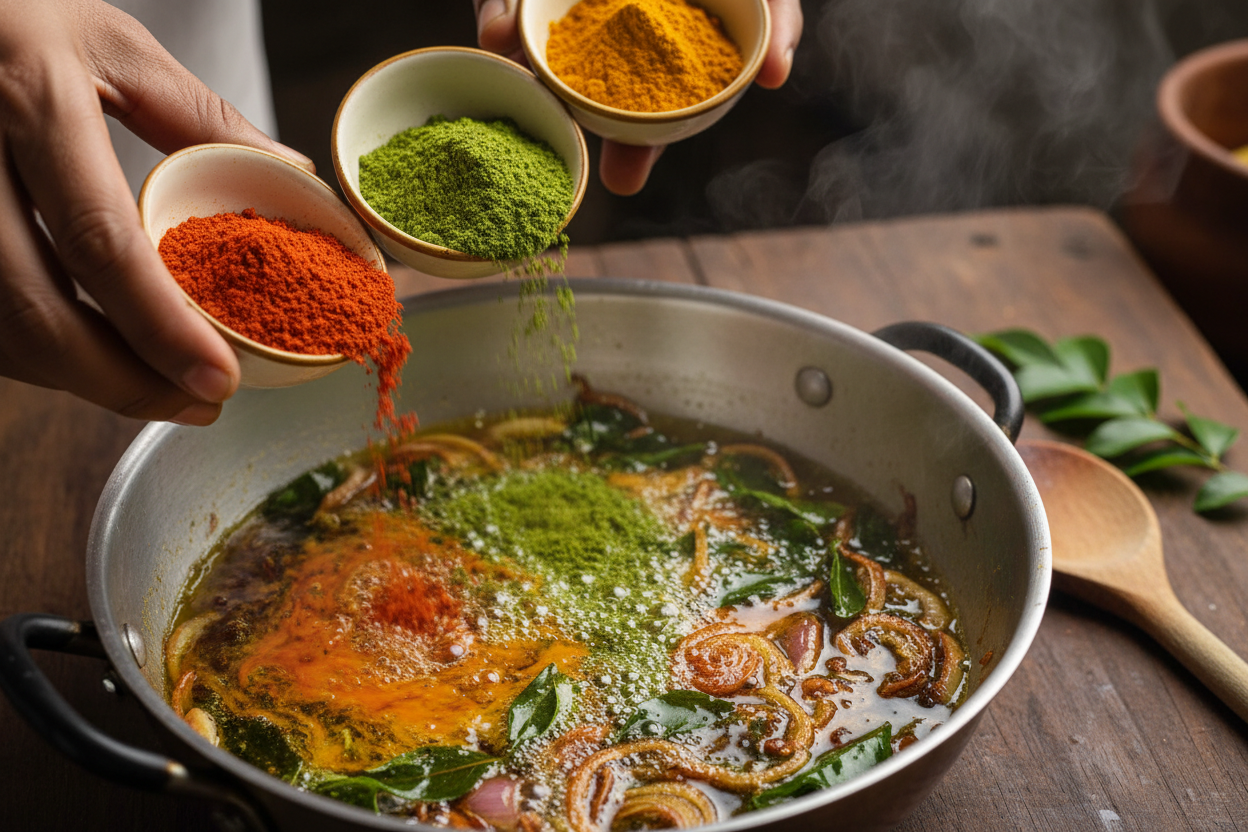
- Spice it Up: Reduce heat to low. Add 1 teaspoon turmeric powder, 2 tablespoons Kashmiri chili powder (or 1 tablespoon regular chili powder for more heat), and ½ teaspoon black pepper powder. Sauté for about 30 seconds, stirring constantly, until the raw smell of the spices disappears. Add a splash of water if the spices start to stick.
- Introduce Kokum and Thin Coconut Milk: Add the soaked kokum pieces along with their soaking water to the pan. Pour in 1 cup of thin coconut milk (or 1 cup of regular coconut milk diluted with ½ cup water). Stir gently to combine.
- Simmer the Gravy: Bring the mixture to a gentle simmer. Cover the pot and cook for 5-7 minutes, allowing the flavors to meld and the kokum to release its tang. Taste and adjust salt if needed. The gravy should be slightly sour and spicy.
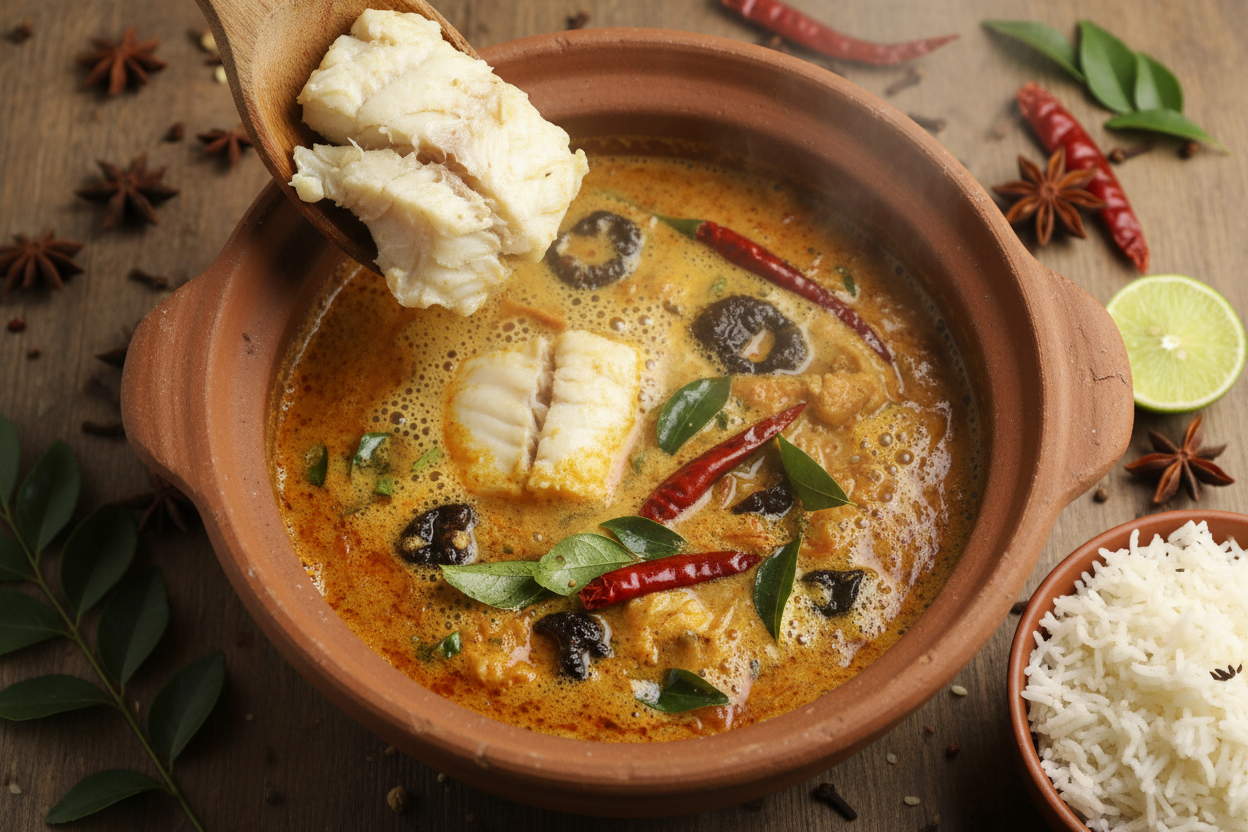
- Add Fish: Gently place the marinated fish pieces into the simmering gravy. Ensure the fish is submerged. Do not stir vigorously as this can break the fish. Instead, gently swirl the pot.
- Cook the Fish: Cover and cook for 8-10 minutes, or until the fish is cooked through and flaky. The cooking time will vary depending on the thickness of your fish pieces.
- Finish with Thick Coconut Milk: Remove the pot from heat. Gently pour in 1 cup of thick coconut milk (first press or the creamy part from the top of a can). Do not boil the curry after adding thick coconut milk, as it can curdle. Swirl the pot gently to incorporate.
- Final Tempering (Optional but Recommended): In a small pan, heat 1 tablespoon coconut oil. Add ½ teaspoon mustard seeds, ½ teaspoon fenugreek seeds, and a few curry leaves. Once the mustard seeds splutter, pour this tempering over the finished curry.
- Rest and Serve: Let the curry rest for at least 30 minutes before serving. This allows the flavors to deepen. Ideally, it tastes even better the next day!
Tips for the Perfect Creamy Coconut Gravy
- Don’t Overcook the Fish: Fish cooks quickly. Overcooking will make it dry and tough. Once it flakes easily, it’s done.
- Gentle Handing: Especially after adding the fish, avoid excessive stirring. Gently swirl the pot to mix ingredients and prevent the fish from breaking.
- Quality Coconut Milk: The better the coconut milk, the richer your Indian coconut fish curry will be. If using canned, choose full-fat and stir well before use.
- Never Boil Thick Coconut Milk: This is crucial! Always add the thick coconut milk at the very end, after removing the curry from direct heat. Heating it too much can cause it to curdle, ruining the creamy texture.
- The Clay Pot Advantage: Cooking in a traditional clay pot (meenchatti) infuses a unique earthy flavor and helps maintain even heat. If you have one, use it!
- Taste and Adjust: Always taste the gravy before adding the fish and again before the final thick coconut milk. Adjust salt, spice, and tang as needed.
Recipe Variations and Substitutions
While this recipe provides the blueprint for an authentic South Indian fish curry, don’t hesitate to experiment once you’ve mastered the basic technique:
- Vegetable Additions: Sliced raw mango (for extra tang) or drumsticks can be added along with the kokum for a different flavor profile.
- Different Chilies: For a smokier heat, a tiny bit of roasted dried red chili paste can be used in place of some green chilies.
- Kottayam Style Fish Curry: This specific style often features a slightly thicker, redder gravy, sometimes with a touch more ginger and garlic. My recipe leans towards this vibrant style!
- No Coconut Milk? While not traditional, some coastal variations of fish curry use a raw mango base for tang and a lighter, non-coconut gravy. But for a true creamy coconut seafood curry, the milk is essential.
What to Serve with South Indian Fish Curry
This flavorful curry truly shines when paired with simple, complementary dishes that allow its rich profile to take center stage.
- Steamed Rice: The classic pairing. The rice soaks up the delicious gravy perfectly.
- Appam: Light, fluffy, lace-edged rice pancakes that are a match made in heaven for any Kerala style seafood dish.
- Puttu: Steamed rice flour and coconut cylinders, another popular breakfast or dinner staple in Kerala.
- Tapioca (Kappa): Boiled and mashed tapioca, sometimes seasoned with a little mustard and curry leaves, is a rustic and incredibly satisfying accompaniment.
- Parotta: Flaky, layered flatbreads are also a delicious option for scooping up every last bit of that amazing gravy.
Storage and Reheating Guidelines
One of the best things about a good fish curry is that it often tastes even better the next day, once the flavors have had more time to meld.
- Storage: Store leftover curry in an airtight container in the refrigerator for up to 2-3 days.
- Reheating: Gently reheat on the stovetop over low to medium heat. Avoid boiling vigorously, especially if you have thick coconut milk in the curry, as it can cause the milk to separate or curdle. Add a splash of water or thin coconut milk if the gravy has thickened too much during storage.
- Freezing: While possible, freezing fish curries with coconut milk can sometimes alter the texture of the fish and cause the coconut milk to become grainy upon thawing. It’s best enjoyed fresh or within a couple of days from the fridge.
Frequently Asked Questions (FAQs)
Here are some common questions you might have:
Q: Can I use pre-made ginger-garlic paste?
A: While fresh ginger and garlic, crushed or minced, provide the best flavor, pre-made paste can be used in a pinch. Just ensure it’s of good quality.
Q: My curry is too spicy! How can I fix it?
A: If it’s too spicy, you can add a little more thick coconut milk or a teaspoon of sugar to balance the heat. A small amount of lemon juice (added at the very end, off the heat) can also help.
Q: What if I can’t find fresh curry leaves?
A: Fresh curry leaves are highly recommended for their unique aroma. If absolutely unavailable, dried curry leaves can be used, but they will not provide the same vibrant flavor. You can sometimes find them frozen in Indian grocery stores.
Q: Can I make this with shrimp or prawns?
A: Absolutely! This recipe works beautifully with shrimp or prawns. Add them towards the end, as they cook much faster than fish, typically only needing 3-5 minutes until they turn pink and opaque.
Making this authentic Kerala Fish Curry is a labor of love, but the rich, complex flavors are incredibly rewarding. I hope this recipe brings a piece of Kerala’s culinary heritage right into your home. Enjoy every spoonful!
Follow us on Facebook: https://www.facebook.com/profile.php?id=61568538666337
Authentic Kerala Fish Curry
Ingredients
- 1 lb Firm white fish cod, halibut, or kingfish, cut into 2-inch chunks
- 1 cup Coconut milk full-fat
- 2 tbsp Coconut oil
- 1/2 tsp Mustard seeds
- 1/4 tsp Fenugreek seeds
- 1 cup Shallots thinly sliced
- 1 tbsp Ginger paste
- 1 tbsp Garlic paste
- 2 Green chilies slit lengthwise
- 1 tbsp Kashmiri red chili powder
- 1 tbsp Coriander powder
- 1/2 tsp Turmeric powder
- 3 pieces Kokum Malabar tamarind, soaked in warm water
- 1 sprig Curry leaves
- 1 tsp Salt or to taste
- 1/2 cup Water
Instructions
- Heat the coconut oil in a deep pan or traditional clay pot over medium heat.
- Add the mustard seeds and fenugreek seeds. Let them splutter for about 30 seconds.
- Stir in the sliced shallots, ginger paste, garlic paste, green chilies, and curry leaves. Sauté until the shallots turn soft and golden brown.
- Lower the heat and add the Kashmiri red chili powder, coriander powder, turmeric powder, and salt. Cook for 2 minutes, stirring continuously until the raw smell of the spices disappears.
- Pour in the water and add the soaked Kokum pieces along with their soaking liquid. Bring the mixture to a gentle boil.
- Gently slide the fish chunks into the simmering sauce. Cover the pot and cook for 10 to 12 minutes until the fish is tender, flaky, and cooked through.
- Reduce the heat to low. Carefully stir in the full-fat coconut milk and let it gently simmer for another 2 to 3 minutes. Do not let it boil vigorously to prevent the coconut milk from splitting.
- Remove the pot from the heat. Let the curry rest for at least 15 minutes to allow the flavors to meld together before serving hot with steamed rice.
For more daily recipes and tips, follow us on Facebook!
Click here to join our community!