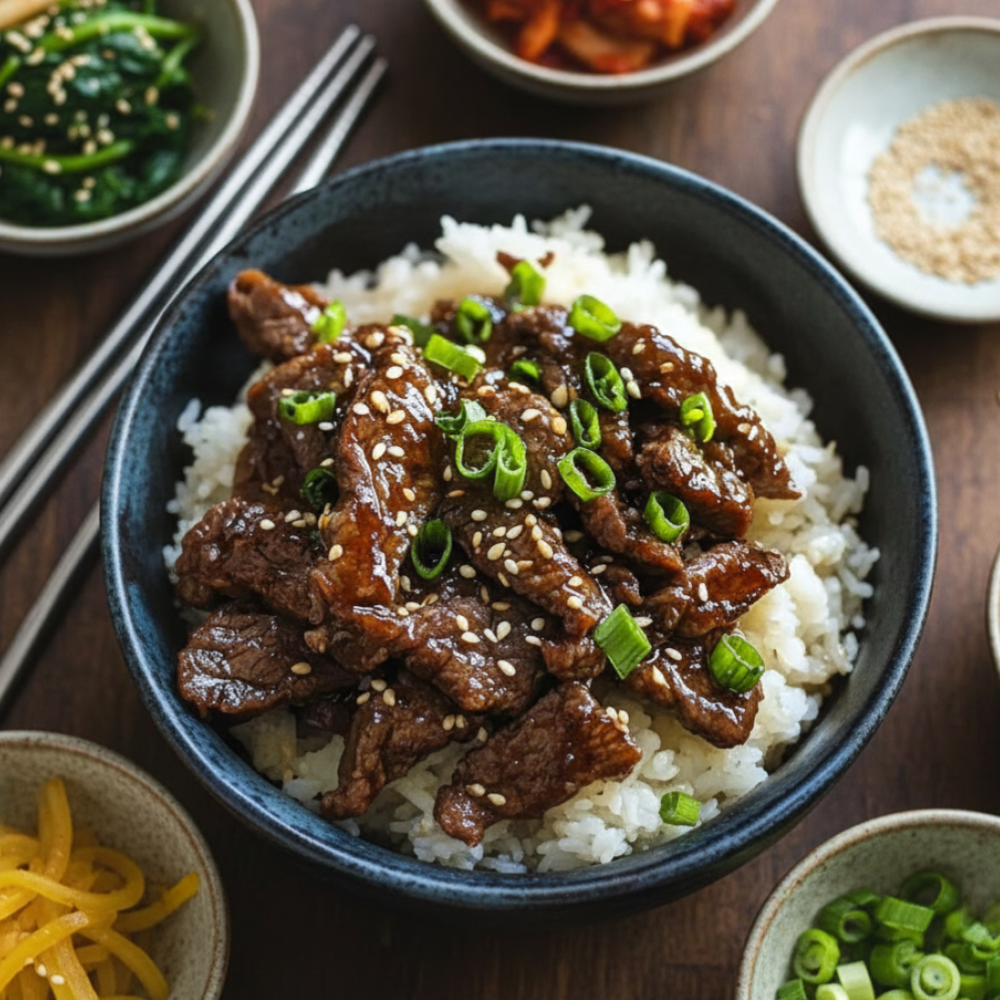
Easy Korean Beef Bulgogi Recipe
There’s a reason why Korean Beef Bulgogi holds a special place in the hearts of food lovers worldwide. It’s a symphony of savory, sweet, and smoky flavors, with tender slices of marinated beef that practically melt in your mouth. As an expert food blogger, I’ve spent countless hours perfecting this beloved dish, and I’m thrilled to share my authentic take on it with you. Forget complicated restaurant visits; today, we’re bringing the vibrant tastes of a Korean BBQ right into your home kitchen.
This recipe isn’t just about following steps; it’s about understanding the harmony of ingredients that makes bulgogi so irresistible. From selecting the perfect cut of beef to crafting that iconic, flavorful sauce, every detail contributes to a truly memorable meal. Whether you’re a seasoned chef or a curious home cook, get ready to master a dish that promises to impress and satisfy.
Why You Will Love This Korean BBQ Beef
A Quick Weeknight Dinner
Life can be hectic, but that doesn’t mean your meals have to suffer. This Korean BBQ beef recipe is designed with your busy schedule in mind. While the marinating takes a little time to infuse maximum flavor, the actual cooking process is incredibly fast – often less than 15 minutes! This makes it an ideal choice for an easy weeknight dinner when you crave something extraordinary without spending hours in the kitchen. Imagine coming home, quickly stir-frying perfectly seasoned beef, and having a delicious, restaurant-quality meal on the table in no time. It’s flavor and convenience, beautifully combined.
Authentic Flavors at Home
Many people assume that achieving authentic Korean flavors requires rare ingredients or intricate techniques. I’m here to tell you that’s not the case! My recipe focuses on creating an authentic bulgogi marinade using readily available ingredients that deliver that deep, complex taste you’d find in the best Korean restaurants. The balance of sweetness, umami, and a hint of garlic and ginger is precisely what makes bulgogi so addictive. You’ll be amazed at how easily you can replicate these genuine flavors right in your own kitchen, impressing family and friends with your culinary prowess.
Essential Ingredients for Bulgogi
Best Beef Cuts (Ribeye vs Sirloin)
The foundation of spectacular bulgogi lies in the beef itself. For the most tender and flavorful experience, I highly recommend using thinly sliced ribeye. Ribeye has beautiful marbling, which renders wonderfully during cooking, keeping the beef moist and adding richness. Its inherent tenderness makes it ideal for this quick-cooking method. If ribeye isn’t available or you prefer a leaner option, top sirloin or even tenderloin can work well, provided they are sliced very thinly across the grain. The key is the thinness, as it allows the beef to absorb the marinade fully and cook quickly without becoming tough.
The Secret to the Marinade (Using Asian Pear)
The magic of bulgogi truly comes alive in its marinade. This isn’t just any sauce; it’s a carefully balanced blend that tenderizes the beef and infuses it with its signature savory-sweet profile. My go-to bulgogi sauce recipe incorporates soy sauce, sesame oil, garlic, ginger, and brown sugar. But here’s a secret ingredient that elevates the marinade from good to truly exceptional: Asian pear. Grated Asian pear not only adds a delicate, natural sweetness but also contains enzymes that naturally tenderize the beef, ensuring every bite is incredibly soft and succulent. If an Asian pear isn’t handy, a small amount of kiwi or pineapple can offer similar tenderizing properties, though the flavor profile will differ slightly.
How to Make Korean Beef Bulgogi
Slicing the Beef Thinly
Achieving the perfect texture for your bulgogi starts with how you slice the beef. As mentioned, thinness is paramount. The best way to get those paper-thin slices is to partially freeze your chosen cut of beef for about 30-60 minutes. This firms it up, making it much easier to slice against the grain with a sharp knife. Aim for slices that are about 1/8 to 1/4 inch thick. Slicing against the grain breaks up the muscle fibers, which further contributes to the beef’s tenderness once cooked.
Mixing the Savory-Sweet Marinade
Once your beef is perfectly sliced, it’s time to create the flavor bomb: the marinade. In a large bowl, whisk together soy sauce (I prefer a low-sodium variety), sesame oil, minced garlic, grated fresh ginger, brown sugar, a touch of black pepper, and crucially, your grated Asian pear. Ensure everything is thoroughly combined until the sugar has dissolved. Add the thinly sliced beef to the marinade, making sure every piece is well coated. For best results, cover the bowl and refrigerate for at least 2 hours, or ideally, overnight. This extended marinating time allows the beef to soak up all those incredible flavors and become wonderfully tender, setting the stage for a perfect marinated beef stir fry.
Cooking to Caramelized Perfection
Cooking bulgogi is a quick process that requires high heat. Heat a large skillet or wok over medium-high heat. Add a tiny bit of neutral oil if your pan isn’t non-stick, though the sesame oil in the marinade often provides enough lubrication. Crucially, cook the beef in batches. Overcrowding the pan will lower the temperature, causing the beef to steam rather than sear, preventing that beautiful caramelization we’re aiming for. Spread a single layer of marinated beef in the hot pan and let it cook undisturbed for about 1-2 minutes until beautifully browned and slightly charred on one side. Flip and cook for another minute or two until cooked through. The beef should have lovely caramelized edges and remain tender and juicy. Remove cooked batches and repeat with the remaining beef until all is perfectly cooked.
Serving Suggestions
Building the Perfect Korean Beef Bowl
While delicious on its own, bulgogi truly shines when served as part of a vibrant Korean beef bowl. Start with a bed of warm, fluffy white rice. Spoon generous portions of your perfectly cooked bulgogi over the rice. Then, let your creativity flow with toppings! Sautéed mushrooms, thinly sliced carrots, spinach, and a fried egg are popular additions. A sprinkle of sesame seeds and thinly sliced green onions adds a fresh finish and visual appeal. For an extra kick, a drizzle of gochujang (Korean chili paste) can elevate the flavors even further. It’s a wholesome, satisfying meal that’s as beautiful to look at as it is delicious to eat.
Traditional Korean Side Dishes (Kimchi, Pickled Radish)
No Korean meal is complete without an array of “banchan,” or traditional Korean side dishes banchan. These small, flavorful accompaniments perfectly complement the main course, adding different textures and tastes to balance the palate. Kimchi, fermented spicy cabbage, is perhaps the most iconic and a non-negotiable for a truly authentic experience. Other popular options include tangy pickled radish (danmuji), seasoned spinach (sigeumchi namul), sweet and savory potato salad, or crunchy bean sprout salad (kongnamul muchim). Serving a few different banchan alongside your bulgogi elevates the entire dining experience, offering a delightful culinary journey with every bite.
Storing and Reheating Leftovers
Leftover bulgogi is just as delicious, if not more so, the next day. Allow any cooked beef to cool completely before transferring it to an airtight container. It can be stored in the refrigerator for up to 3-4 days. When reheating, I recommend using a skillet or wok over medium heat. This helps to re-crisp the edges slightly and prevent the beef from becoming rubbery. You can add a tiny splash of water or a bit of the leftover marinade (if you have any uncooked portion) to help keep it moist. Avoid microwaving if possible, as it can sometimes dry out the beef, though it’s certainly an option for a quick reheat. Bulgogi leftovers are fantastic in rice bowls, lettuce wraps, or even as a filling for quick sandwiches.
Frequently Asked Questions
Q: Can I use a different cut of beef?
A: While thinly sliced ribeye is highly recommended for its tenderness and marbling, you can certainly use other cuts like top sirloin, beef tenderloin, or even flank steak. The key is to slice them very thinly against the grain to ensure tenderness.Q: How long should I marinate the beef?
A: For optimal flavor and tenderness, marinate the beef for at least 2 hours. However, an overnight marinade (8-12 hours) in the refrigerator will yield the best results, truly allowing the authentic bulgogi marinade to penetrate the beef.Q: What if I can’t find Asian pear?
A: Asian pear is ideal for its unique sweetness and tenderizing enzymes. If it’s unavailable, you can substitute a small amount of grated Bosc pear, apple, or even a teaspoon of kiwi or pineapple puree (be cautious with kiwi/pineapple as too much can break down the beef too much due to their strong enzymes). A little extra brown sugar can compensate for some of the sweetness.Q: Can I prepare this dish ahead of time?
A: Absolutely! The beef can be sliced and marinated up to 24 hours in advance. This makes it a fantastic option for meal prep or entertaining, as the cooking process itself is so rapid.Q: How spicy is bulgogi?
A: Traditional bulgogi is generally savory and sweet, not spicy. Any heat typically comes from optional additions like gochujang when serving. You can easily adjust the spice level to your preference by adding a pinch of chili flakes to the marinade or serving with sriracha or gochujang on the side.
Thank you for joining me on this culinary adventure to create the perfect Korean Beef Bulgogi. I hope this recipe brings joy and deliciousness to your kitchen. For more mouth-watering recipes, cooking tips, and behind-the-scenes glimpses of my food journey, be sure to follow my Facebook page!
Follow us on Facebook: https://www.facebook.com/profile.php?id=61568538666337
Easy Korean Beef Bulgogi
Ingredients
- 1 lb Ribeye or Sirloin beef Thinly sliced
- 1/3 cup Soy sauce Low sodium preferred
- 3 tbsp Brown sugar Packed
- 1 tbsp Sesame oil
- 3 cloves Garlic Minced
- 1 tsp Fresh ginger Grated
- 1/2 cup Asian pear Grated, for tenderizing the beef
- 2 stalks Green onions Chopped, divided use
- 1 tbsp Sesame seeds Toasted
- 2 cups Cooked white rice For serving
- 1 cup Kimchi For serving
Instructions
- Place the thinly sliced beef in a large mixing bowl or a resealable plastic bag.
- In a separate small bowl, whisk together the soy sauce, brown sugar, sesame oil, minced garlic, grated ginger, and grated Asian pear to create the marinade.
- Pour the marinade over the beef, add half of the chopped green onions, and mix thoroughly so all beef slices are evenly coated. Marinate in the refrigerator for at least 30 minutes, or up to overnight for deeper flavor.
- Heat a large skillet or wok over medium-high heat until very hot. Add a light drizzle of cooking oil if your pan is not non-stick.
- Add the marinated beef in a single layer, working in batches if necessary to avoid overcrowding the pan. Cook for 2 to 3 minutes until caramelized and cooked through.
- Serve immediately over steamed white rice. Garnish with the remaining green onions and toasted sesame seeds, and serve alongside kimchi, seasoned spinach, and pickled radish.
For more daily recipes and tips, follow us on Facebook!
Click here to join our community!