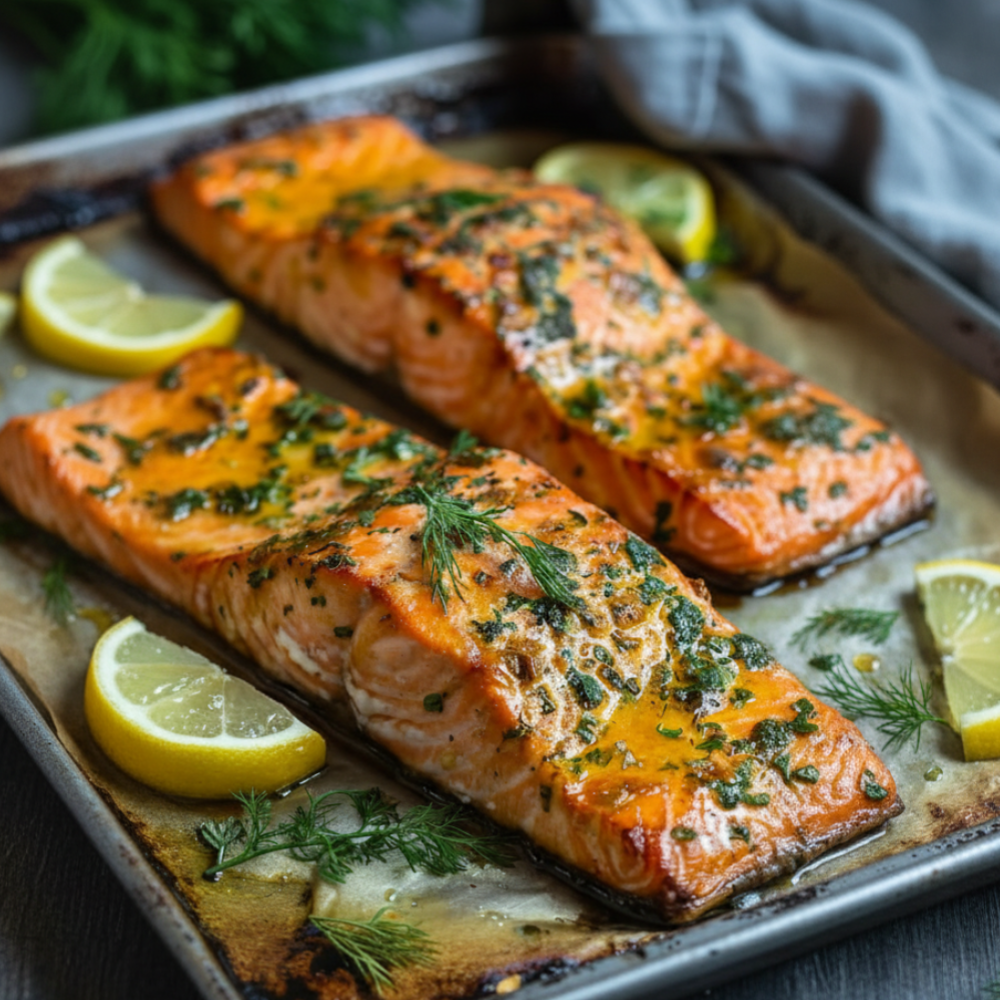
There’s nothing quite like a perfectly cooked piece of fish: tender, flaky, and bursting with flavor. And when it comes to healthy, delicious weeknight meals, it’s hard to beat a beautiful piece of oven baked salmon. Forget dry, overcooked fish; this recipe is your ticket to a consistently delightful dinner that feels gourmet but takes minimal effort.
Why This Baked Salmon Recipe is a Game Changer
This isn’t just another fish recipe; it’s a culinary revelation for anyone looking for a stress-free yet impressive meal. Our method ensures a tender, juicy salmon fillet every single time, making it an ideal choice for a healthy salmon dinner. It’s incredibly versatile, quick enough for a busy weeknight, and elegant enough for company. Plus, it utilizes the oven, which means less mess and more hands-off cooking time for you.
How to Choose the Best Salmon Fillets
The foundation of a fantastic baked salmon starts with quality ingredients. Look for fillets that are vibrant in color (deep orange to reddish-pink), firm to the touch, and have a fresh, mild scent – never overtly fishy. Aim for pieces that are roughly the same thickness for even cooking.
Farm-Raised vs. Wild-Caught Salmon
- Wild-Caught Salmon: Often leaner with a richer, more complex flavor profile due to its natural diet. Varieties like Sockeye, Coho, and King salmon are popular. It tends to be pricier and has a firmer texture.
- Farm-Raised Salmon: Generally fattier, which can result in a more buttery texture and milder flavor. Varieties like Atlantic salmon are commonly farm-raised. It’s often more readily available and budget-friendly.
Both are excellent choices for this salmon fillet recipe; it really comes down to your personal preference for flavor and texture, and what’s available and fresh at your local market.
Essential Ingredients for Flavorful Baked Salmon
Simplicity is key to letting the salmon’s natural goodness shine. Here’s what you’ll need for a classic, crowd-pleasing preparation:
- Salmon Fillets: Skin-on or skin-off, about 6 oz each.
- Olive Oil: A good quality extra virgin olive oil to coat and prevent sticking.
- Lemon: Fresh lemon juice and slices are non-negotiable for brightness.
- Garlic: Minced fresh garlic adds aromatic depth.
- Fresh Herbs: Dill, parsley, or thyme complement salmon beautifully.
- Salt and Black Pepper: Essential for seasoning.
- Optional: A touch of paprika for color, or a sprinkle of red pepper flakes for a subtle kick.
Step-by-Step Instructions: How to Bake Salmon in the Oven
Get ready to create a masterpiece with minimal fuss. Follow these simple steps for perfectly flaky baked salmon.
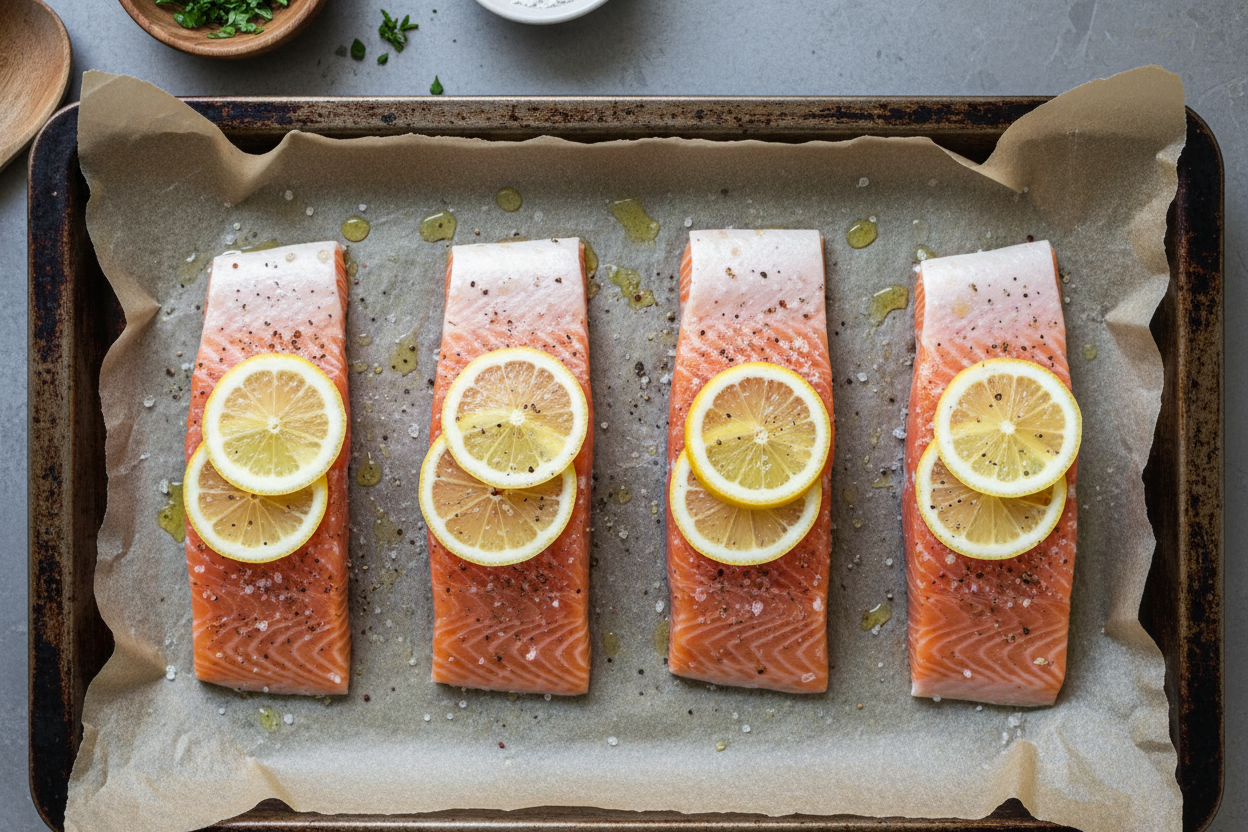
- Preheat Oven & Prep Pan: Preheat your oven to 400°F (200°C). Line a baking sheet with parchment paper or foil for easy cleanup. If using foil, lightly grease it with olive oil to prevent sticking.
- Prepare Salmon: Pat the salmon fillets dry with paper towels. This helps achieve a better crust and seasoning adhesion. Place them skin-down (if applicable) on the prepared baking sheet.
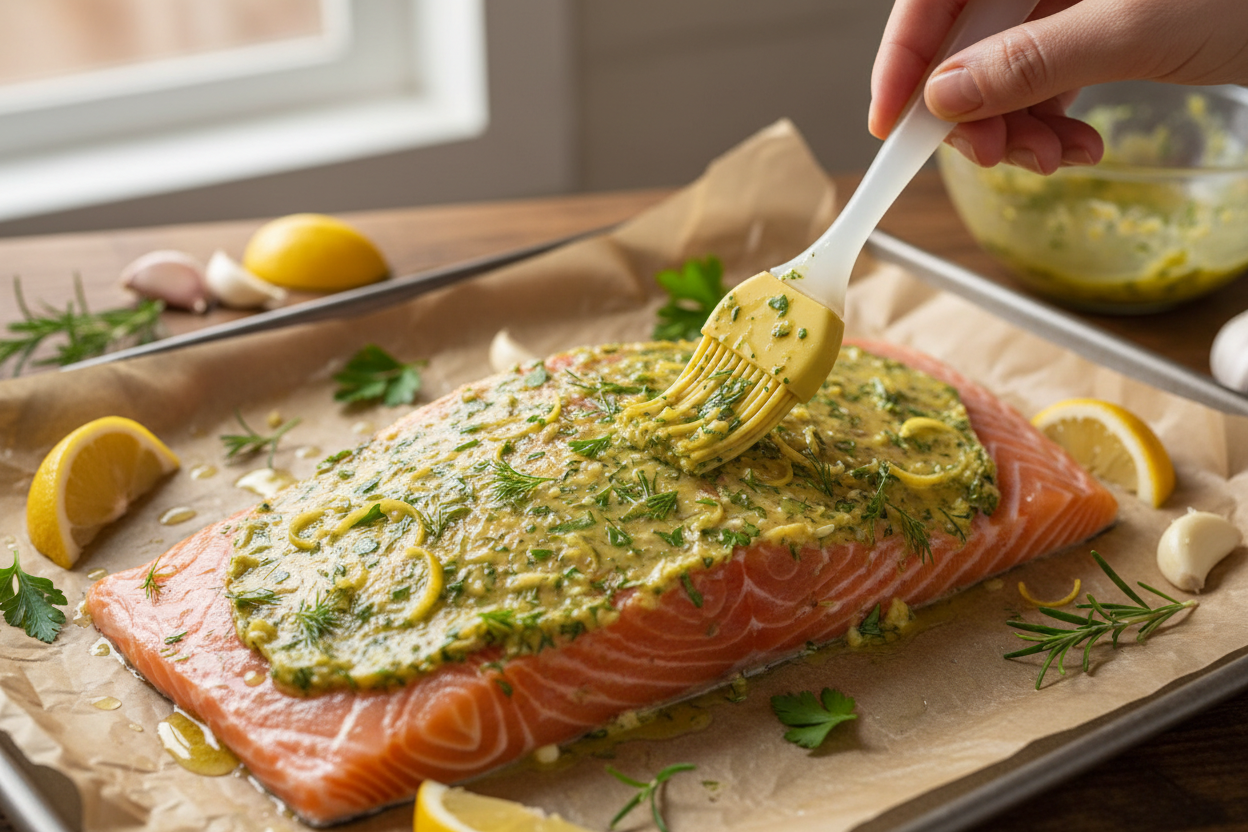
- Season Generously: Drizzle each fillet with olive oil. Sprinkle generously with salt, freshly ground black pepper, and minced garlic. Lay lemon slices and fresh herb sprigs (like dill or parsley) over and around the salmon.
- Bake: Transfer the baking sheet to the preheated oven.
- Rest & Serve: Once done, remove the salmon from the oven and let it rest for 5 minutes. This allows the juices to redistribute, ensuring a moist fillet. Garnish with fresh lemon wedges and more herbs if desired.
The Ideal Temperature and Time for Baking Salmon
Achieving that perfect, tender texture is all about balancing the baked salmon temperature and time. Generally, a higher temperature for a shorter duration works best to cook the fish through without drying it out.
Should You Bake Salmon at 400°F or 425°F?
Both temperatures are excellent for baking salmon, and your choice might depend on the thickness of your fillets and your desired cooking time:
- Baking Salmon at 400°F (200°C): This is a fantastic all-rounder. It provides a slightly more forgiving cooking window, typically taking 12-18 minutes for average-sized fillets (about 1-inch thick). It results in beautifully tender salmon.
- Baking Salmon at 425°F (220°C): If you’re looking for a slightly crisper exterior or a faster cook, 425°F works well. Cooking time will be shorter, usually 10-15 minutes, so keep a closer eye on it to prevent overcooking.
For most home cooks, starting with 400°F is recommended for consistent, delicious results when preparing this oven baked fish.
How to Tell When Salmon is Done
The key to how long to bake salmon is internal temperature and visual cues. Salmon is perfectly cooked when:
- The flesh is opaque throughout.
- It easily flakes with a fork at its thickest part.
- An instant-read thermometer inserted into the thickest part registers 145°F (63°C). Remember, it will continue to cook slightly as it rests.
Expert Tip: Don’t be afraid to check the internal temperature! It’s the most reliable way to ensure your salmon is cooked to perfection without being dry.
Delicious Variations and Seasoning Ideas
While the classic lemon and garlic preparation is always a winner, salmon is incredibly versatile. Here are a few ideas to spice up your next healthy salmon dinner:
Lemon Dill & Garlic Butter
Melt 1/4 cup unsalted butter with 2 cloves minced garlic, the juice of half a lemon, and 2 tablespoons chopped fresh dill. Pour this aromatic mixture over your salmon before baking for a truly decadent and flavorful experience. This creates an incredible lemon garlic baked salmon.
Maple Dijon Glaze
Whisk together 2 tablespoons maple syrup, 1 tablespoon Dijon mustard, 1 tablespoon soy sauce (or tamari), and 1 teaspoon apple cider vinegar. Brush this glaze generously over the salmon during the last 5-7 minutes of baking for a sweet and savory crust.
Spicy Cajun Rub
Combine 1 tablespoon paprika, 1 teaspoon garlic powder, 1 teaspoon onion powder, 1/2 teaspoon dried oregano, 1/2 teaspoon dried thyme, 1/4 teaspoon cayenne pepper (or more for extra heat), and salt and black pepper to taste. Rub this mixture all over your salmon fillets before baking for a bold, zesty flavor.
What to Serve with Oven Baked Salmon
A perfectly cooked salmon fillet pairs beautifully with a variety of side dishes. Keep it light and fresh to complement the fish:
- Roasted Vegetables: Asparagus, broccoli, green beans, or Brussels sprouts tossed with olive oil, salt, and pepper.
- Quinoa or Brown Rice: Healthy and hearty grain options.
- Fresh Salad: A simple green salad with a vinaigrette dressing.
- Garlic Mashed Potatoes or Cauliflower Mash: Creamy and comforting.
- Couscous with Herbs: Light and quick to prepare.
Expert Tips for the Most Tender, Flaky Salmon
- Pat Dry: Always pat your salmon fillets thoroughly dry with paper towels before seasoning. This promotes better searing and a nicer texture.
- Don’t Overcrowd the Pan: Give each fillet space on the baking sheet. Overcrowding can steam the fish instead of baking it, leading to less appealing texture.
- Rest Your Salmon: Just like with beef or chicken, letting the salmon rest for a few minutes after baking allows the juices to redistribute, resulting in a more moist and flavorful fish.
- Skin On or Off? Baking salmon with the skin on can help protect the flesh from drying out and makes it easier to handle. You can easily remove the cooked skin before serving if preferred.
Frequently Asked Questions (FAQs)
Do You Bake Salmon Covered or Uncovered?
For the best results, you typically bake salmon uncovered. This allows for even cooking and helps achieve a slightly crisped exterior. Covering salmon can steam it, leading to a softer texture that some prefer, but often results in less flavor development and a less desirable mouthfeel.
Should You Bake Salmon Skin Up or Skin Down?
It’s generally recommended to bake salmon skin down. The skin acts as a natural barrier, protecting the delicate flesh from the direct heat of the baking sheet and preventing it from sticking. It also helps the fillet hold its shape. The skin will crisp up nicely against the hot pan, and you can easily slide a spatula between the skin and the flesh once cooked, leaving the skin behind if you wish.
How Long Will Leftover Baked Salmon Last?
Properly stored in an airtight container in the refrigerator, leftover baked salmon will last for 3-4 days. It’s excellent flaked into salads, sandwiches, or even gently reheated (though be careful not to overcook it).
Ready to make this incredible baked salmon a regular on your dinner menu? We’d love to see your creations and hear about your favorite variations!
For more delicious, easy-to-follow recipes and kitchen tips, be sure to follow us on Facebook: Our Facebook Page. Join our community of food lovers today!
Easy Oven Baked Salmon with Lemon and Herbs
Ingredients
- 4 fillets Salmon fillets skin-on, about 6 oz each
- 2 tbsp Butter melted
- 2 cloves Garlic minced
- 1 tbsp Fresh dill chopped
- 1 tbsp Fresh parsley chopped
- 1 tbsp Lemon juice freshly squeezed
- 1 whole Lemon sliced into thin rounds
- 1/2 tsp Salt or to taste
- 1/4 tsp Black pepper freshly ground
Instructions
- Preheat the oven to 400°F (200°C) and line a rimmed baking sheet with parchment paper or aluminum foil.
- Pat the salmon fillets dry with a paper towel and place them skin-side down on the prepared baking sheet.
- In a small bowl, whisk together the melted butter, minced garlic, fresh dill, fresh parsley, and lemon juice.
- Generously brush or spoon the garlic-herb butter mixture evenly over the tops and sides of each salmon fillet. Season evenly with salt and black pepper.
- Lay 1-2 thin lemon slices over the top of each salmon fillet.
- Bake in the preheated oven for 12-15 minutes, or until the salmon is opaque and flakes easily with a fork.
- For a lightly golden top, turn the oven to broil for the final 1 to 2 minutes of cooking.
- Remove the salmon from the oven, cover loosely with foil, and let it rest for 5 minutes before serving.
For more daily recipes and tips, follow us on Facebook!
Click here to join our community!