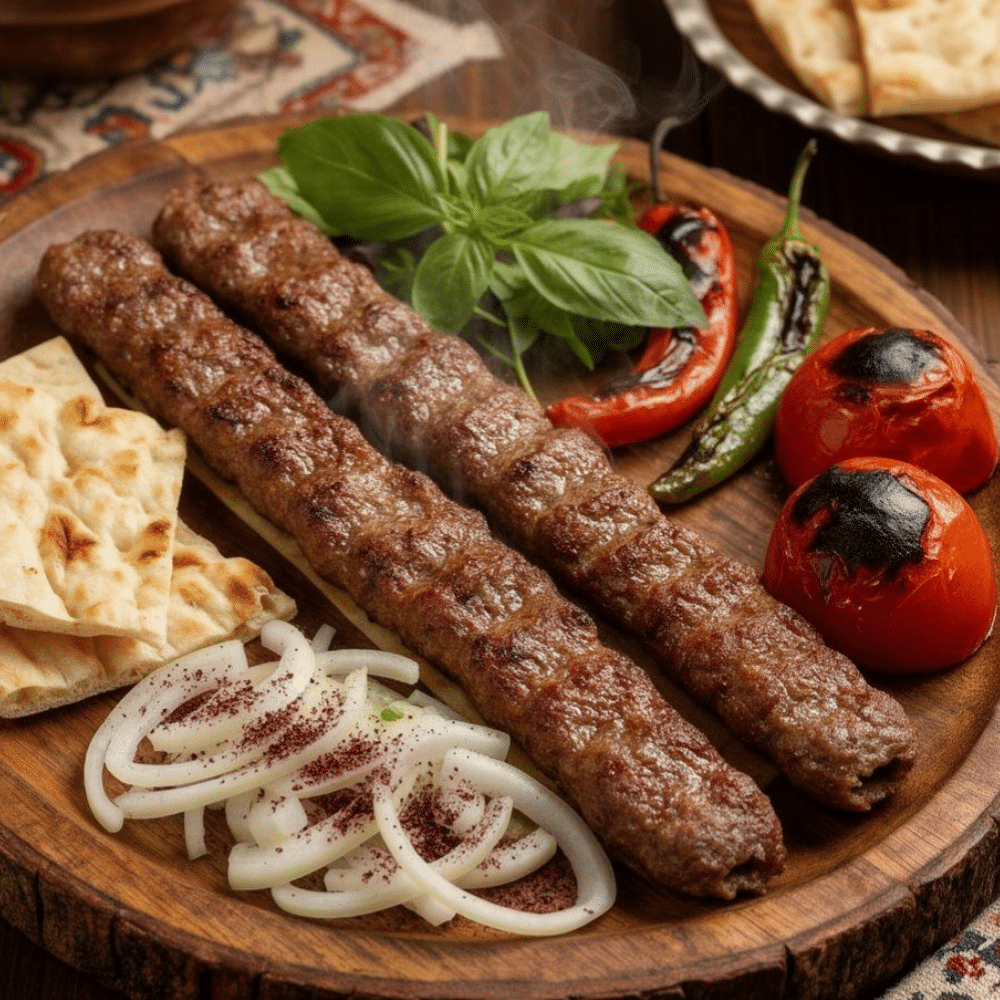
Introduction to Persian Koobideh Kebab
There are some dishes that transcend mere sustenance, becoming a celebration of culture, history, and culinary artistry. Persian Koobideh Kebab is undoubtedly one of them. For anyone who has experienced the magic of Iranian cuisine, this iconic dish holds a special place, often evoking memories of joyous family gatherings and vibrant street food markets.
What Makes It So Special?
At its heart, this beloved kebab is deceptively simple: seasoned ground beef, expertly formed onto skewers and grilled to perfection. Yet, the layers of flavor, the tender texture, and the aromatic spices create an unparalleled experience. It’s the kind of dish that speaks of tradition and meticulous preparation, a true testament to the beauty of Iranian cooking.
The Cultural Significance in Iranian Cuisine
More than just a meal, Koobideh is a symbol of Iranian hospitality and culinary identity. It’s a dish served at nearly every celebration, from Nowruz (Persian New Year) to wedding feasts, and is a staple in homes and restaurants alike. Its presence signifies warmth, generosity, and the rich heritage of a cuisine that dates back centuries.
The History and Origins of Koobideh
The name “Koobideh” itself offers a clue to its ancient origins, derived from the Persian word “koobidan,” meaning “to pound.” Historically, the meat was meticulously pounded with large wooden mallets on a flat stone until it reached a fine, cohesive consistency. This labor-intensive process was crucial for achieving the characteristic texture that makes these ground beef skewers so tender and juicy.
Street Food to Restaurant Staple
While its preparation methods have evolved with modern kitchen tools, the essence of Koobideh remains unchanged. What began as a traditional way of preparing meat, likely in the bustling bazaars and homes of ancient Persia, has gracefully transitioned. Today, you’ll find it sizzling on grills in high-end restaurants, casual eateries, and as the star of many family picnics, solidifying its status as a timeless culinary treasure.
Regional Variations
Across Iran, subtle regional variations of Koobideh exist, each reflecting local tastes and available ingredients. While the core concept of seasoned ground meat remains, some regions might incorporate different spices or a blend of beef and lamb. However, the most widely loved and recognized form typically features a tender beef mixture, often served with a generous sprinkle of sumac.
Essential Ingredients for the Best Kebab
Crafting the perfect Koobideh is an art, and like all great art, it starts with the finest materials. The secret to those incredibly tender, flavorful skewers lies in a precise selection of ingredients and a meticulous approach to preparation. Forget complicated marinades; the magic is in the simplicity and quality.
The Importance of the Right Meat-to-Fat Ratio (80/20)
This is perhaps the most critical element for succulent ground beef skewers. You need a blend of good quality beef with an optimal fat content. An 80/20 lean-to-fat ratio is ideal. The fat renders during grilling, infusing the meat with moisture and flavor, preventing the kebabs from becoming dry and crumbly. Don’t shy away from fat here; it’s what makes the kebab truly special.
Aromatics and Spices (Saffron, Onion, Black Pepper)
The beauty of the koobideh seasoning is its elegant simplicity. While regional variations exist, the core elements are typically grated onions, salt, and black pepper. A pinch of saffron, dissolved in hot water, adds a luxurious aroma and a subtle golden hue, though it’s sometimes reserved for special occasions. The onion isn’t just for flavor; its moisture also contributes to the kebab’s tenderness.
Why We Skip Binders Like Eggs and Breadcrumbs
Unlike many meatball recipes, authentic Koobideh relies solely on the proper preparation of the meat and onion for its binding. Adding eggs, breadcrumbs, or flour would fundamentally alter the texture, making it tougher and detracting from that unique, melt-in-your-mouth quality. The extensive kneading process, combined with the right meat-to-fat ratio, creates a natural binding.
Step-by-Step Preparation Guide
Now, let’s dive into the hands-on process of bringing these magnificent kebabs to life. Every step, from grating the onions to resting the meat, plays a vital role in achieving that perfect taste and texture.
Grating and Draining the Onions (The Secret to Success)
This is perhaps the most crucial “secret” to perfectly formed and flavorful Koobideh. Take one large onion per pound of meat and grate it finely. Once grated, place the onion pulp in a clean cheesecloth or a fine-mesh sieve and press out as much liquid as possible. Do not skip this step! Excess moisture from the onions is the primary reason why kebabs fall off the skewer. You want the flavor, not the water.

The Art of Kneading the Meat Mixture
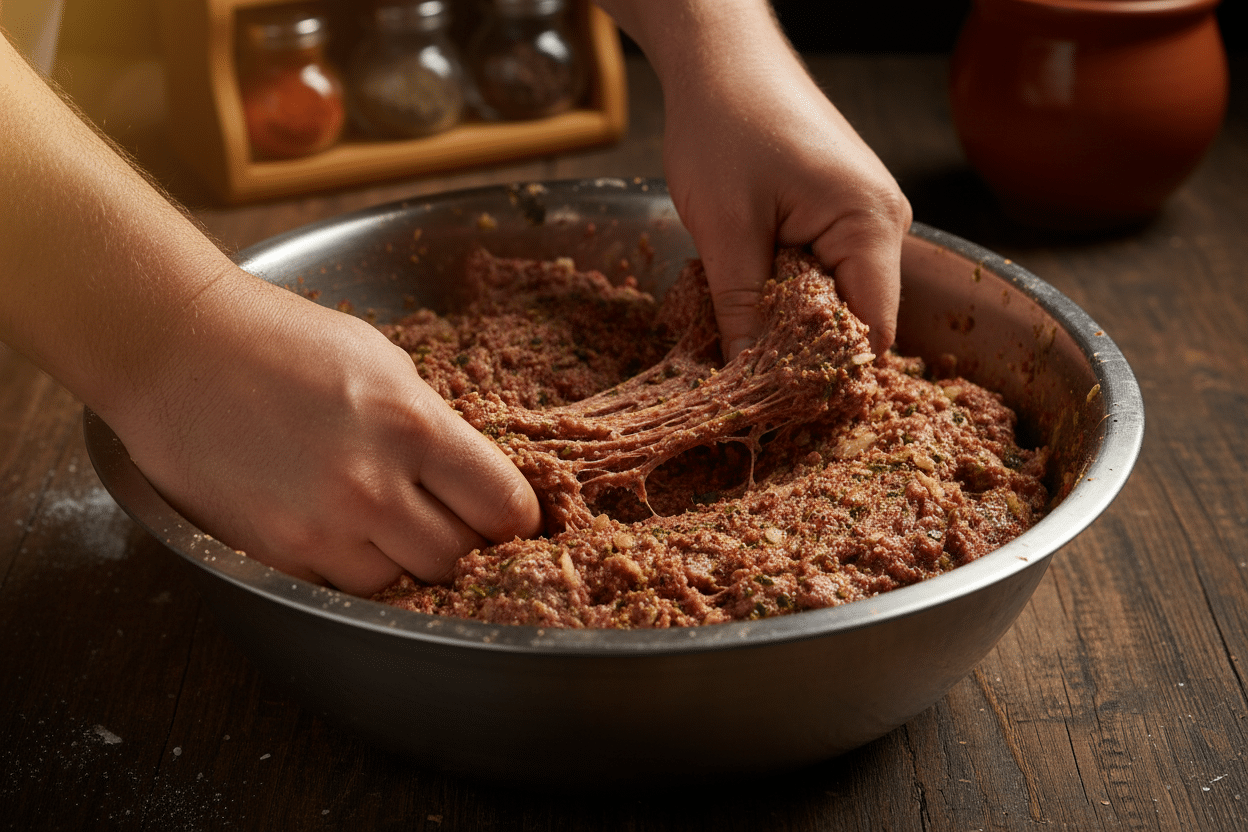
In a large bowl, combine your ground beef (80/20 ratio is key!), the thoroughly drained grated onions, salt (about 1 teaspoon per pound of meat, adjust to taste), and freshly ground black pepper. If using saffron, add a tablespoon of the bloomed saffron liquid now. Now, the kneading begins. This isn’t just mixing; it’s about developing the proteins in the meat to create a sticky, cohesive paste. Knead vigorously for at least 10-15 minutes, repeatedly picking up the mixture and slamming it back into the bowl. You’ll notice the texture transform from crumbly to a uniform, tacky mass.
Resting the Meat: Why Patience Pays Off
Once kneaded, cover the bowl and refrigerate the meat mixture for at least 2-4 hours, or ideally, overnight. This resting period allows the flavors to meld and the meat to firm up, making it much easier to handle and preventing it from falling off the skewer during grilling. Patience truly pays off here, yielding a much more stable and flavorful kebab.

The Traditional Skewering Technique (Luleh)
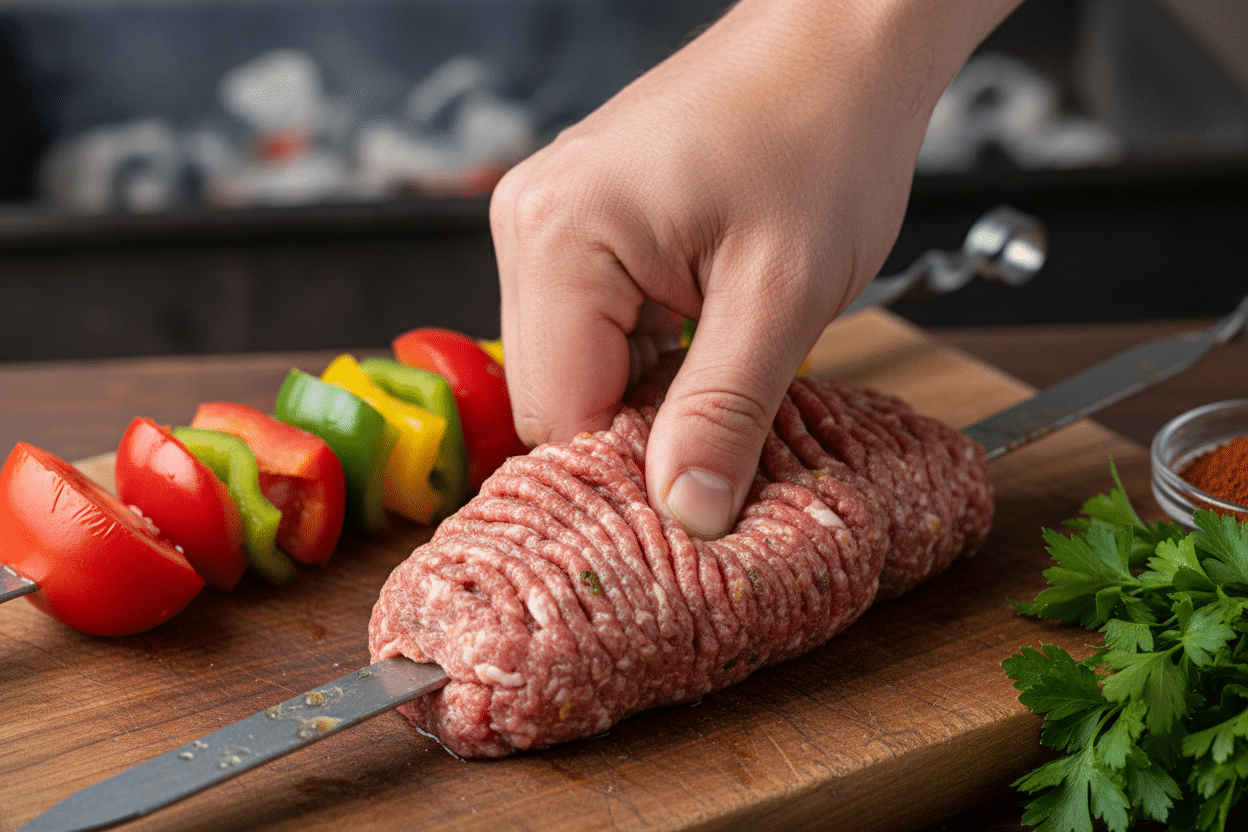
For authentic Koobideh, wide, flat metal skewers (often called “luleh” skewers in Persian) are essential. Wet your hands slightly to prevent sticking. Take about a golf-ball sized portion of the rested meat mixture (approximately 3-4 ounces) and press it firmly around the skewer, starting from the top. Using your index finger and thumb, create indentations along the length of the meat, forming an even, elongated shape. This unique shaping helps the kebab cook evenly and holds it securely on the skewer.
Grilling Tips for Juicy, Tender Kebabs
The final act of preparing kebab koobideh is the grilling, where the magic truly happens. Achieving that perfectly charred exterior with a moist, tender interior requires attention to detail and a keen understanding of heat.
Charcoal vs. Gas Grills
For the most authentic flavor, charcoal grilled kebabs are unrivaled. The smoky aroma infused into the meat is simply divine. Arrange your hot coals evenly for consistent heat. If using a gas grill, preheat it to medium-high. While charcoal offers superior flavor, a gas grill can still produce delicious results if managed correctly.
The Quick-Flip Method for Sealing in Juices
Once the skewers are on the grill, the initial few minutes are critical. Cook the kebabs over direct heat. Immediately begin turning the skewers frequently – every 30 seconds to a minute – during the first 3-5 minutes. This quick-flip method helps to sear the outside quickly, locking in the juices and preventing the meat from sticking to the grill grates or falling off the skewer. Continue grilling, turning occasionally, until the kebabs are cooked through and beautifully browned, usually about 8-12 minutes total, depending on thickness and grill heat.
“The secret to a truly great kebab is a hot grill and swift turns in the beginning – this seals in the juices and creates that irresistible char.”
How to Serve Koobideh Kebab
A perfectly grilled kebab is only half the story; its accompaniments complete the traditional Iranian meal experience. Presentation and side dishes are just as important as the main event.
Classic Grilled Sides (Tomatoes and Peppers)
No Koobideh platter is complete without grilled tomatoes and green peppers. Halve ripe tomatoes and skewer them alongside whole long green peppers. Grill them until softened and slightly charred, their sweet and smoky flavors complementing the savory meat beautifully.
Fresh Herbs and Accompaniments (Basil, White Onion)
A platter of fresh herbs (sabzi khordan) – think basil, mint, tarragon, and radishes – is a refreshing counterpoint to the rich kebab. Thinly sliced white onion, often marinated briefly in sumac for vibrant sumac onions, adds a delightful zing and crunch. And of course, a generous sprinkle of powdered sumac over the kebabs themselves is non-negotiable for an authentic taste. Often, these are served alongside a fluffy mound of Persian rice, known as chelo, which is typically steamed to perfection with a crispy bottom layer called tahdig.
Choosing the Right Bread (Lavash or Sangak)
While often served with rice, Koobideh is also fantastic with traditional Iranian flatbreads. Lavash, a thin, soft bread, or Sangak, a thicker, dimpled whole wheat bread baked on pebbles, are excellent choices. Tear off pieces of bread to wrap around the kebab, herbs, and onions for a satisfying bite.
Frequently Asked Questions
Why Do My Kebabs Fall Off the Skewer?
This is the most common challenge! The main culprits are usually excess moisture from the onions (didn’t drain enough), an incorrect meat-to-fat ratio (too lean), or insufficient kneading. Ensure your onions are thoroughly squeezed dry, use an 80/20 ground beef blend, and knead the meat vigorously until it’s very sticky and cohesive.
Can I Cook These in the Oven?
While grilling is highly recommended for the best flavor and texture, you can cook these ground beef skewers in the oven. Preheat your oven to a high temperature (around 450°F or 230°C) with the broiler on. Place the skewered kebabs on a baking sheet lined with foil and cook for 5-7 minutes per side, or until cooked through and nicely browned. Be aware that the smoky flavor will be absent, but they will still be delicious.
Can I Substitute the Beef with Lamb?
Absolutely! A traditional Iranian kebab koobideh recipe often calls for a blend of beef and lamb, or sometimes just lamb. Using 100% lamb or a 50/50 mix with beef will give you a richer, slightly gamey flavor that many connoisseurs adore. Just ensure you maintain a good fat ratio (around 20%) to keep the kebabs juicy.
Conclusion
Crafting your own Koobideh at home is a journey into the heart of Persian culinary tradition. With attention to detail in ingredient selection, meticulous preparation, and confident grilling, you’ll unlock the secrets to these truly exceptional ground beef skewers. The satisfaction of biting into a perfectly cooked Koobideh, rich with flavor and history, is an experience not to be missed. Gather your ingredients, prepare your grill, and get ready to impress your taste buds and those of your loved ones with this iconic Iranian delight.
For more delicious recipes and a peek into the world of Persian cooking, be sure to follow our page! Find us at: https://www.facebook.com/profile.php?id=61568538666337
Traditional Persian Koobideh Kebab
Ingredients
- 1 lb Ground beef 80% lean, 20% fat
- 1 Yellow onion grated and completely drained of liquid
- 1 tsp Salt
- 0.5 tsp Black pepper
- 1 tbsp Saffron water optional
- 4 Tomatoes whole, for grilling
- 2 Green peppers for grilling
- 2 Red peppers for grilling
- 1 White onion sliced
- 1 tbsp Sumac
- 0.5 cup Fresh basil leaves
- 4 pieces Flatbread Lavash or Sangak
Instructions
- Grate the yellow onion and squeeze out all excess liquid using a fine mesh strainer or cheesecloth. Discard or reserve the liquid for another use.
- In a large mixing bowl, thoroughly combine the ground beef, drained grated onion, salt, black pepper, and saffron water.
- Knead the mixture vigorously for 10 to 15 minutes until it becomes highly sticky, elastic, and holds together flawlessly.
- Cover the bowl tightly with plastic wrap and refrigerate for at least 1 hour to allow the fats to firm up and flavors to meld.
- Divide the chilled meat into equal portions. Mold each tightly around wide, flat metal skewers, pressing firmly with your thumb to create even ridges along the meat.
- Preheat a charcoal or gas grill to high heat. Thread the tomatoes, green peppers, and red peppers onto separate skewers.
- Place the meat and vegetable skewers on the grill. Turn the meat skewers frequently during the first few minutes to seal the outside, preventing the meat from falling off.
- Continue cooking for 10 to 12 minutes, turning occasionally, until fully browned and cooked through.
- Serve immediately on warm flatbread, garnished with sliced white onions, fresh basil leaves, grilled vegetables, and a generous sprinkle of sumac.
For more daily recipes and tips, follow us on Facebook!
Click here to join our community!